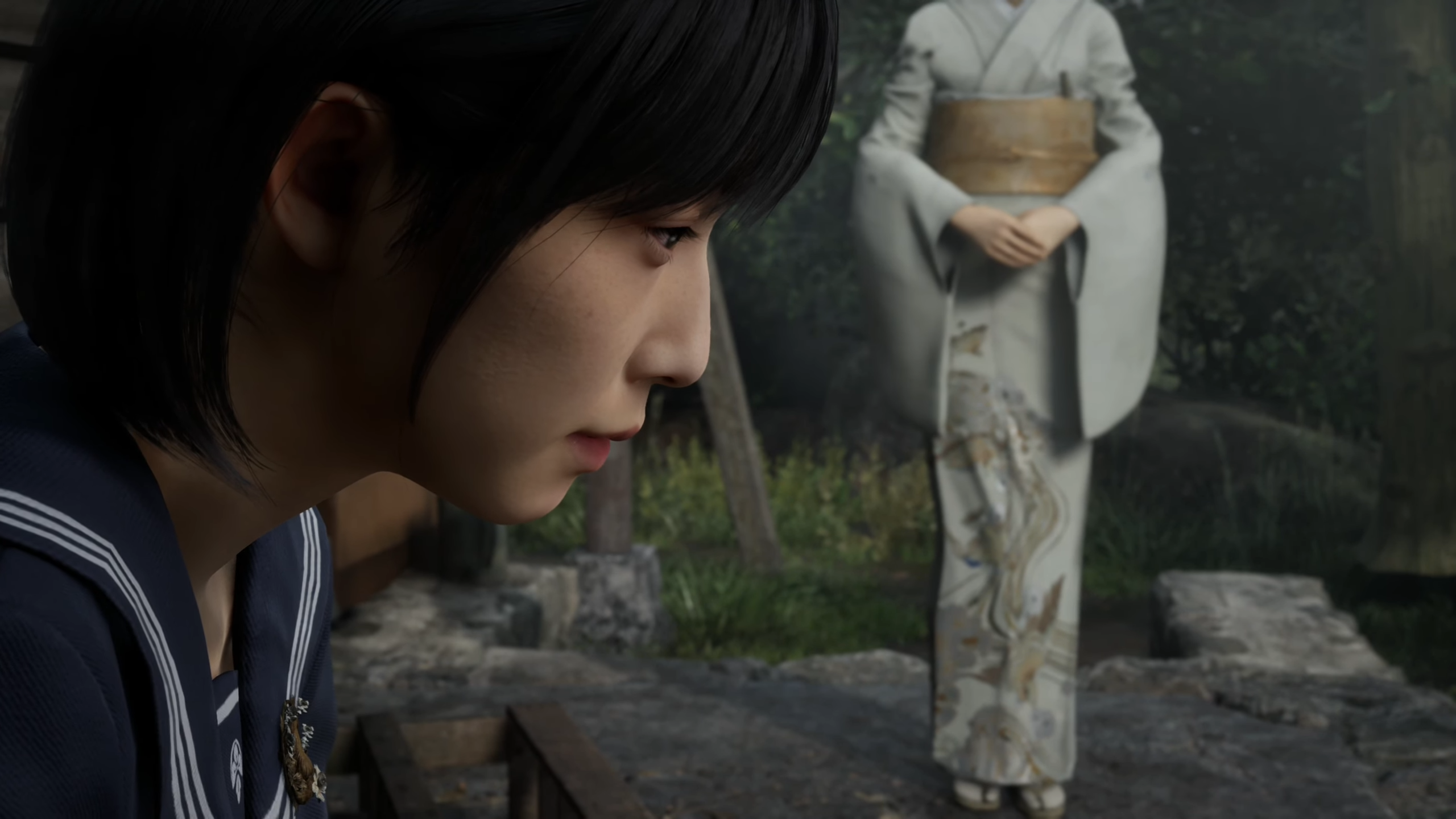
Silent Hill f divides difficulty into separate combat and puzzle modes, offering nuanced challenge levels tailored to different player preferences.
What to know
- Silent Hill f has distinct difficulty settings for combat (Action) and puzzles.
- Combat difficulties include Story (easier), Hard (default harder), and Lost in the Fog (hardest, unlocked after first completion).
- Puzzle difficulties are Story (simplest clues), Hard (default with moderate challenge), and Lost in the Fog (very complex with minimal hints).
- Players can mix and match combat and puzzle difficulties independently for a tailored experience.
Silent Hill ƒ doesn’t follow the usual “one-size-fits-all” difficulty setup. Instead, it splits the experience into two categories: combat and puzzles. This separation means you can mix and match how challenging you want the action and brain teasers to be, which makes a big difference in how the game feels.
Differences in combat difficulty

Combat difficulty in Silent Hill f has three tiers: Story, Hard, and Lost in the Fog.
The Story mode is designed for players wanting a classic Silent Hill experience with easier combat. It features more forgiving mechanics such as free health and sanity recovery at shrines, no max sanity loss when attacked during Focus mode, and more available resources.
Hard mode increases enemy damage, reduces resources, and requires players to manage faith consumables for shrine recovery. Max sanity can drop when attacked, making survival more tense.
Lost in the Fog, unlocked after one game completion, intensifies these Hard mode conditions further, making combat the toughest.

Puzzle difficulty levels

Puzzle difficulty has three preset levels available from the start: Story, Hard, and Lost in the Fog.
Story mode offers simpler, more straightforward clues and fewer steps to solve puzzles, ideal for newcomers or players focused on narrative.
Hard mode presents puzzles with vaguer hints and moderate complexity typical of classic Silent Hill games, representing the default challenge level.
Lost in the Fog is the most difficult, with minimal or no hints and often significantly altered or multi-step puzzle solutions that rely heavily on journal notes and careful reasoning, best suited for veterans or repeat players.

How combat and puzzle difficulty interact
The choice of combat and puzzle difficulty can be mixed independently, providing a customizable gameplay experience. For example, one can play with Story difficulty combat for easier survival and Hard puzzle difficulty for a traditional Silent Hill challenge.

Alternatively, Lost in the Fog puzzles combined with Story combat let players focus on intricate puzzles without the pressure of punishing enemies. This flexibility allows players to tailor their experience according to their strengths and preferences.
Summary table of difficulty options
| Difficulty Type | Setting | Impact on Gameplay | Availability |
|---|---|---|---|
| Combat (Action) | Story | Easier combat, free shrine healing, no max sanity loss | Available from start |
| Combat (Action) | Hard | More damage from enemies, resource scarcity, sanity can drop | Available from start |
| Combat (Action) | Lost in the Fog | Even tougher Hard mode conditions | Unlock after first completion |
| Puzzle | Story | Simple hints, fewer puzzle steps | Available from start |
| Puzzle | Hard | Vague hints, moderate puzzle complexity (default feel) | Available from start |
| Puzzle | Lost in the Fog | Minimal hints, complex altered puzzles | Available from start |
Combining modes and unlocks
- At the start, combat offers Story or Hard, while all three puzzle difficulties are available.
- Lost in the Fog combat unlocks only after finishing the game once.
- Trophies exist for completing specific modes, with some requiring Lost in the Fog for both combat and puzzles.
Can you change difficulty after starting a game in Silent Hill f
For Combat (Action), yes, the difficulty can be lowered after starting the game, but only if a player dies repeatedly in the same combat encounter (about four to five times consecutively). The game will present an in-game prompt on the Game Over screen offering the option to drop the combat difficulty. Confirming this prompt weakens enemies, increases available resources, and makes sanity mechanics more forgiving, allowing continued play without restarting.
Combat difficulty cannot be increased mid-game, nor can players toggle difficulty freely through a menu during a run.
Puzzle difficulty settings, on the other hand, are permanent for the duration of a playthrough. Once the player selects a puzzle difficulty at the start of the game (Story, Hard, or Lost in the Fog), it cannot be changed during that run. Players must start a new game to select a different puzzle difficulty.
Recommended first playthrough setup
| Play style | Combat | Puzzle | Why it works |
|---|---|---|---|
| Focus on story and atmosphere | Story | Hard | Keeps fights manageable while maintaining puzzle challenge |
| Action-focused players | Hard | Hard | A challenging, tense experience in both areas |
| Casual or new to Silent Hill | Story | Story | Reduces pressure for a relaxed playthrough |
| Challenge runners (replays) | Lost in the Fog | Lost in the Fog | Maximum difficulty across both systems |
Silent Hill f’s split difficulty system emphasizes both combat survival and puzzle solving, letting players fine-tune the experience to their liking. By choosing different combinations of combat and puzzle difficulties, players can balance fear, challenge, and narrative immersion. Whether it’s an easier first run or a punishing New Game+, the options allow for a personalized, intense psychological horror journey.