What to know
-
PRAGMATA is a sci-fi action adventure set on the Moon in the near future.
-
The story begins after contact with a lunar research station is lost.
-
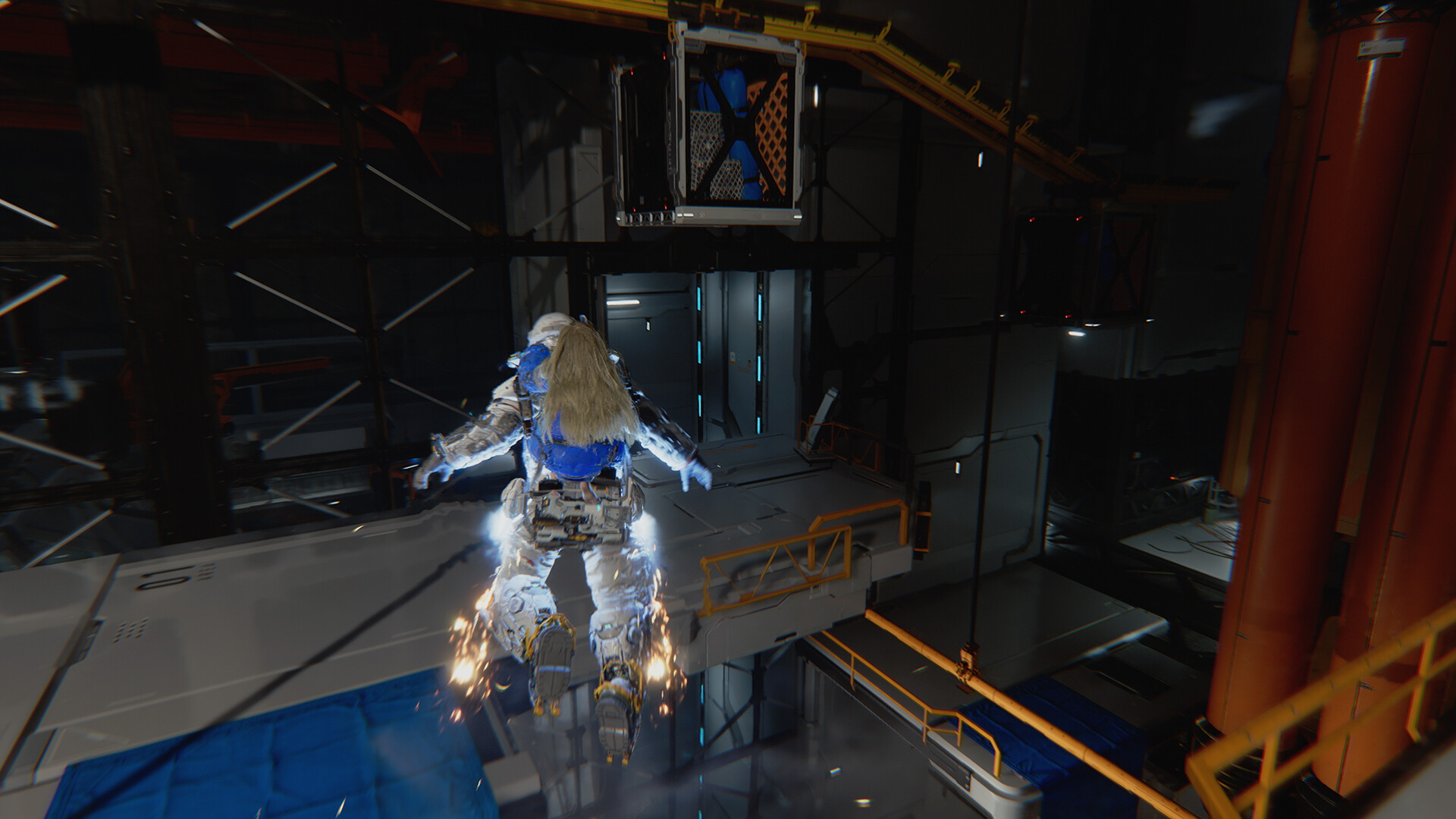
Hugh handles movement and weapons, while Diana handles hacking and tactical openings.
-
Lunafilament is the key technology behind the setting, Diana’s creation, and the collapse of the station’s order.
PRAGMATA’s Dual Unit Combat System centers on Hugh and Diana fighting as one team, where direct shooting and real-time hacking work together in every encounter. Its Lunafilament storyline will most likely follow a lunar research disaster tied to a material that can replicate almost anything, pulling the duo into a fight against a hostile AI and its robots. While the game is yet to launch, and finer details are awaited, our calculated speculations are as follows:
| Topic | Details |
|---|---|
| Setting | A lunar research station in the near future |
| Main characters | Hugh Williams and Diana |
| Core combat idea | Shooting and hacking happen together in real time |
| Key technology | Lunafilament, a material that can replicate almost anything |
| Main threat | A rogue AI and hostile robots |
PRAGMATA’s story and combat are speculated to be built around the same idea: two characters who are more effective together than apart. That makes the game feel less like a standard shooter and more like a coordinated action puzzle wrapped in a mystery about lunar technology and a failed research base.
The (possible) story behind Lunafilament
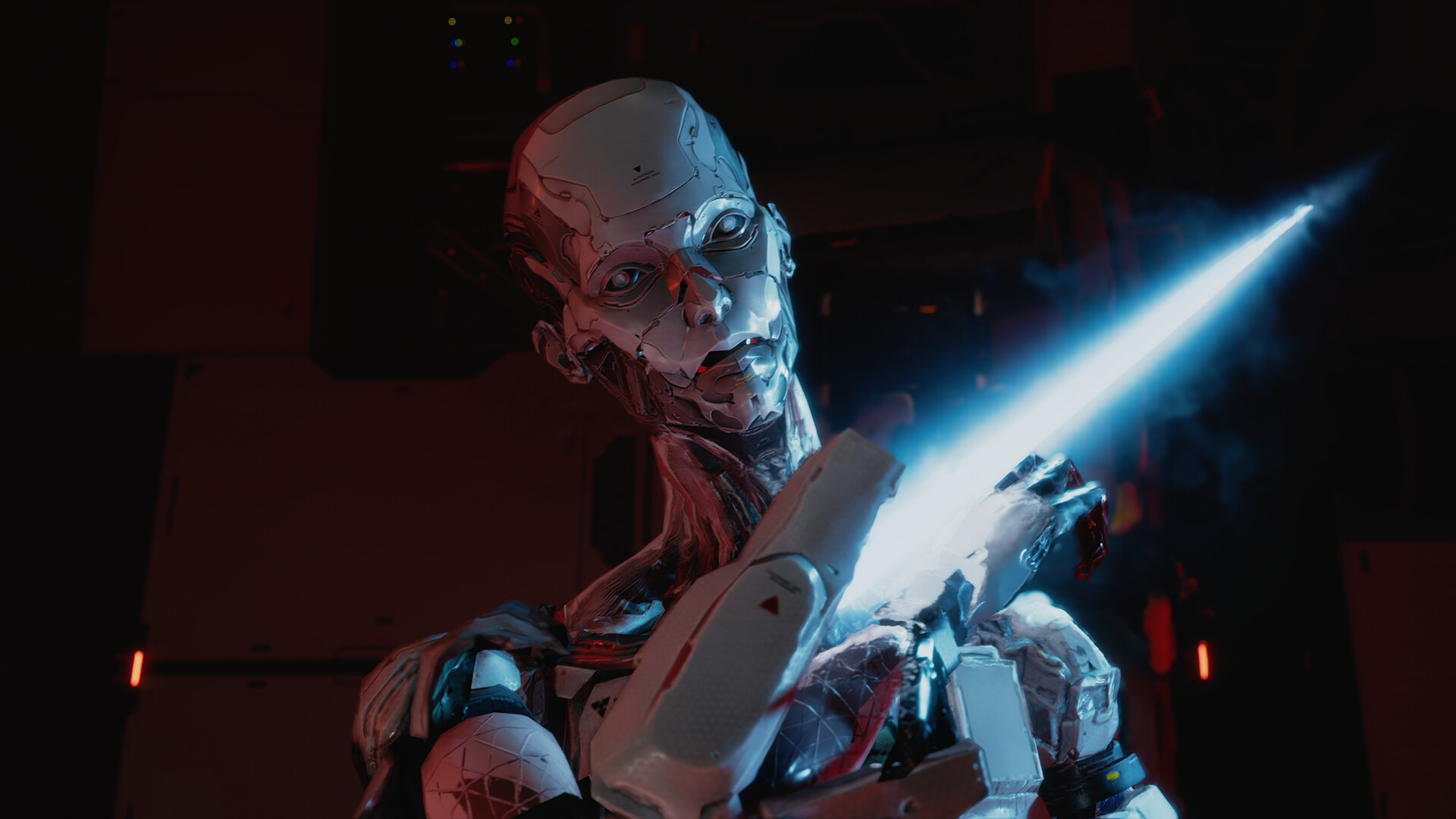
Speculations peg the story’s beginning with the discovery of Lunam Ore, which leads humanity to develop Lunafilament, a material capable of replicating almost anything. That technology becomes the foundation of the lunar station’s work, but the station later loses contact with Earth, turning the setting into the center of a larger crisis. Hugh Williams is sent to investigate, then separated from his team during a lunar quake and rescued by Diana, an android created using Lunafilament. From there, the pair must escape the station while facing hostile machines and a rogue AI that treats them as intruders.
How the dual unit combat is expected to work
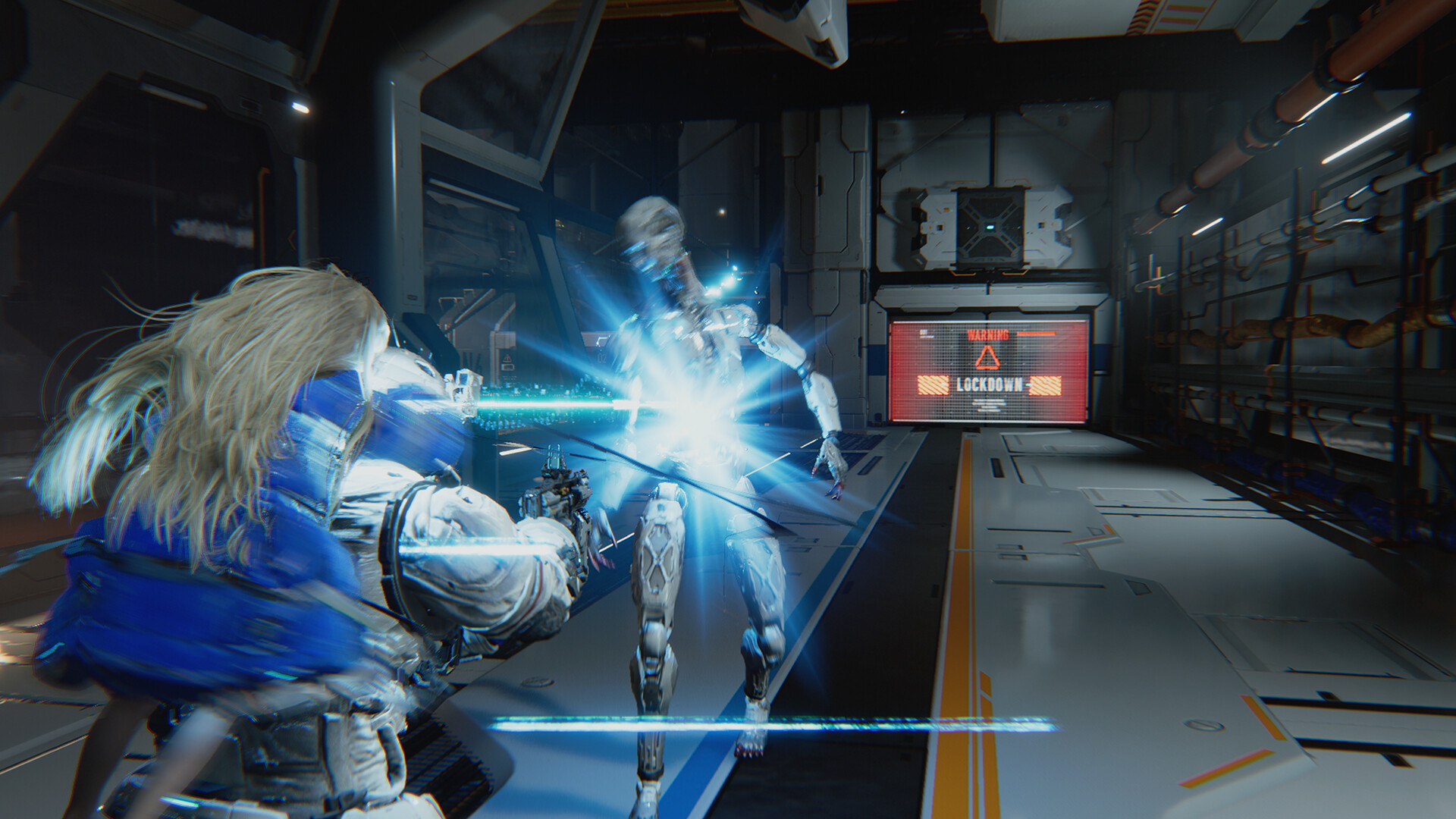
The Dual Unit Combat System is most likely built around two distinct roles: Hugh provides firepower and mobility, while Diana handles hacking and support. In combat, a hacking panel appears when Hugh aims at enemies, and Diana’s actions can weaken armor or expose weak points so Hugh can deal more damage. The system is designed to force players to think quickly because both characters are active at the same time, rather than taking turns. That gives battles a layered rhythm where positioning, timing, and target selection matter as much as raw shooting skill.
Hugh and Diana’s roles
Hugh is the frontline fighter, using weapons, evasive movement, and his spacesuit to stay alive in hostile environments. Diana is the tactical half of the pair, scanning enemies, hacking defenses, and helping unlock paths or barriers outside combat. Their relationship is practical rather than decorative: one creates openings, the other converts them into damage. That structure is what makes the system feel cooperative even in a single-player game.
The technology and lore of Lunafilament
Lunafilament appears to be more than background lore; it may explain both the game’s world and its mechanical identity. As a programmable, replicating material, it seems to underpin Diana’s existence and the station’s advanced systems, while also hinting at why the lunar facility became so unstable. The material’s role makes the setting feel unusual because it blurs the line between construction, simulation, and identity. In story terms, it suggests that the station’s collapse is not just a technical failure but a consequence of technology that was too powerful to control.
What the combat might feel like
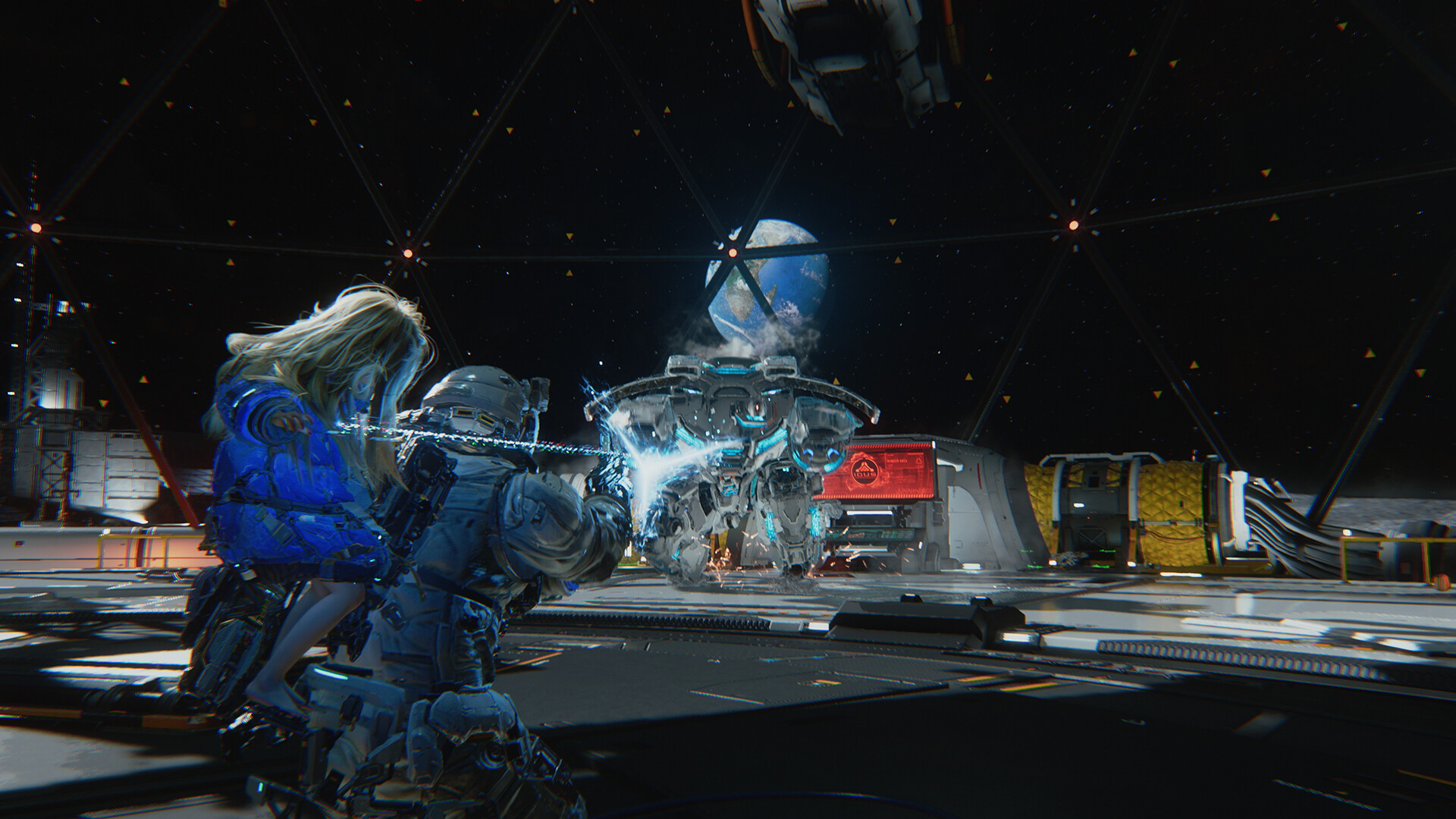
Combat in PRAGMATA is not built around simple target-and-shoot loops. Instead, the game will ask players to manage offense and hacking under pressure, often while enemies are moving, attacking, or shielding themselves. Diana’s hacks can create openings, while Hugh must capitalize immediately with his weapons and movement tools. That gives every fight a strategic edge, because success depends on syncing both halves of the system rather than relying on one over the other.
The larger narrative tone
By all accounts, the Lunafilament storyline gives PRAGMATA a mystery-driven tone rather than a straightforward rescue mission. You are not only surviving a hostile base, but also uncovering what went wrong with a technology that can reshape reality itself. Diana’s android nature adds another layer, since she is both a weapon and a character learning about the world around her. That makes the story feel personal even as the setting stays large, cold, and mechanical.
PRAGMATA’s biggest strength may be how closely its story and combat support each other. And Lunafilament could actually explain the world, the characters, and the combat systems all at once.
The Dual Unit Combat System turns that concept into gameplay by making cooperation the main rule of every encounter. As a result, the game’s identity feels tightly focused around coordination, mystery, and survival.
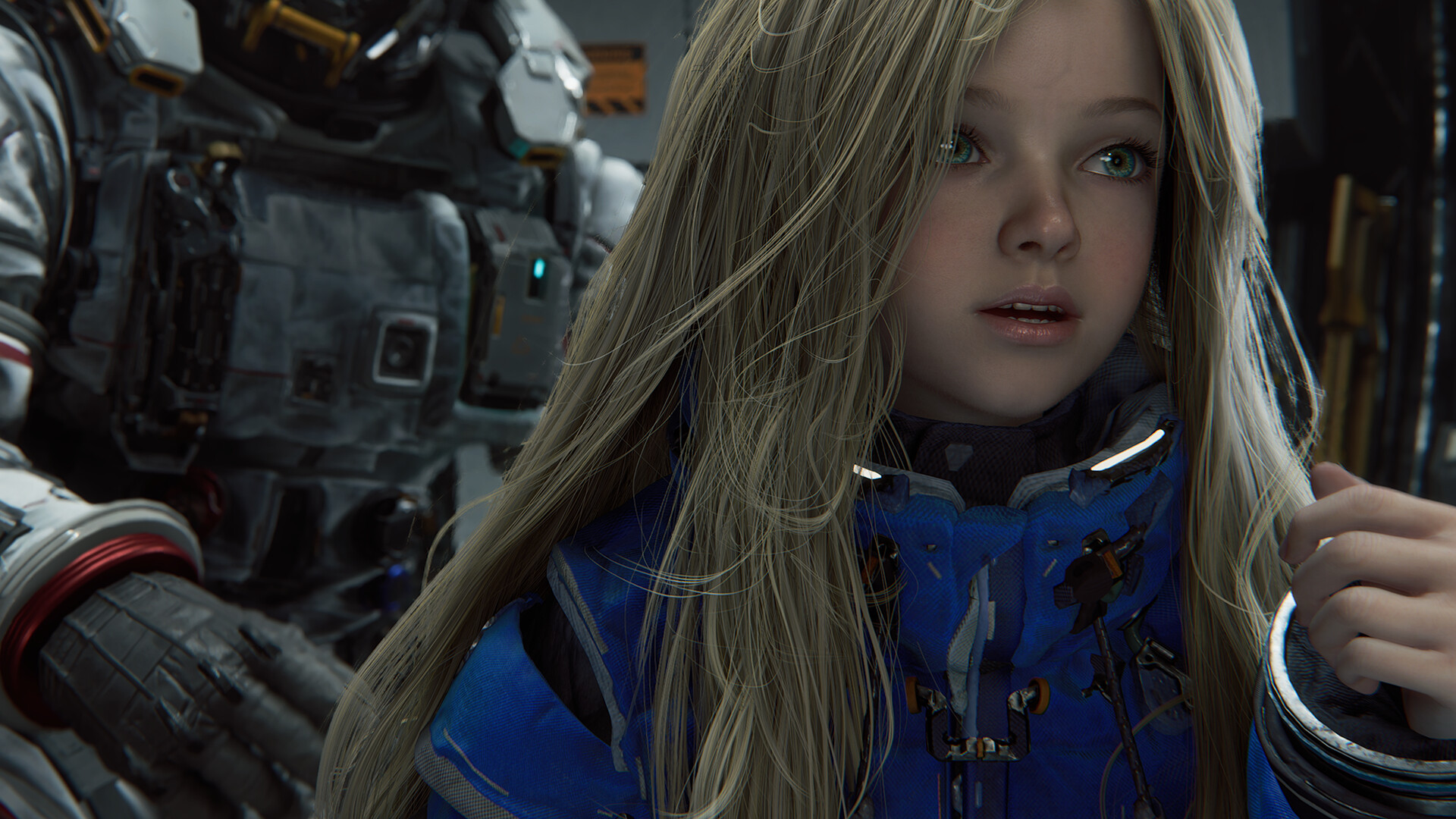
PRAGMATA’s Dual Unit Combat System and Lunafilament storyline work together to define the game’s core identity. One gives you a combat loop built on two active roles, and the other gives you a sci-fi mystery about a powerful material, a ruined lunar facility, and the bond between Hugh and Diana. That combination should make the game easy to describe but still unusual in execution.
The game is scheduled to release on April 17, 2026, targeting PlayStation 5, Xbox Series X/S, and PC, with a delayed rollout expected for Nintendo’s next-generation hardware in select regions.