- What to know
- Quick overview of Pokemon Pokopia housing limits
- Why larger houses are the most efficient choice
- How custom homes completely change the system
- The real bottleneck: construction time
- How to unlock faster building with Tinkatink
- Balancing efficiency and creativity across your islands
- Rewards and benefits of optimized housing in Pokopia
What to know
- Pokopia limits prefab housing with a total value cap of 40 per map
- Higher-tier houses consume more value but hold more Pokémon
- Custom-built homes bypass prefab housing limits entirely
- Unlocking Tinkatink drastically speeds up construction times
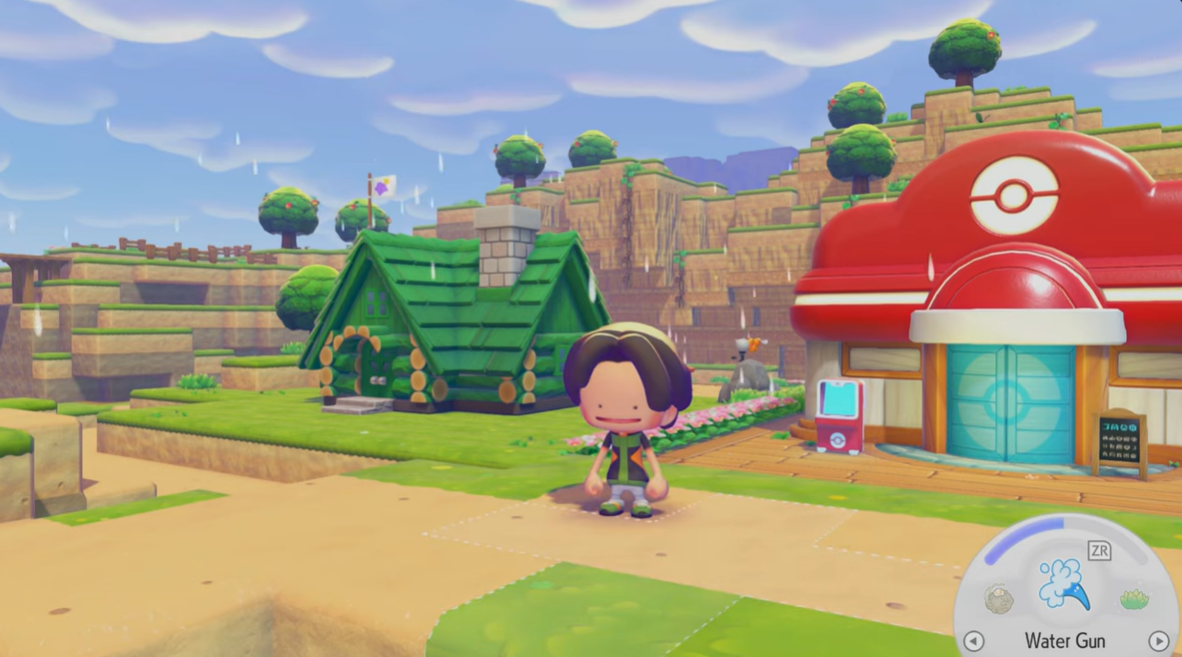
If you’ve been collecting Pokémon across Pokopia’s islands, you’ll quickly run into one of the game’s most important systems—housing limits. While the game encourages exploration and collection, it also introduces constraints that force you to think strategically about space, efficiency, and progression. Understanding how these limits work is the key to building a thriving island ecosystem without hitting frustrating bottlenecks.
Quick overview of Pokemon Pokopia housing limits
At the core of Pokopia’s housing system is a value-based limit rather than a strict house count. This means that instead of simply restricting the number of buildings you can place, the game assigns each prefab house a value score, and your total must stay within 40.
| Feature | Details |
|---|---|
| Total prefab housing value cap | 40 per map |
| Tier 1 & 2 house value | 1 each |
| Tier 3 & 4 house value | 2 each |
| Maximum Pokémon capacity (prefab) | Up to 80 Pokémon |
| Custom homes count toward cap? | No |
| Construction time reduction unlock | Tinkatink (Sparkling Skylands) |
Smaller houses (Tier 1 and Tier 2) are lightweight in terms of value, costing just 1 each. Meanwhile, larger houses (Tier 3 and Tier 4) take up more of your allowance, costing 2 value points per structure. This creates a natural trade-off where you must balance quantity versus capacity.
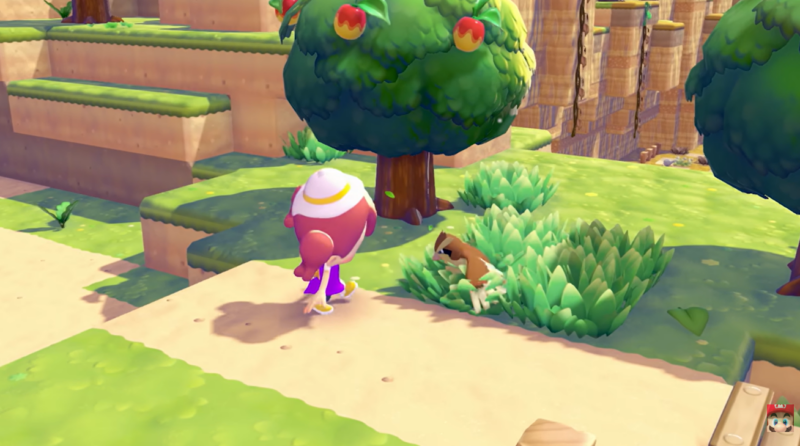
Because of this system, you’re not just building randomly—you’re essentially solving a space optimization puzzle every time you expand your island.
Why larger houses are the most efficient choice
If your goal is to maximize the number of Pokémon you can house, larger prefab houses are clearly the better option. Since they hold more Pokémon while only costing double the value of smaller ones, they offer better capacity per value ratio.
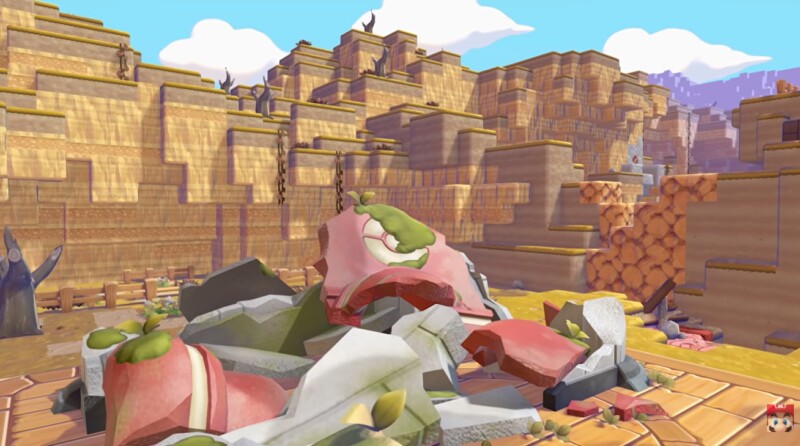
By fully committing to higher-tier houses, you can build 20 large prefab houses (each worth 2 value) and hit the cap of 40. This setup allows you to house up to 80 Pokémon, which is currently the most efficient prefab-based configuration.
This makes large houses the optimal choice for late-game players, especially if you’re focused on completing your collection or maintaining a diverse roster.
How custom homes completely change the system
One of the most important mechanics that many players overlook is that custom-built homes are not restricted by the prefab housing value limit. This includes block houses, modular builds, and any player-designed structures.
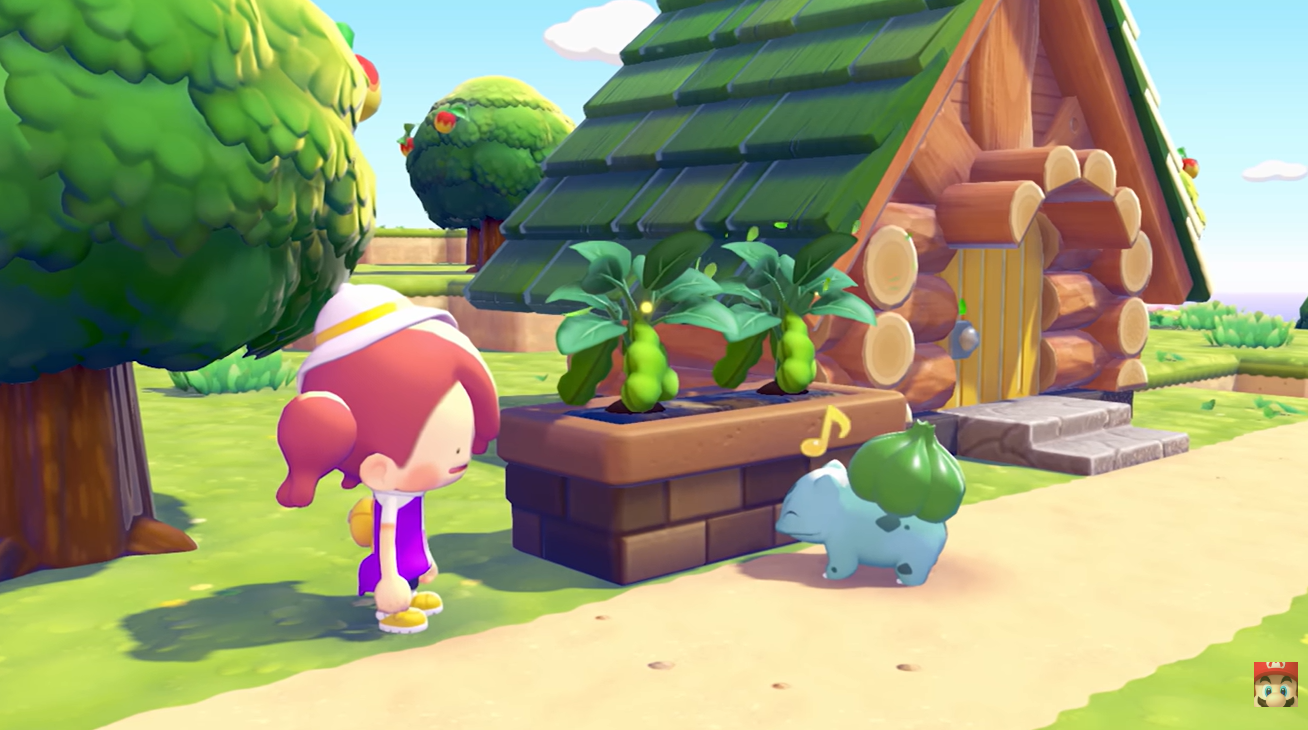
This effectively opens up a second layer of housing strategy where you can bypass the cap entirely by building creatively.
Instead of relying only on prefab houses, you can:
- Expand your housing capacity indefinitely
- Design layouts tailored to specific Pokémon types
- Combine aesthetics with functionality
This system rewards creativity just as much as efficiency, making custom building one of the most powerful tools in Pokopia.
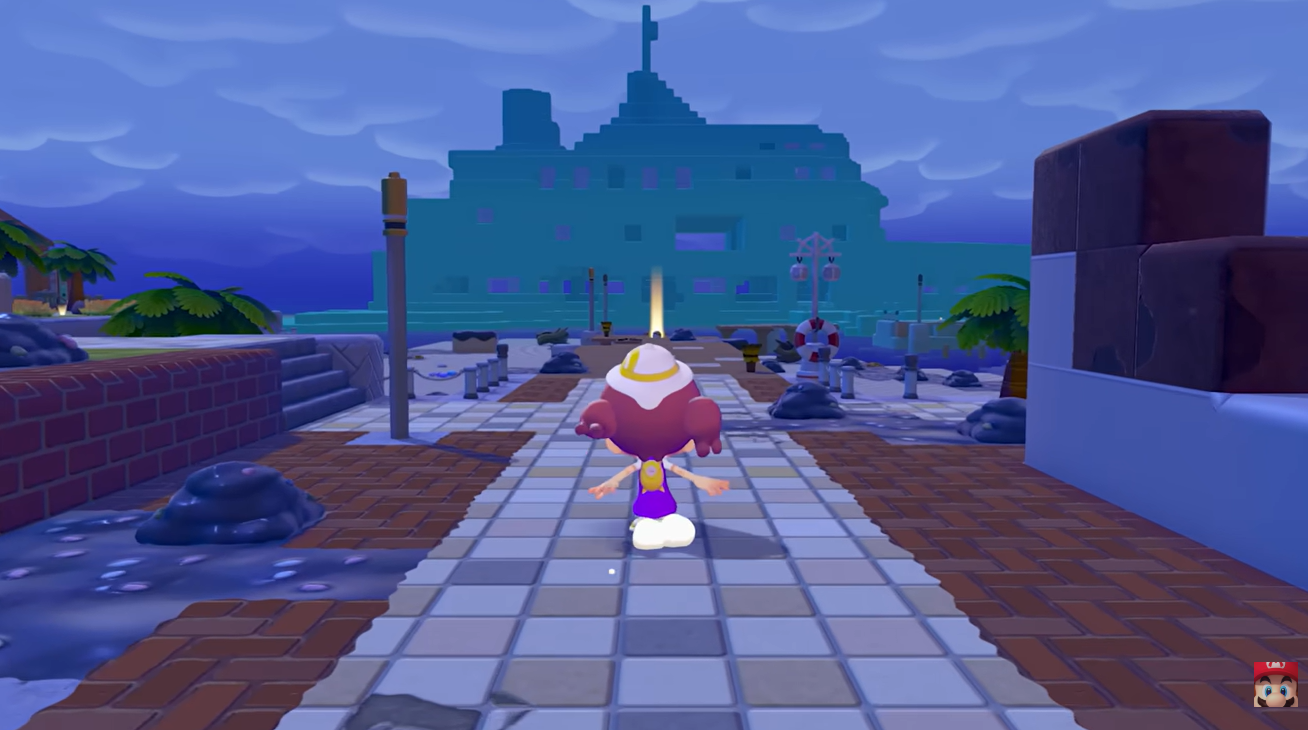
The real bottleneck: construction time
While housing limits are one challenge, build time becomes another major constraint, especially when working with high-tier houses. Early in the game, construction can feel painfully slow, with:
- Small houses taking around 15 minutes
- Large houses taking several hours or even days
This can significantly slow down your progress if you’re trying to redesign or optimize your island.
How to unlock faster building with Tinkatink
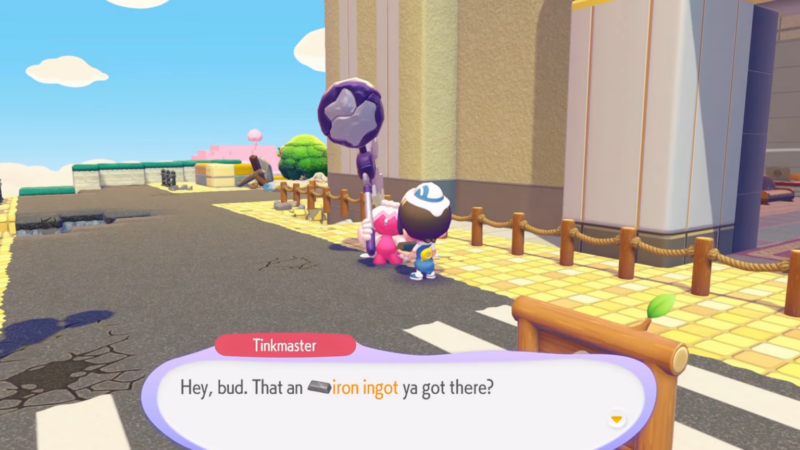
The game introduces a major quality-of-life improvement once you reach the Sparkling Skylands. Here, you can recruit Tinkatink, a helper that dramatically reduces construction and demolition times.
Step 1
Progress through the main story until you reach Sparkling Skylands, a later-game region that unlocks advanced features.
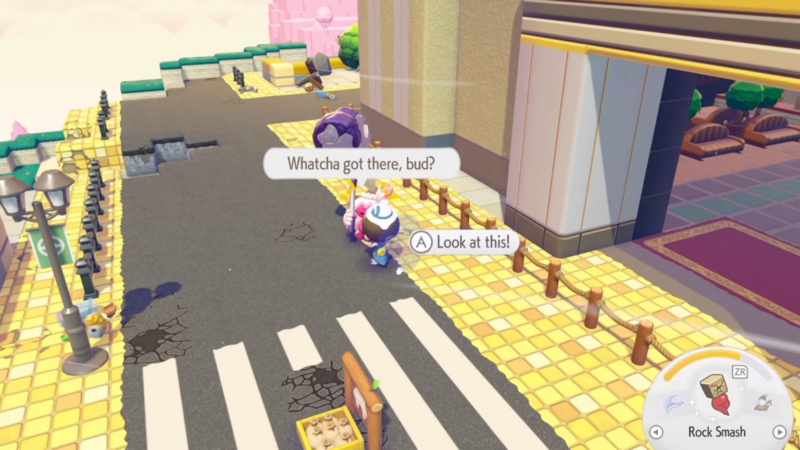
Step 2
Locate and recruit Tinkatink, who becomes available as part of your progression in this area.
Step 3
Once recruited, enjoy significantly reduced build times:
- Small houses drop from 15 minutes to just 5 minutes
- Large houses shrink from days to around 1 hour
Step 4
Use this advantage to experiment freely with layouts, rebuild inefficient setups, and scale your housing faster than ever.
Balancing efficiency and creativity across your islands
As you expand across multiple islands, you’ll start to realize that housing isn’t just about numbers—it’s about planning ecosystems. Each island can serve a different purpose depending on how you allocate your housing.
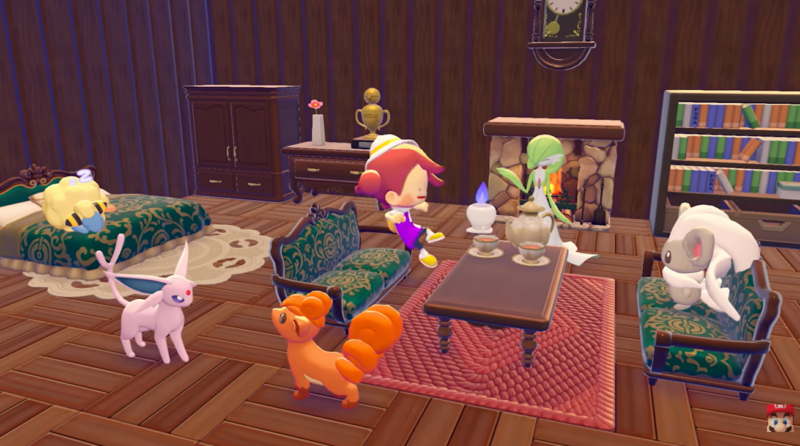
You might choose to:
- Focus one island on maximum capacity using large prefab houses
- Dedicate another to custom builds and aesthetic designs
- Use a third as a hybrid space combining both systems
This flexibility is what makes Pokopia’s housing system engaging rather than restrictive. Even with limits, the game gives you tools to work around them intelligently.
Rewards and benefits of optimized housing in Pokopia
Understanding Pokopia’s housing system isn’t just about avoiding limits—it’s about learning how to work with them to your advantage. Once you grasp how the value cap works and start integrating custom builds into your strategy, the system opens up in a surprisingly flexible way.
| Optimization Strategy | Benefit |
|---|---|
| Using large prefab houses | Maximum Pokémon capacity (up to 80) |
| Building custom homes | Unlimited expansion potential |
| Unlocking Tinkeratink | Faster building and redesign |
| Efficient island planning | Better Pokémon organization and accessibility |
If you approach housing with a mix of efficiency, creativity, and long-term planning, you’ll never feel restricted—even with a cap in place. Instead, you’ll find yourself designing smarter, expanding faster, and making the most out of every island you control.