- What to know
- Quick overview of the Pokopia Dev Island feature
- How visiting the official Dev Island lets you copy rare items
- How habitat stacking allows more Pokémon in less space
- Using environmental props to control habitat conditions
- Thematic building examples across the Dev Island
- How the Dev Island acts as a design inspiration hub
What to know
- The official Pokopia Dev Island can be visited using the code PXQC G03S.
- You can copy rare items and berry trees by photographing them and 3D printing them later.
- The island demonstrates advanced habitat stacking and creative building techniques.
- Many themed areas, including Eeveelution homes and special environment builds, serve as design inspiration.
Pokémon Pokopia’s Dev Island is one of the most valuable resources available to players looking to expand their island creatively and efficiently. Rather than just being a showcase of developer creations, the island also acts as a practical hub where you can observe advanced habitat layouts, discover rare items, and even duplicate certain objects for your own builds. If you are trying to design a more efficient island or collect rare decorative items that are otherwise difficult to obtain, spending time exploring the Dev Island can significantly improve your gameplay.
Quick overview of the Pokopia Dev Island feature
| Feature | Details |
|---|---|
| Dev Island Code | PXQC G03S |
| Main Benefit | Access to rare items and advanced building designs |
| Item Duplication Method | Photograph items with camera mode and 3D print them |
| Design Inspiration | Habitat stacking, themed zones, environmental layouts |
| Notable Displays | Eeveelution homes, gym setups, libraries, themed habitats |
| Gameplay Advantage | Easier access to rare decorative objects and berry trees |
How visiting the official Dev Island lets you copy rare items
One of the most surprising features discovered by players is that the Pokopia Dev Island allows you to duplicate rare objects through the game’s camera and 3D printing systems. This technique works because Pokopia allows photographed items to be recreated through the 3D printer once they are recorded in your catalog.
Step 1
Travel to the Dev Island by entering the island code PXQC G03S in the island visiting menu.
Step 2
Once you arrive, begin exploring the island carefully. The developers have placed a wide variety of rare decorative items, environmental props, and berry trees across the map.
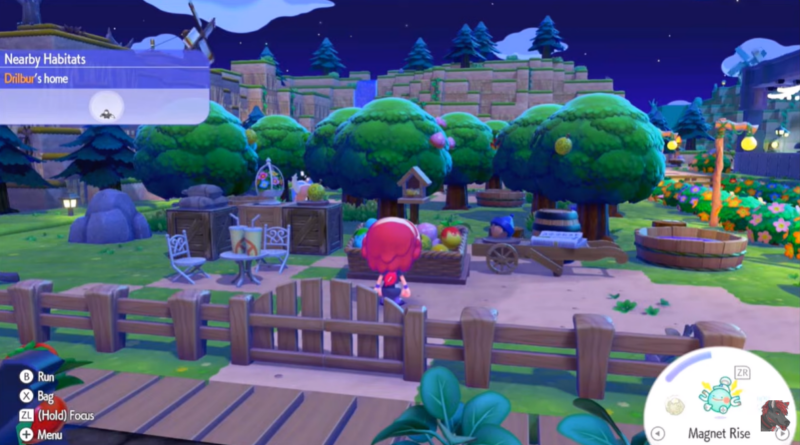
Step 3
Activate the camera mode and take clear photographs of any rare item or berry tree you want to recreate later.
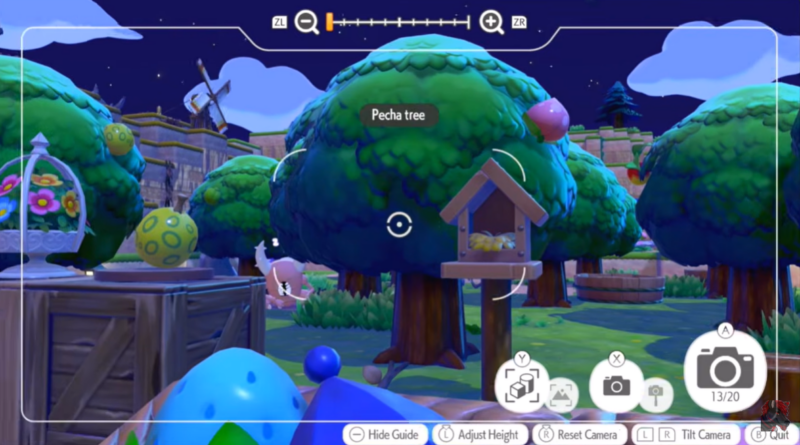
Step 4
After photographing the object, return to your own island and access the 3D printer system.
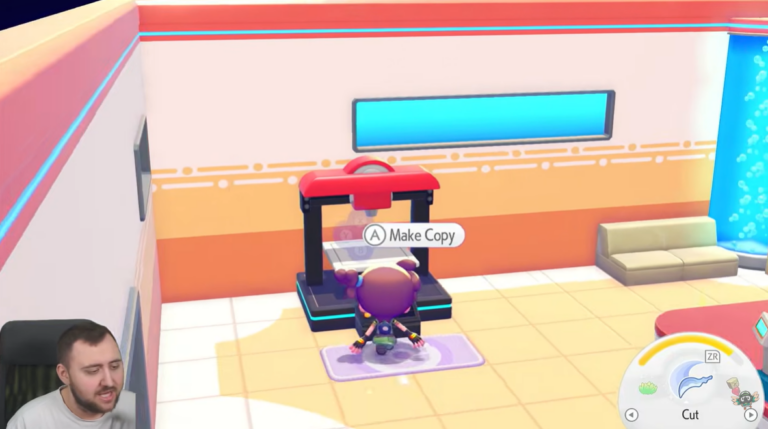
Step 5
Select the photographed item from your available blueprints and print it to place it on your island.
Through this method, players can effectively duplicate rare objects that might otherwise be difficult or time-consuming to acquire. Berry trees in particular become much easier to collect using this technique.
How habitat stacking allows more Pokémon in less space
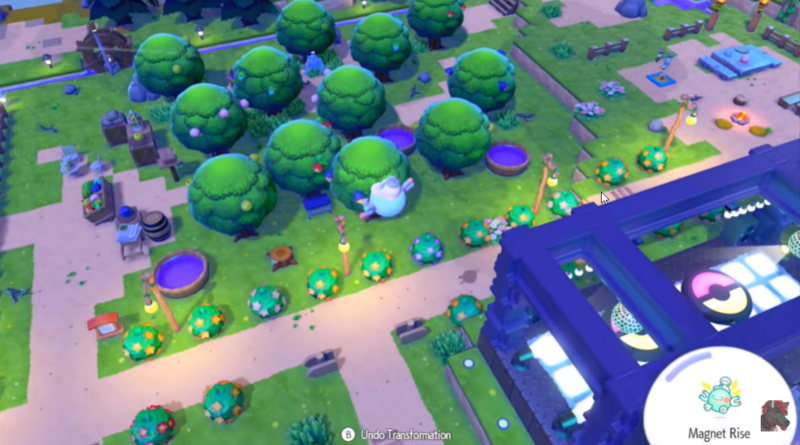
Another major lesson from the Dev Island is the way developers build habitats more efficiently. Many players initially create one habitat building per group of Pokémon, but the Dev Island demonstrates that layering habitats vertically and combining compatible environments can house multiple Pokémon species within a single complex layout.
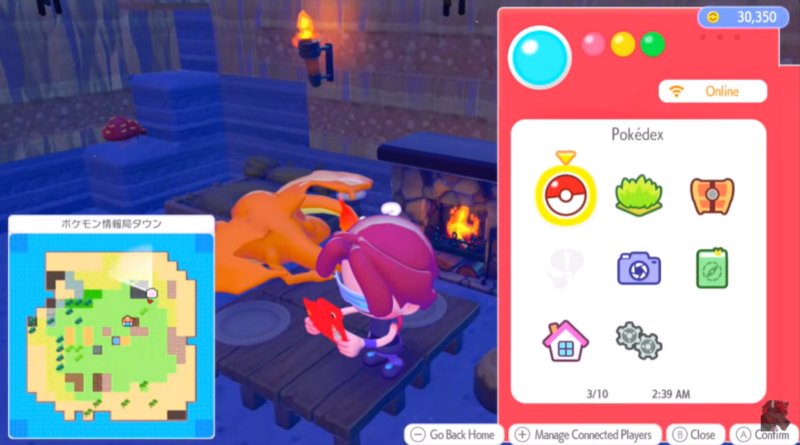
Instead of spreading buildings across the island, the developers often combine habitats into stacked structures. This technique saves space and allows you to maintain large populations of Pokémon while still keeping your island organized.
The layouts show how environmental elements such as terrain blocks, decorative props, and habitat markers can be combined to support multiple Pokémon simultaneously. This approach is especially useful for players trying to maximize Pokémon density without overcrowding their island.
Using environmental props to control habitat conditions
The Dev Island also highlights creative ways to build specific environments required for different Pokémon. Rather than relying only on basic terrain, the developers frequently use props and environmental objects to adjust habitat conditions.
A great example is the use of smooth stone tiles to create dry biome areas. By strategically placing these tiles, players can create the correct environmental conditions required by certain Pokémon without having to redesign the entire terrain.
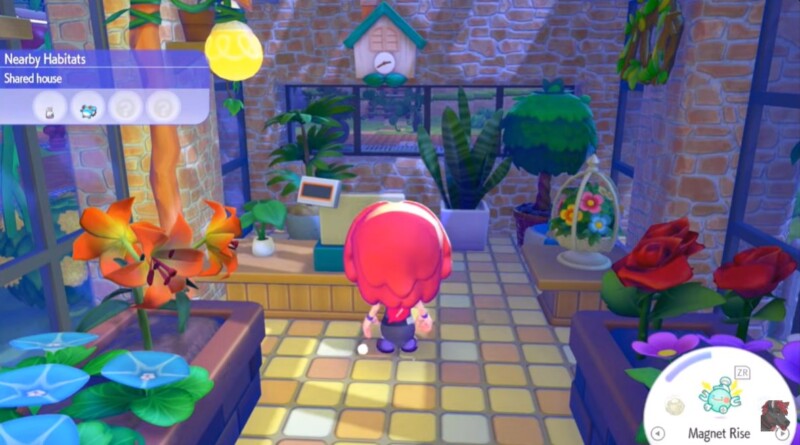
This technique demonstrates that environment control in Pokopia often comes down to smart item placement rather than large-scale terrain changes.
Thematic building examples across the Dev Island
Beyond mechanics and item duplication, the Dev Island serves as a massive showcase of creative architecture and themed builds. Each area is carefully designed to match the personality and habitat needs of specific Pokémon.
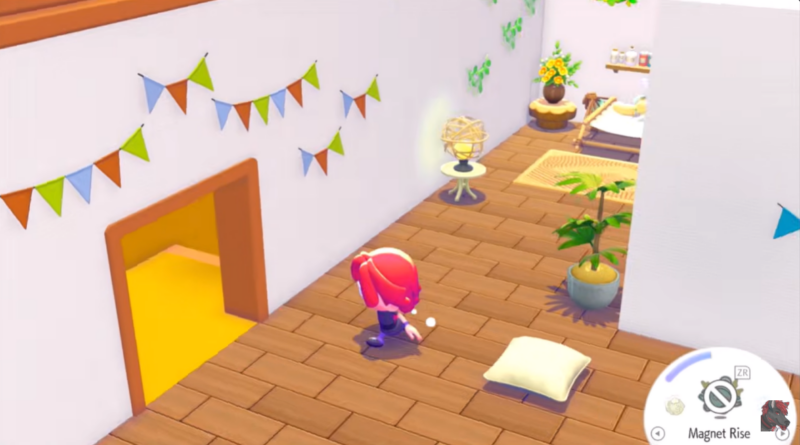
One standout example is the Vaporeon-themed area, which features aquatic design elements and carefully placed water features to reflect the Pokémon’s watery nature. Nearby sections highlight homes designed for Glaceon and Leafeon, each matching their elemental themes with unique terrain and decorative pieces.
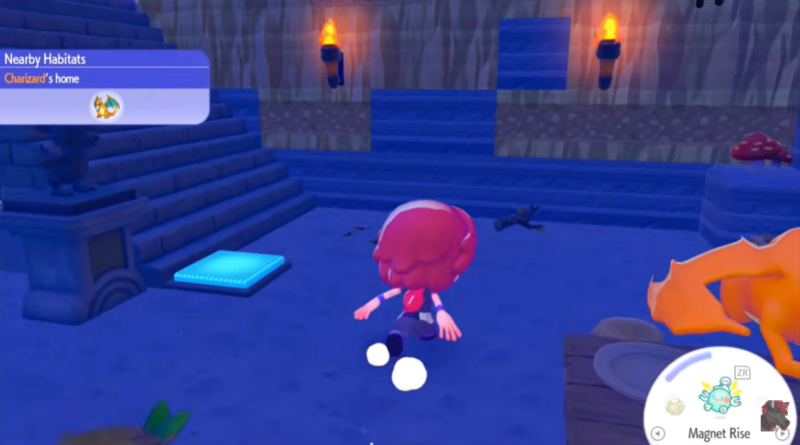
Another memorable area is a spooky mansion designed for Mimikyu, which uses darker environmental elements and atmospheric decoration to create a haunted aesthetic. The island also includes functional structures such as gyms and libraries, demonstrating how gameplay spaces can be integrated with decorative architecture.
These areas illustrate how Pokopia encourages players to blend gameplay functionality with creative storytelling through environment design.
How the Dev Island acts as a design inspiration hub
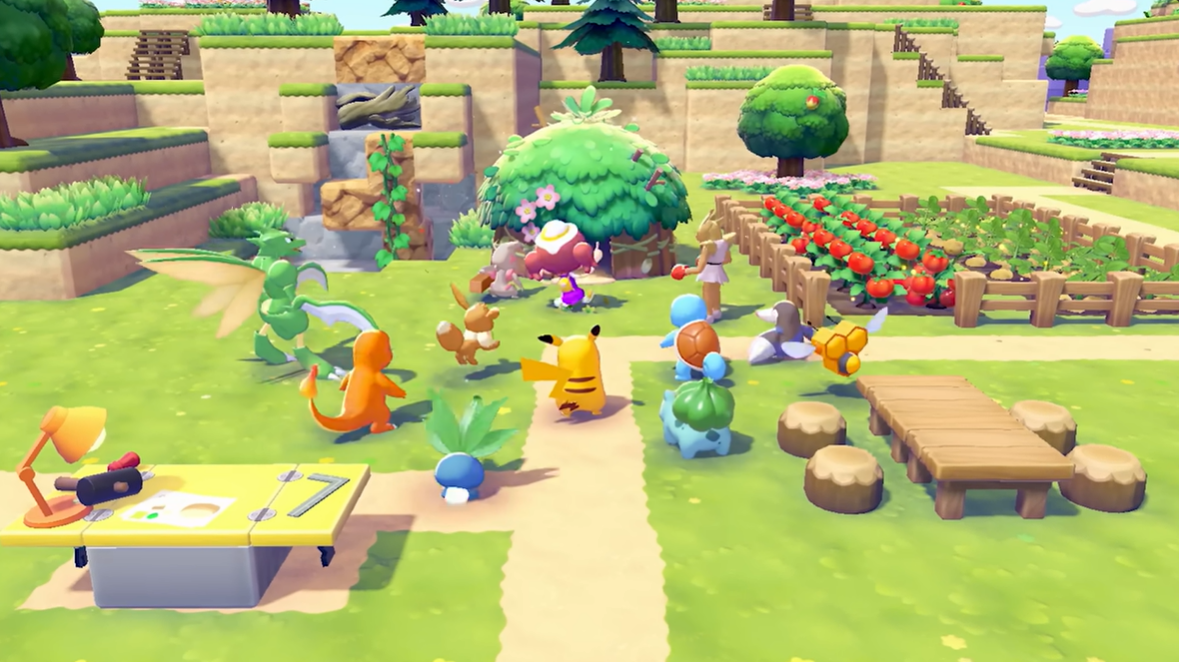
While the ability to duplicate items is extremely useful, the biggest long-term value of the Dev Island is the inspiration it provides. Walking through the developer layouts allows players to observe how different elements interact with one another.
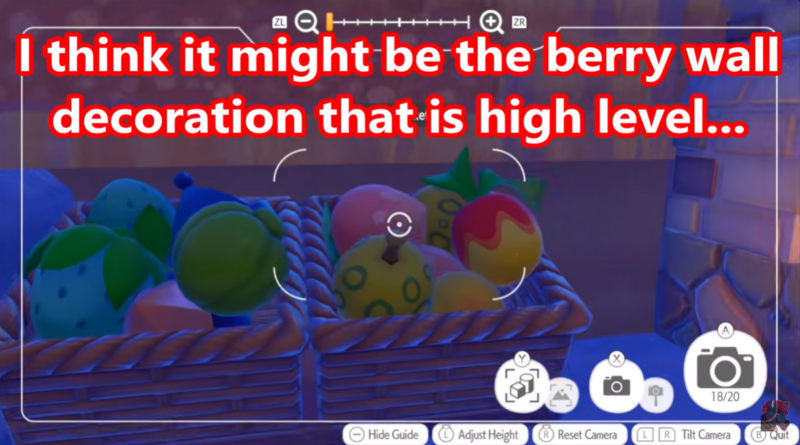
Players can learn how pathways guide movement across the island, how decorations enhance biome identity, and how different habitats can be layered to support multiple Pokémon. Many players use the Dev Island as a reference point when redesigning their own islands.
Because the island showcases high-level builds created by the developers themselves, it effectively acts as a masterclass in Pokopia island design.