What to know
- Wheat is found in the Rocky Ridges region once your Pokémon reach the “Great” rank requirement.
- The crop initially appears dry and unusable until you water it yourself.
- After improving the Rocky Ridges environment to level three, wheat becomes available for purchase in the shop.
- The shop price for wheat is 50 bones per bundle once unlocked.
Wheat is one of the early farming resources you will eventually need in Pokémon Pokopia, especially for crafting recipes and improving your island’s food production. While it might seem like a simple crop, many players overlook where it first appears or assume it must be purchased. In reality, the first wheat plants must be discovered in the Rocky Ridges biome and revived with water before they can be used or farmed regularly.
Understanding both ways of obtaining wheat—manual discovery and later shop access—makes gathering this resource much easier as you progress through the game.
| Feature | Details |
|---|---|
| Resource | Wheat |
| Primary Location | Rocky Ridges |
| Access Requirement | Pokémon Rank: Great |
| Initial State | Dry wheat plants requiring water |
| Alternative Method | Purchase from the shop |
| Shop Unlock Condition | Rocky Ridges Environment Level 3 |
| Shop Price | 50 Bones |
Location of Wheat in Pokémon Pokopia
Before wheat becomes available, you must first unlock the Rocky Ridges area, one of the later exploration zones in Pokopia. This area cannot be entered immediately. The game requires your Pokémon team to reach the “Great” rank level, which represents a higher level of progression and island development.
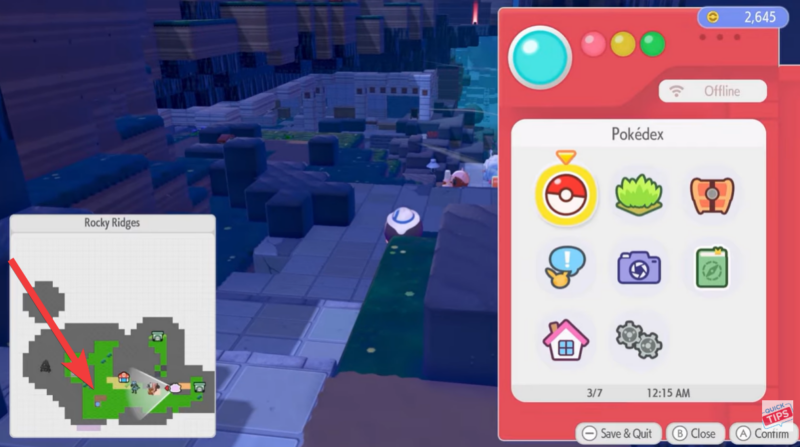
Once your Pokémon reach this rank, Rocky Ridges becomes accessible as a new biome. The area is visually distinct from the earlier regions, with rocky terrain, scattered vegetation, and patches of dry farmland. It is within this environment that the first wheat plants appear.
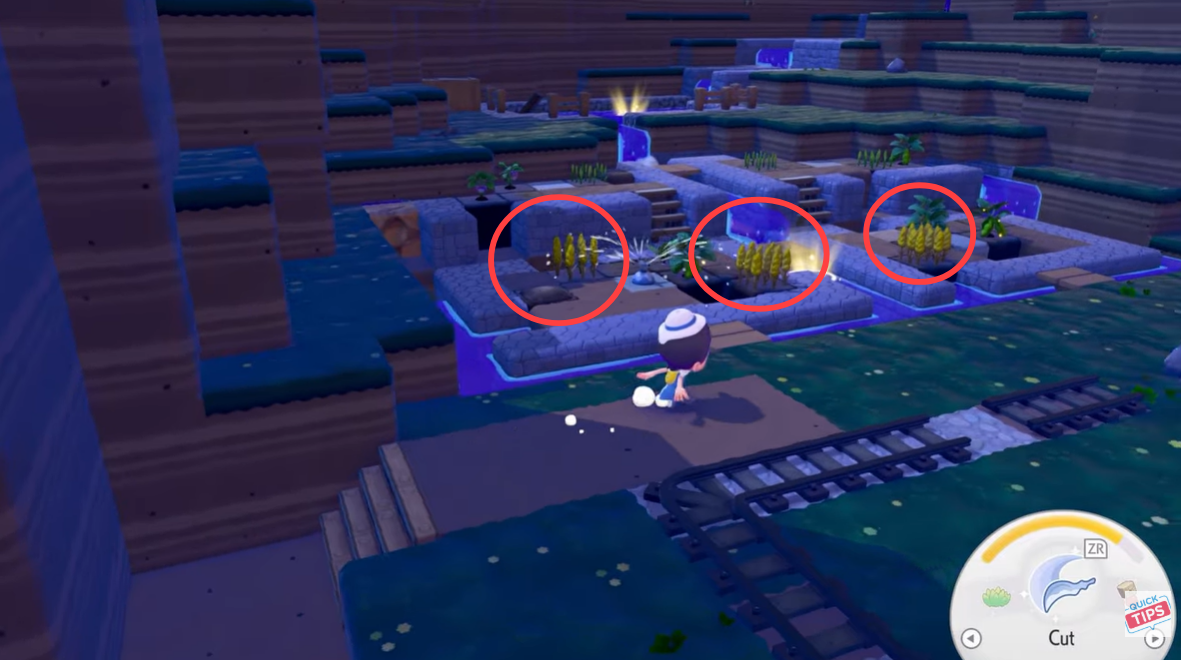
When you enter Rocky Ridges for the first time, the wheat is not immediately obvious as a usable crop. The plants exist, but they appear completely dry and inactive, which causes many players to assume they cannot be harvested. In reality, these plants are simply waiting to be revived with water.
Reviving dry Wheat with water
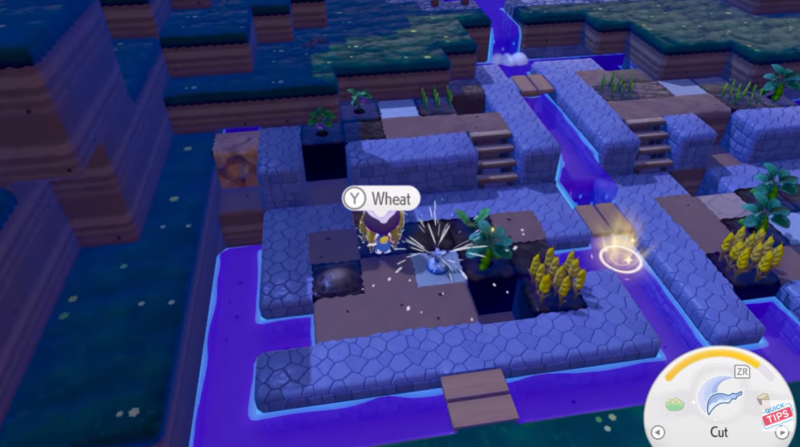
To actually obtain wheat from the plants, you must add water to the dry wheat patch. The plants will only become usable once they receive hydration. After watering them, the wheat begins to grow properly and can then be collected or used as a renewable crop.
The game encourages players to manipulate environmental elements, such as water sources, for farming and resource gathering. This same mechanic appears in other systems in Pokopia, such as moving water with certain Pokémon abilities.
Step 1
Travel to the Rocky Ridges biome after achieving the Great Pokémon rank requirement.
Step 2
From the entrance of the region, walk straight ahead into the terrain until you locate a small patch of wheat growing in the ground.
Step 3
Observe that the plants appear dry and inactive, which means they cannot yet produce harvestable wheat.
Step 4
Use a water source or water manipulation ability to hydrate the wheat plants.
Step 5
Once watered, the wheat becomes active and harvestable, allowing you to collect the crop.
This process introduces the farming system used throughout the game, where environmental interaction is required before certain resources can be gathered.
Unlocking Wheat in the shop through environment upgrades
While discovering wheat in Rocky Ridges is the first method of obtaining it, the game later introduces a more convenient option through the shop system.
Pokopia features environment levels for each region. These levels increase as you complete tasks, improve ecosystems, and progress through quests tied to that biome.
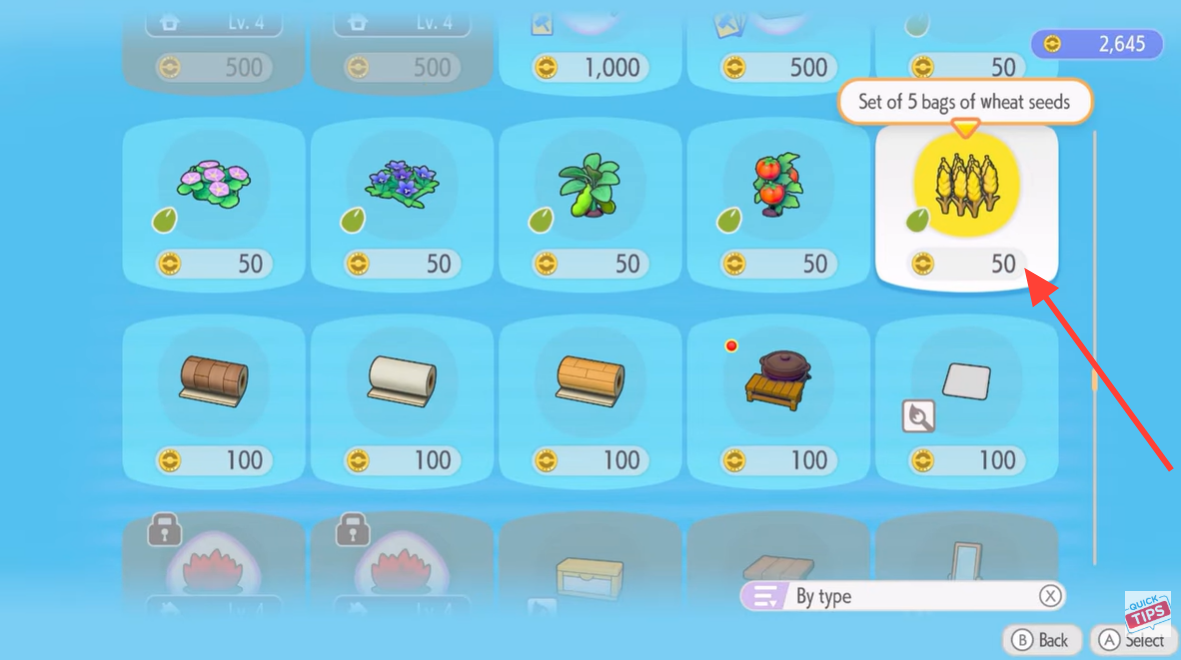
When the Rocky Ridges environment reaches level three, wheat becomes a permanently available shop item. At this point, you no longer need to travel to the crop patch or water plants every time you want wheat.
Instead, you can simply purchase it from the shop.
| Unlock Requirement | Result |
|---|---|
| Rocky Ridges Environment Level 3 | Wheat appears in shop inventory |
| Cost | 50 Bones per wheat bundle |
| Availability | Permanent once unlocked |
This system ensures that early exploration is still required while providing a faster method for obtaining resources later in the game.
Why does Wheat become important later in Pokopia
Although wheat may initially seem like a minor resource, it becomes increasingly valuable as your island develops. Many cooking recipes and crafting systems rely on grain-based ingredients, and wheat serves as the base crop for several food-related mechanics.
As you unlock more Pokémon and expand your island’s infrastructure, wheat often becomes part of larger crafting chains tied to feeding Pokémon, completing quests, or producing new items.
Because of this, unlocking both the wheat patch in Rocky Ridges and the shop purchase option is recommended as early as possible. Doing so ensures you always have access to a steady supply of grain without needing repeated exploration runs.
Getting Wheat efficiently in Pokémon Pokopia
The most efficient approach is to discover and revive the wheat patch early, then continue progressing Rocky Ridges until the environment reaches level three. This combination allows you to harvest wheat naturally while also gaining the convenience of purchasing it later.
Once both methods are available, you can easily maintain a reliable wheat supply for crafting, cooking, and future quests that depend on crop resources.
Wheat farming explained in Pokémon Pokopia
Obtaining wheat in Pokopia is tied to exploration, environmental interaction, and biome progression. Players must first unlock Rocky Ridges by reaching the Great Pokémon rank, then locate a dry wheat patch that requires watering before it can produce crops.
Later in the game, upgrading the Rocky Ridges ecosystem to environment level three unlocks wheat as a shop item costing 50 bones, providing a faster and more convenient way to obtain the resource.
By understanding both methods, you ensure that wheat never becomes a bottleneck in your island’s development.