
- What to know
- Warming habitats in Pokémon Pokopia
- How warmth affects Pokémon comfort in habitats
- Why campfire placement matters for habitat warmth
- How to make habitats warmer in Pokémon Pokopia
- Understanding the warm-updraft effect
- How many campfires are needed for proper warmth
- Creating a balanced habitat environment
- Making Pokémon happier with warmer habitats
What to know
- Warm comfort levels affect how happy Pokémon feel inside a habitat.
- Campfires are the main object used to generate warmth in a habitat.
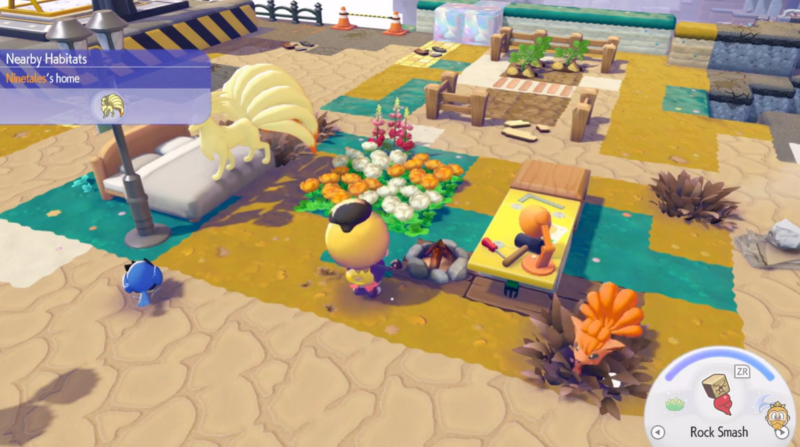
- Fire-type Pokémon can light campfires, creating warm updraft effects.
- Using multiple campfires ensures the habitat reaches a proper warm comfort rating.
Pokémon Pokopia features several environmental comfort systems that affect how Pokémon behave inside their habitats. One of the most important is warmth. Some Pokémon prefer warmer surroundings, and if the habitat is too cold they may appear less happy or less active. Because of this, understanding how to increase the warm comfort level becomes essential when designing a habitat for these Pokémon.
Raising warmth is mainly done through environmental objects rather than abilities alone. Campfires act as heat sources that spread warmth throughout a habitat. When used correctly and combined with a fire-type Pokémon that can ignite them, they create warm air currents that gradually improve the habitat’s temperature rating.
Warming habitats in Pokémon Pokopia
| Feature | Details |
|---|---|
| Main Purpose | Increase habitat warmth comfort level |
| Primary Object | Campfires |
| Activation Method | Fire-type Pokémon lights campfires |
| Recommended Amount | Around 3–6 campfires depending on habitat size |
| Key Effect | Creates warm updrafts that raise comfort rating |
| Result | Pokémon become happier in warmer habitats |
How warmth affects Pokémon comfort in habitats
Habitats in Pokopia are not simply decorative areas where Pokémon roam. They are systems designed to simulate environments that Pokémon prefer. Each habitat has different comfort values such as humidity, space, and warmth. When the warmth value is too low, Pokémon that enjoy heat or mild temperatures will feel uncomfortable.
This discomfort is often reflected through visual cues or reduced happiness indicators. On the other hand, when warmth levels are properly adjusted, Pokémon become more relaxed and active within the habitat. Maintaining the right warmth comfort level is therefore essential if you want your Pokémon to thrive in their assigned homes.

Campfires serve as localized sources of heat. When several of them are placed across a habitat, their warmth zones combine and gradually shift the overall comfort level toward a warmer rating.
Why campfire placement matters for habitat warmth
Simply placing a single campfire rarely produces enough warmth to significantly change the habitat rating. Instead, warmth increases when multiple campfires distribute heat across the entire area.
Strategic placement is important because campfires occupy space within the habitat. If they are placed randomly, they can block walking paths or restrict where Pokémon can move. For that reason, campfires should be spread out along the edges or corners of the habitat rather than clustered together.
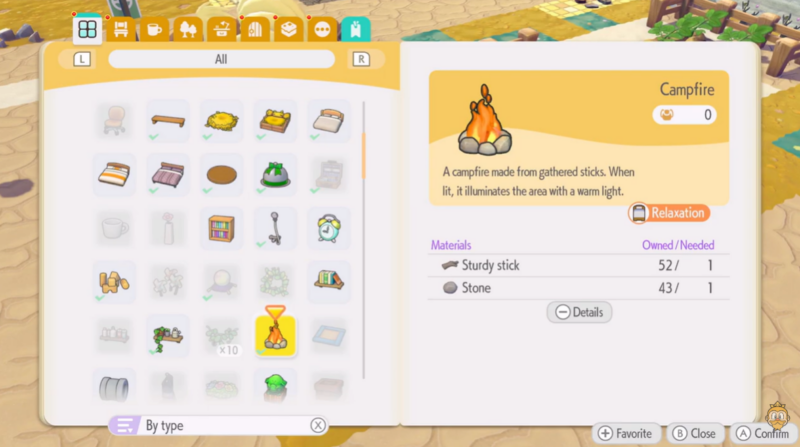
Spacing them evenly ensures the warmth spreads efficiently. When several campfires are positioned correctly, the entire habitat begins to benefit from the generated heat instead of only a small area around a single fire.
Players often use around six campfires in larger habitats to guarantee full coverage, though smaller areas may reach the desired warmth with fewer.
How to make habitats warmer in Pokémon Pokopia
Step 1
Place campfires around the Pokémon habitat. The campfires should be positioned in areas that do not block movement paths so Pokémon can still roam freely throughout the habitat.

Step 2
Spread the campfires across the environment instead of stacking them together. Placing them at different points ensures that the warmth reaches every section of the habitat.
Step 3
Bring a Pokémon with fire abilities into the habitat. Fire-type Pokémon such as Ninetales can interact with campfires and ignite them.

Step 4
Ask the fire-type Pokémon to light each campfire. Once lit, the campfires will begin producing visible warm updrafts.

Step 5
Allow the warmth from the campfires to spread through the habitat. The comfort rating will gradually shift toward a warmer level.

Step 6
Check the habitat comfort status. Once enough campfires are active, the habitat will register as warmer and the Pokémon living there will display improved happiness.

Understanding the warm-updraft effect
When a campfire is lit, it generates a visual updraft effect that represents rising warm air. These updrafts are not just cosmetic; they indicate that the campfire is actively contributing to the habitat’s warmth rating.
As more campfires are lit, the number of updrafts increases, creating overlapping heat zones. When enough of these zones combine, the habitat’s comfort level shifts to a warm environment.

Because of this mechanic, lighting the campfires is just as important as placing them. Unlit campfires do not provide warmth, so they must always be activated by a Pokémon with fire abilities.
How many campfires are needed for proper warmth
The number of campfires required depends on the size of the habitat. Larger areas usually need more heat sources to raise the overall comfort rating.
Many players place around six campfires initially to guarantee full warmth coverage. However, the warmth level often becomes sufficient with about three active fireplaces once they are lit.

This flexibility allows players to experiment with placement and determine the optimal layout for their habitat size.
If the habitat still feels cold after lighting several campfires, adding a few more heat sources usually solves the problem.
Creating a balanced habitat environment
While warmth is important, it should be balanced with other environmental factors such as humidity, space, and decorative elements. Pokémon habitats function best when multiple comfort metrics are properly maintained.
Campfires provide warmth but also occupy space, so careful placement ensures they do not interfere with other habitat features like furniture or decorative objects.
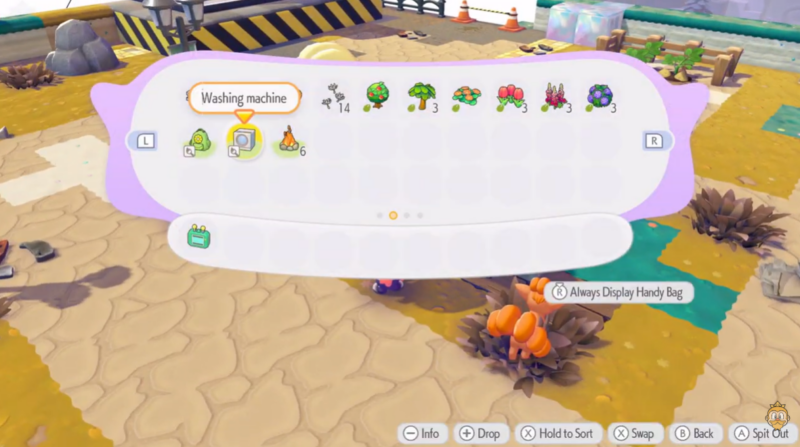
The goal is to create an environment that feels natural and comfortable for the Pokémon assigned to it. When warmth, layout, and accessibility are all balanced, the habitat becomes an ideal home for your Pokémon.
Making Pokémon happier with warmer habitats
Improving warmth levels directly impacts Pokémon happiness. When the habitat temperature matches their preferred conditions, Pokémon behave more naturally and appear more satisfied in their environment.
Lighting several campfires is one of the easiest ways to reach this state. The process only requires basic placement and a fire-type Pokémon capable of igniting the fires.
Once the habitat reaches the proper warm comfort level, Pokémon will react positively and the environment will feel much more suitable for them.