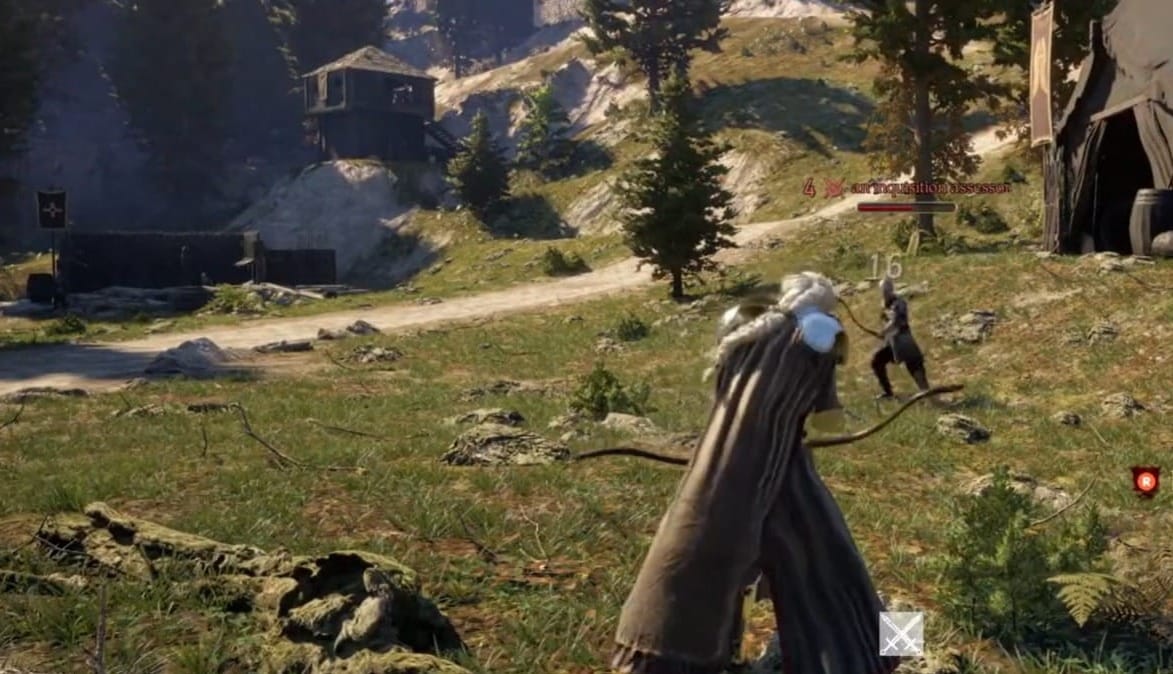
Harvest wool from animals, spin and weave it into cloth using station workbenches in Pax Dei: here’s how to obtain Wool Fiber, craft it into yarn and cloth, and use it effectively.
What to know
- Wool Fiber is a raw material obtained by harvesting certain animals.
- The crafting chain goes: Wool Fiber → Wool Yarn (via Spinning Wheel) → Wool Cloth (via Loom).
- Relevant crafting stations for this chain include the Spinning Wheel and a Loom (or Simple Loom) under the Tailoring skill.
- You’ll need to unlock and level up Tailoring before attempting higher-tier crafts.
If you’re playing Pax Dei and planning to craft cloth-based items, getting Wool Fiber and processing it is foundational. Whether you’ll make simple clothing, upgrades, or trade goods, knowing how to gather, spin, and weave wool helps you progress your Tailoring skill efficiently. Below is a quick-overview table, followed by an in-depth, step-by-step guide through the entire process.
Wool fiber in Pax Dei
| Property | Detail |
|---|---|
| Item name | Wool Fiber |
| Item type | Raw animal fibre (crafting material) |
| Description | A soft natural fiber obtained from animals, used in spinning and weaving. |
| Item level | 1 |
| Max stack size | 50 |
| Obtained from | Harvesting or hunting wool-bearing animals such as goats and chamois. |
| Used in crafting | Spun into various yarns (Coarse, Rough, Wool, Fine) and then woven into different types of cloth through Tailoring. |
| Example recipe (yarn) | At a Spinning Wheel: 20 Wool Fiber → 10 Wool Yarn. Tailoring skill around level 11 recommended. |
| Unlocks at Tailoring | Yarn recipes unlock progressively with Tailoring skill: Tier 4 (Coarse Yarn), Tier 14 (Rough Yarn), Tier 24 (Wool Yarn), and Tier 34 (Fine Yarn). |
| Primary workstation | Spinning Wheel → Loom (or Simple Loom). |
| Main product line | Wool Fiber → Wool Yarn → Wool Cloth. |
| Crafting use cases | Clothing, tailoring upgrades, furnishings, and trade textiles. |
How to process wool fiber into cloth
Here is how you can get and process wool fiber into cloth in Pax Dei:
Step #1
Find and harvest wool-bearing animals (goats, sheep or similar) across the world. Loot their drops until you have a large pile of Wool Fiber — you’ll need many pieces because spinning consumes fiber in bulk.

Step #2
Return to your base and store raw Wool Fiber in a nearby chest or container so gathering and crafting are separated and you don’t lose materials while moving between stations.

Step #3
Make sure your Tailoring skill is unlocked and advanced enough to build a Spinning Wheel and a Loom (or Simple Loom). Place the Spinning Wheel and Loom close together to cut walking time between stations.


Step #4
At the Spinning Wheel crafting menu, select the Wool Yarn recipe. Add Wool Fiber to the recipe input — one common conversion is roughly 40 Wool Fiber per Yarn batch — then start the craft and collect the resulting Wool Yarn.

Step #5
Repeat spinning until you have enough Wool Yarn stacked for your intended cloth output. Track counts as you go (for example: if a cloth recipe needs 25 Yarn, spin multiples of that to avoid extra trips).
Store finished Wool Cloth in your production chest, and use it for clothing, upgrades, furnishings, or trade. Keep a steady loop: gather fiber, spin yarn, weave cloth, and level Tailoring to unlock faster or more efficient recipes.

How forging ties in with tailoring
While Wool Cloth isn’t created through a metal forge, the textile and forging professions work hand-in-hand in Pax Dei’s crafting system. Tailors provide essential fabrics for armor padding and clothing, while smiths supply the tools or metal fittings needed for advanced crafting. Keep both skill trees balanced if you plan to craft complex items.
Tips to optimize production:
- Always keep your Tailoring skill progressing to unlock better recipes.
- Set up your Spinning Wheel and Loom near each other for efficiency.
- Collect fiber regularly so you don’t run out mid-production.
Making the most of wool in Pax Dei
From Wool Fiber to Yarn to Cloth, mastering this production chain unlocks a major crafting branch in Pax Dei. By investing in Tailoring and maintaining a steady supply of raw fibers, you’ll create valuable materials for yourself or your community. Efficient textile production means faster crafting, better trade options, and stronger progress through the medieval crafting economy.