NYT Strands is the daily word-search-style puzzle from the New York Times that challenges players to uncover theme-based words hidden across a grid. For 10 January 2026, the theme was “If not now, when?”, focusing on time, delay, and putting things off. The puzzle featured a set of related words alongside a spangram that neatly tied the idea together.
10 January 2026 NYT Strands Theme: “If not now, when?”
Today’s theme leaned into the universal habit of procrastination. Every word revolved around vague or postponed timing, giving the puzzle a humorous but relatable feel. The vocabulary was approachable, but the similarity between words made it a bit tricky to separate them cleanly in the grid.

10 January 2026 NYT Strands: Hints
- Think about words people use when they delay doing something.
- Look for time-related terms that feel intentionally non-specific.
- Several answers describe the future, but not a precise moment.
- Expect familiar everyday language rather than obscure vocabulary.
- The spangram ties together the shared habit behind all these words.
10 January 2026 NYT Strands: Answers
- Eventually (at some undefined point in the future)
- Shortly (soon, but not immediately)
- Later (put off until another time)
- Tomorrow (the classic “not today” answer)
- Soon (imminent, but conveniently vague)
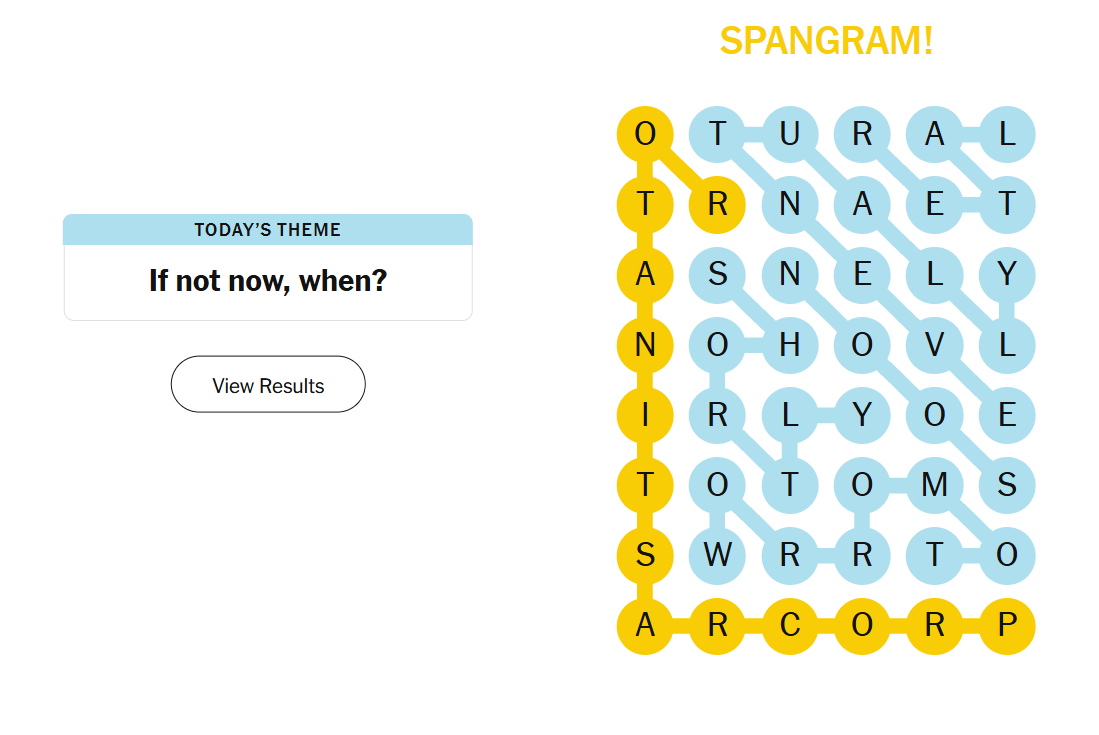
Spangram
Procrastinator
This spangram captures the core idea of the puzzle: someone who constantly delays tasks, always promising action later, tomorrow, or eventually instead of right now.
How Strands works
Strands is a daily word search puzzle with a twist:
- You’re given a theme.
- The grid is packed with hidden words tied to that theme.
- Words can run in any direction, including diagonals.
- Once you find all the theme words, you’re done!
Each puzzle usually has around 6–8 theme words.
How to get and use hints
Hints are built right into Strands, and they’re super useful if you’re stuck:
- To earn a hint, find any non-theme word of at least four letters in the grid.
- Each valid extra word gives you one hint.
- When you use a hint, one of the theme words will be revealed automatically, helping you move forward.
Pro tip: Don’t just burn hints — use them strategically when the grid feels impossible. Sometimes a single revealed word unlocks the entire board.
Tips to become a NYT Strands pro
- Start with obvious words. Look for clear connections to the theme first.
- Scan diagonals early. Strands loves to hide words at an angle.
- Build around found words. Once one word is cleared, the leftover letters often point to the next.
- Use hints wisely. Earn them steadily by spotting extra words, then save them for when you’re truly stuck.
- Think about synonyms. The theme clue isn’t always literal — broaden your thinking.
Final words
The 10 January 2026 Strands puzzle felt comfortably moderate, with a relatable theme and smart word choices. Once the spangram clicked, everything else fell into place nicely. How many answers did you spot before needing hints?
Come back tomorrow for a fresh grid and theme — and tell us in the comments which word stumped you the most today!