The New York Times Connections puzzle challenges players to sort 16 seemingly unrelated words into four connected groups. Each group shares a hidden link. Today’s grid blends physical actions, clever rearrangements, and nostalgic references, making it both playful and slightly deceptive. Below you’ll find gentle hints to guide your thinking, followed by the complete solutions once you’re ready to check your work.
NYT Connections Puzzle Overview: 8 March 2026
Today’s grid blends classic categories with playful linguistic tricks. Solvers likely found one group fairly quickly, while the wordplay-based sets required a bit more careful observation. A couple of words may have seemed to fit multiple themes at first, which is exactly the sort of misdirection Connections loves to use.
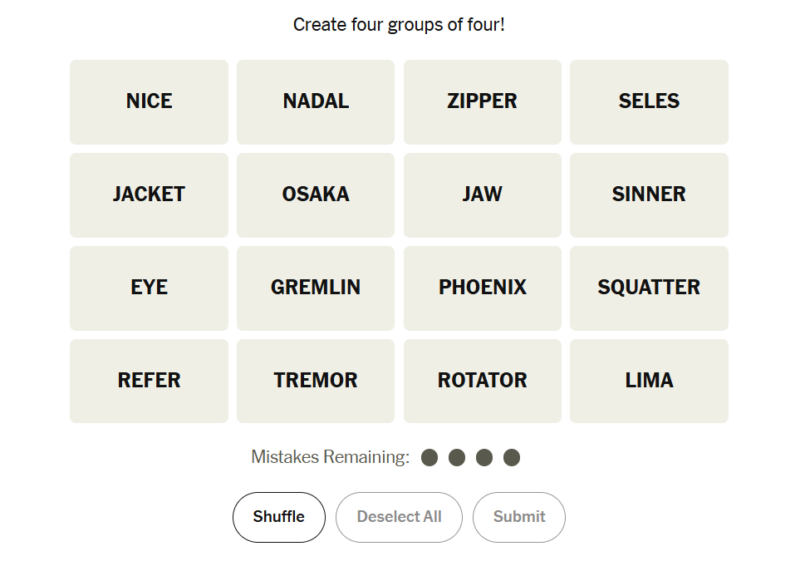
NYT Connections Hints: 8 March 2026
Category 1:
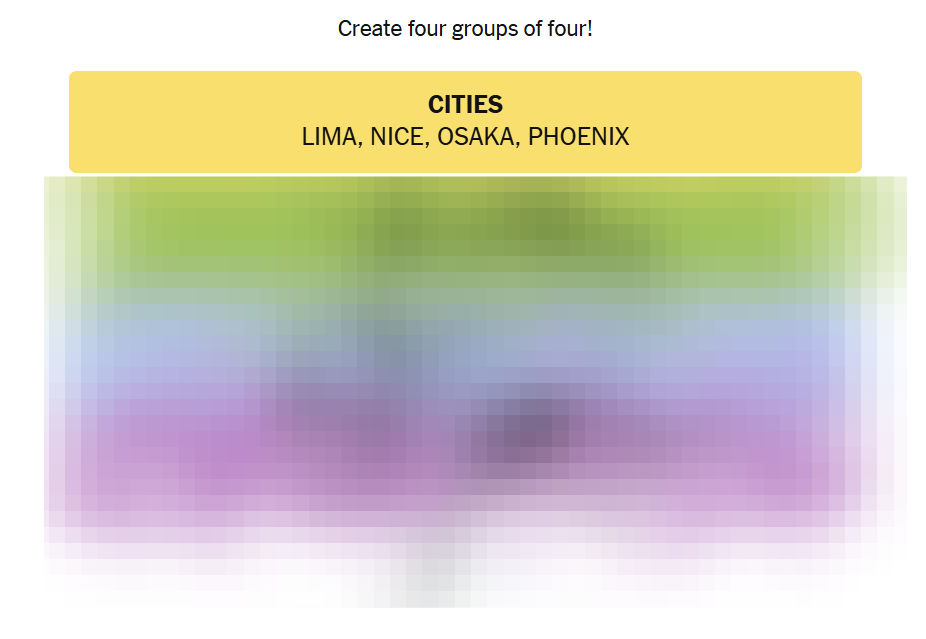
- Think about well-known places around the world.
- These are locations you could visit on a map.
- They appear on travel itineraries and geography quizzes.
- All four are major urban destinations.
Category 2:
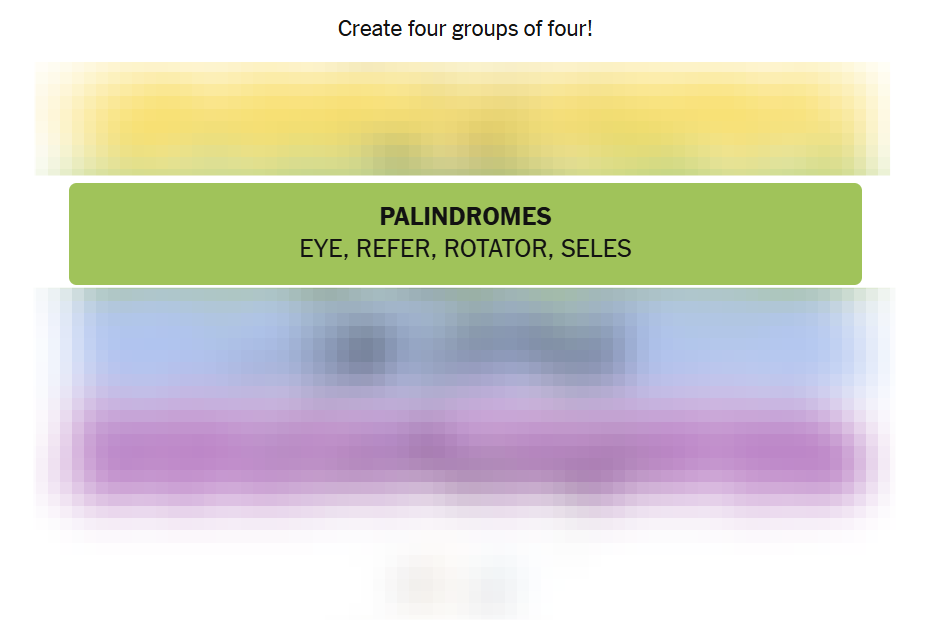
- Wordplay is the key here.
- Each word reads the same forward and backward.
- This linguistic pattern appears in puzzles often.
- Symmetry in spelling is the defining trait.
Category 3:
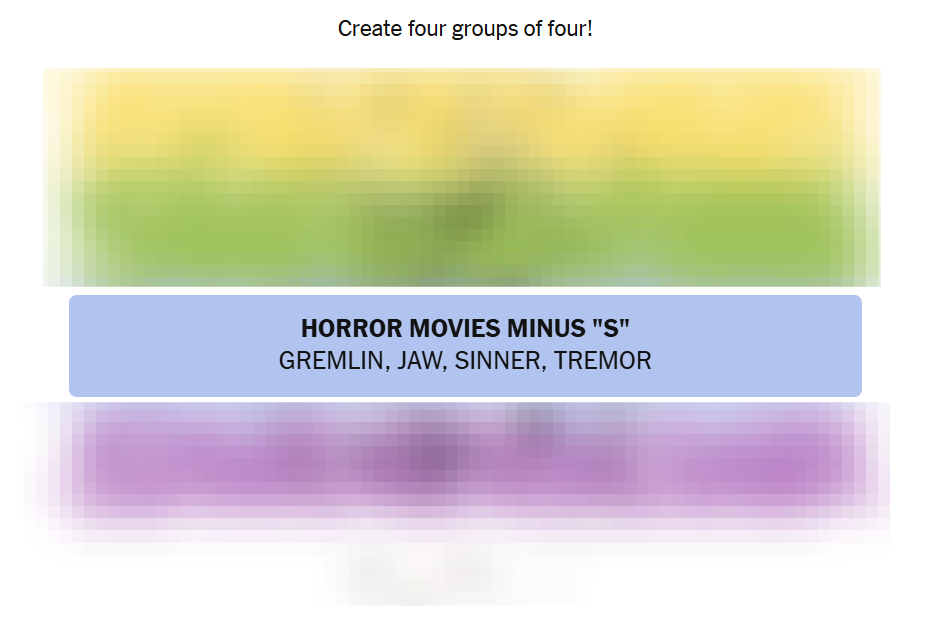
- These relate to popular scary films.
- However, something has been slightly altered.
- Each word looks like a title missing a final letter.
- Think of well-known creature or monster movies.
Category 4:
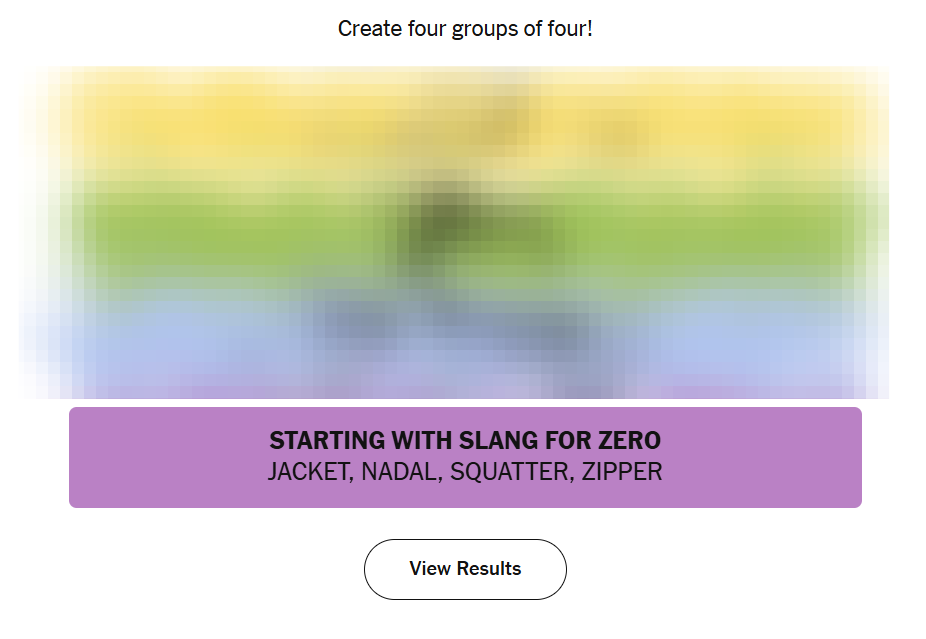
- A slang term for “nothing” or “zero” starts each word.
- The rest of the word forms a common standalone term.
- The starting sound is identical in all four entries.
- Think clothing, sports figures, and everyday items.
NYT Connections Answers: 8 March 2026
Here are the answers, grouped by category.
Category 1:
Category 2:
Category 3:
Category 4:
Conclusion & Quick Strategy Tip
The 8 March 2026 Connections puzzle balances straightforward action words with trickier conceptual links, making it satisfying once everything clicks. Quick strategy tip: lock in obvious verb groups early, then examine remaining words for structural patterns or shared cultural references.