The New York Times Connections puzzle challenges players to sort 16 seemingly unrelated words into four connected groups. Each group shares a hidden link. Today’s grid blends physical actions, clever rearrangements, and nostalgic references, making it both playful and slightly deceptive. Below you’ll find gentle hints to guide your thinking, followed by the complete solutions once you’re ready to check your work.
NYT Connections Puzzle Overview: 26 January 2026
Today’s Connections puzzle leans heavily into verb-based thinking and lateral associations. Some groupings feel intuitive, while others rely on spotting patterns beyond surface meanings. The anagram set is especially tempting early on, while the final category rewards solvers who recall classic childhood games.

NYT Connections Hints: 26 January 2026
Category 1:
- All four words describe taking advantage of something
- Often used to describe unfair gain
- Common in economic or social contexts
- Involves extracting value
Category 2:
- Each word relates to causing disturbance
- Often used as verbs
- Can describe startling or intimidating actions
- Connected to sudden reactions
Category 3:
- These words double as surnames
- Strong ties to film and television
- All belong to the same profession
- Widely recognizable names
Category 4:
- Each word is almost an animal
- Something small has been removed
- Look closely at spelling
- The originals all belong to the same class
NYT Connections Answers: 26 January 2026
Here are the answers, grouped by category.
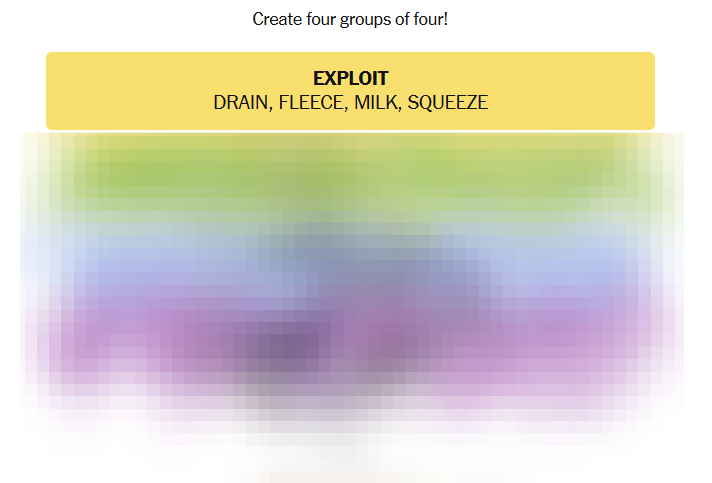
Category 1:
Category 2:
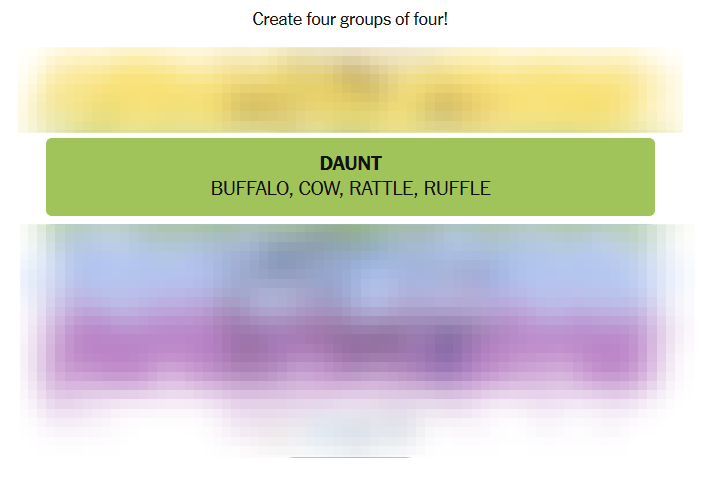
Category 3:

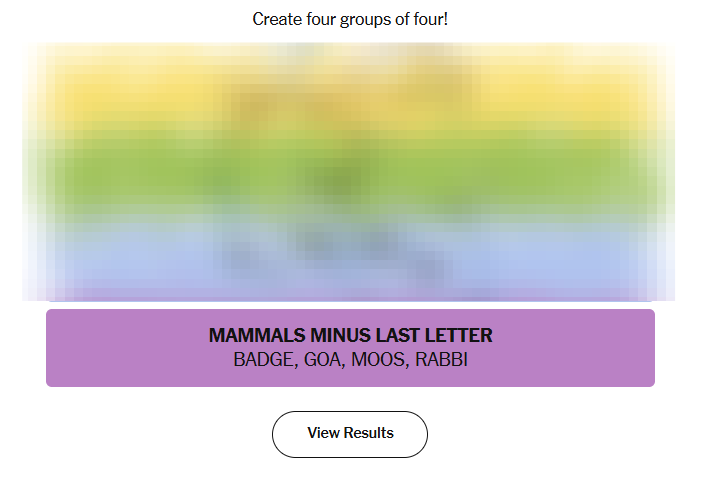
Category 4:
Conclusion & Quick Strategy Tip
The 26 January 2026 Connections puzzle balances straightforward action words with trickier conceptual links, making it satisfying once everything clicks. Quick strategy tip: lock in obvious verb groups early, then examine remaining words for structural patterns or shared cultural references.