The New York Times Connections puzzle challenges players to sort 16 seemingly unrelated words into four connected groups. Each group shares a hidden link. Today’s grid blends physical actions, clever rearrangements, and nostalgic references, making it both playful and slightly deceptive. Below you’ll find gentle hints to guide your thinking, followed by the complete solutions once you’re ready to check your work.
NYT Connections Puzzle Overview: 25 January 2026
Today’s puzzle leaned toward familiar vocabulary with multiple meanings, which made early guesses tempting but risky. Several words felt interchangeable at first glance, pushing solvers to slow down and test assumptions. The difficulty came more from overlap than obscurity, making this a satisfying grid once everything clicked into place.

NYT Connections Hints: 25 January 2026
Category 1:
- Think of stepping in for someone else
- Often used in workplace situations
- Can describe temporary responsibility
- Related to replacement or coverage
Category 2:
- Found on a standard computer keyboard
- Typically pressed individually, not typed as words
- Common in shortcut combinations
- Associated with operating systems
Category 3:
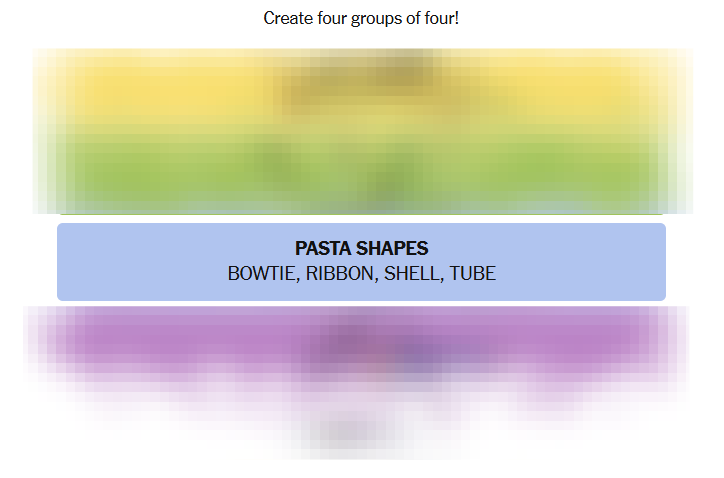
- Physical forms rather than ingredients
- Commonly seen in Italian cuisine
- Describes how something is shaped
- You’d find these on a menu
Category 4:
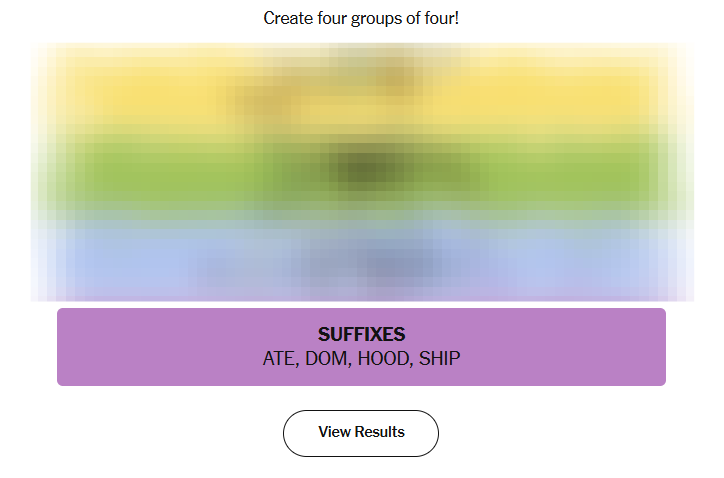
- Small word endings
- Change the meaning of root words
- Often indicate states or conditions
- Used in forming abstract nouns
NYT Connections Answers: 25 January 2026
Here are the answers, grouped by category.
Category 1:

Category 2:

Category 3:
Category 4:
Conclusion & Quick Strategy Tip
The 25 January 2026 Connections puzzle balances straightforward action words with trickier conceptual links, making it satisfying once everything clicks. Quick strategy tip: lock in obvious verb groups early, then examine remaining words for structural patterns or shared cultural references.