The New York Times Connections puzzle challenges players to sort 16 seemingly unrelated words into four connected groups. Each group shares a hidden link. Today’s grid blends physical actions, clever rearrangements, and nostalgic references, making it both playful and slightly deceptive. Below you’ll find gentle hints to guide your thinking, followed by the complete solutions once you’re ready to check your work.
NYT Connections Puzzle Overview: 24 March 2026
Today’s grid had a satisfying balance of clarity and misdirection. Some categories were relatively easy to spot, especially those tied to real-world objects or events, while others required a closer look at language nuances. The presence of words with multiple meanings added a clever twist that likely slowed many solvers down before the final grouping clicked.
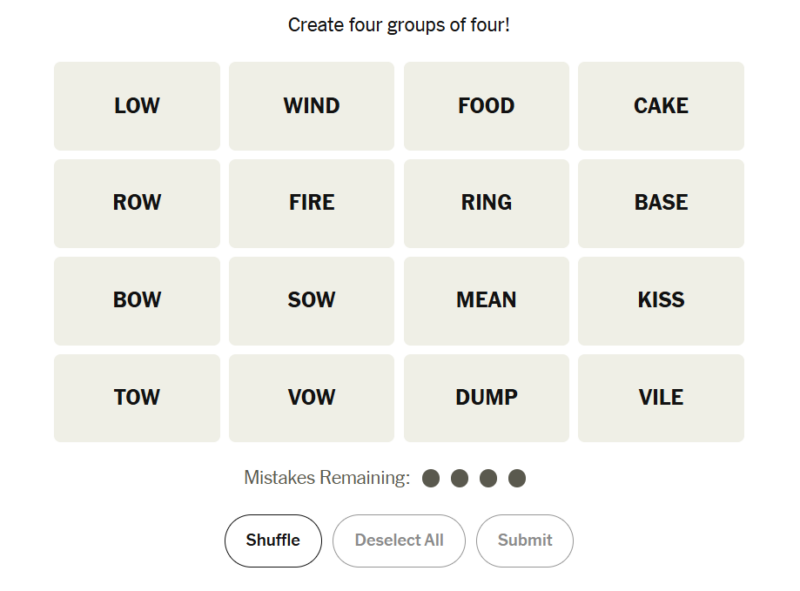
NYT Connections Hints: 24 March 2026
Category 1:
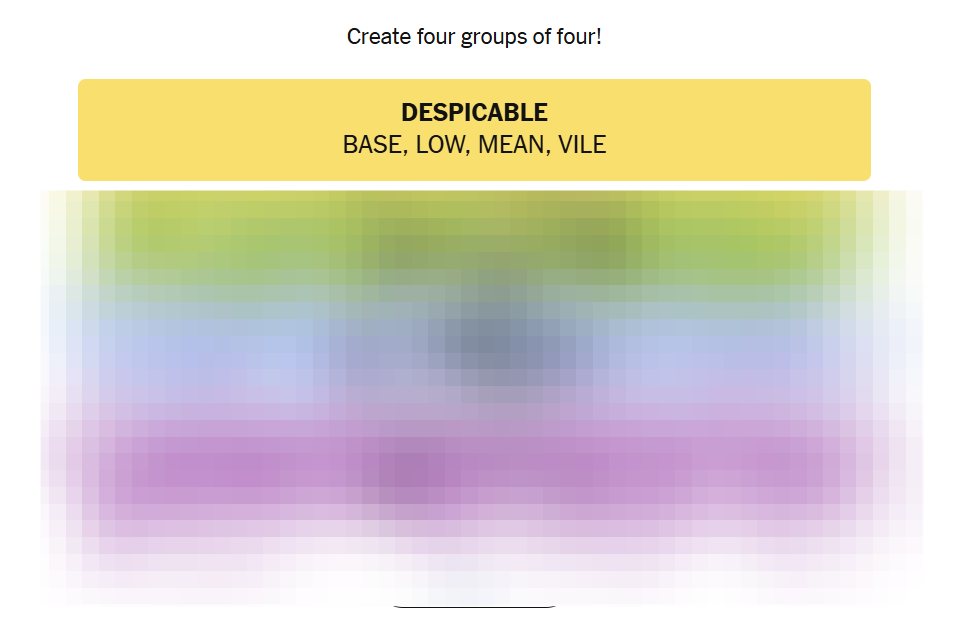
- Think of words that describe something morally bad or unpleasant
- These are often used to insult or criticize behavior
- All are adjectives
- Synonyms with a negative tone
Category 2:
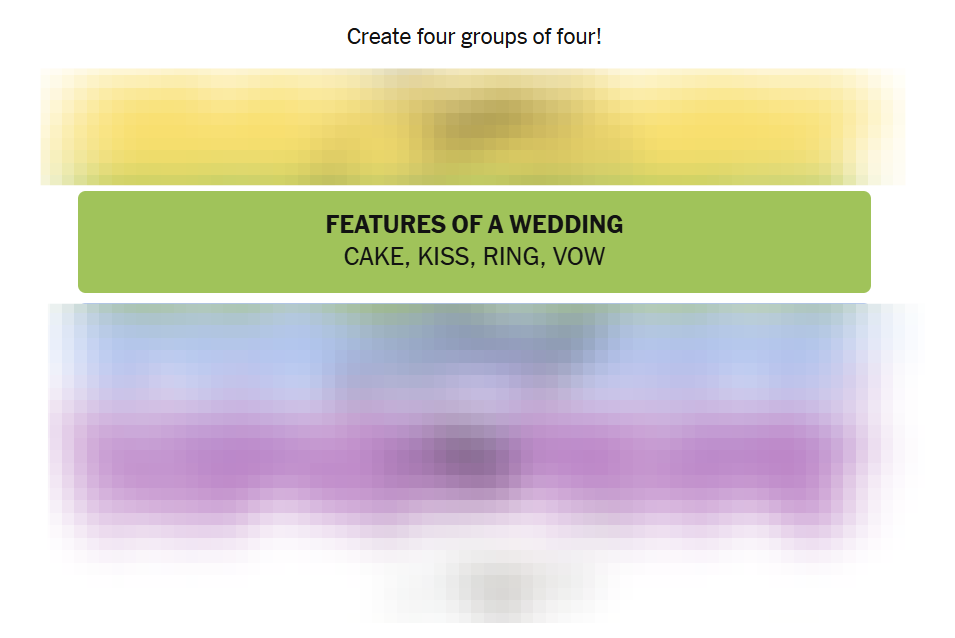
- Common elements associated with a major life ceremony
- You’ll find these at a celebration of love
- Some are symbolic, others are physical items
- Often seen together in traditional events
Category 3:
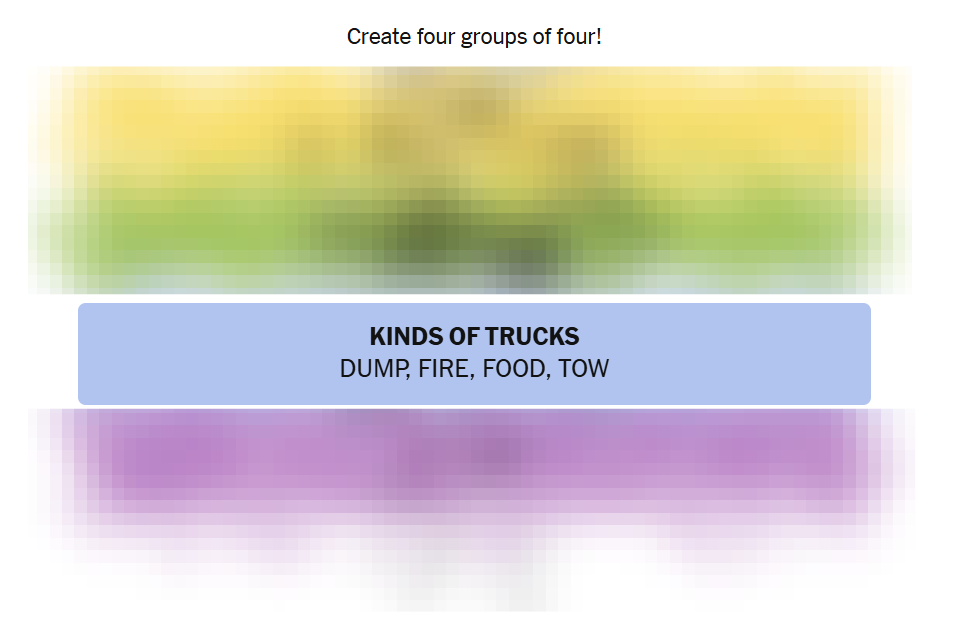
- These words pair with a vehicle type
- Each forms a common compound phrase
- Think of specialized vehicles for tasks
- Often seen in everyday or emergency settings
Category 4:
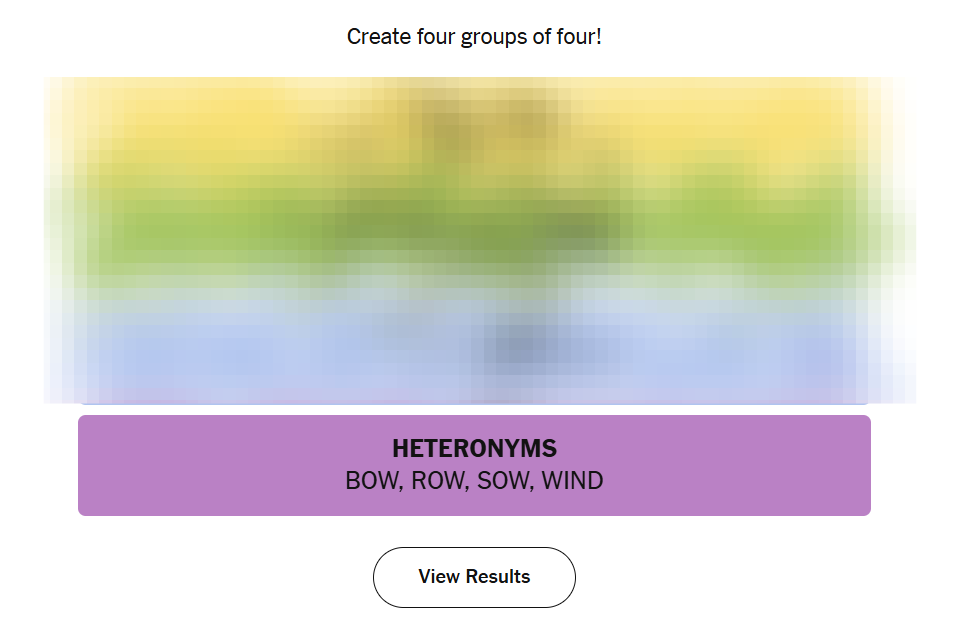
- Words that change meaning based on pronunciation
- Same spelling, different sounds
- Context determines how they’re read
- A classic wordplay category
NYT Connections Answers: 24 March 2026
Here are the answers, grouped by category.
Category 1:
Category 2:
Category 3:
Category 4:
Conclusion & Quick Strategy Tip
The 24 March 2026 Connections puzzle balances straightforward action words with trickier conceptual links, making it satisfying once everything clicks. Quick strategy tip: lock in obvious verb groups early, then examine remaining words for structural patterns or shared cultural references.