The New York Times Connections puzzle challenges players to sort 16 seemingly unrelated words into four connected groups. Each group shares a hidden link. Today’s grid blends physical actions, clever rearrangements, and nostalgic references, making it both playful and slightly deceptive. Below you’ll find gentle hints to guide your thinking, followed by the complete solutions once you’re ready to check your work.
NYT Connections Puzzle Overview: 24 February 2026
Today’s puzzle had a nicely balanced feel. One category leaned into science and nature, another into cultural identity, while a third rewarded literature lovers. The trickiest group depended on recognizing a recurring phrase pattern. If you found yourself second-guessing one or two overlaps, you weren’t alone—this grid encouraged careful elimination.
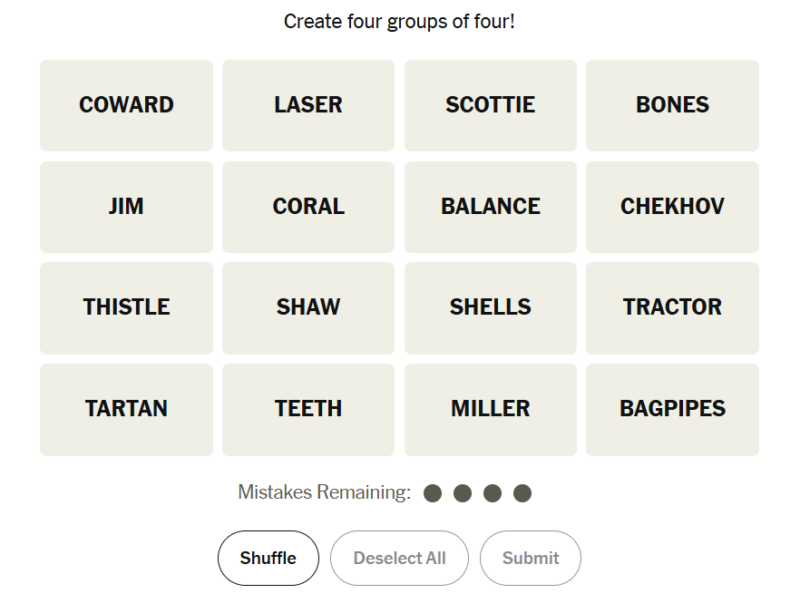
NYT Connections Hints: 24 February 2026
Category 1:
- Think about materials formed with the help of a specific mineral.
- These are hard or structural parts found in nature.
- Three come from living creatures.
- One can be found beneath the sea.
Category 2:
- This set connects to a particular country.
- You might see these during cultural celebrations.
- One relates to clothing patterns.
- Another is a musical instrument strongly associated with tradition.
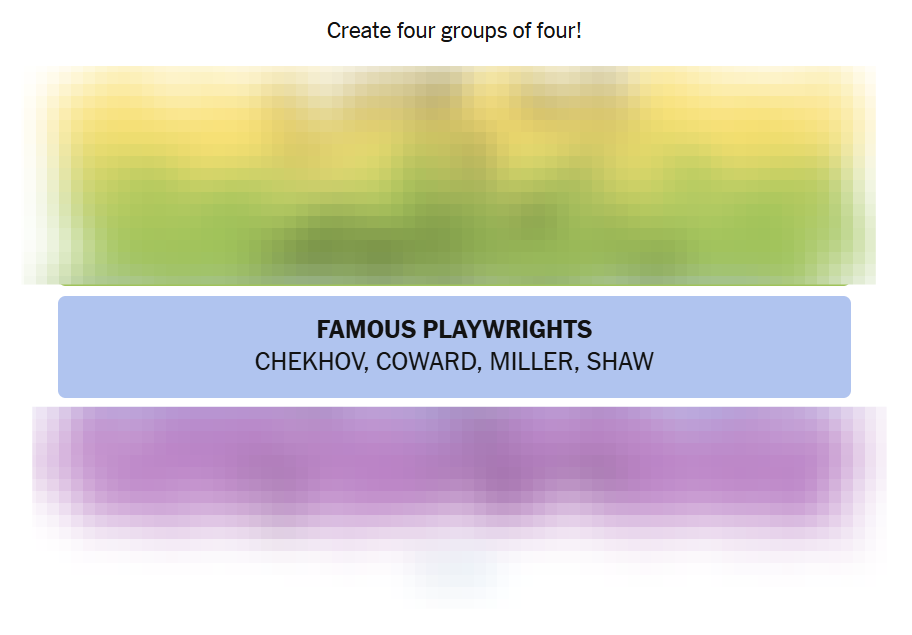
Category 3:
- These are surnames.
- All belong to well-known writers.
- Their work is often performed on stage.
- Think drama and theater history.
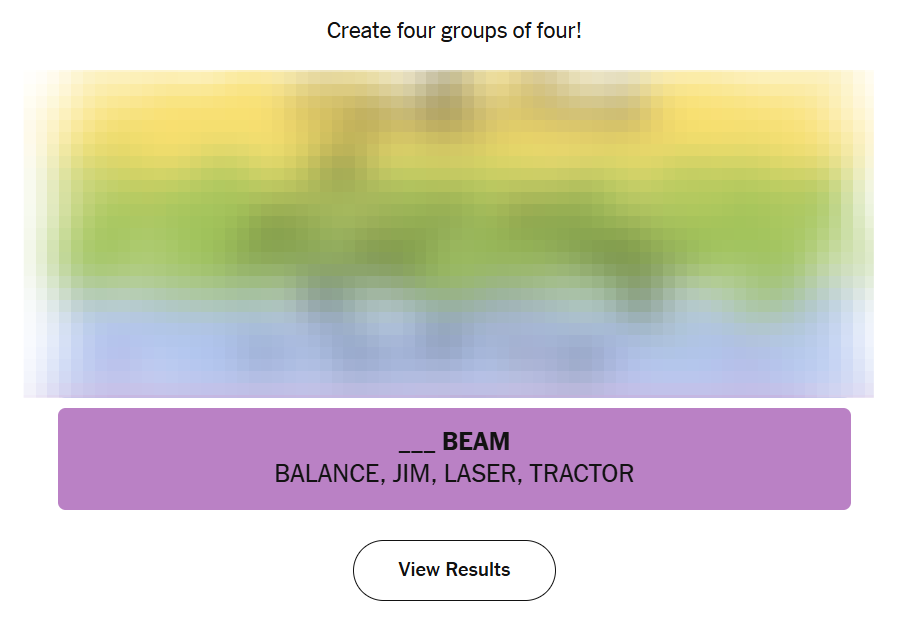
Category 4:
- Each word commonly follows the same short word.
- The shared word comes before all four.
- The phrase can relate to light or support.
- It’s a literal and figurative term.
NYT Connections Answers: 24 February 2026
Here are the answers, grouped by category.
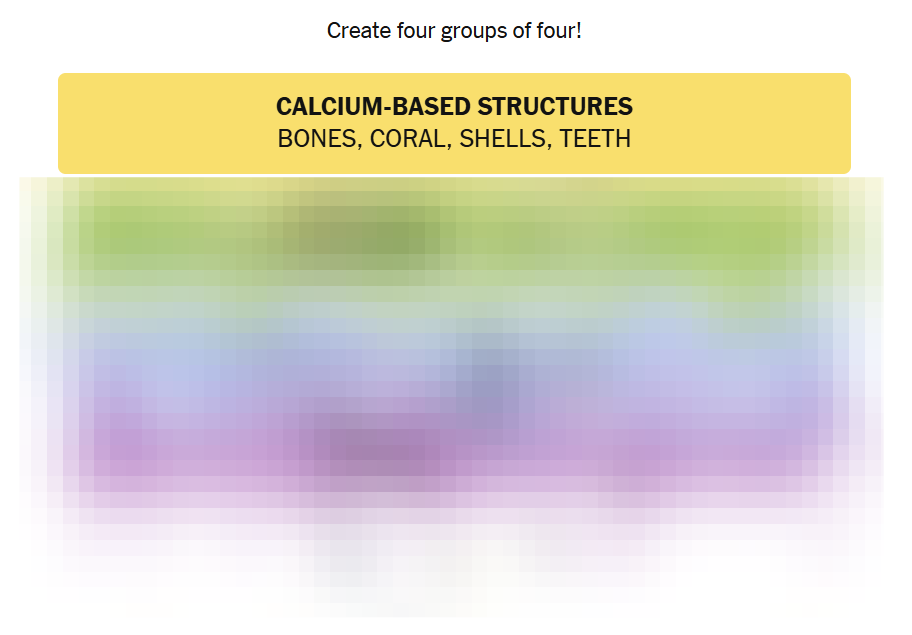
Category 1:
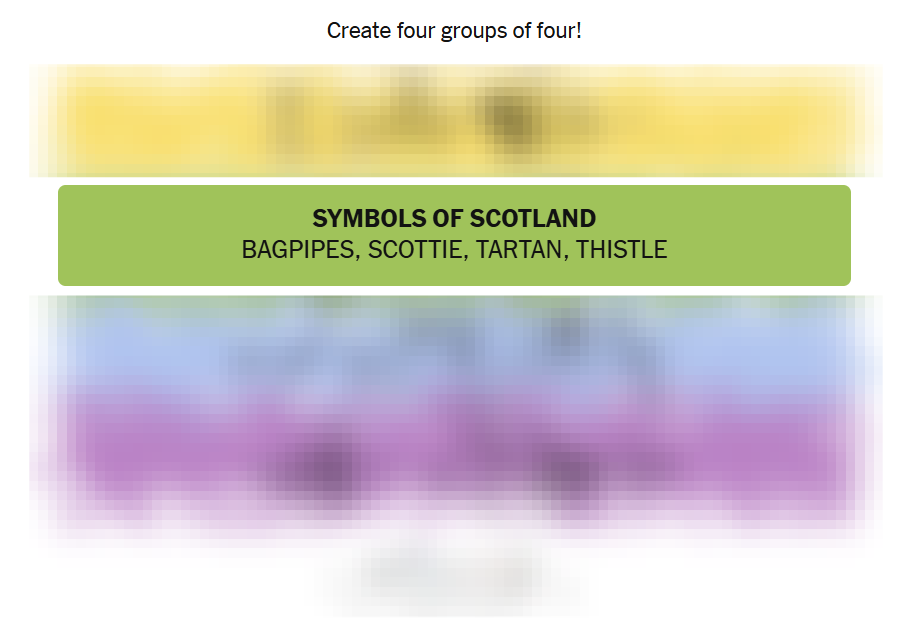
Category 2:
Category 3:
Category 4:
Conclusion & Quick Strategy Tip
The 24 February 2026 Connections puzzle balances straightforward action words with trickier conceptual links, making it satisfying once everything clicks. Quick strategy tip: lock in obvious verb groups early, then examine remaining words for structural patterns or shared cultural references.