The New York Times Connections puzzle challenges players to sort 16 seemingly unrelated words into four connected groups. Each group shares a hidden link. Today’s grid blends physical actions, clever rearrangements, and nostalgic references, making it both playful and slightly deceptive. Below you’ll find gentle hints to guide your thinking, followed by the complete solutions once you’re ready to check your work.
NYT Connections Puzzle Overview: 22 January 2026
Today’s puzzle balanced straightforward categories with a trickier linguistic twist. One group focused on visual clarity, another on classic baked treats, while the remaining sets leaned into verbs and clever word construction. Many solvers likely breezed through the obvious matches before pausing to rethink how certain everyday words could fit together more abstractly.
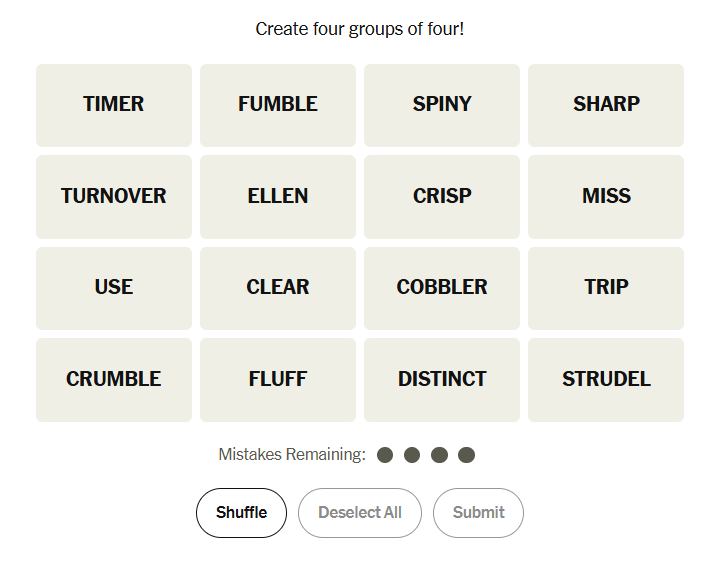
NYT Connections Hints: 22 January 2026
Category 1:
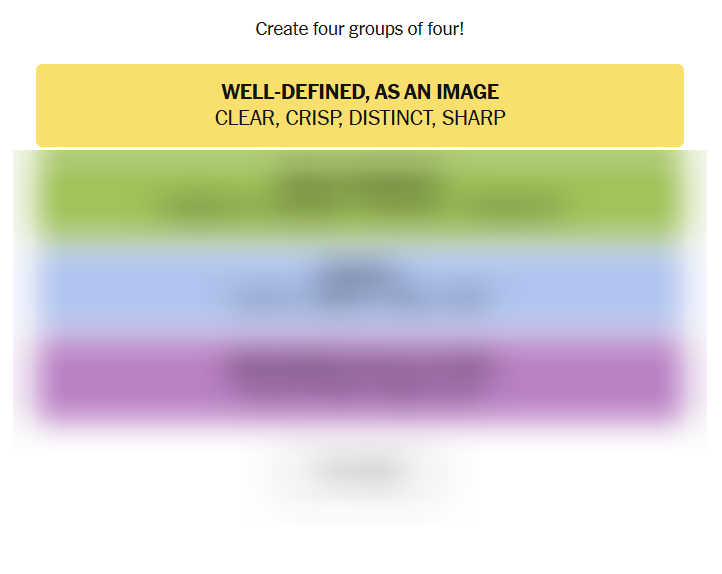
- Often used to describe how something looks
- Words tied to visual quality or definition
- Think photography, art, or focus
- All suggest lack of blur
Category 2:
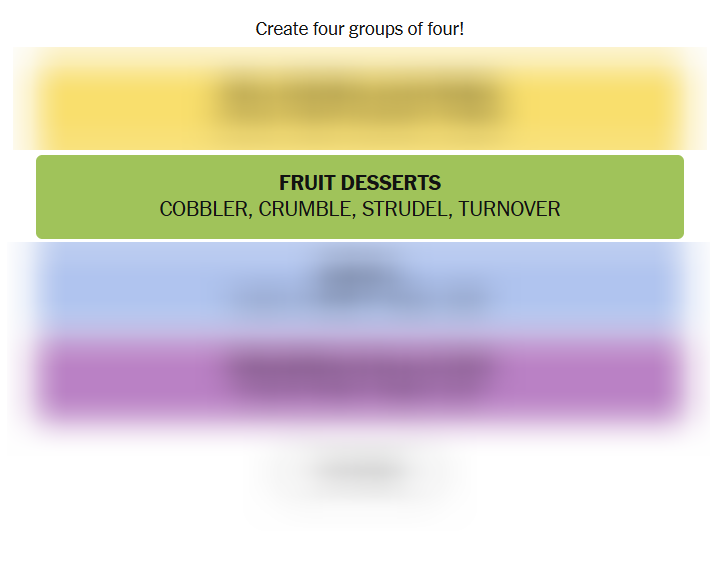
- Sweet baked items
- Commonly filled with fruit
- Found in bakeries or kitchens
- Comfort desserts rather than candies
Category 3:
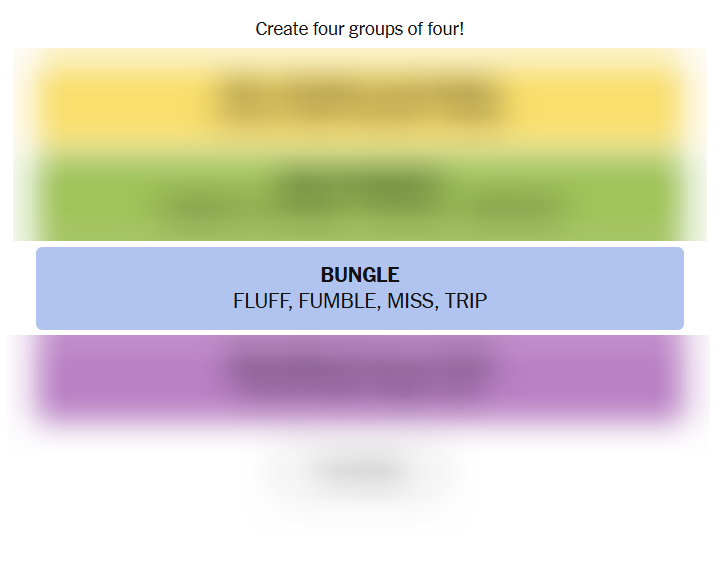
- Verbs describing mistakes
- Informal or conversational tone
- Actions that go wrong
- All imply failure, not success
Category 4:
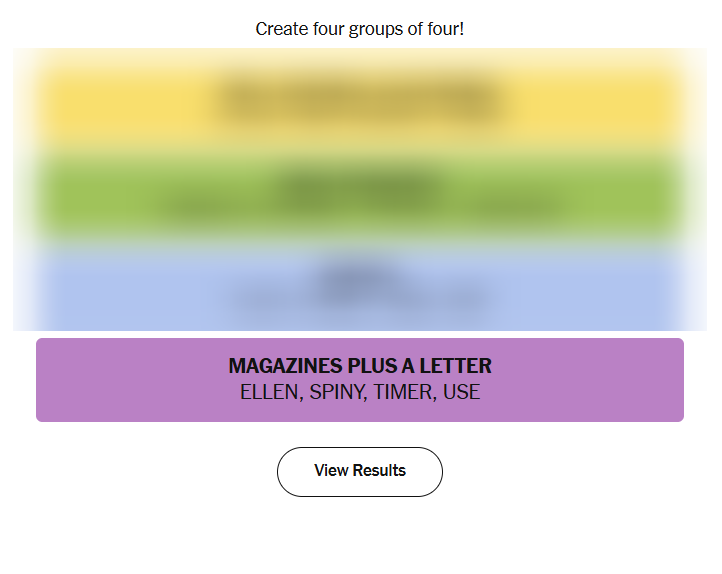
- Built from familiar publications
- Each gains something extra
- Wordplay-based grouping
- Look for an added letter
NYT Connections Answers: 22 January 2026
Here are the answers, grouped by category.
Category 1:
Category 2:
Category 3:
Category 4:
Conclusion & Quick Strategy Tip
The 22 January 2026 Connections puzzle balances straightforward action words with trickier conceptual links, making it satisfying once everything clicks. Quick strategy tip: lock in obvious verb groups early, then examine remaining words for structural patterns or shared cultural references.