The New York Times Connections puzzle challenges players to sort 16 seemingly unrelated words into four connected groups. Each group shares a hidden link. Today’s grid blends physical actions, clever rearrangements, and nostalgic references, making it both playful and slightly deceptive. Below you’ll find gentle hints to guide your thinking, followed by the complete solutions once you’re ready to check your work.
NYT Connections Puzzle Overview: 18 February 2026
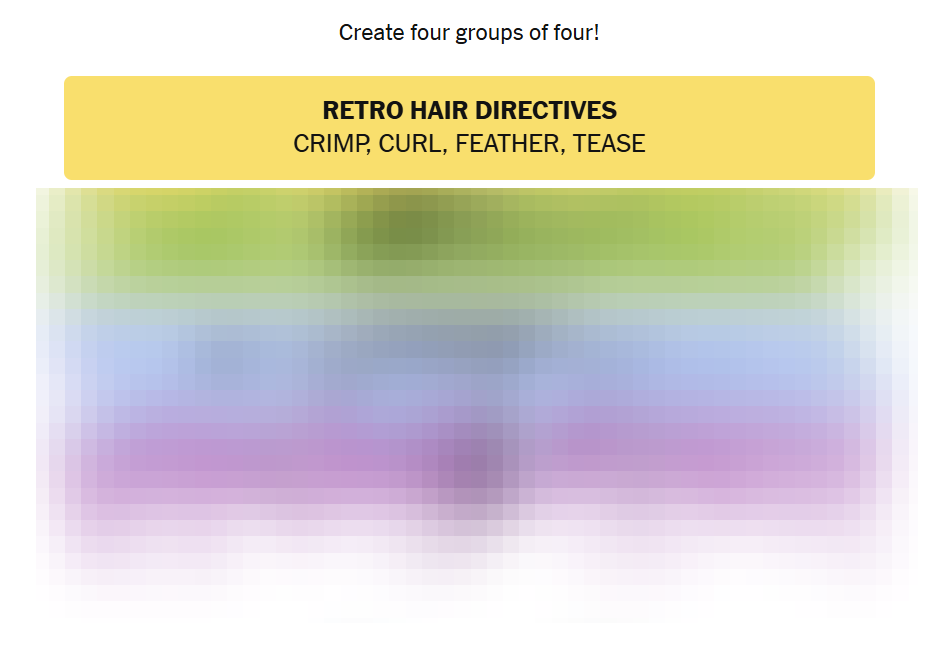
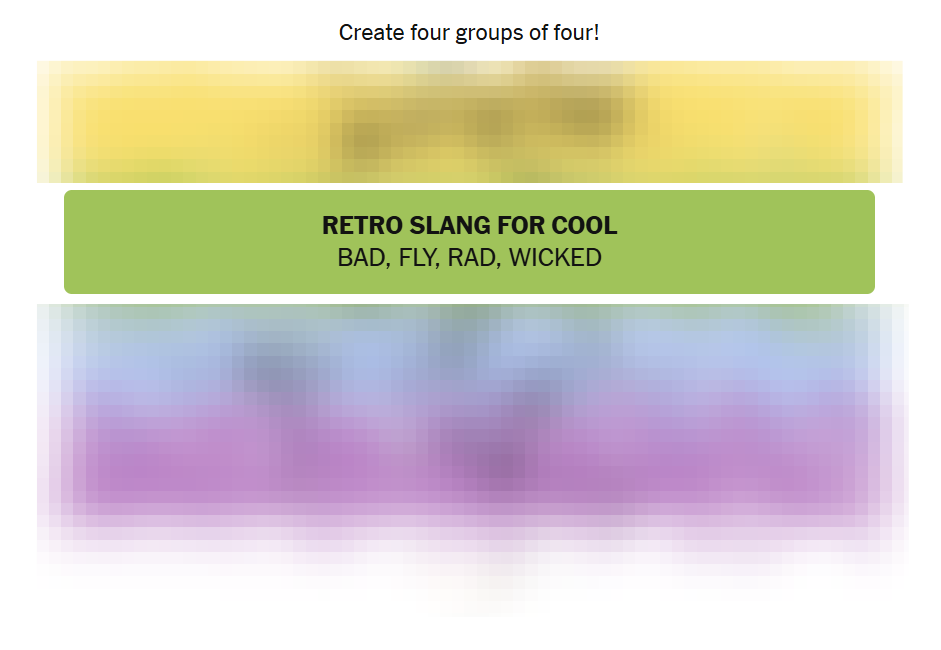
Today’s board had a distinct retro feel, with one category rooted in vintage style and another drawing from old-school slang. Alongside those were two more straightforward descriptive sets, though each still required careful sorting. Many solvers likely locked in one theme quickly before juggling a few trickier overlaps to finish the grid cleanly.
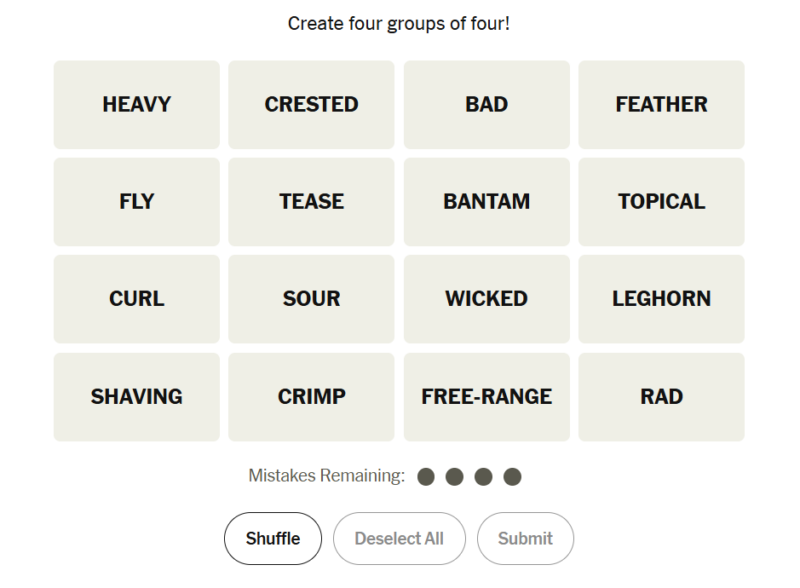
NYT Connections Hints: 18 February 2026
Category 1:
- Think hairstyles that were especially trendy decades ago
- These words can all be used as styling instructions
- Volume and texture are key ideas here
- You might hear these in a salon with a retro theme
Category 2:
- Old-school compliments from past generations
- Words that don’t literally mean “good,” but imply it
- Popular in ‘80s and ‘90s slang
- Used to hype something up
Category 3:
- Terms associated with a particular farm bird
- Some refer to breeds, others to characteristics
- You might see these on a poultry sign
- One is especially known as a specific breed name
Category 4:
- Each phrase commonly precedes the same final word
- Think of everyday household or grocery items
- One relates to dairy, another to grooming
- All form familiar compound terms
NYT Connections Answers: 18 February 2026
Here are the answers, grouped by category.
Category 1:
Category 2:
Category 3:
Category 4:
Conclusion & Quick Strategy Tip
The 18 February 2026 Connections puzzle balances straightforward action words with trickier conceptual links, making it satisfying once everything clicks. Quick strategy tip: lock in obvious verb groups early, then examine remaining words for structural patterns or shared cultural references.