
The New York Times Connections puzzle challenges players to sort 16 seemingly unrelated words into four connected groups. Each group shares a hidden link. Today’s grid blends physical actions, clever rearrangements, and nostalgic references, making it both playful and slightly deceptive. Below you’ll find gentle hints to guide your thinking, followed by the complete solutions once you’re ready to check your work.
NYT Connections Puzzle Overview: 15 March 2026
Today’s puzzle had a satisfying mix of vocabulary and concept-based groupings. One category leaned into mechanical objects, another involved blended words, and a particularly sneaky group depended on adding the same word before several clues. Many solvers likely spotted one or two groups quickly but needed a bit more thought to untangle the rest.
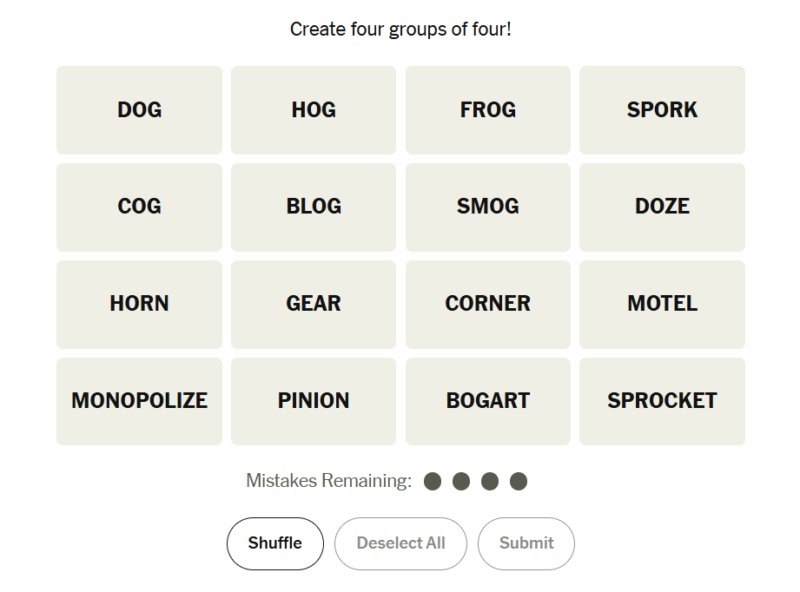
NYT Connections Hints: 15 March 2026
Category 1:
- Think about taking more than your fair share.
- These words relate to dominating resources or control.
- Often used when someone is being selfish or possessive.
- All four describe aggressively keeping something for yourself.
Category 2:
- Picture machinery or bicycles.
- These parts are commonly involved in mechanical motion.
- They help transfer rotation or movement.
- All are circular components with teeth.
Category 3:
- These are examples of blended words.
- Each combines pieces of two different words.
- The meaning reflects the two words being merged.
- This is a common linguistic phenomenon in English.
Category 4:
- Each word pairs with the same word placed in front.
- The resulting phrases are common English terms.
- Think of animals, sleep, or loud sounds.
- The shared starting word completes all four.
NYT Connections Answers: 15 March 2026
Here are the answers, grouped by category.
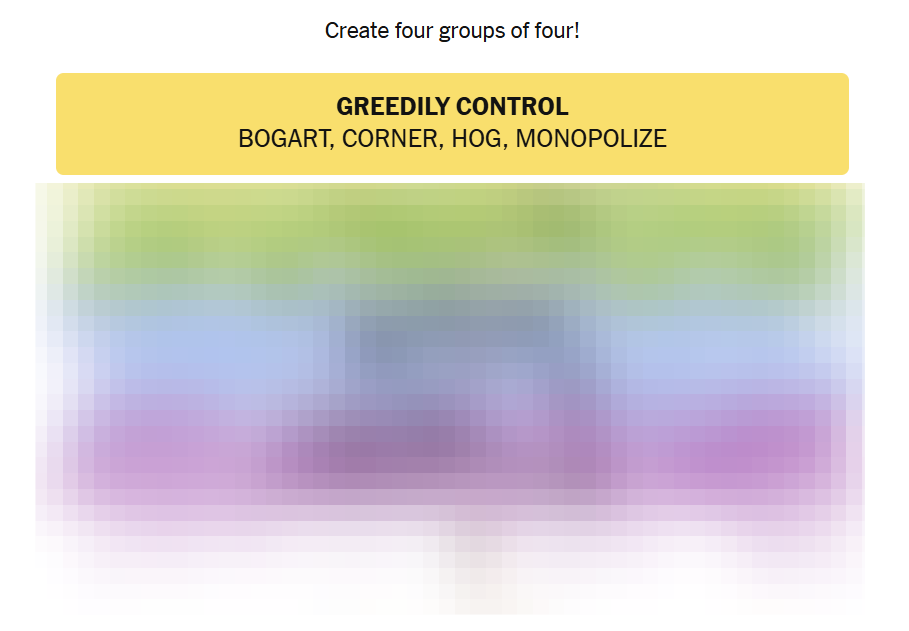
Category 1:
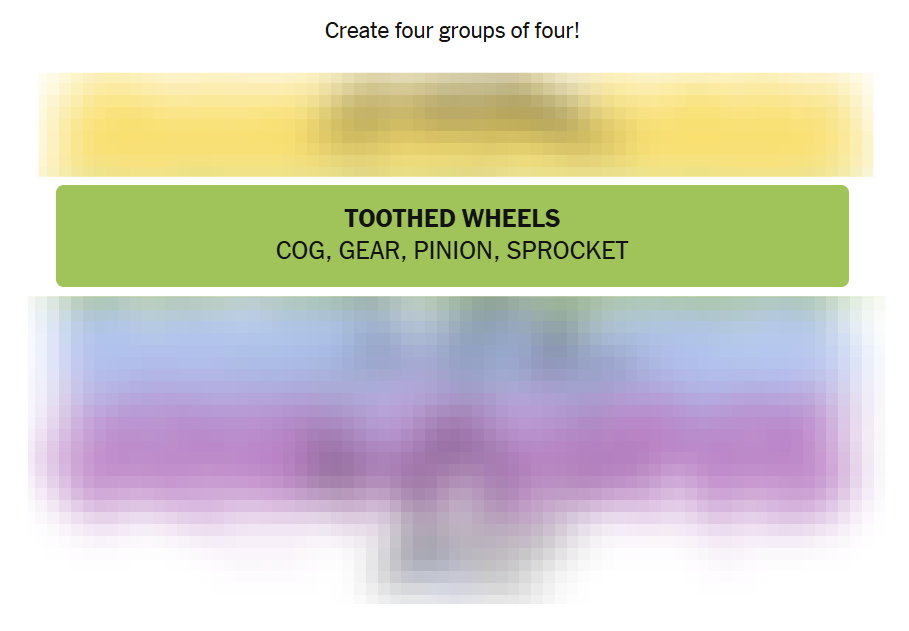
Category 2:
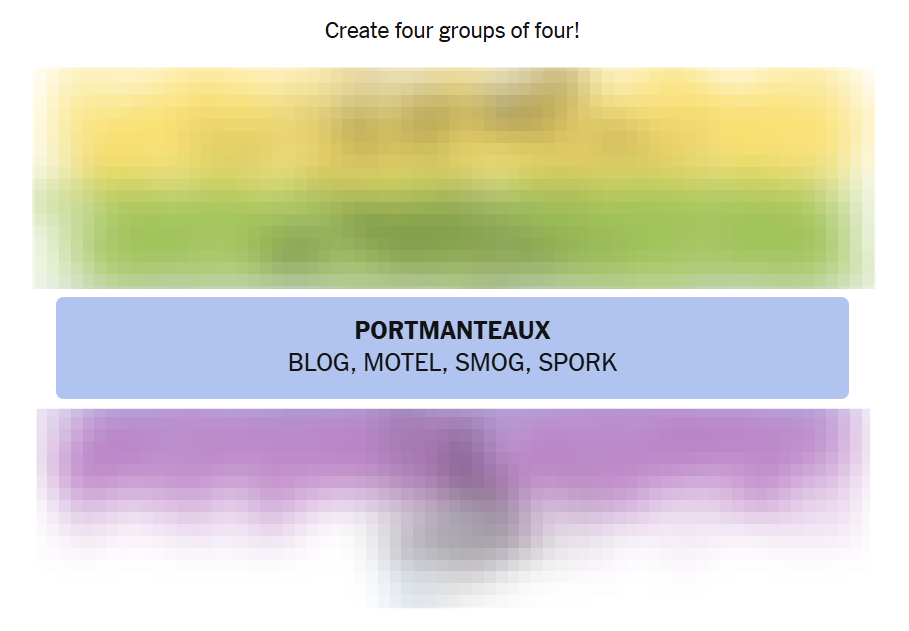
Category 3:
Category 4:
Conclusion & Quick Strategy Tip
The 15 March 2026 Connections puzzle balances straightforward action words with trickier conceptual links, making it satisfying once everything clicks. Quick strategy tip: lock in obvious verb groups early, then examine remaining words for structural patterns or shared cultural references.