The New York Times Connections puzzle challenges players to sort 16 seemingly unrelated words into four connected groups. Each group shares a hidden link. Today’s grid blends physical actions, clever rearrangements, and nostalgic references, making it both playful and slightly deceptive. Below you’ll find gentle hints to guide your thinking, followed by the complete solutions once you’re ready to check your work.
NYT Connections Puzzle Overview: 14 April 2026
Today’s grid had a nice balance of straightforward categories and one slightly sneaky wordplay-based group. Some connections, like the sports-related terms, were easier to spot, while others required thinking about prefixes or meanings. It’s the kind of puzzle where early confidence can quickly turn into second-guessing.
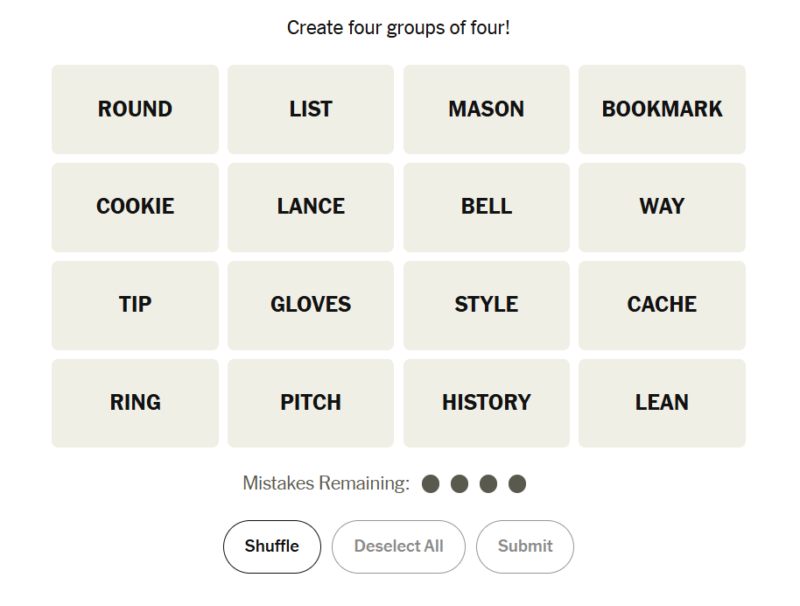
NYT Connections Hints: 14 April 2026
Category 1:
- Think about your everyday internet usage
- These are saved automatically while browsing
- They help with faster loading or remembering preferences
- All relate to stored web data
Category 2:
- A physical sport comes to mind
- Imagine a match setting
- Equipment and structure are both included
- Common terms heard during a fight
Category 3:
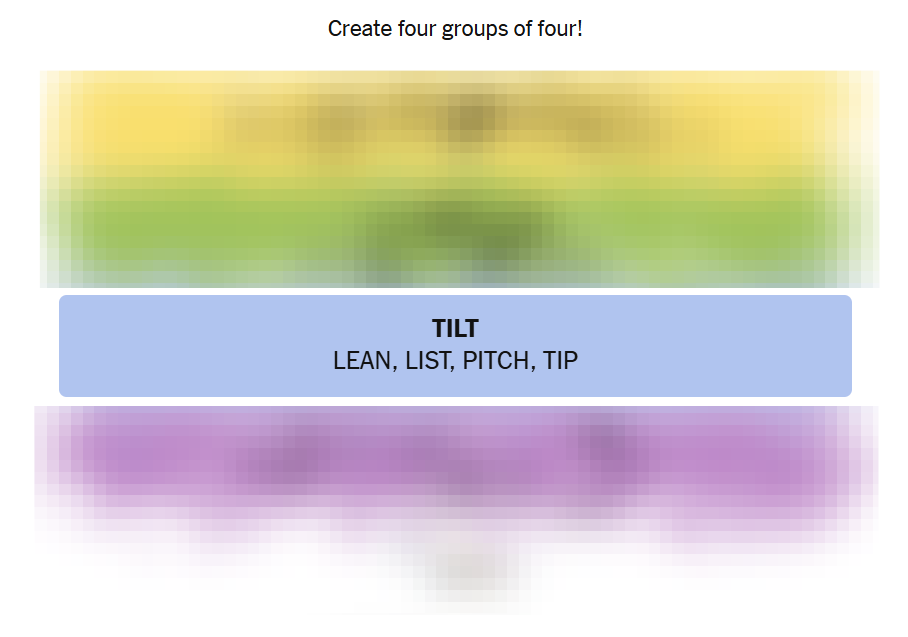
- Words that suggest slanting or angling
- Often used in writing or positioning
- Can describe perspective or direction
- Think of subtle shifts rather than extremes
Category 4:
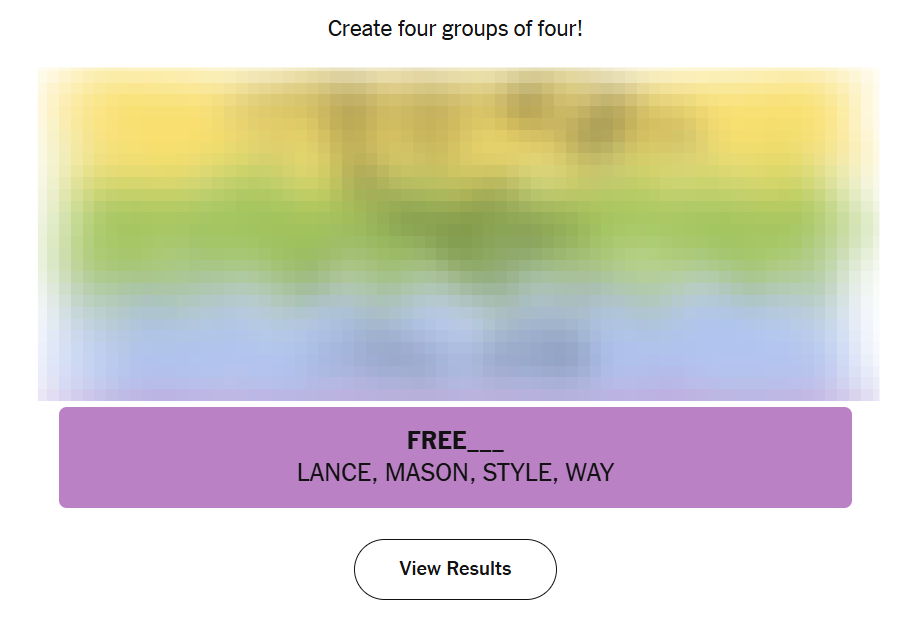
- A word comes before all of these
- That word suggests something without cost
- Each forms a common phrase
- You’ve likely heard all of them in everyday speech
NYT Connections Answers: 14 April 2026
Here are the answers, grouped by category.
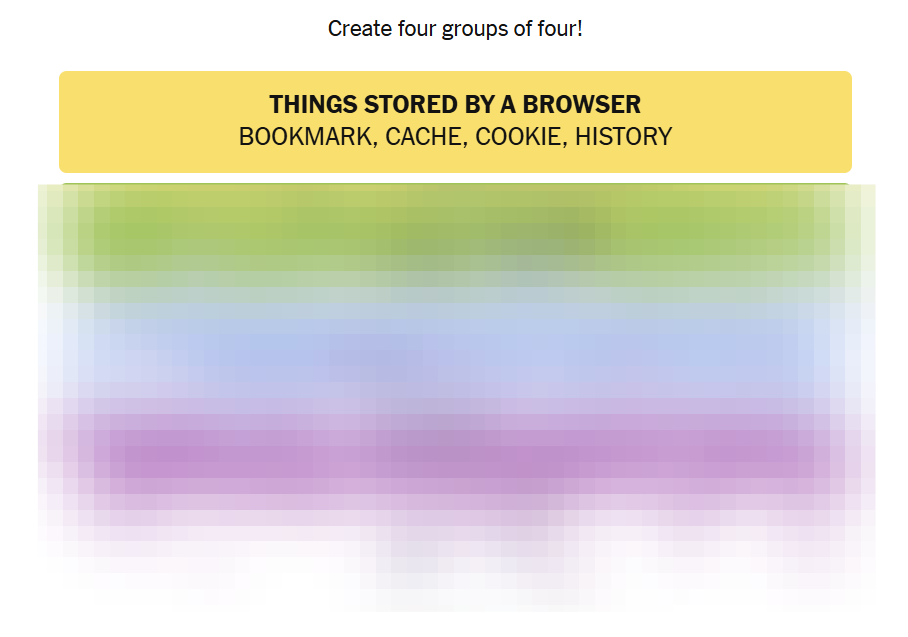
Category 1:
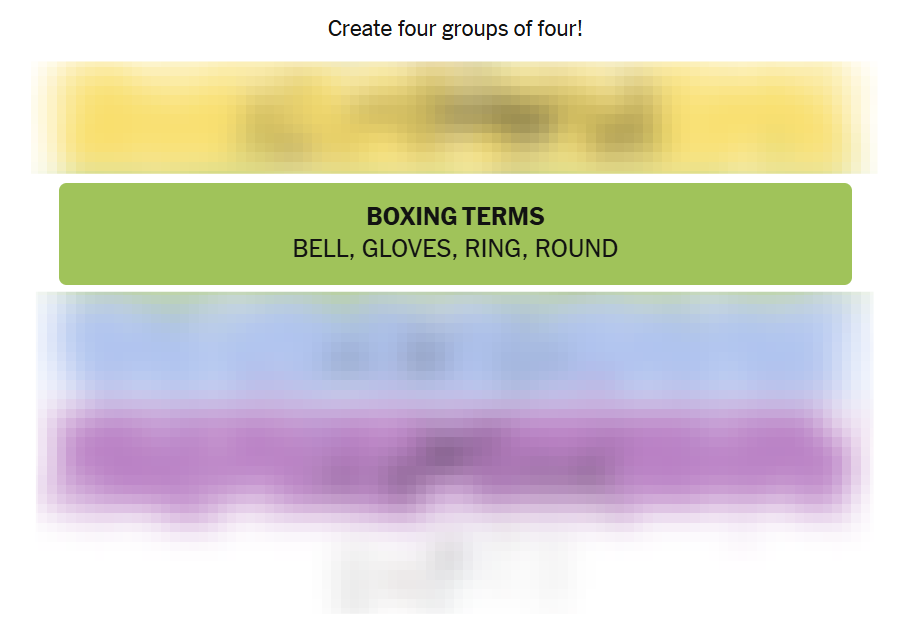
Category 2:
Category 3:
Category 4:
Conclusion & Quick Strategy Tip
The 14 April 2026 Connections puzzle balances straightforward action words with trickier conceptual links, making it satisfying once everything clicks. Quick strategy tip: lock in obvious verb groups early, then examine remaining words for structural patterns or shared cultural references.