The New York Times Connections puzzle challenges players to sort 16 seemingly unrelated words into four connected groups. Each group shares a hidden link. Today’s grid blends physical actions, clever rearrangements, and nostalgic references, making it both playful and slightly deceptive. Below you’ll find gentle hints to guide your thinking, followed by the complete solutions once you’re ready to check your work.
NYT Connections Puzzle Overview: 12 April 2026
Today’s grid leaned into a balance of literal and conceptual groupings. Some categories were grounded in physical objects you could easily visualize, while others played with meanings and interpretations. The mix created a satisfying challenge where one or two groups likely clicked quickly, but the remaining ones required careful thought and elimination.
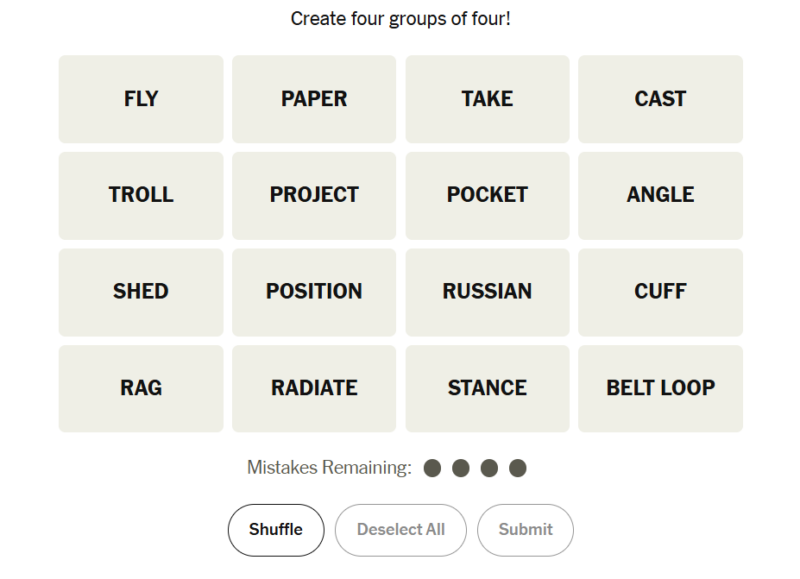
NYT Connections Hints: 12 April 2026
Category 1:
- Think of parts commonly found on a specific clothing item
- These are structural or functional details
- You interact with these daily without thinking
- All relate to something you wear on your lower body
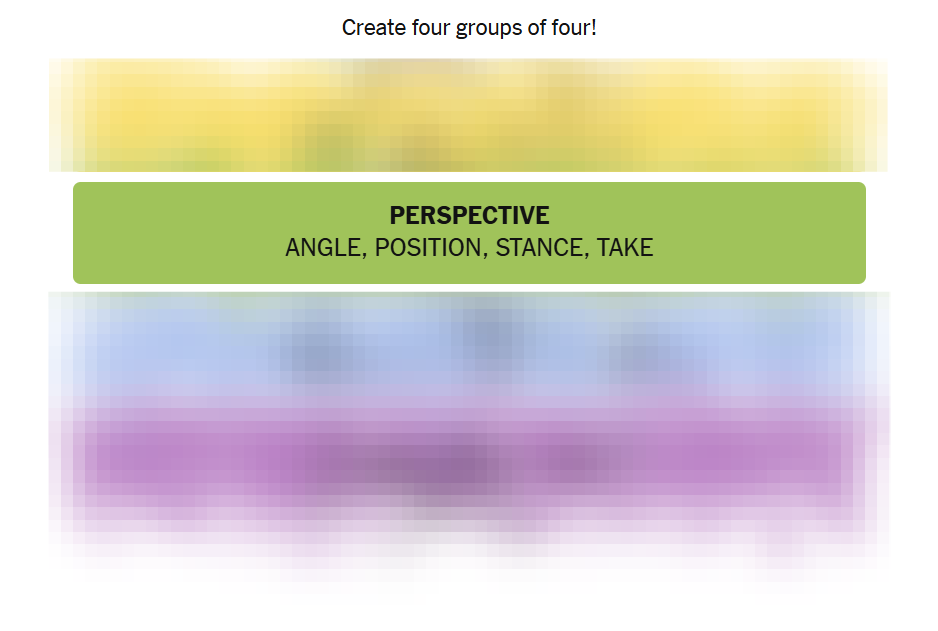
Category 2:
- This group is about viewpoints or ways of seeing things
- Often used in discussions or debates
- Can describe physical or mental positioning
- Synonyms for how someone approaches a situation
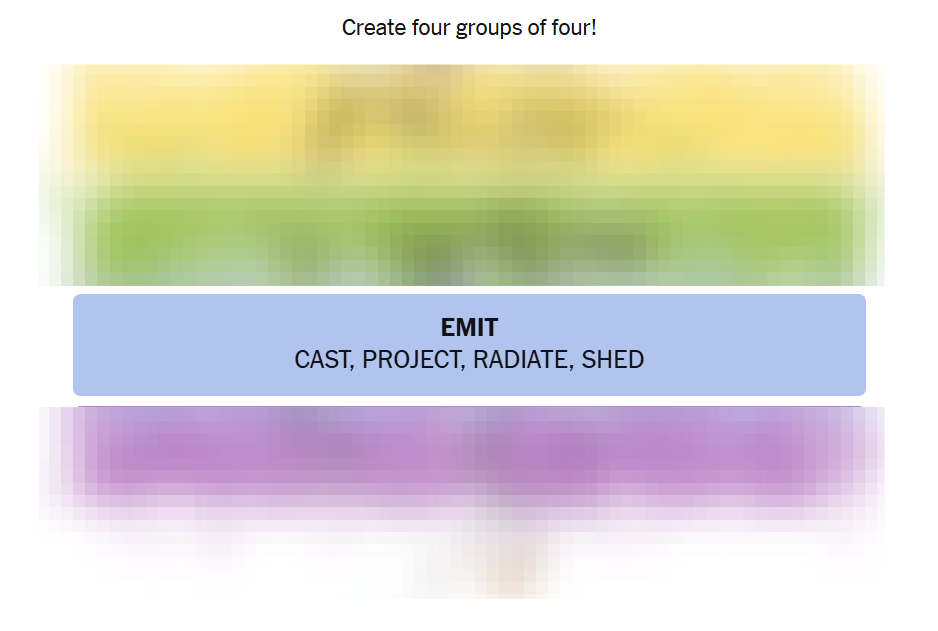
Category 3:
- These words involve giving off or sending out something
- Often used with light, energy, or influence
- Think verbs that describe outward movement
- All imply something originating and spreading
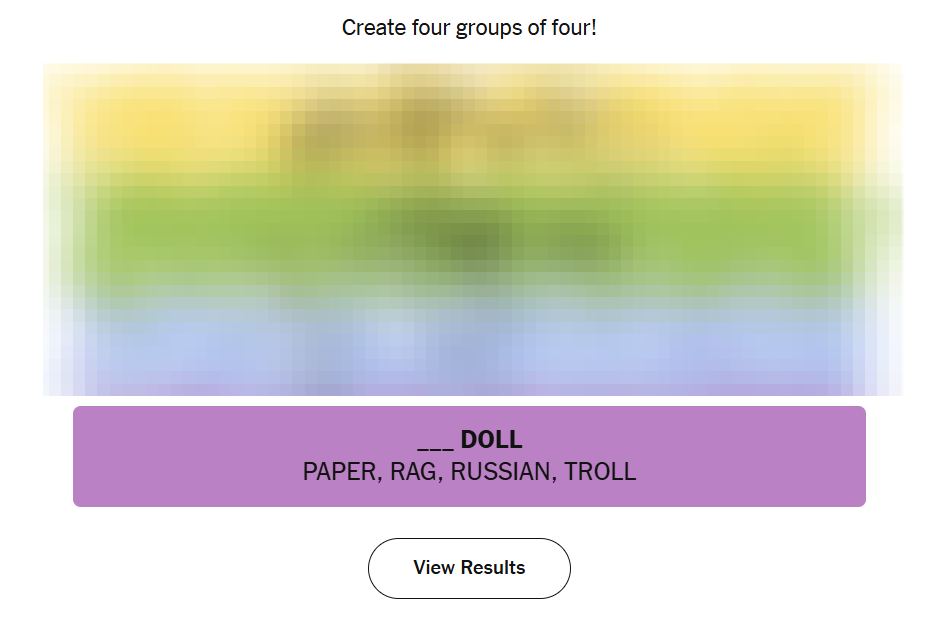
Category 4:
- A common word can follow each of these
- Think toys or figures
- Each forms a familiar compound phrase
- The shared word comes at the end
NYT Connections Answers: 12 April 2026
Here are the answers, grouped by category.
Category 1:

Category 2:
Category 3:
Category 4:
Conclusion & Quick Strategy Tip
The 12 April 2026 Connections puzzle balances straightforward action words with trickier conceptual links, making it satisfying once everything clicks. Quick strategy tip: lock in obvious verb groups early, then examine remaining words for structural patterns or shared cultural references.