The New York Times Connections puzzle challenges players to sort 16 seemingly unrelated words into four connected groups. Each group shares a hidden link. Today’s grid blends physical actions, clever rearrangements, and nostalgic references, making it both playful and slightly deceptive. Below you’ll find gentle hints to guide your thinking, followed by the complete solutions once you’re ready to check your work.
NYT Connections Puzzle Overview: 10 February 2026
Today’s grid leaned into clear themes that only fully clicked once you stopped reading words literally. Several groups looked deceptively obvious, while one relied on recognizing how words transform when paired with familiar prefixes or contexts. Many solvers likely felt confident early, then paused briefly before everything snapped neatly into place.
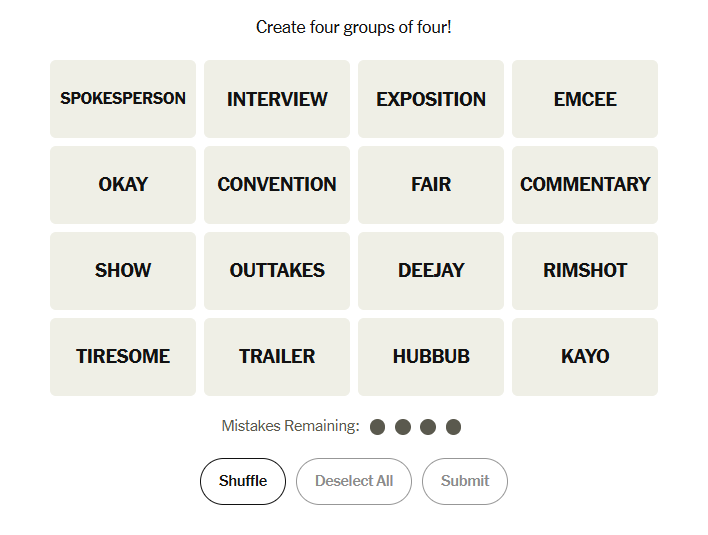
NYT Connections Hints: 10 February 2026
Category 1:
- Think of large public events people attend
- These words are often interchangeable in casual speech
- You might buy tickets or wander booths here
- They’re commonly associated with crowds and displays
Category 2:
- Say these out loud to hear what’s happening
- Each word represents letters spoken, not spelled
- Often used in music, radio, or casual confirmation
- They sound informal but have a precise structure
Category 3:
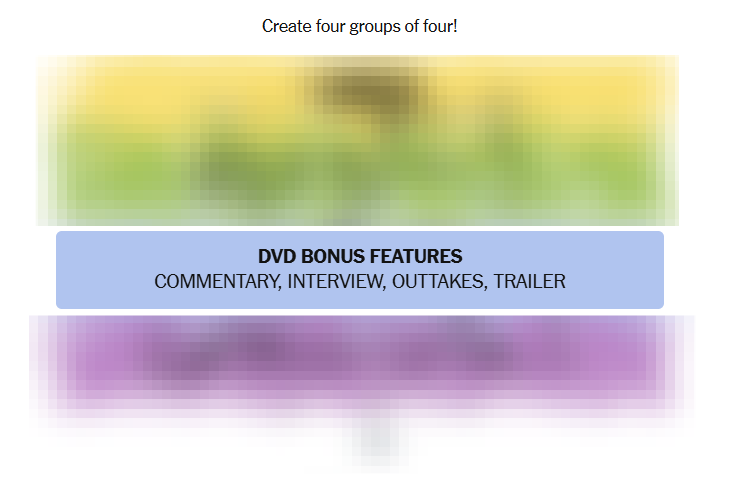
- These show up when watching movies at home
- Not part of the main feature itself
- Usually optional extras viewers enjoy
- Common on physical media menus
Category 4:
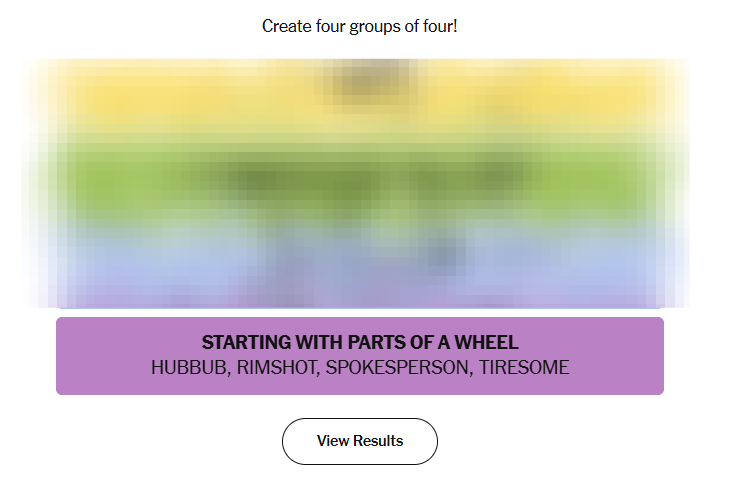
- Look at the beginning of each word closely
- The starting segment matters more than the meaning
- Each word extends from a shared object
- Think mechanical before abstract
NYT Connections Answers: 10 February 2026
Here are the answers, grouped by category.
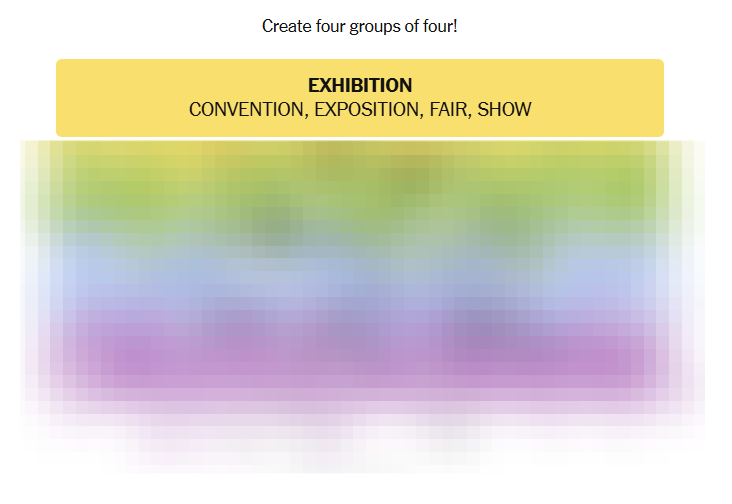
Category 1:
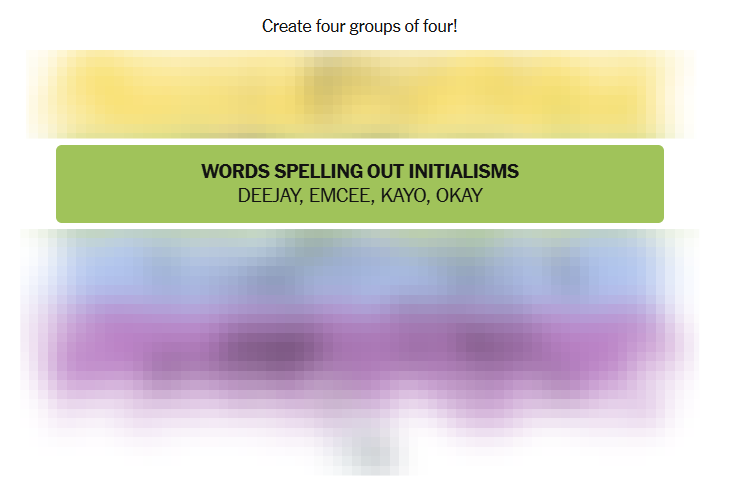
Category 2:
Category 3:
Category 4:
Conclusion & Quick Strategy Tip
The 10 February 2026 Connections puzzle balances straightforward action words with trickier conceptual links, making it satisfying once everything clicks. Quick strategy tip: lock in obvious verb groups early, then examine remaining words for structural patterns or shared cultural references.