The New York Times Connections puzzle challenges players to sort 16 seemingly unrelated words into four connected groups. Each group shares a hidden link. Today’s grid blends physical actions, clever rearrangements, and nostalgic references, making it both playful and slightly deceptive. Below you’ll find gentle hints to guide your thinking, followed by the complete solutions once you’re ready to check your work.
NYT Connections Puzzle Overview: 10 April 2026
Today’s grid had a balanced mix of literal and thematic groupings. Some categories, like food-related items, were easier to identify quickly, while others leaned on conceptual links or pop culture knowledge. The puzzle felt approachable overall, but one or two groups likely made players pause and reconsider their assumptions.
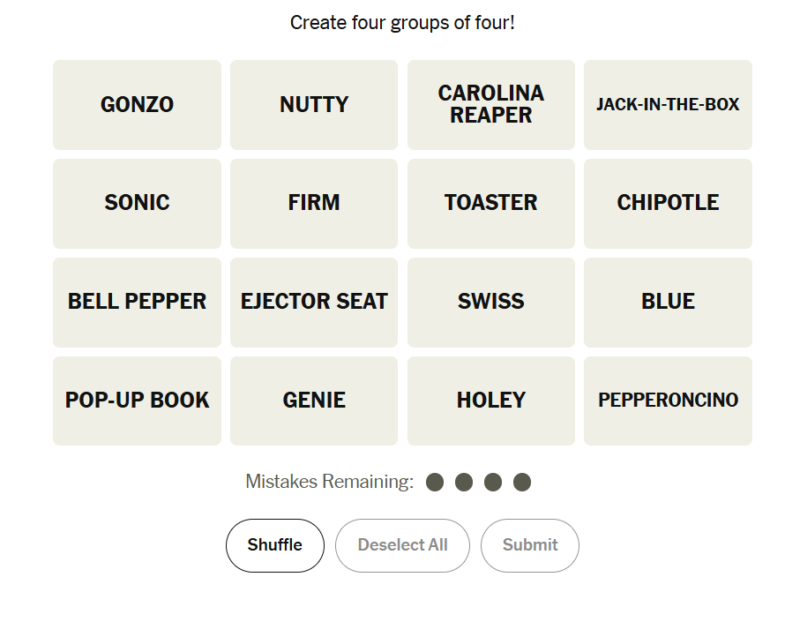
NYT Connections Hints: 10 April 2026
Category 1:
- Think of spicy ingredients often used in cooking
- These can vary widely in heat level
- Commonly found in cuisines around the world
- All are types of the same vegetable
Category 2:
- These items involve sudden motion or surprise
- You might associate them with quick upward movement
- Some are toys, others are functional objects
- The common idea is something springing into action
Category 3:
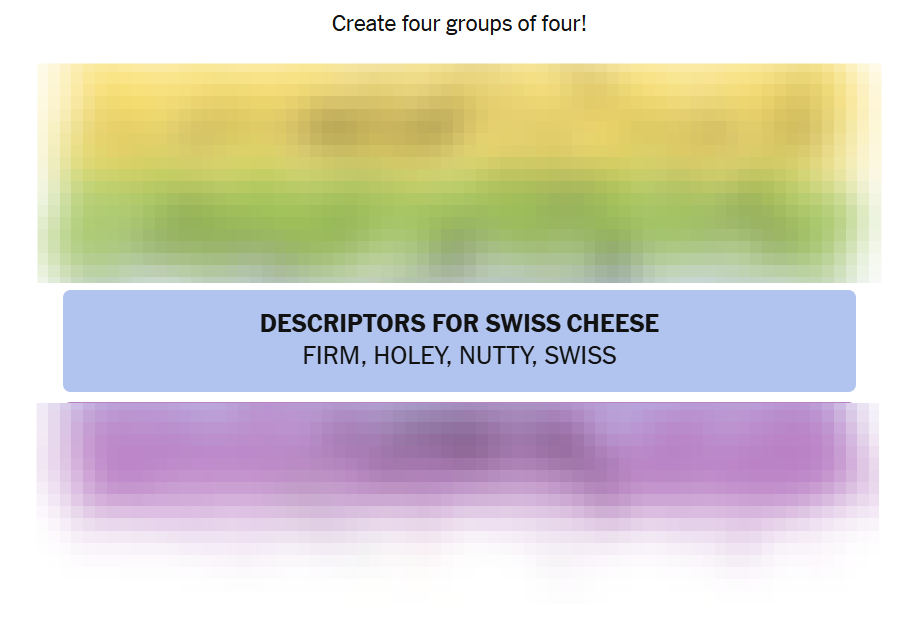
- These words describe a specific type of cheese
- Think about texture and taste
- One term might also double as the cheese’s origin
- Often used in food descriptions
Category 4:
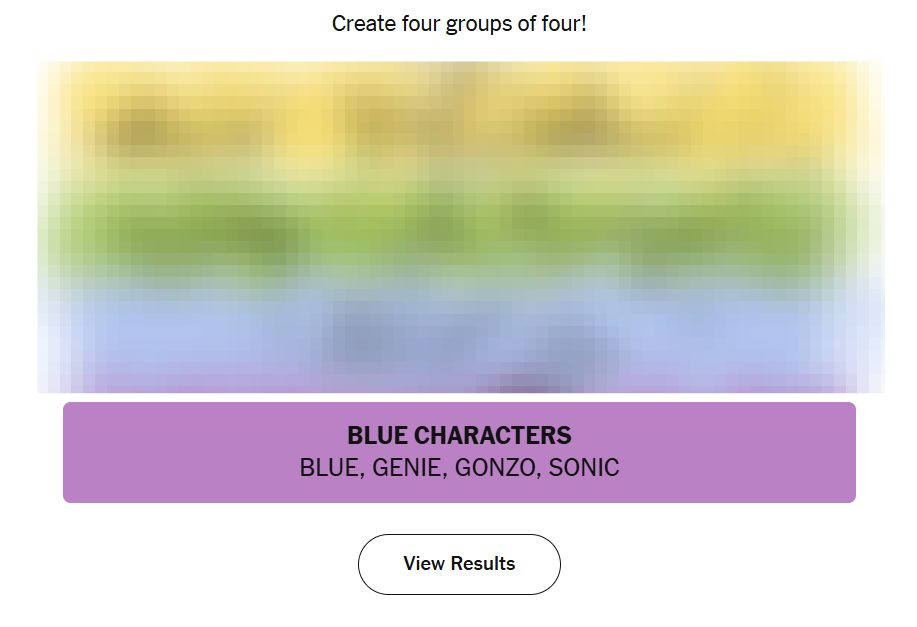
- These are well-known fictional or animated figures
- All share a common visual trait
- Found across different media like games, shows, or comics
- The shared trait is part of their identity
NYT Connections Answers: 10 April 2026
Here are the answers, grouped by category.
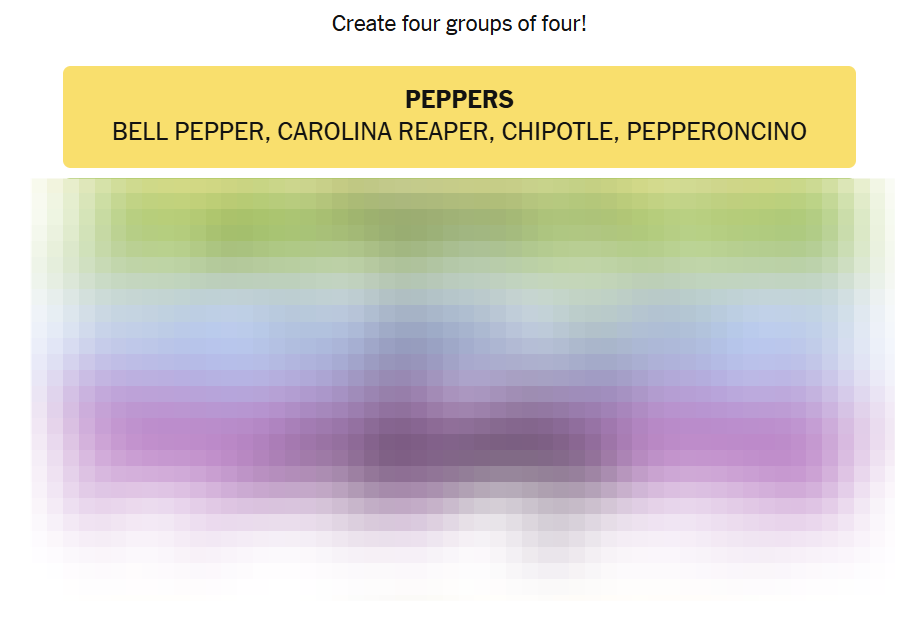
Category 1:
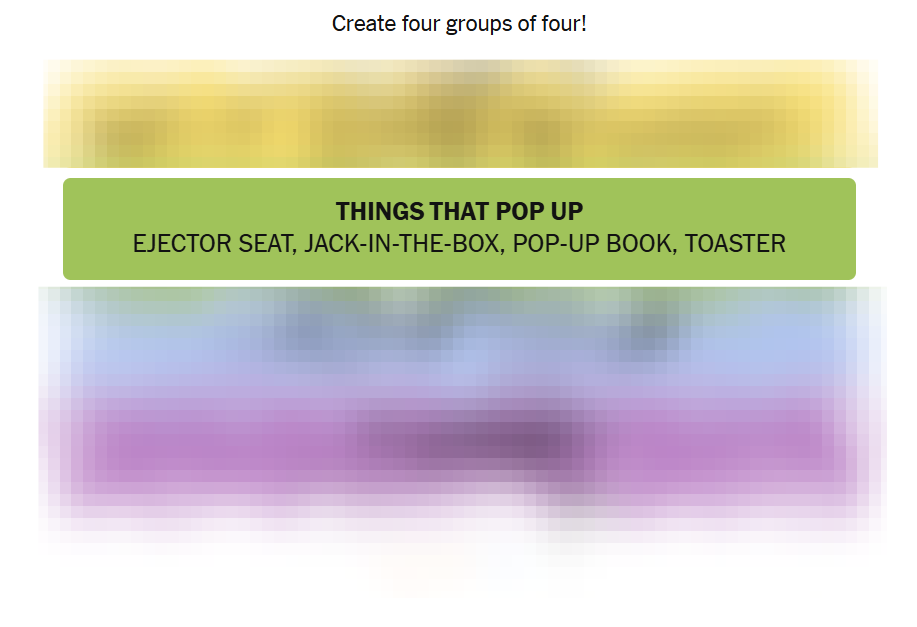
Category 2:
Category 3:
Category 4:
Conclusion & Quick Strategy Tip
The 10 April 2026 Connections puzzle balances straightforward action words with trickier conceptual links, making it satisfying once everything clicks. Quick strategy tip: lock in obvious verb groups early, then examine remaining words for structural patterns or shared cultural references.