The New York Times Connections puzzle challenges players to sort 16 seemingly unrelated words into four connected groups. Each group shares a hidden link. Today’s grid blends physical actions, clever rearrangements, and nostalgic references, making it both playful and slightly deceptive. Below you’ll find gentle hints to guide your thinking, followed by the complete solutions once you’re ready to check your work.
NYT Connections Puzzle Overview: 04 April 2026
Today’s puzzle had a nice balance of straightforward and tricky groupings. One category leaned on a familiar phrase, while another tested your knowledge of coastal geography. Meanwhile, subtle word associations and fill-in-the-blank logic added just enough difficulty to keep solvers guessing until the end.
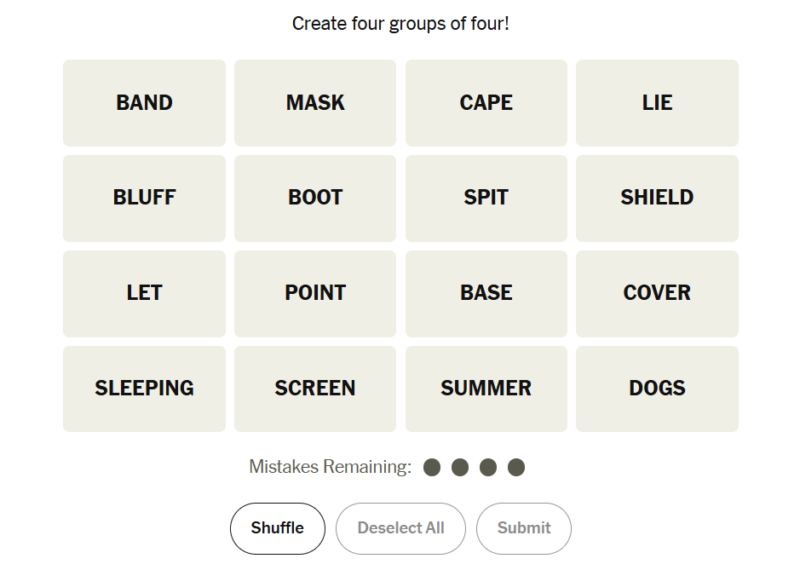
NYT Connections Hints: 04 April 2026
Category 1:
- Think of a common saying involving animals
- The phrase suggests leaving things undisturbed
- Each word is part of the same well-known expression
- Often used as advice
Category 2:
- These words relate to hiding or concealing
- Think about blocking visibility or information
- Could apply in both physical and abstract contexts
- Synonyms for covering something up
Category 3:
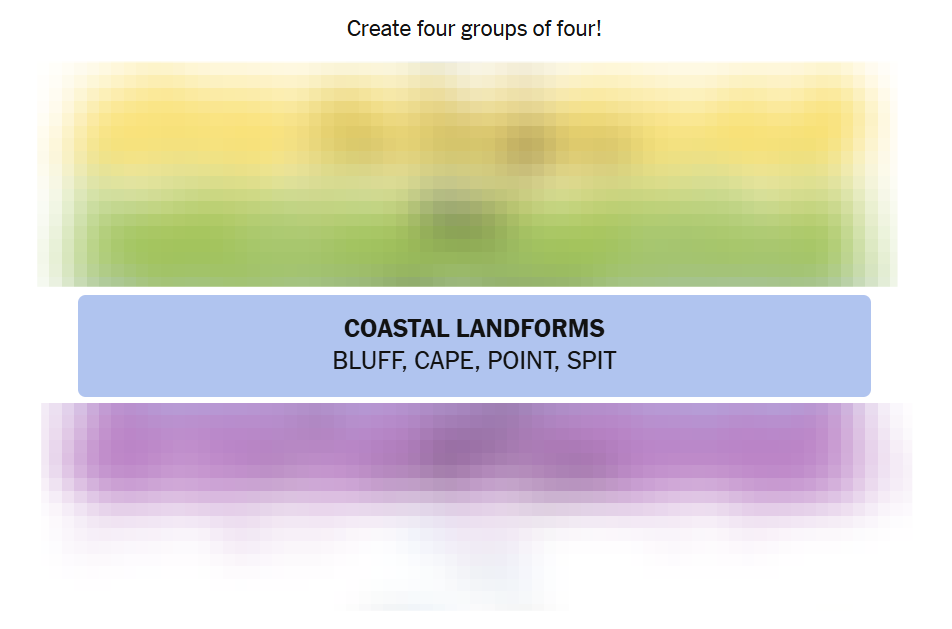
- These are geographic features
- Specifically found along coastlines
- Often appear in maps or travel descriptions
- Natural land formations by the sea
Category 4:
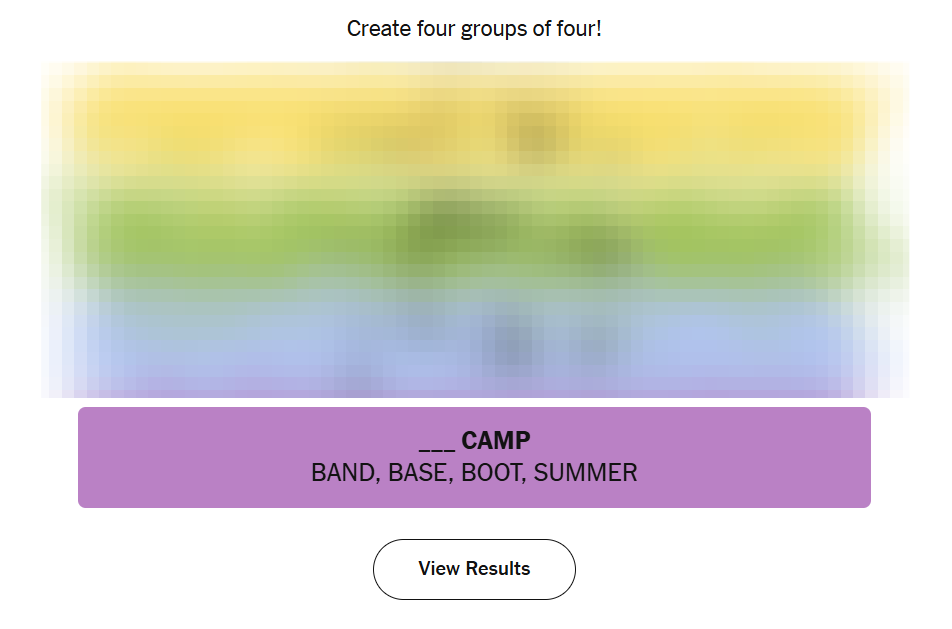
- Each word pairs with the same following word
- Think of a common outdoor activity setting
- The shared word completes familiar phrases
- Popular in seasonal or training contexts
NYT Connections Answers: 04 April 2026
Here are the answers, grouped by category.
Category 1:
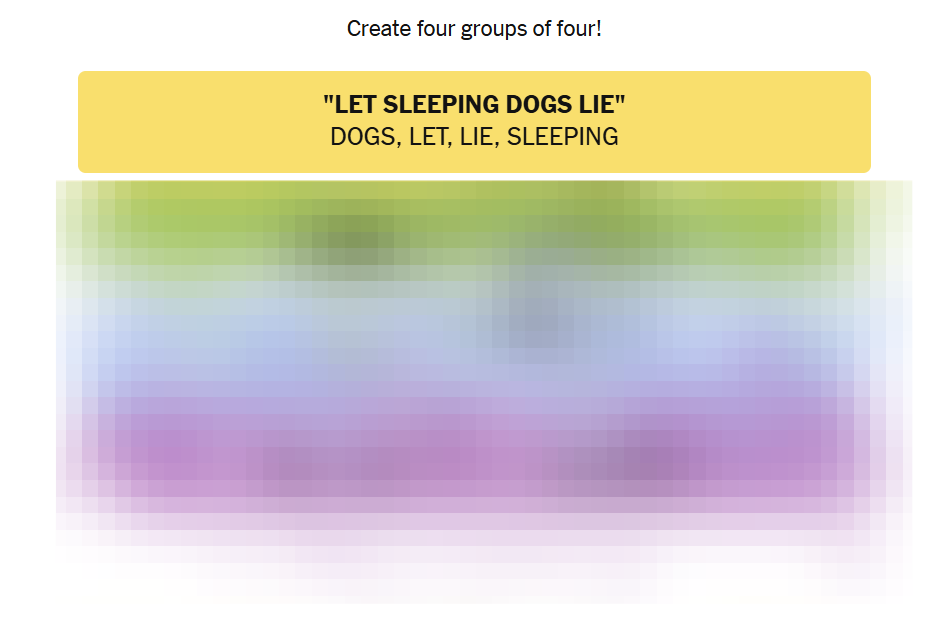
Category 2:
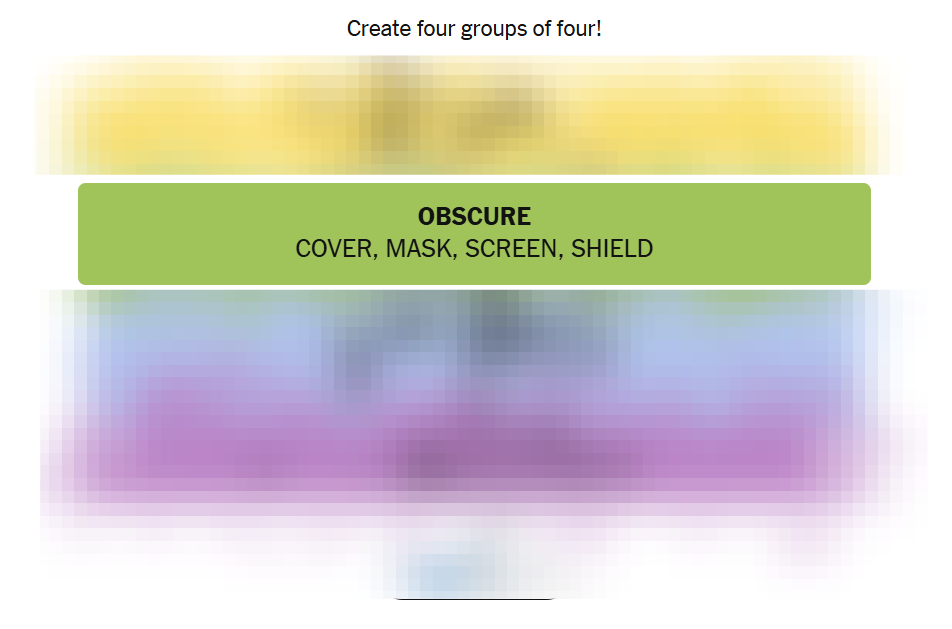
Category 3:
Category 4:
Conclusion & Quick Strategy Tip
The 04 April 2026 Connections puzzle balances straightforward action words with trickier conceptual links, making it satisfying once everything clicks. Quick strategy tip: lock in obvious verb groups early, then examine remaining words for structural patterns or shared cultural references.