The New York Times Connections puzzle challenges players to sort 16 seemingly unrelated words into four connected groups. Each group shares a hidden link. Today’s grid blends physical actions, clever rearrangements, and nostalgic references, making it both playful and slightly deceptive. Below you’ll find gentle hints to guide your thinking, followed by the complete solutions once you’re ready to check your work.
NYT Connections Puzzle Overview: 03 April 2026
This puzzle had a balanced mix of straightforward synonyms and more thematic groupings. Some categories relied on tone or intent, while others required recognizing phrases or compound meanings. The overlap between certain words made mis-grouping easy, especially if you didn’t spot the underlying pattern early.
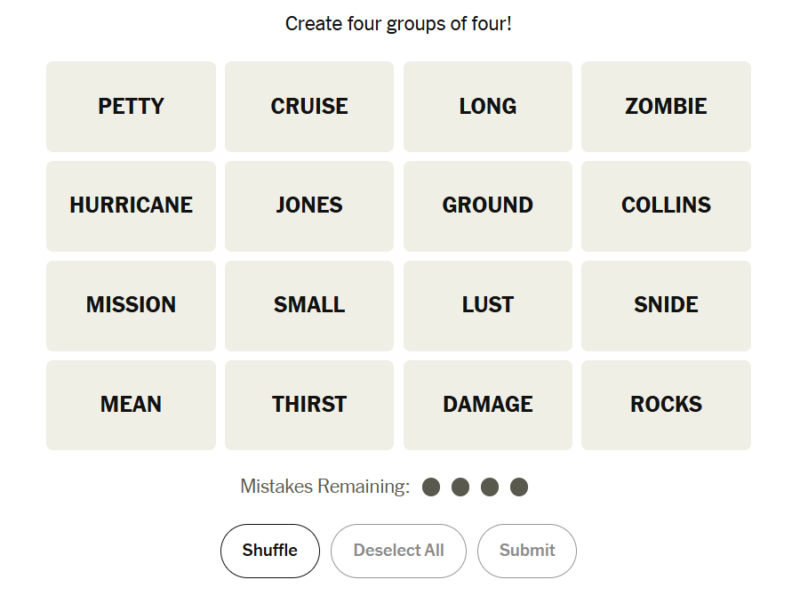
NYT Connections Hints: 03 April 2026
Category 1:
- Think of words used to describe someone being unkind in a subtle way
- Often associated with gossip or passive insults
- These words describe behavior rather than actions
- All lean toward negativity in personality
Category 2:
- These words relate to strong desire or craving
- Often used figuratively, not literally
- You might hear them in emotional or dramatic contexts
- They can follow a specific phrase meaning “to yearn”
Category 3:
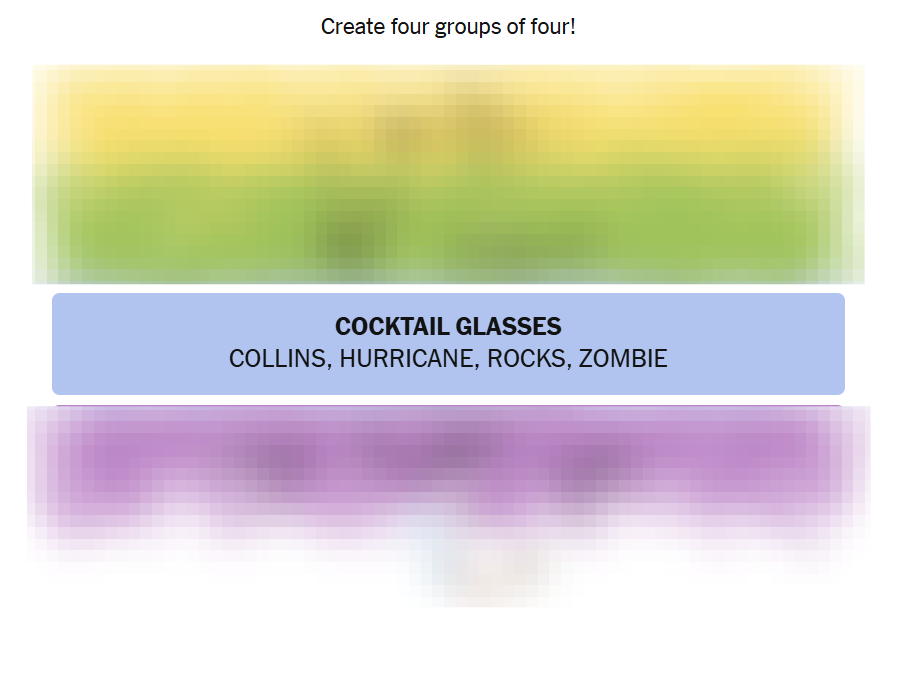
- These are types of drinkware
- Commonly found in bars or cocktail menus
- Each is associated with a specific style of drink
- Think mixology and presentation
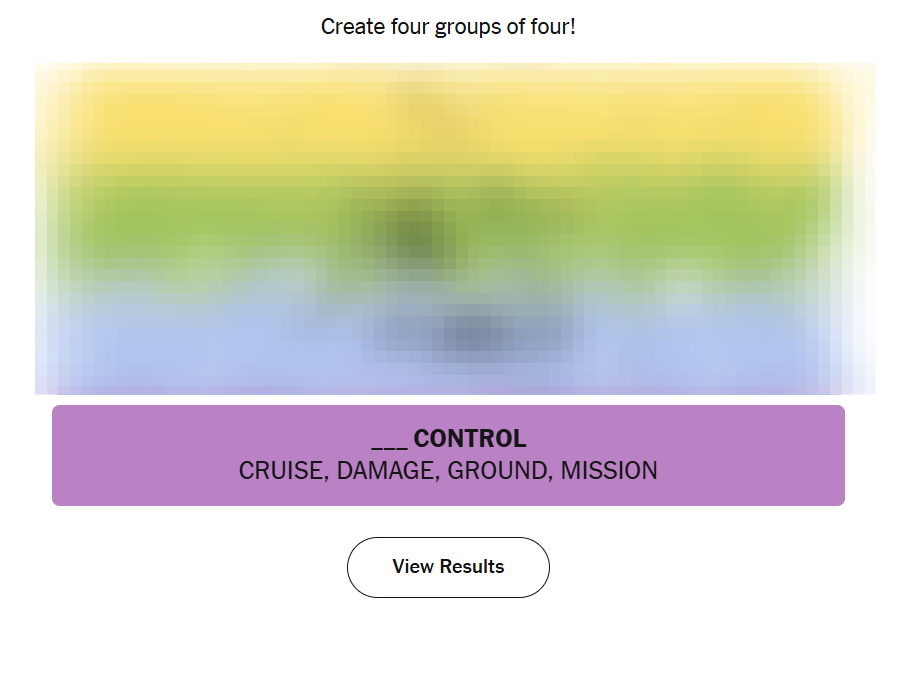
Category 4:
- These words commonly follow the same preceding term
- Often used in formal or technical contexts
- You may hear them in aviation or operations
- The shared word implies authority or direction
NYT Connections Answers: 03 April 2026
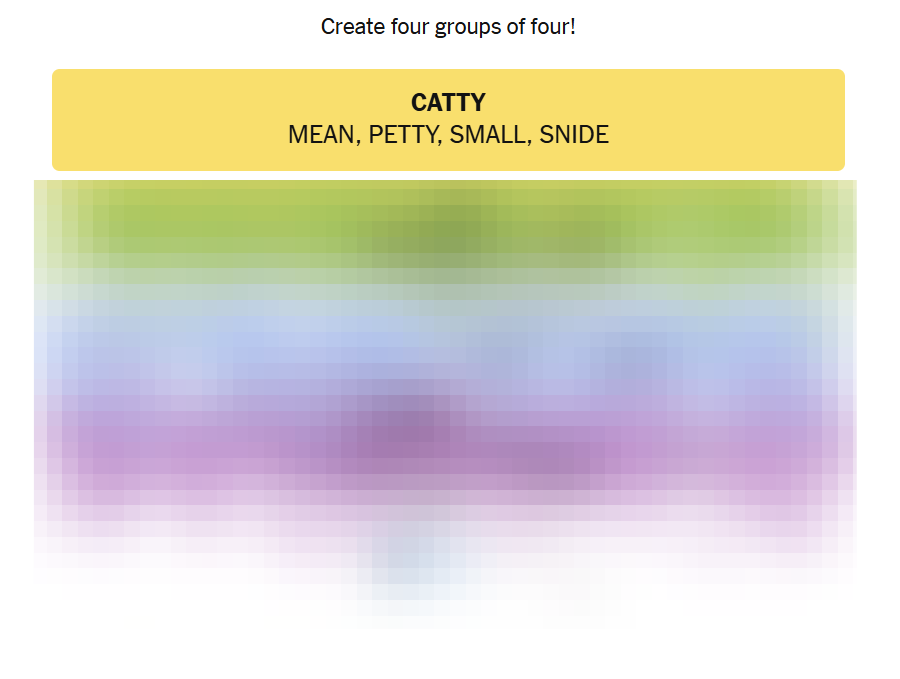
Here are the answers, grouped by category.
Category 1:
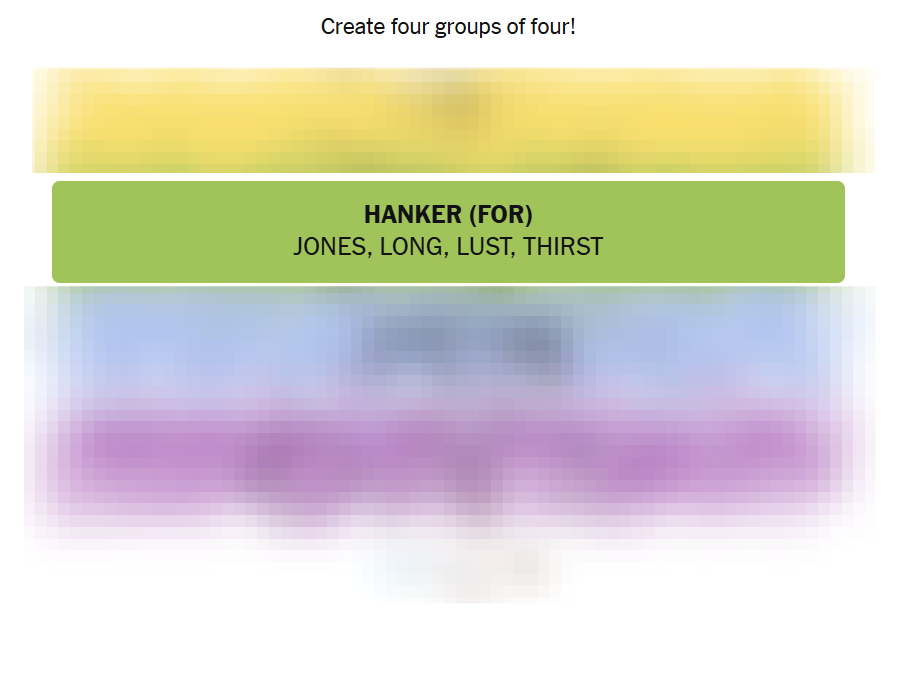
Category 2:
Category 3:
Category 4:
Conclusion & Quick Strategy Tip
The 03 April 2026 Connections puzzle balances straightforward action words with trickier conceptual links, making it satisfying once everything clicks. Quick strategy tip: lock in obvious verb groups early, then examine remaining words for structural patterns or shared cultural references.