The New York Times Connections puzzle challenges players to sort 16 seemingly unrelated words into four connected groups. Each group shares a hidden link. Today’s grid blends physical actions, clever rearrangements, and nostalgic references, making it both playful and slightly deceptive. Below you’ll find gentle hints to guide your thinking, followed by the complete solutions once you’re ready to check your work.
NYT Connections Puzzle Overview: 01 April 2026
Today’s puzzle felt approachable yet satisfying, with categories that many players likely recognized quickly once they spotted the theme. The grid leaned into familiar names across entertainment, beverages, and U.S. culture. The challenge mainly came from separating overlapping associations before locking in the correct four-word groups.
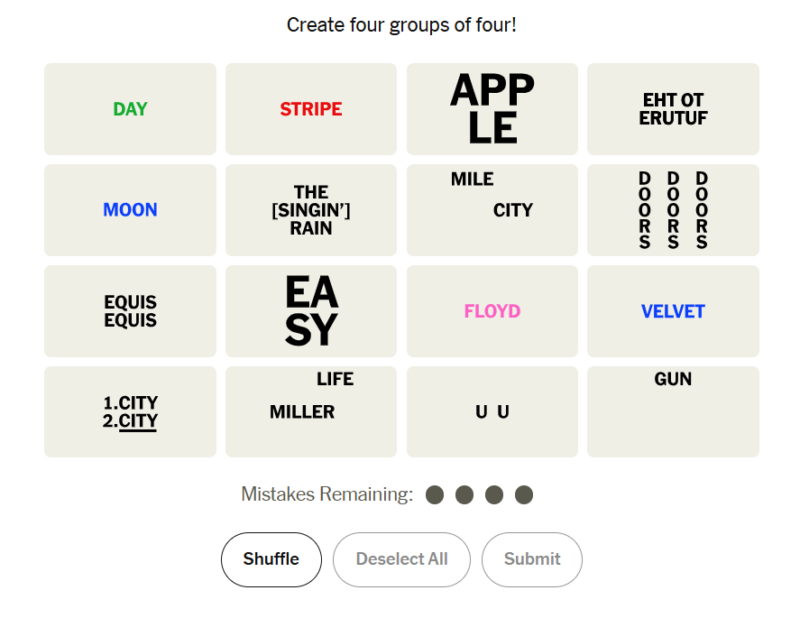
NYT Connections Hints: 01 April 2026
Category 1:
- Think of popular alcoholic beverages you might find at a bar
- These are globally recognized labels
- Each name refers to a specific brew
- Nothing here relates to music or movies
Category 2:
- These names belong to famous music groups
- Focus on bands, not solo artists
- All are associated with rock or alternative genres
- You might recognize them from classic hits
Category 3:
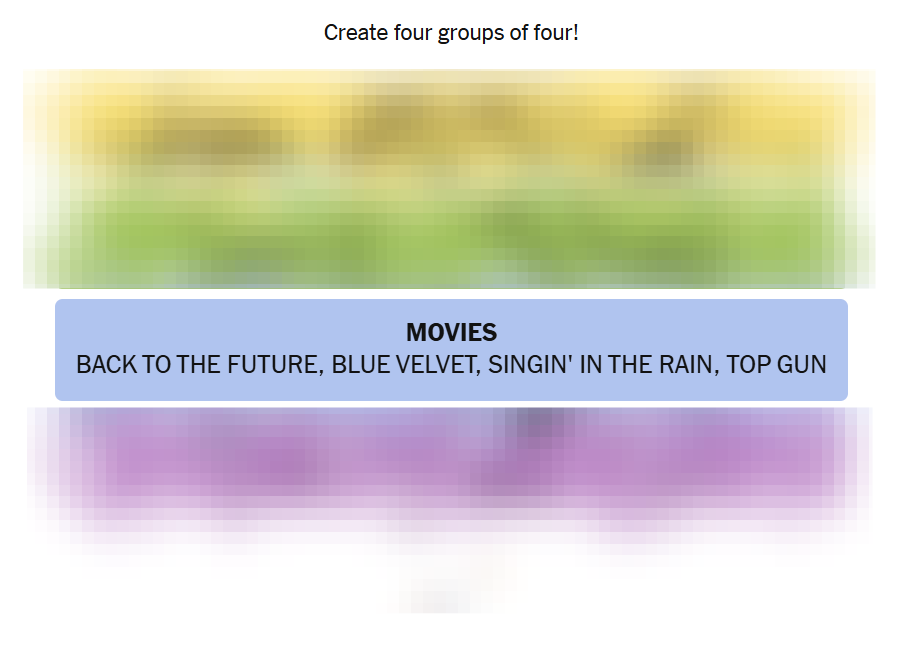
- Titles from the big screen
- A mix of classic and widely loved films
- Includes both musical and action genres
- Think Hollywood, not music albums
Category 4:
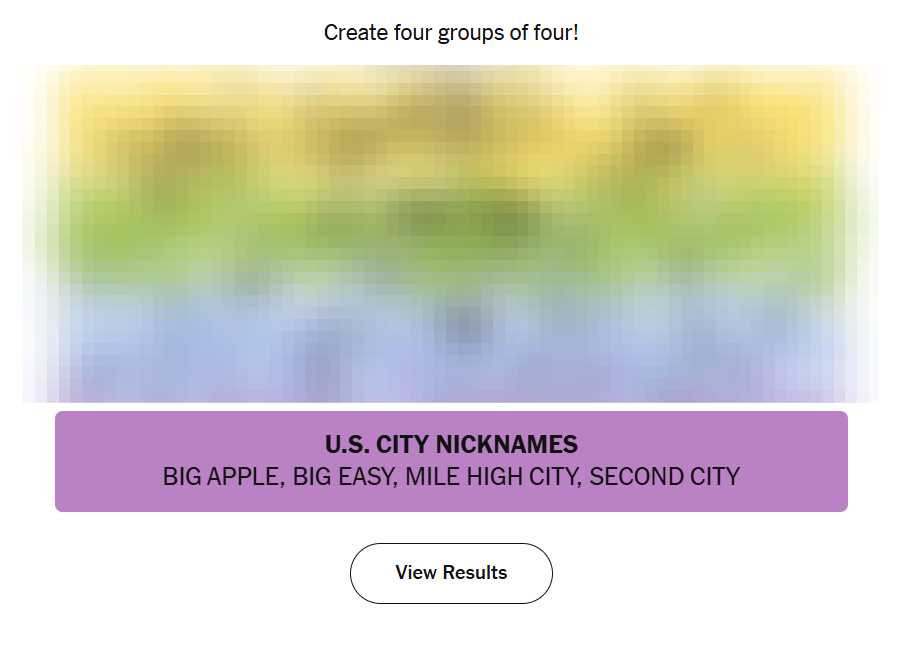
- Informal names for well-known U.S. cities
- Often used in media and conversation
- Each nickname reflects a city’s identity
- Geography is the key connection here
NYT Connections Answers: 01 April 2026
Here are the answers, grouped by category.
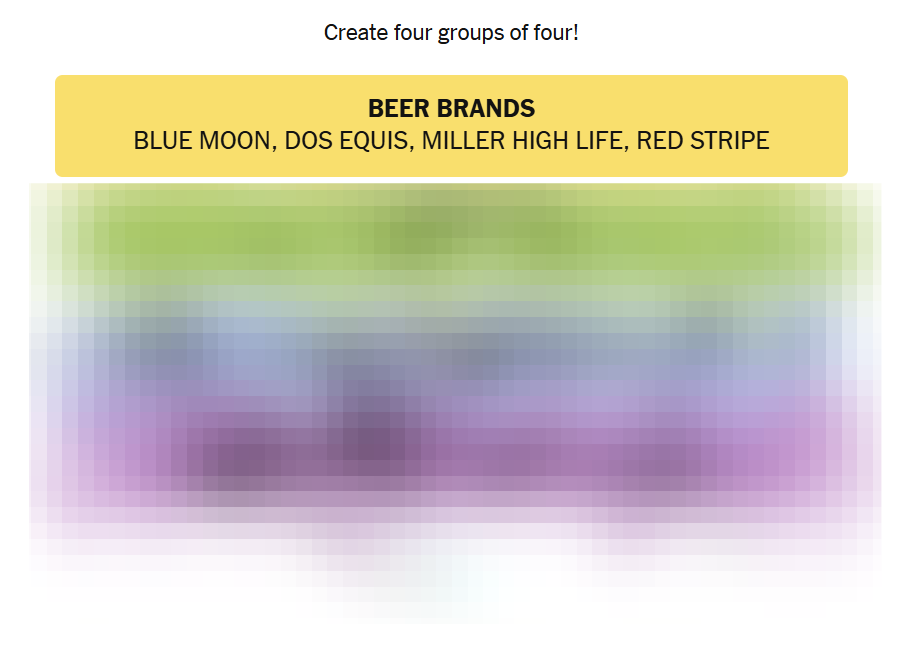
Category 1:
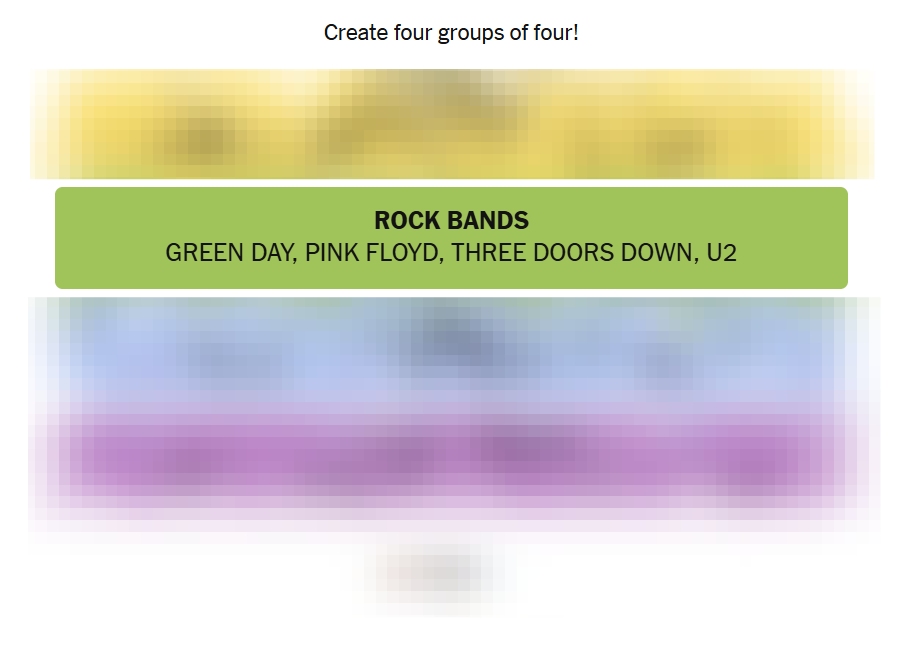
Category 2:
Category 3:
Category 4:
Conclusion & Quick Strategy Tip
The 01 April 2026 Connections puzzle balances straightforward action words with trickier conceptual links, making it satisfying once everything clicks. Quick strategy tip: lock in obvious verb groups early, then examine remaining words for structural patterns or shared cultural references.