- What to know
- Nioh 3 Attack +1 node investment
- Where to find the Attack +1 nodes in the skill trees
- How to efficiently invest excess skill points
- Why these nodes are more valuable than they look
- Samurai vs Ninja investment priority
- How this compares to past Nioh titles
- When should you start investing here
- Real impact on endgame damage scaling
- Should you ever ignore these nodes?
- Turning surplus points into permanent power
What to know
- Attack (Samurai) +1 and Attack (Ninja) +1 permanently increase your melee attack.
- The bonus applies regardless of weapon type you are using.
- Each investment adds +1 to your melee attack stat, stacking over time.
- You can quickly find these nodes using the Skill List shortcut (Square button).
If you have been stockpiling Samurai or Ninja skill points in Nioh 3, you might be sitting on free damage without realizing it. Many players focus heavily on unlocking new active skills or combo extensions, but once your core build is set, those leftover points can quietly become one of the most efficient damage upgrades in the game.
Across recent gameplay breakdowns, community testing, and Reddit, players have confirmed that investing surplus points into the Attack +1 nodes inside the Samurai and Ninja trees provides a direct and unconditional melee damage increase. It functions similarly to hidden passive bonuses seen in previous entries like Nioh 2, but here it is more transparent and consistently scalable.
Nioh 3 Attack +1 node investment
| Category | Samurai Skill Tree | Ninja Skill Tree |
|---|---|---|
| Node Name | Attack (Samurai) +1 | Attack (Ninja) +1 |
| Effect | +1 Melee Attack | +1 Melee Attack |
| Applies To | All weapons | All weapons |
| Scaling | Stacks per investment | Stacks per investment |
| Best For | Any melee build | Hybrid / Ninja-focused builds |
| Efficiency | High for surplus points | High for surplus points |
The reason these nodes are so strong is not complexity. It is consistency. They do not depend on stance, weapon category, buffs, or enemy conditions. You simply gain raw attack power.
Where to find the Attack +1 nodes in the skill trees
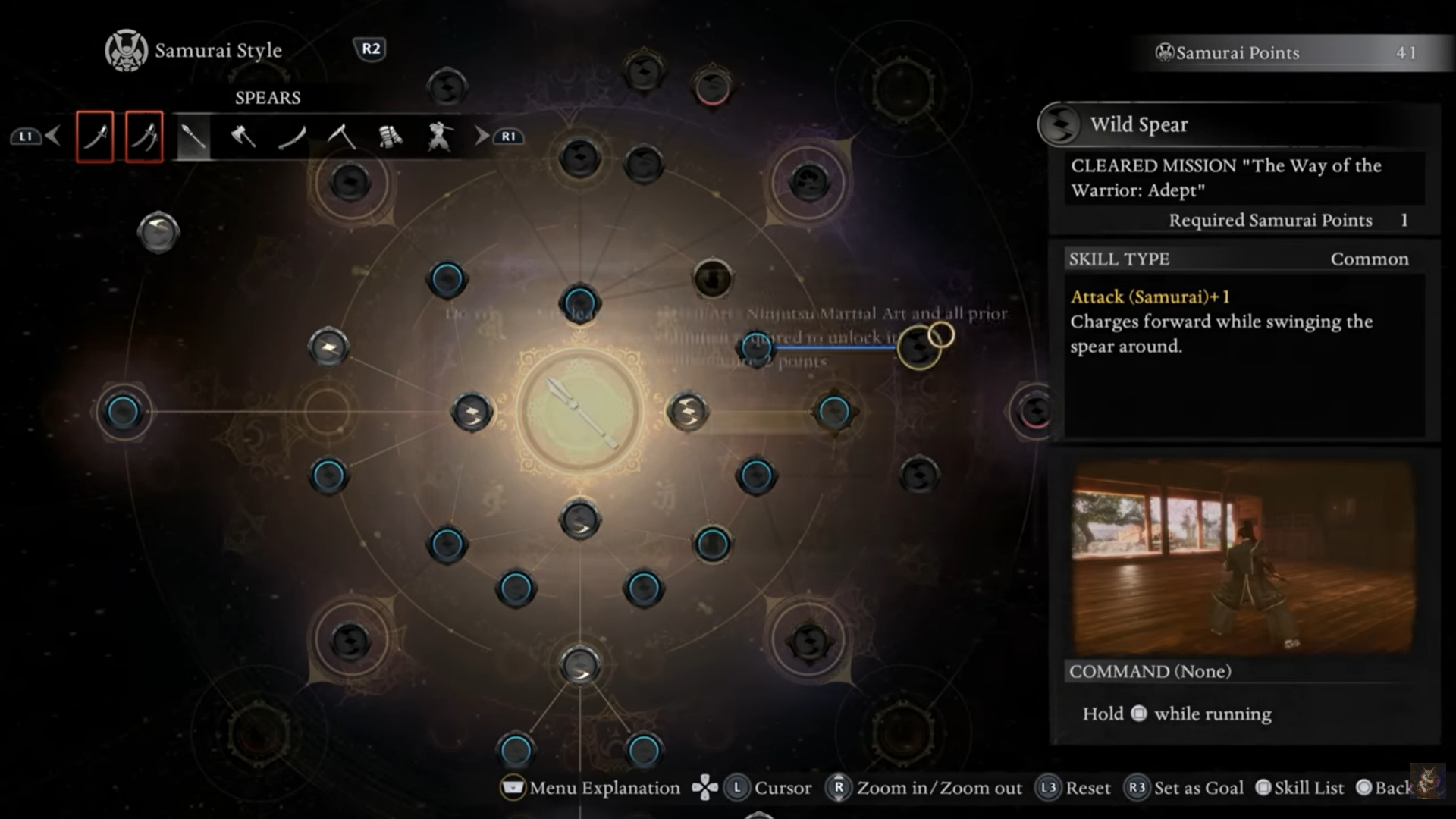
Inside both the Samurai and Ninja skill trees, the nodes labeled “Attack (Samurai) +1” and “Attack (Ninja) +1” are positioned among the passive bonuses rather than flashy active skills.
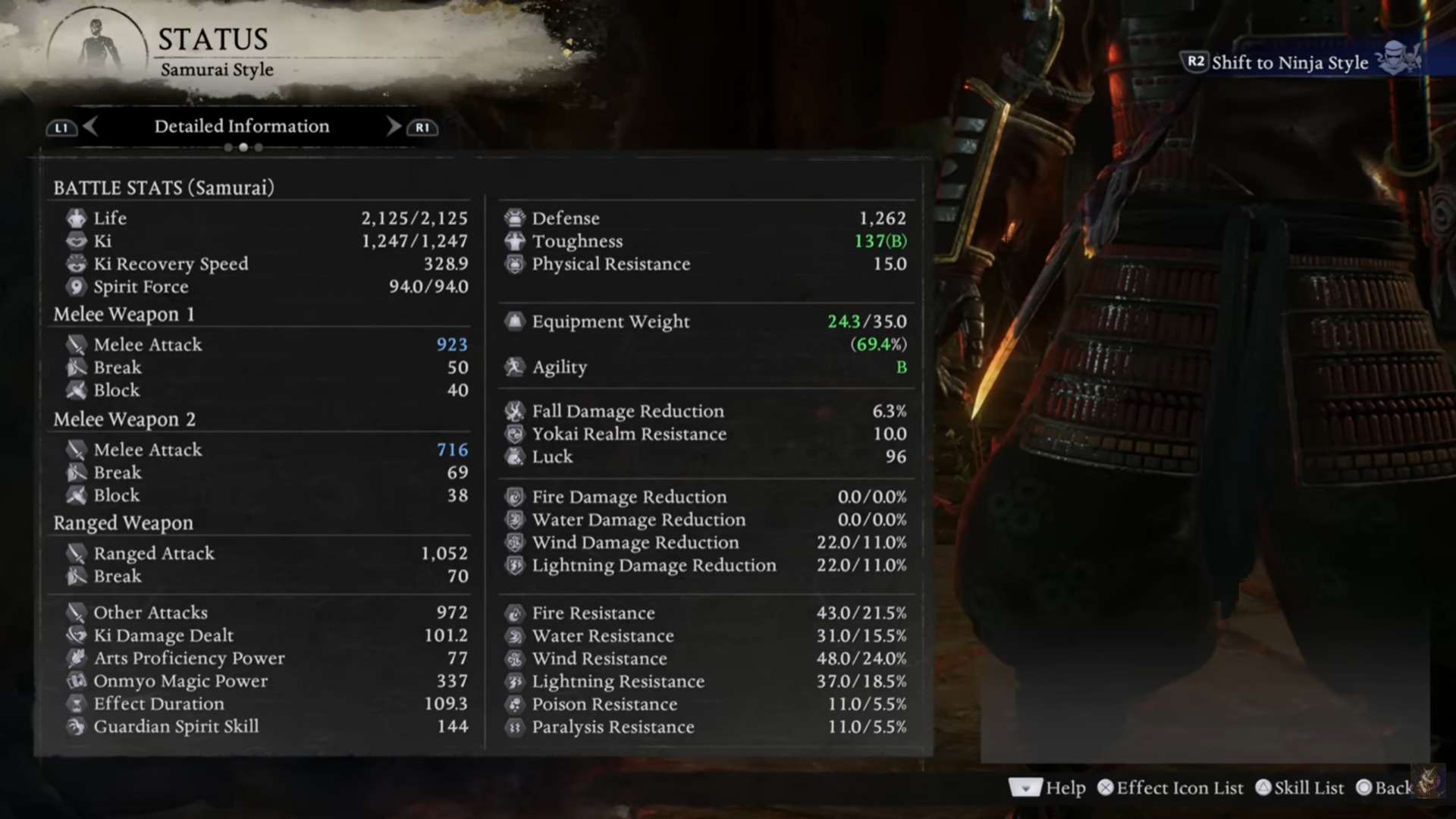
Community demonstrations show that when players open their status screen and check their melee attack value, then invest a single point into one of these nodes, the melee attack stat immediately increases by exactly one point. The bonus applies instantly and permanently.
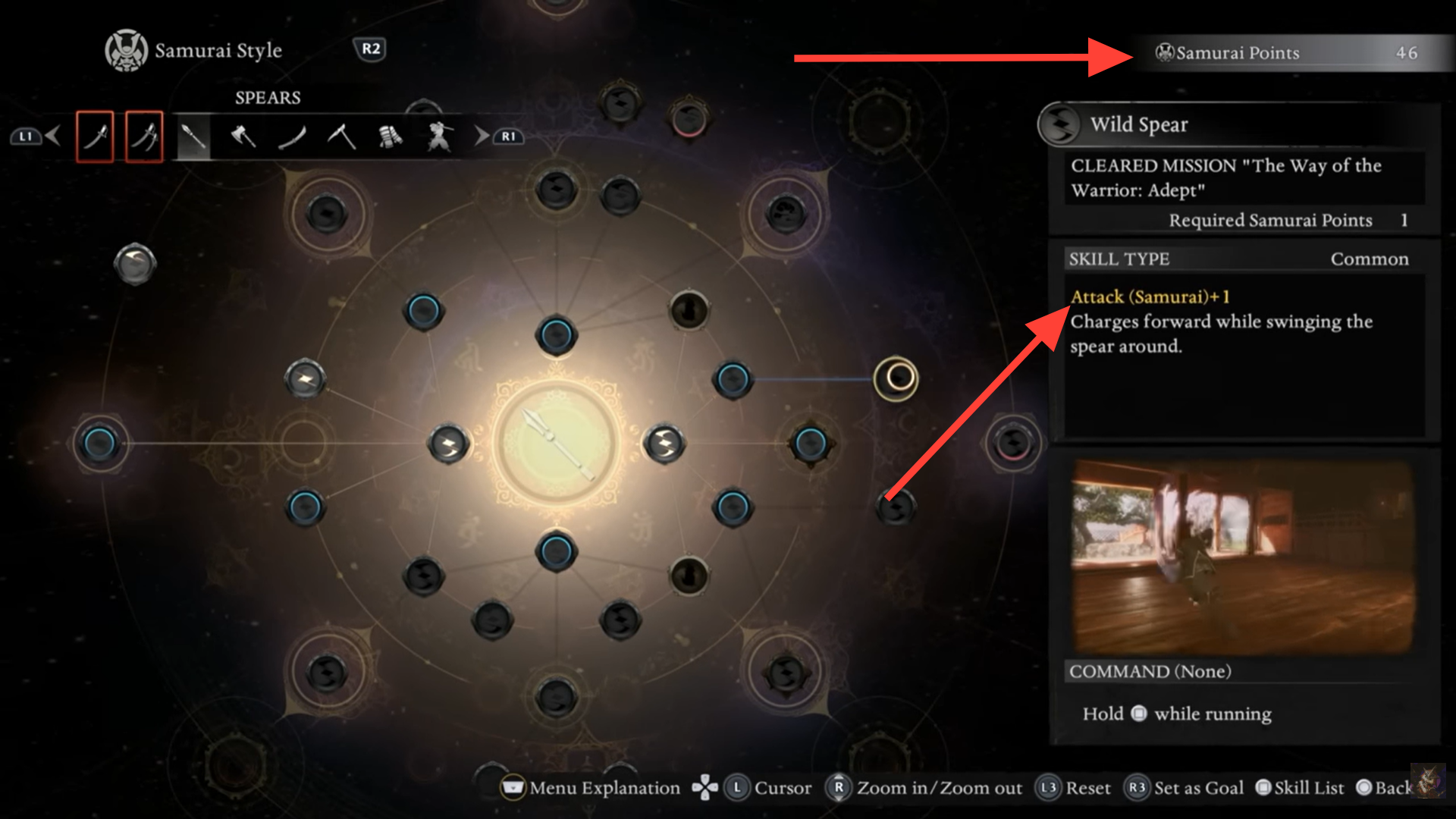
An important detail confirmed through testing is that the increase applies regardless of the weapon currently equipped. Whether you are using an Odachi, Katana, Dual Swords, Spear, or Tonfa, the bonus remains active. It is not tied to weapon mastery. It is a global melee stat boost.
How to efficiently invest excess skill points
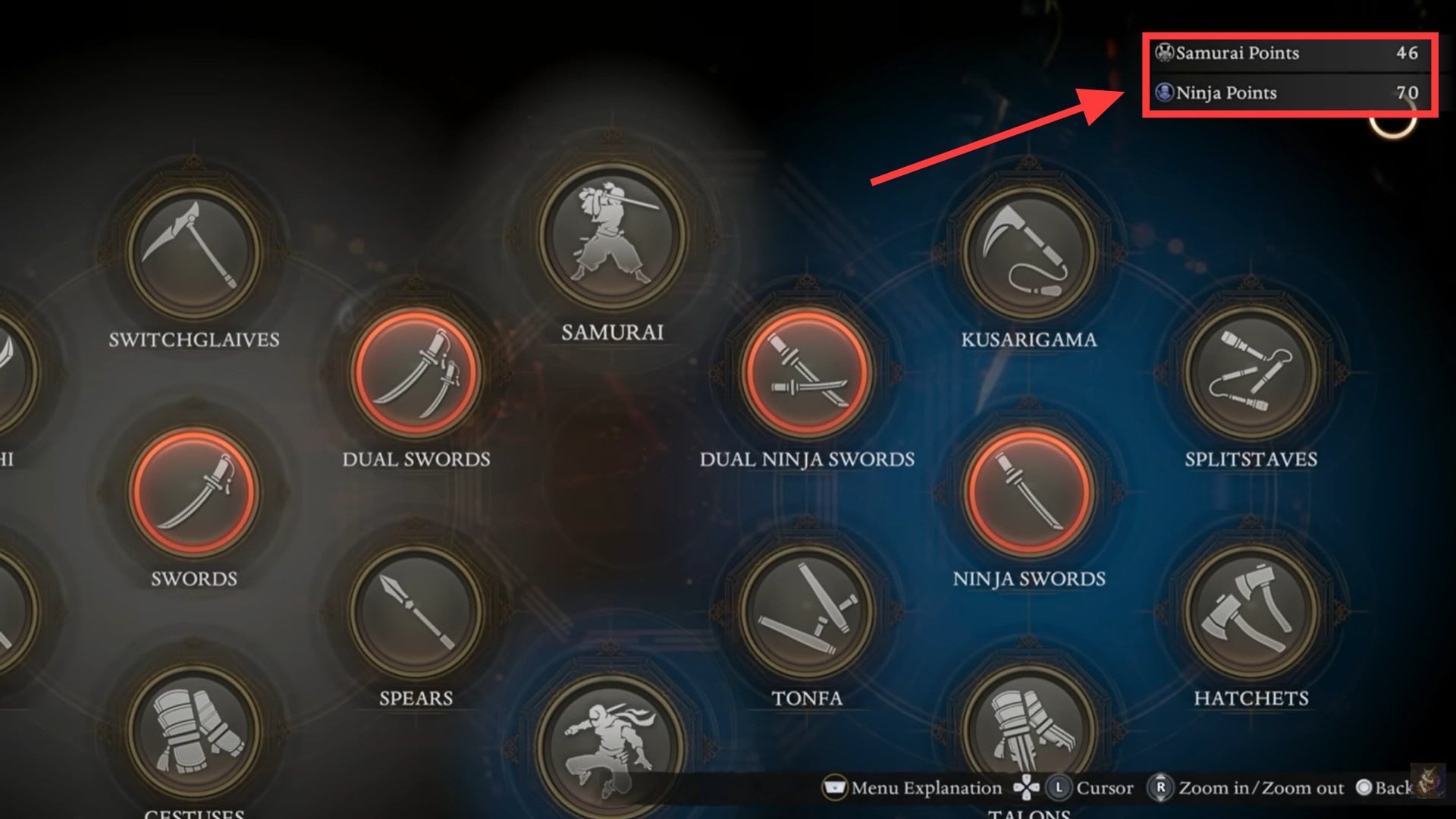
If you try to scroll manually through the entire Samurai or Ninja skill tree, finding these nodes can be time-consuming. However, the interface includes a shortcut that significantly speeds up the process.
How to quickly locate Attack +1 nodes
- Open the Skill Customization menu from the main menu.
- Select either the Samurai or Ninja skill tree.
- Press the Square button to open the Skill List view instead of navigating the visual tree.
- Scroll through the alphabetical or categorized list until you locate Attack (Samurai) +1 or Attack (Ninja) +1.
- Spend your available skill points directly from the list interface.
This method eliminates the need to visually scan branching paths and makes bulk investment much faster, especially if you have accumulated a large number of excess points after maxing your preferred abilities.
Why these nodes are more valuable than they look
At first glance, a single point of attack may seem insignificant. However, the power of this investment comes from stacking and permanence.
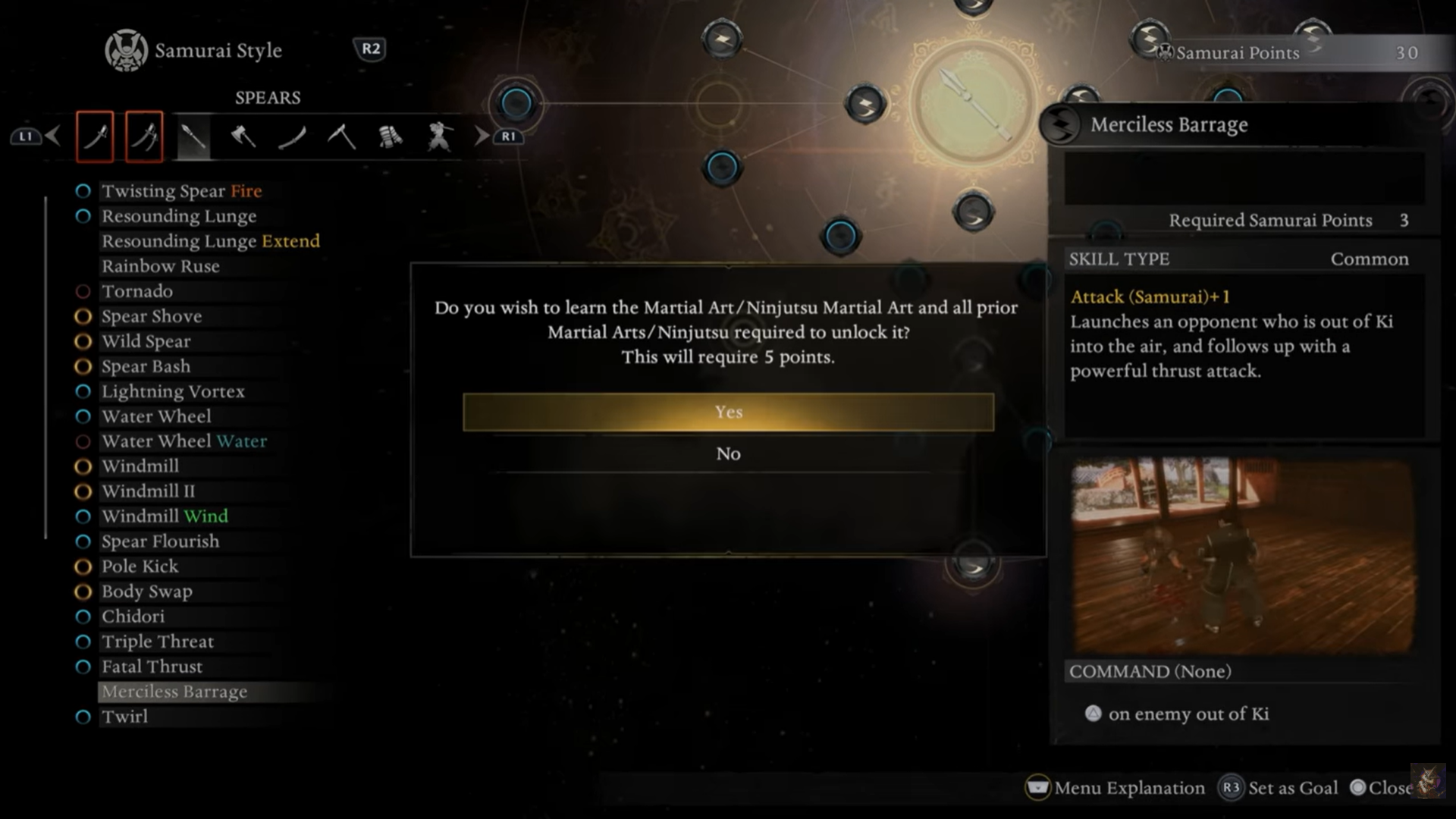
When you invest multiple points over time, the increases accumulate. If you have ten unused Samurai points, that becomes +10 raw melee attack. Add another ten Ninja points and you now have +20 total attack purely from surplus investments.
Players testing late-game builds have noted that because melee attack contributes directly to damage scaling before multipliers like stance bonuses, elemental buffs, and status effects apply, even small flat increases can scale meaningfully once layered with buffs.
In practical combat terms, this results in:
| Investment Example | Total Attack Increase | Real Combat Impact |
|---|---|---|
| 5 Points | +5 Attack | Slight but noticeable DPS increase |
| 15 Points | +15 Attack | Stronger base scaling with buffs |
| 30+ Points | +30 Attack | Significant boost over time |
The increase may not look dramatic in isolation, but when combined with weapon familiarity, stat scaling, and active buffs, the compounded result becomes substantial. Players describe the effect as “hidden scaling that adds up fast,” especially in extended NG+ cycles.
Samurai vs Ninja investment priority
If you are running a pure melee build without heavy Ninjutsu usage, prioritizing Samurai Attack +1 nodes makes sense because you will naturally accumulate Samurai points through combat usage.
However, hybrid builds that frequently use shuriken, kunai, and utility ninjutsu often find themselves with extra Ninja points as well. In that case, investing into Attack (Ninja) +1 nodes ensures that those points contribute to raw melee performance instead of sitting unused.
The crucial takeaway is that both versions provide the same benefit: +1 melee attack per point. There is no condition or weapon lock attached.
How this compares to past Nioh titles
Veteran players have noted that this system mirrors hidden passive stacking seen in previous entries. In earlier titles, certain skill investments quietly boosted attack or Ki efficiency in ways that were not immediately obvious.
In Nioh 3, the system is clearer. The stat increase is visible on the character status screen immediately after spending the point. There is no guesswork involved.
Because late-game players often unlock all the active skills they need relatively early, these passive attack nodes become one of the most efficient ways to convert surplus points into measurable power.
When should you start investing here
The ideal time to begin investing in Attack +1 nodes is after you have:
- Unlocked your core weapon active skills.
- Acquired essential Ki management passives.
- Secured stance-specific combo abilities.
Once your build foundation is complete, excess points have diminishing returns if spent on rarely used skills. That is where these attack nodes shine. They provide guaranteed value with no gameplay adjustment required.
Real impact on endgame damage scaling
Testing from high-level gameplay sessions shows that stacking Attack +1 nodes contributes directly to:
- Increased base melee damage.
- Stronger scaling under buffs like weapon enchantments.
- More effective burst windows during Yokai Shift.
- Faster boss phase transitions.
Because damage calculations scale off your base attack before multipliers apply, even incremental increases improve overall output in sustained fights.
This is why experienced players describe it as a “pretty big” benefit over time. Individually small. Collectively powerful.
Should you ever ignore these nodes?
The only scenario where you might delay investing in Attack +1 nodes is during early progression when unlocking new active skills significantly expands your combat options.
However, once your playstyle is defined and your combo routes are established, unused points are essentially wasted potential damage.
If you are holding onto surplus Samurai or Ninja points, converting them into raw attack is almost always the optimal move.
Turning surplus points into permanent power
In Nioh 3, efficiency often separates average builds from optimized ones. The Attack (Samurai) +1 and Attack (Ninja) +1 nodes provide a simple but powerful way to convert extra skill points into consistent melee damage. They stack, they apply universally, and they require no conditions.
If you have excess points sitting idle, investing them here is one of the safest and most impactful decisions you can make for long-term scaling.