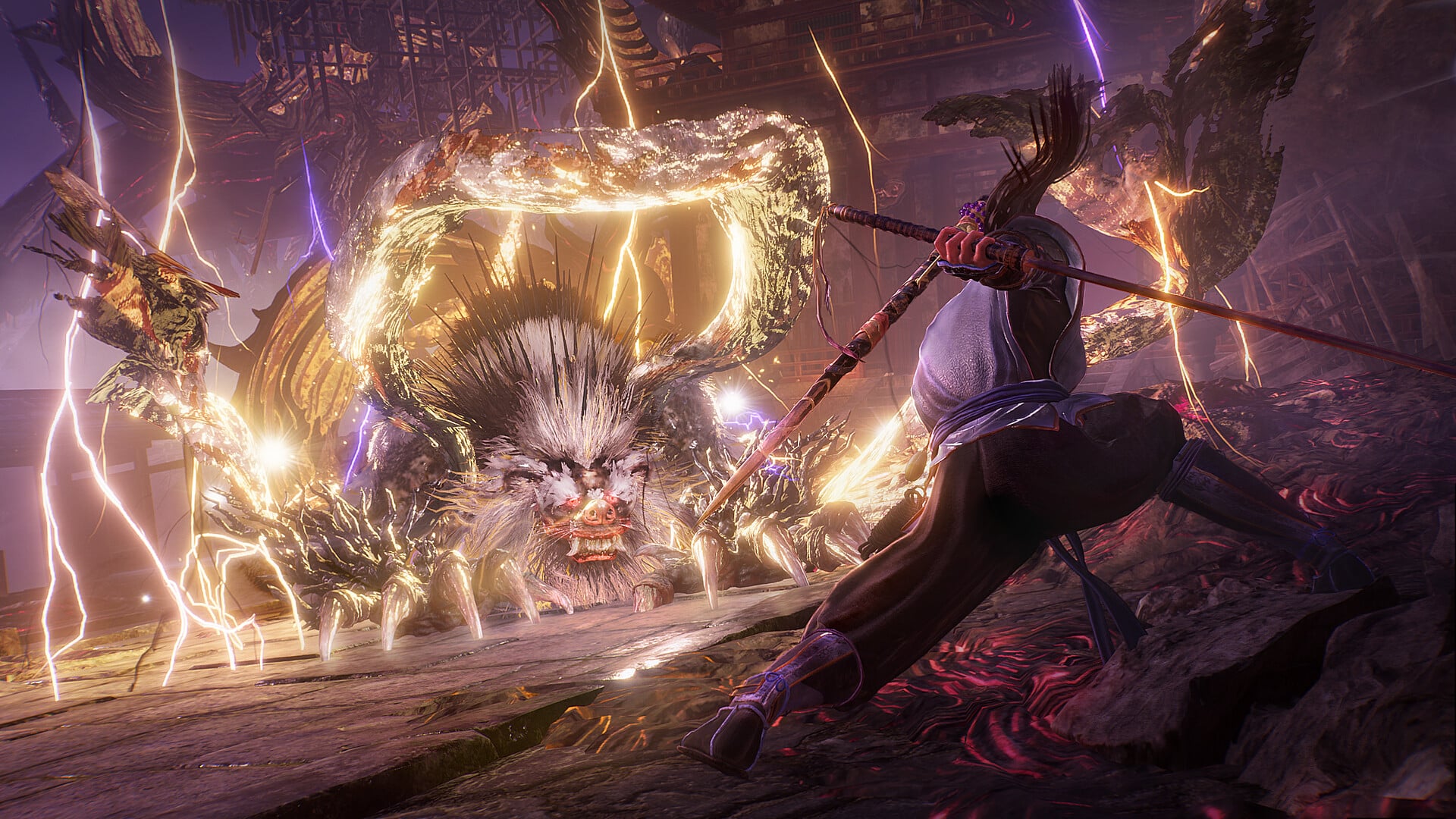
- What to know
- Why your initial setup matters more than your build in Nioh 3
- #1 Control schemes and input changes that improve consistency
- #2 Choosing between Ninja and Samurai combat styles
- #3 Item shortcuts and reducing menu friction
- #4 Living Weapon changes that prevent costly mistakes
- #5 Separating style shift and burst break
- #6 Movement tech and slide canceling
- #7 Camera settings that dramatically improve awareness
- #8 Soul cores, exploration, and early power spikes
- #9 Prestige titles and passive progression
- #10 Crucible weapons and permanent skill unlocks
- Setting yourself up for success
What to know
- Early settings matter more than early gear in Nioh 3
- Several defaults actively work against smooth combat
- Combat style choice changes how you should approach stamina and counters
- Key quality-of-life tweaks drastically reduce input mistakes
Starting out in Nioh 3 can feel intimidating even for series veterans. The systems are deep, the combat is fast, and the game expects precision very early. The good news is that many early frustrations are not skill issues—they’re configuration issues. With the right settings and a few mechanical habits, Nioh 3 becomes far more readable, responsive, and rewarding.
Why your initial setup matters more than your build in Nioh 3
Nioh 3 assumes you will actively customize controls, camera behavior, and combat inputs. Leaving everything on default often leads to accidental dodges, unwanted transformations, forced style swaps, and poor camera awareness during multi-enemy encounters. These issues compound quickly, especially for new players.
Fixing them early saves dozens of deaths later.
#1 Control schemes and input changes that improve consistency
One of the first things you should adjust is the control scheme. Nioh 3 includes multiple layouts, including Type F, which closely mirrors Nioh 2’s setup. Many experienced players prefer this familiarity because muscle memory carries over cleanly.
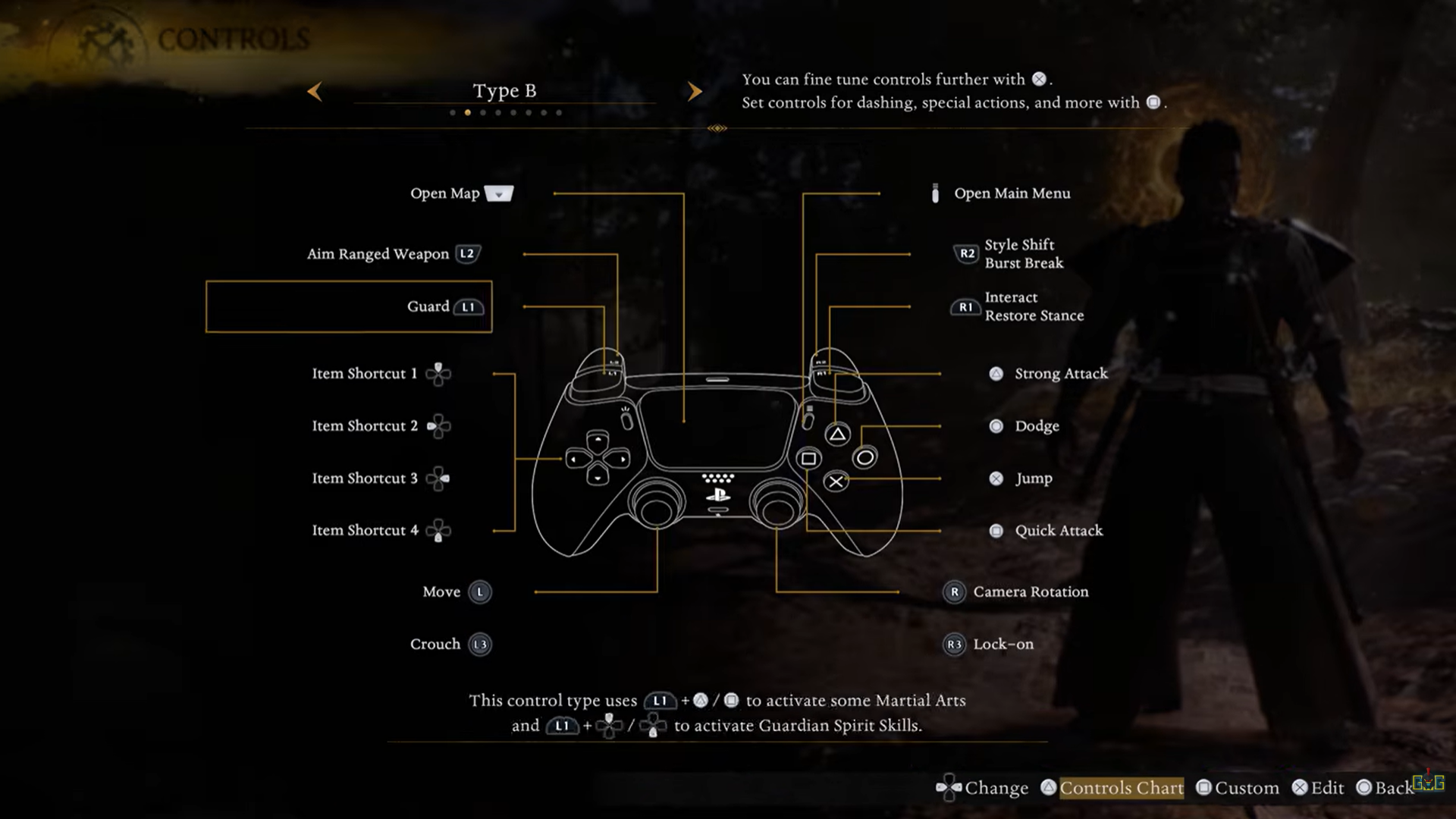
More important than the base layout are a few specific input changes. Changing dash to hold X instead of tap prevents accidental dodges during combat inputs. Likewise, setting burst counters to R2 + Circle restores the Nioh 2-style execution and reduces misfires during hectic fights.
Recommended control adjustments at a glance
| Setting | Recommended Value | Why it matters |
|---|---|---|
| Control Scheme | Type F or Custom | Familiar and precise |
| Dash Input | Hold X | Prevents accidental dodges |
| Burst Counter | R2 + Circle | Cleaner execution under pressure |
| Living Weapon | L3 + R3 | Eliminates accidental activations |
These changes alone significantly improve combat reliability.
#2 Choosing between Ninja and Samurai combat styles
Nioh 3 introduces two distinct combat philosophies, and understanding the difference early helps you avoid fighting against your own kit.
The Ninja style is built around speed, evasion, and aggressive repositioning. You’ll rely heavily on dodging, mobility, and Ninjutsu tools to control encounters. This style rewards constant movement and fast reactions.
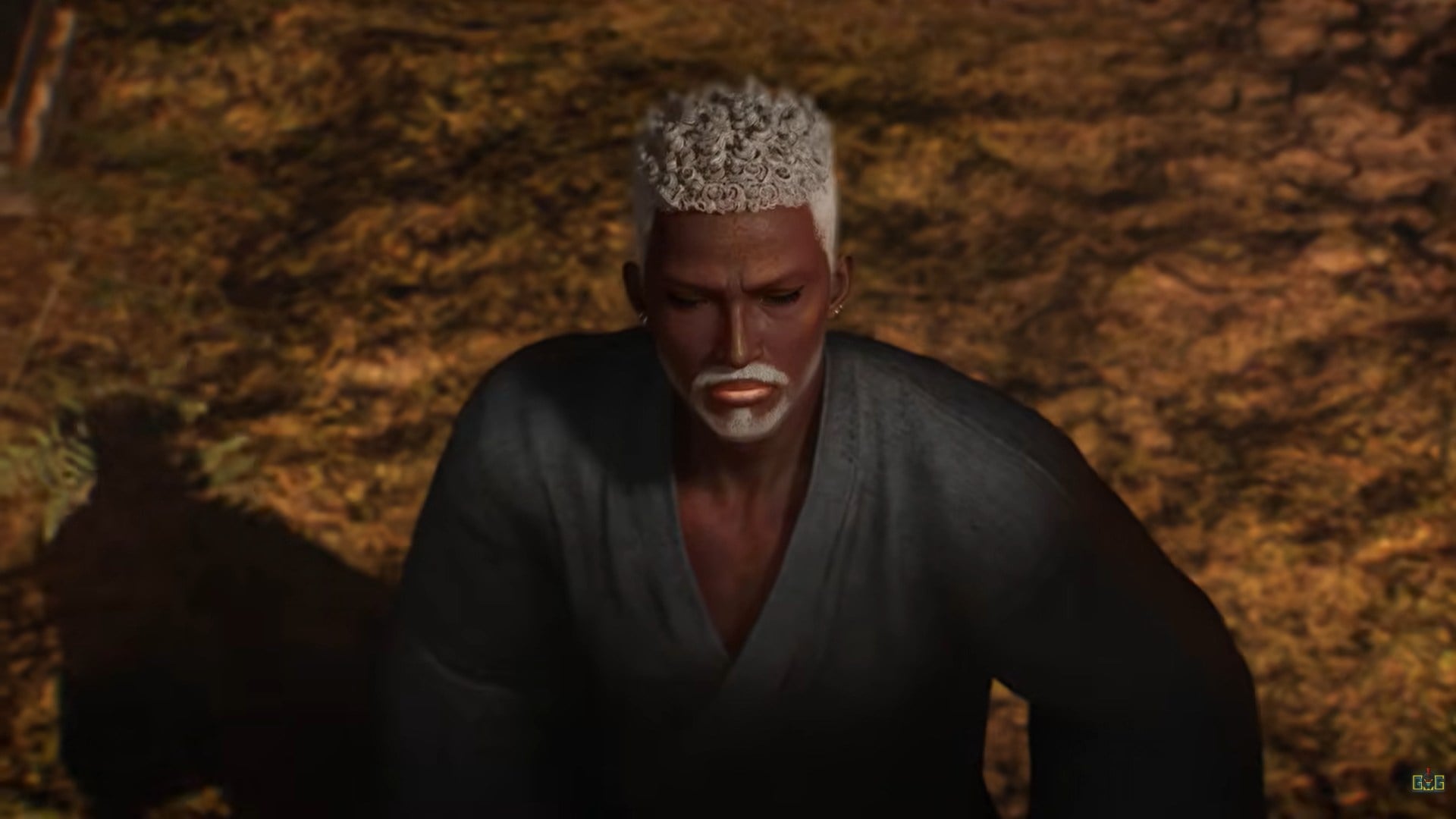
The Samurai style, by contrast, is more methodical. It emphasizes parries, counters, stance switching, and Ki management. Samurai play is less about avoiding attacks entirely and more about meeting them head-on with correct timing.
Neither style is “better,” but mixing habits between them often causes stamina issues and missed counters. Commit to one early, then branch out once you’re comfortable.
Nioh 3 allows you to assign three to four item shortcuts, depending on your settings. This is crucial for smooth combat flow. Healing items, buffs, and utility tools should never require opening menus mid-fight.
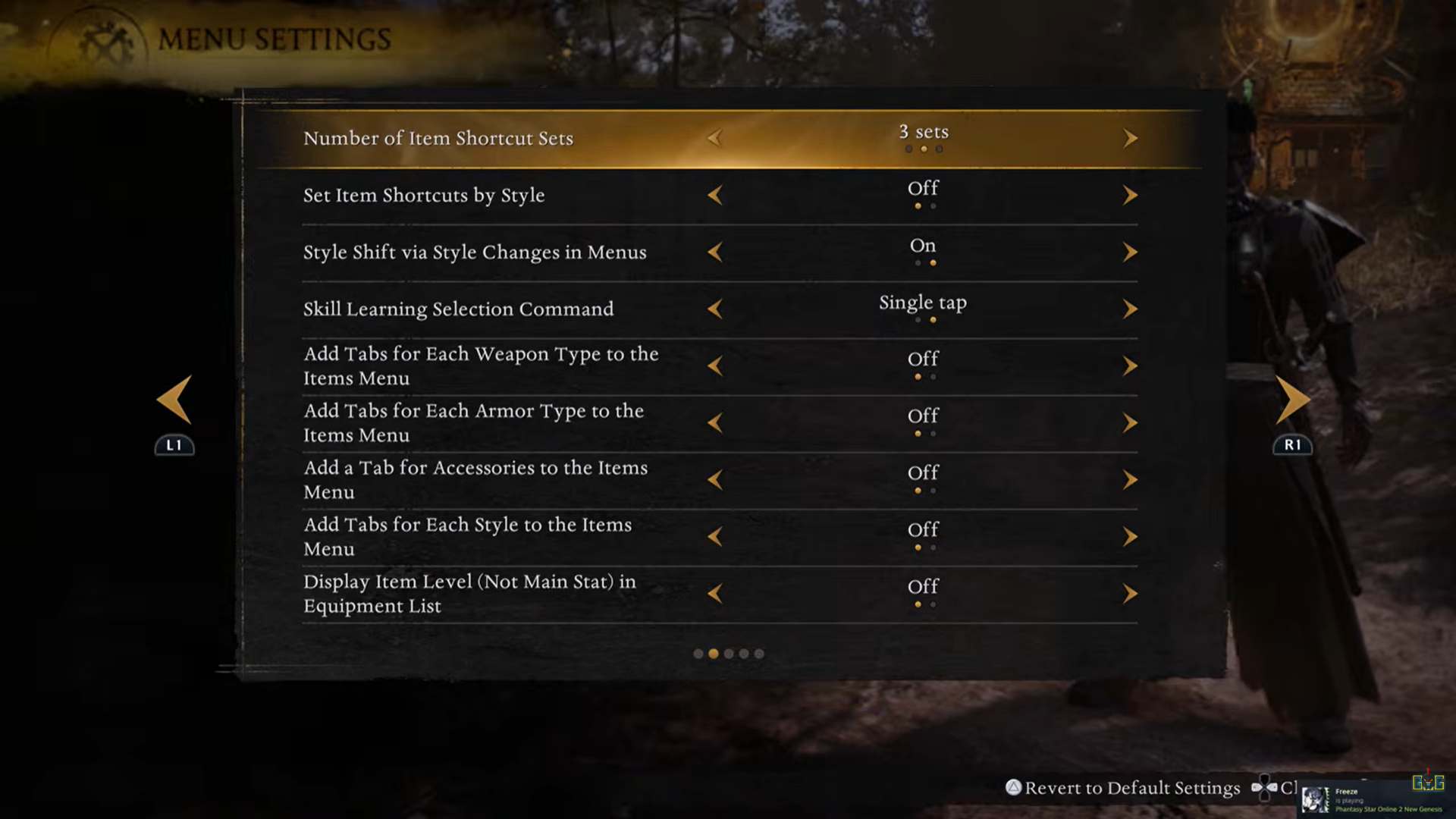
Once configured, these shortcuts dramatically reduce downtime and keep combat momentum intact, especially during boss encounters where every second matters.
#4 Living Weapon changes that prevent costly mistakes
One of the most important quality-of-life fixes is reassigning the Living Weapon activation. By default, it’s easy to trigger accidentally during combos, wasting a powerful resource.
Setting Living Weapon to L3 + R3 mirrors systems like Spartan Rage in God of War and ensures activation is always intentional. This also makes the mechanic feel more deliberate and less disruptive.
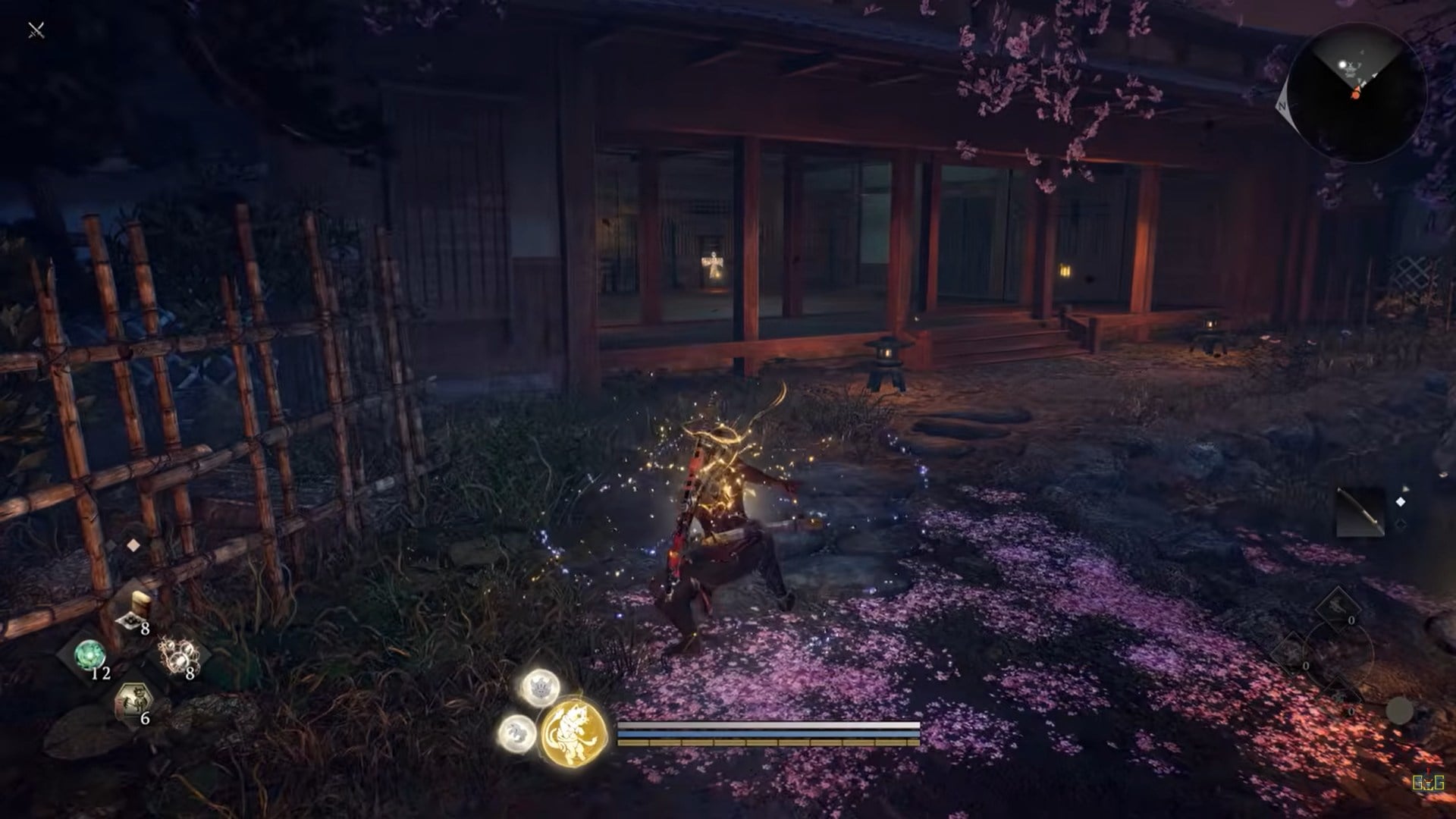
When active, Living Weapon alters your moveset and allows burst counters by simply tapping R2, giving you powerful reactive options without complex inputs.
#5 Separating style shift and burst break
A critical but easily missed setting is Style Shift and Burst Break Separation. Enabling this prevents forced style swaps when performing burst counters.
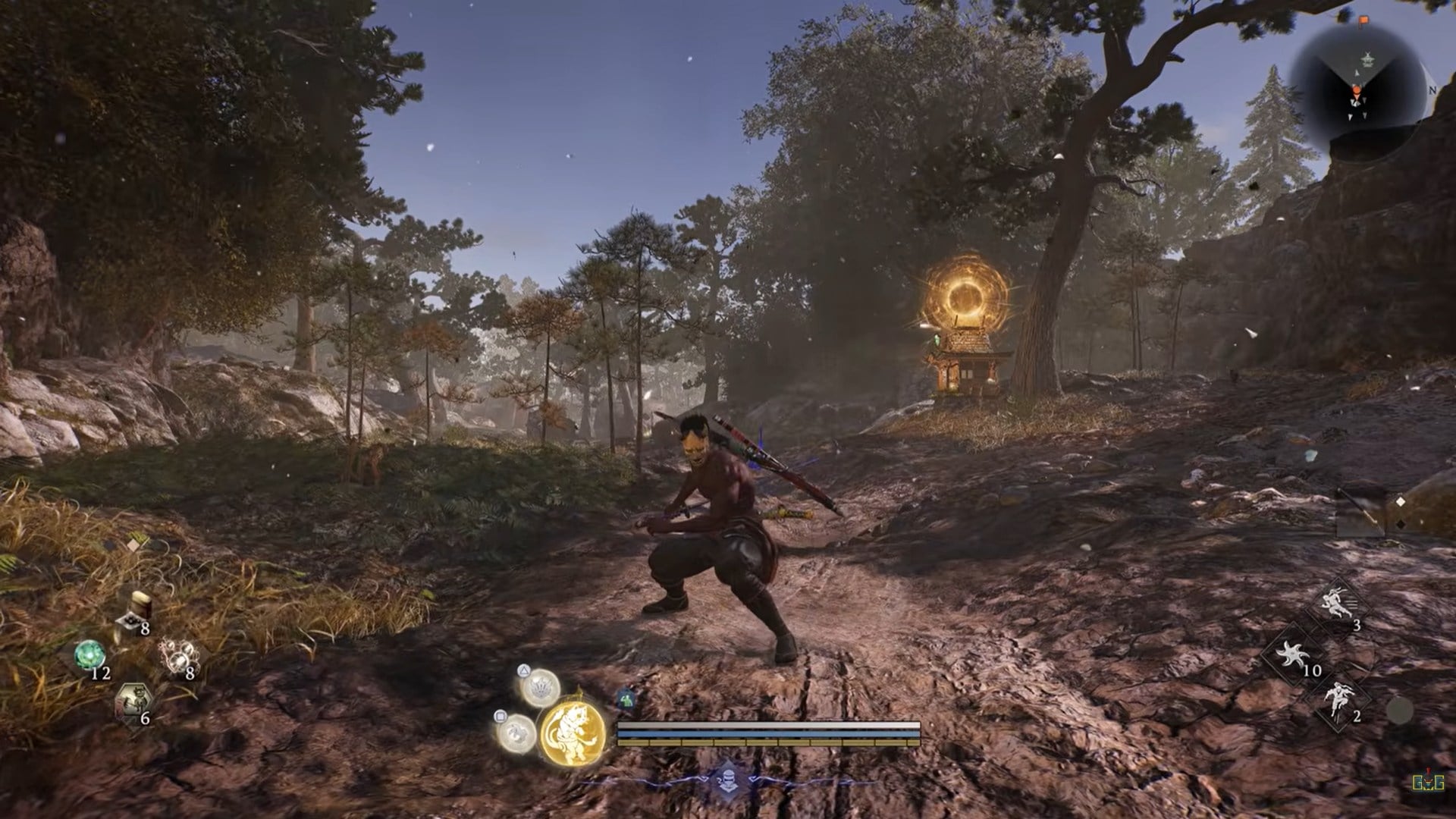
This setting also allows you to act immediately after a style change, rather than waiting through a recovery window. The result is smoother combat flow and fewer moments where the game feels unresponsive.
For many players, this single toggle removes a major source of early frustration.
#6 Movement tech and slide canceling
Nioh 3 includes advanced movement mechanics that aren’t obvious at first. One notable example is slide canceling, which lets you move faster by crouching and then tapping L1 at the right moment.
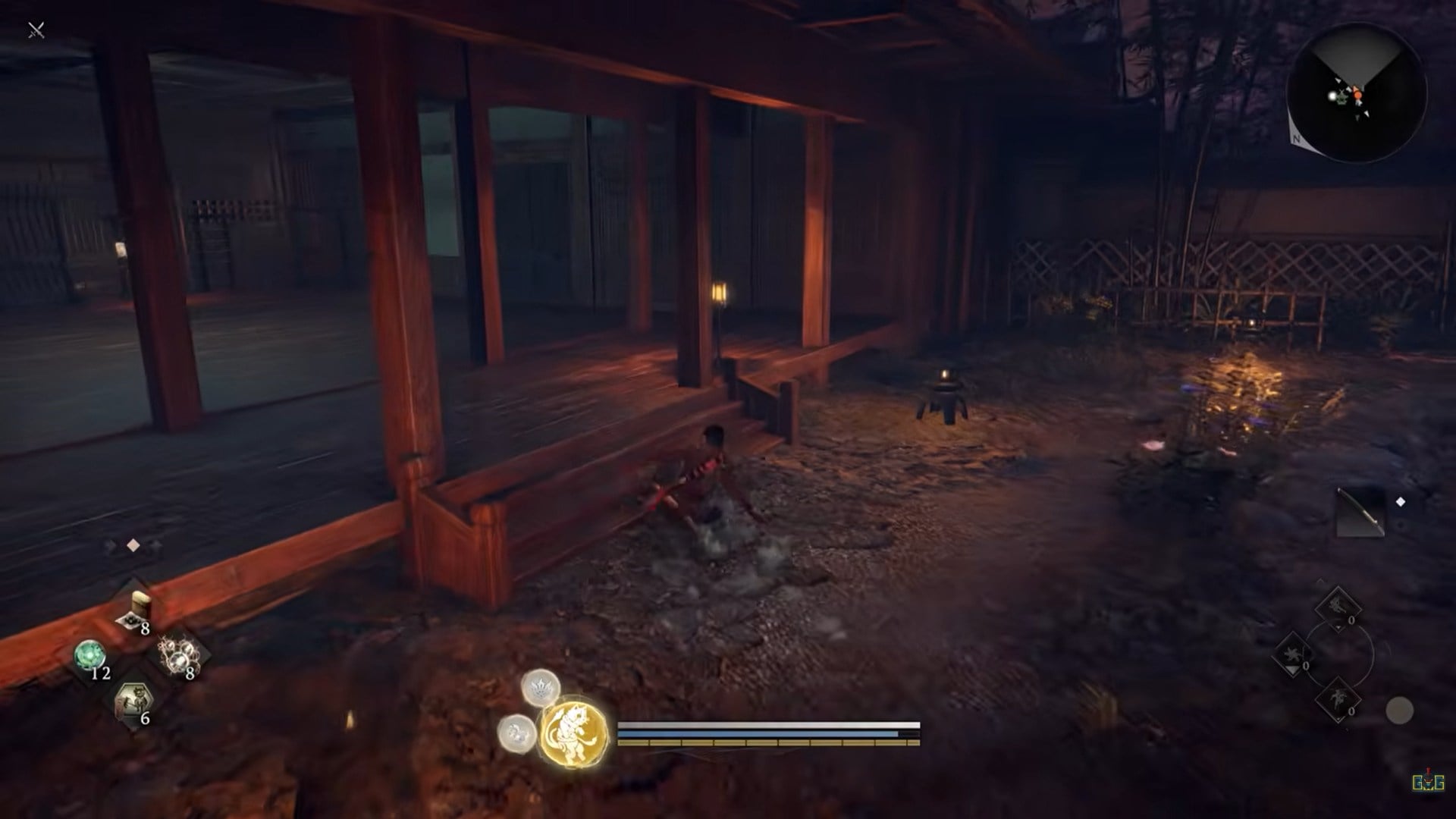
This technique isn’t required early, but learning it improves traversal speed and positioning, especially in tighter environments or when repositioning during combat.
#7 Camera settings that dramatically improve awareness
The default camera settings are too restrictive for Nioh 3’s enemy density. Increasing both camera speed and camera distance improves visibility, reaction time, and spatial awareness.
This is especially important when fighting multiple enemies or large bosses that can easily move out of frame.
Recommended camera setup
| Camera Option | Adjustment |
|---|---|
| Camera Speed | Max or near-max |
| Camera Distance | Max |
| Lock-on Behavior | Manual adjustments encouraged |
A wider, faster camera makes combat feel fair rather than overwhelming.
#8 Soul cores, exploration, and early power spikes
Exploration is heavily rewarded in Nioh 3, particularly through soul cores.
Defeating Yamu in the Hamamatsu Post region rewards the Strata Talisman soul core, which massively increases running speed. This single item transforms exploration and farming efficiency. To obtain it faster, equip gear with increased soul core drop rate before farming.
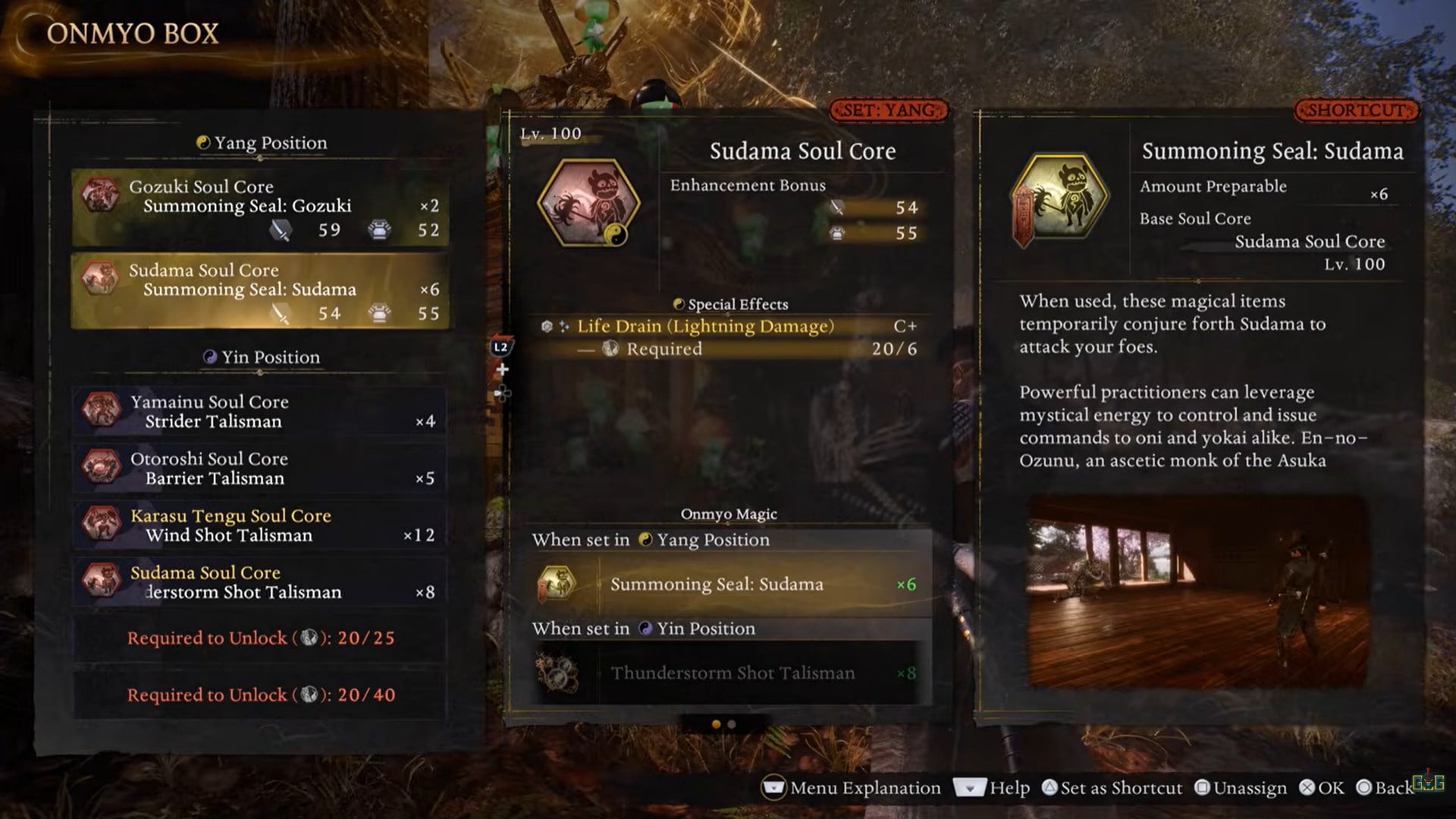
Another standout is the Otoroshi soul core, which provides a Barrier Talisman effect and significantly boosts Ki recovery speed. While its location is spoiler-sensitive, it’s one of the most impactful cores in the game.
It’s also important to know that increasing your Magic stat expands your yin-position soul core slots, allowing more flexibility in builds earlier than many players realize.
#9 Prestige titles and passive progression
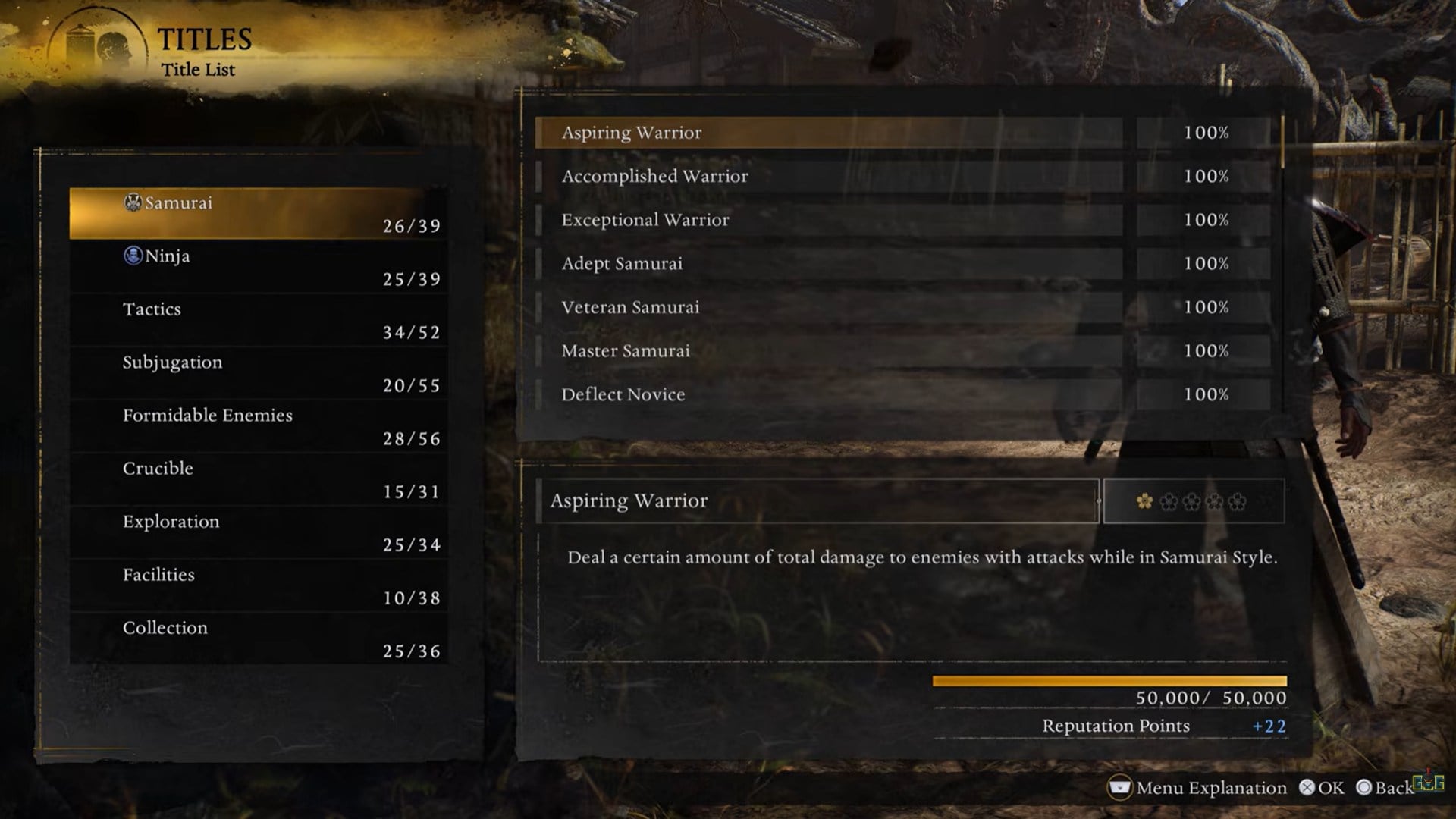
Prestige titles are earned by simply playing the game thoroughly—using different weapons, defeating enemies, and exploring. These titles grant permanent passive bonuses, such as reduced Ki consumption or increased Amrita gain.
While subtle individually, these bonuses stack over time and quietly make your character stronger without any additional grind.
#10 Crucible weapons and permanent skill unlocks
Crucible weapons are one of Nioh 3’s most important long-term systems. These weapons can drop with exclusive skills, and once you raise their familiarity to 900, the skill becomes permanently unlocked for all weapons of that type.
This means you should lock Crucible weapons and only dismantle duplicates. Farming them becomes easier when you equip gear with crucible drop rate and luck bonuses.
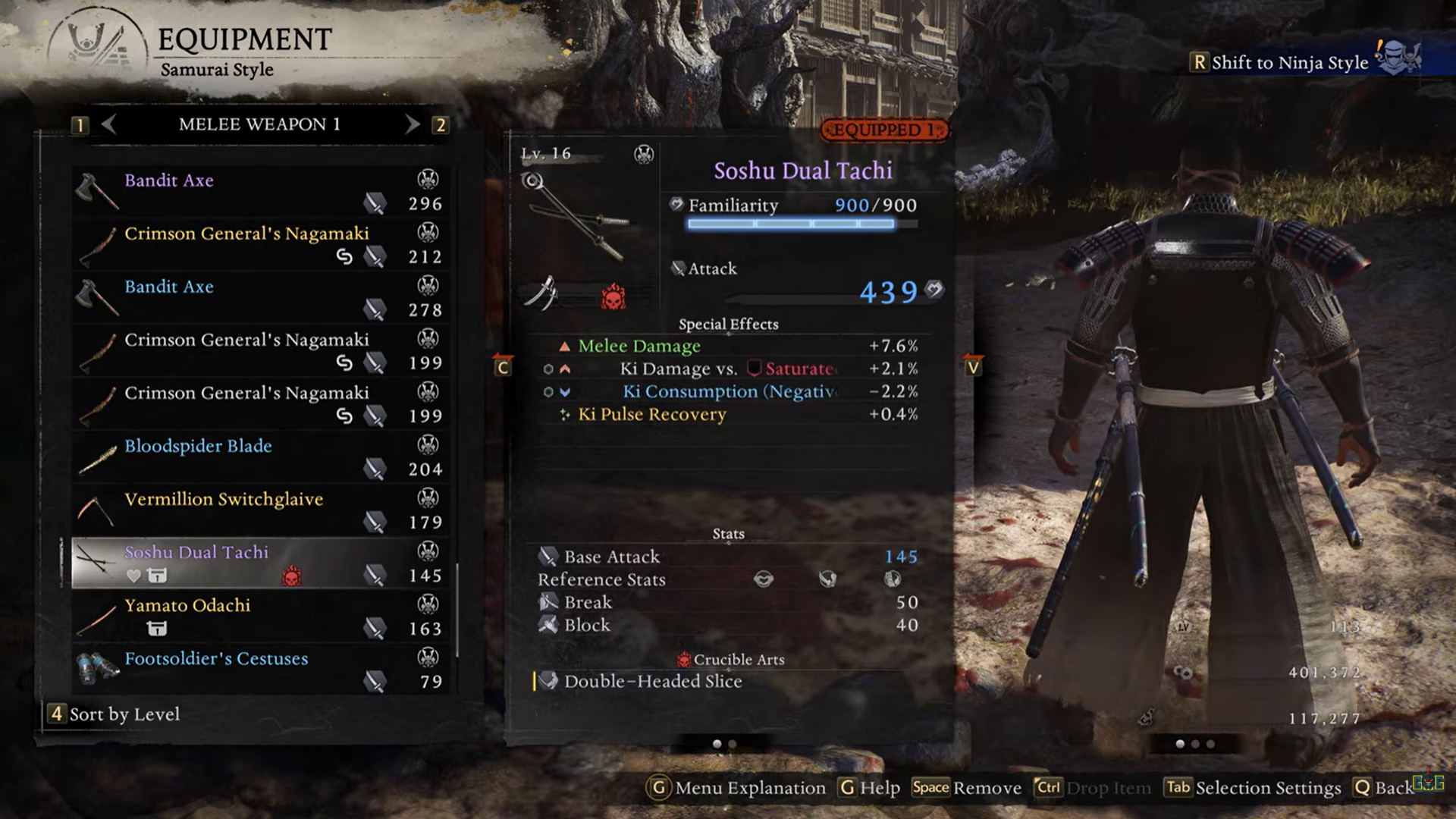
Crucible weapon progression summary
| Step | Result |
|---|---|
| Obtain Crucible weapon | Access to unique skill |
| Raise familiarity to 900 | Skill unlocks permanently |
| Use any weapon of that type | Skill remains available |
This system rewards patience and smart inventory management.
Setting yourself up for success
If you take nothing else away, remember this: fix your settings before you fix your build. A well-configured character with average gear will outperform a poorly configured one with strong equipment. Get the foundation right, and Nioh 3 opens up into one of the smoothest and most rewarding action RPG experiences available.
Nioh 3 doesn’t become great by accident—it becomes great when you meet it halfway. Proper controls, smart camera settings, and a clear combat style choice eliminate most early frustration. From there, systems like soul cores, prestige titles, and Crucible weapons start to shine.