What to know
-
Cats of the same primary gender and fully same‑sex orientation cannot produce kittens, even if they attempt to mate.
-
Low room comfort and cramped spaces push cats toward fights instead of breeding, especially if stress or rivalry ramp up.
-
Some cats are sterile by trait or defect and can never breed; these traits can show up unexpectedly in offspring.
-
True compatibility depends on a mix of gender mix, libido, sexual orientation, and room conditions, not just raw stats.
Sometimes your Mewgenics cats just will not breed, no matter how many room boosts or furniture perks you throw at them. Knowing what blocks mating and how to tell if two cats will actually click makes all the difference between a packed nursery and a lonely house full of “genetic dead ends.”
How to understand if breeding is even possible
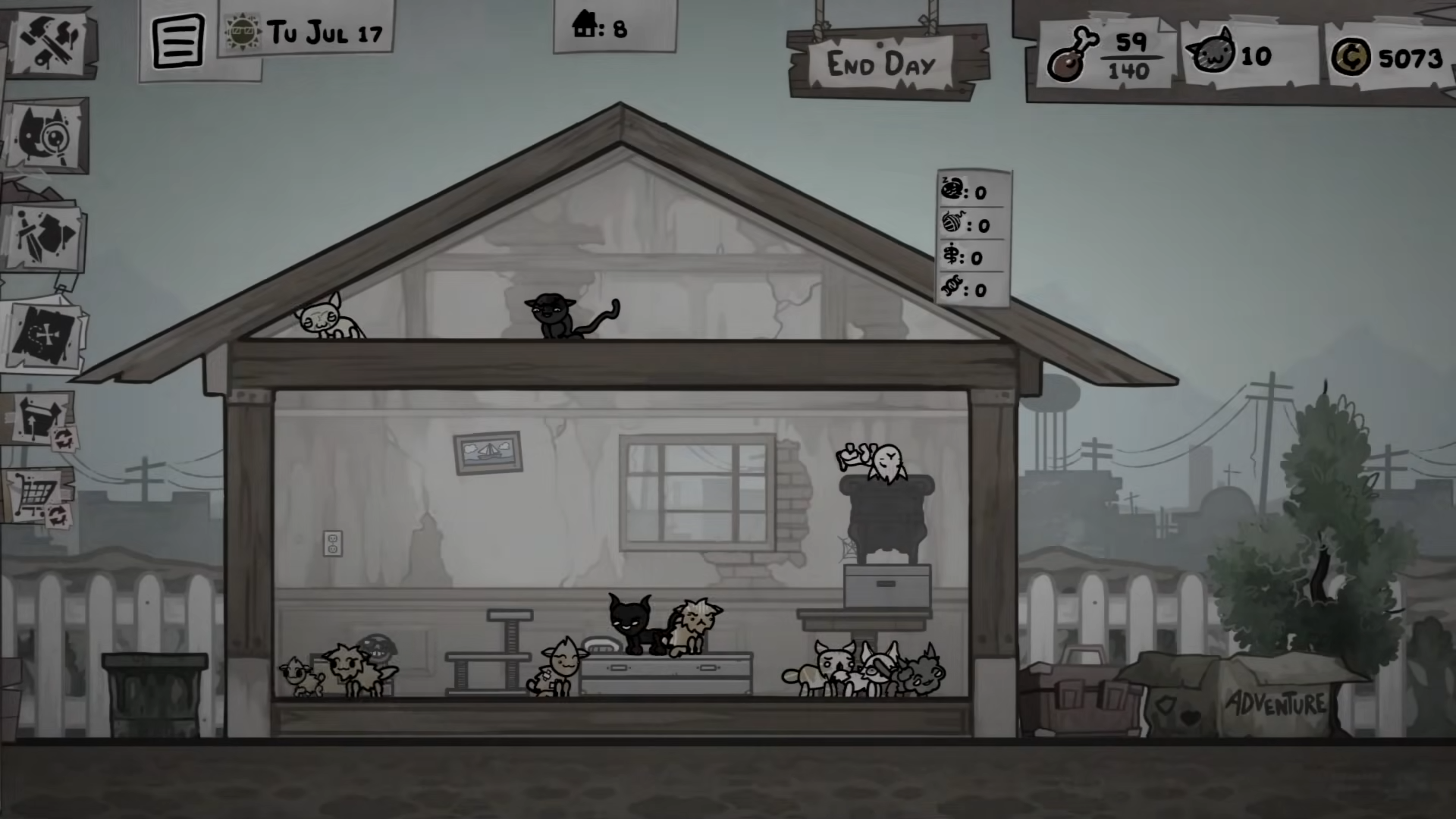
Before you start pairing cats, you first need to see whether any pair can realistically make kittens. In Mewgenics mechanics, there are hard rules baked into gender and sexuality:
-
Opposite‑sex or bisexual vs ditto‑type pairs can and will breed, as long as conditions are right.
-
Two cis‑male or two cis‑female cats will never have kittens, though same‑sex pairs still “breed” in‑game for other perks like more gay strays.
-
Ditto‑cats or gender‑fluid units can mate freely with both male and female partners and still produce offspring.
If you watch your house tick over several nights and never see kittens appear, check the gender labels and sexuality tags first. A basement full of same‑gender cats, no matter how high their stats, will stay empty unless you bring in differently‑gendered or ditto‑oriented strays.
Why your cats won’t breed
Even when the right genders are present, breeding can still grind to a halt. Several in‑game systems quietly block kitten production without throwing up a clear warning notice.
Same‑gender and sexuality blocks
-
A room full of cats all marked as fully gay prevents any biological kittens, because there are no fertile opposite‑sex pairings.
-
Bisexual cats can still breed with an opposite‑gender partner; if you only see them interacting with same‑gender cats, move them into a room that includes a compatible opposite‑gender cat.
-
Ditto‑cats ease these constraints because they maintain fertility against both sexes, but they do not override sterility defects or health problems.
Room stress and comfort
-
Comfort in a room is one of the core triggers for breeding; when comfort is low, cats prefer to shave quills off each other instead of to settle down together.
-
Poop piles, overcrowding, and baseline room stats below your kittens’ needs all drag comfort down. High comfort nudges cats toward affection instead of aggression.
-
Placing too many high‑status or aggressive cats together also raises tension, which can veto breeding even if the numbers look good.
Hidden traits and sterility
-
Cats can carry hidden genetic defects that break their fertility line, such as specific recessive sterility flags or mutation‑linked flaws.
-
If a cat belongs to an over‑inbred line, you may see a higher chance of stillbirths or weird mutations rather than healthy kittens.
-
Some gene lines simply produce sterile kittens whose only purpose is stat‑based perks for strays, not continued breeding.
How Mewgenics tells you if cats are compatible
The game does not hand you an explicit “compatible” checkbox; instead, compatibility shows up as indirect signals you can read across several days.
Look at breeding vs fighting patterns
-
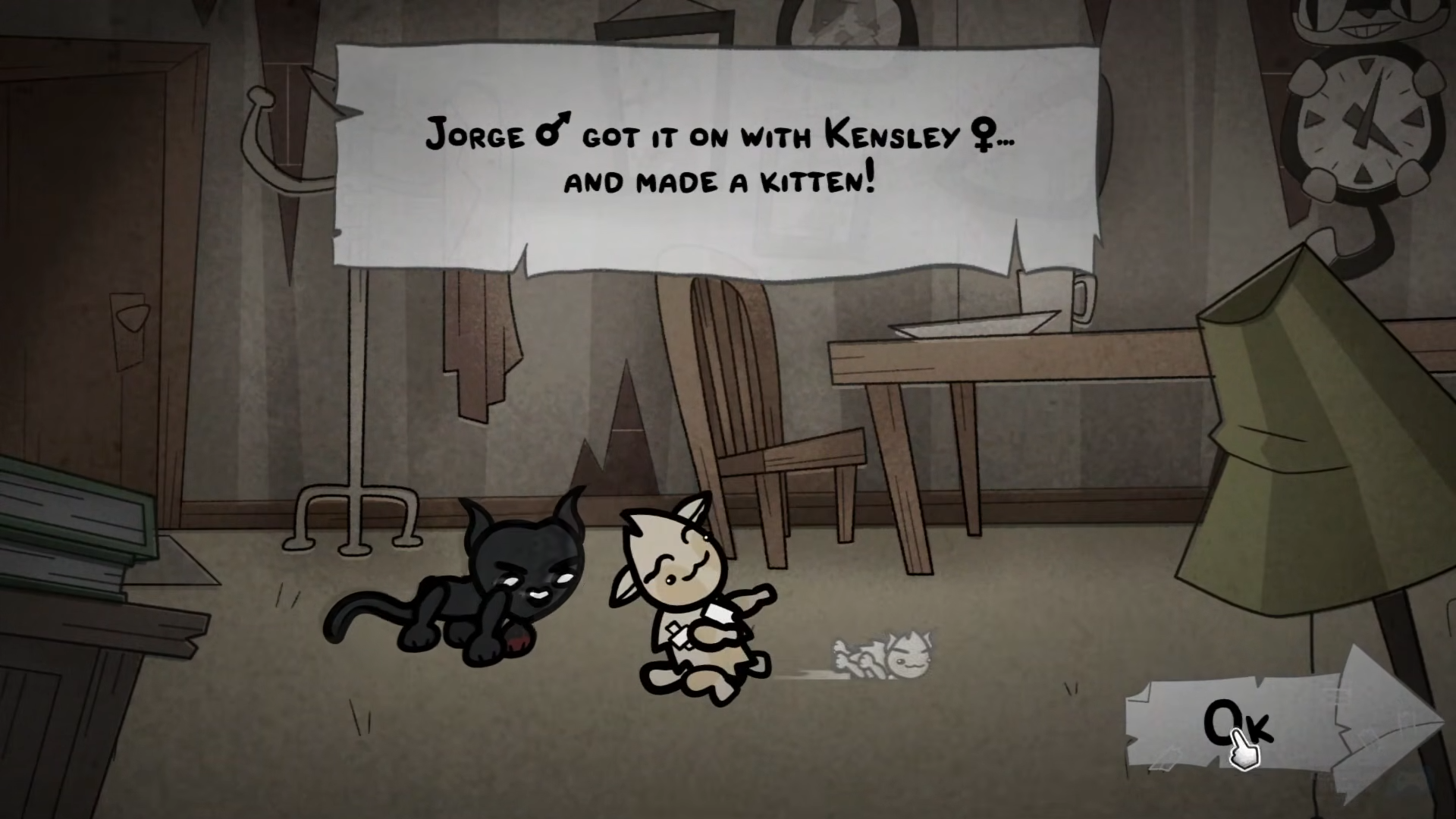
In a well‑tuned breeding room, most overnight events lean toward happy “they bred” messages instead of scuffles like “a fight broke out.”
-
If the same pair of cats repeatedly end the day by physically clashing, that is a sign they are not actually compatible; move one of them into another room and try a different partner.
Watch orientation and libido interactions
-
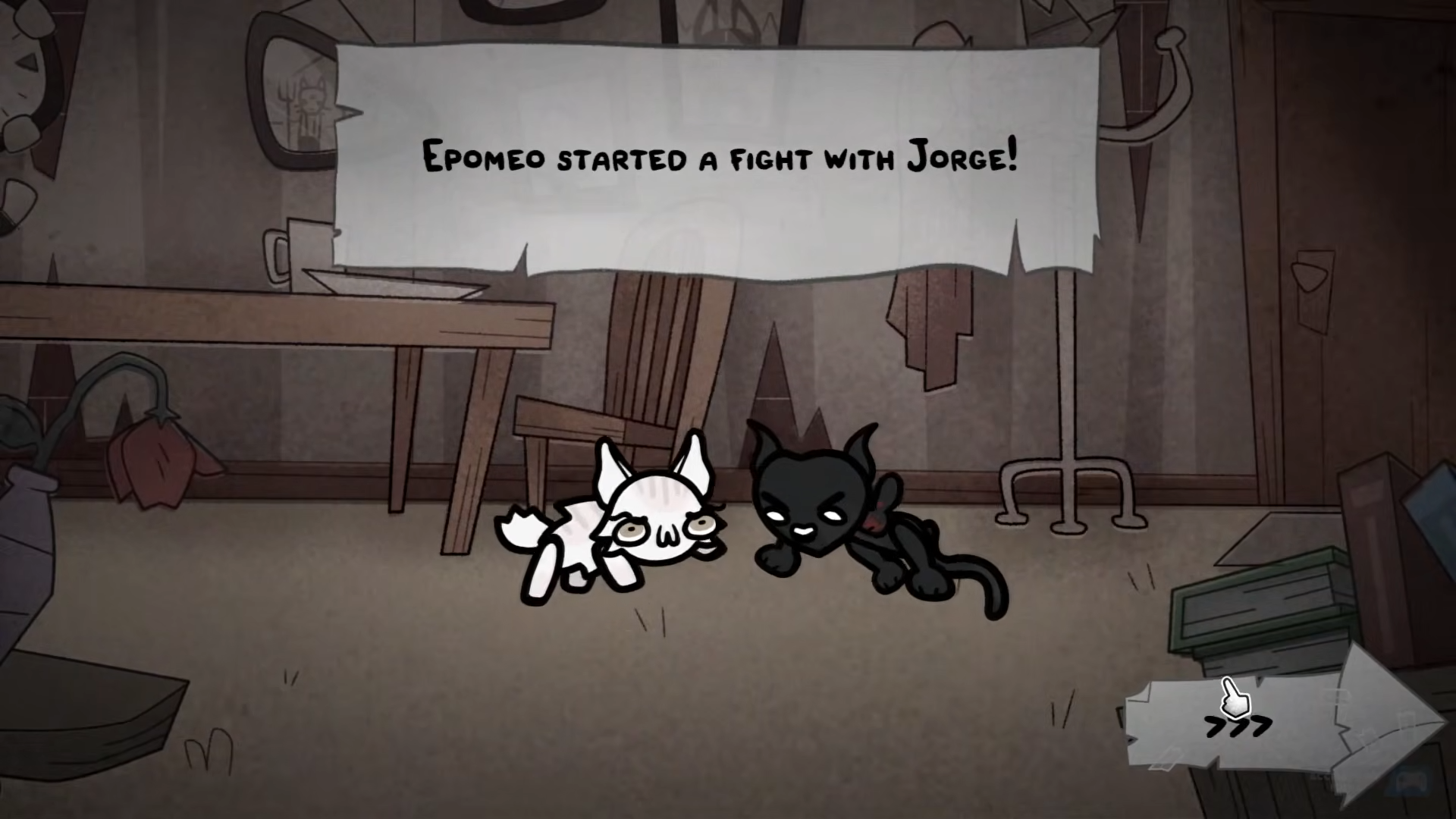
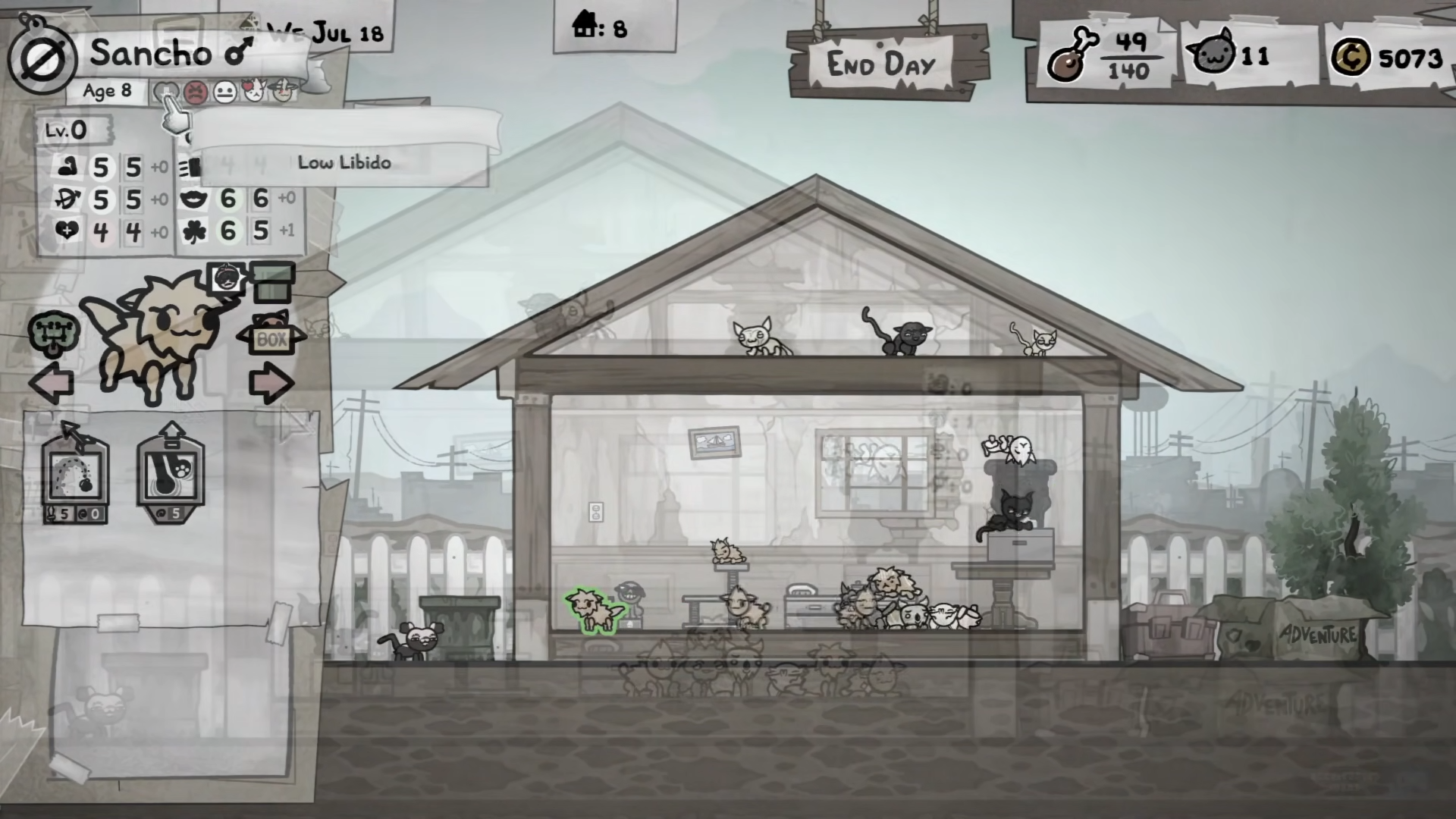
Cats with low libido or very strong gay / niche orientation are unlikely to pair with an opposite‑sex partner even when placed together. Those pairings usually stay “no action” while lower‑libido but less picky cats interact instead.
-
High‑libido, less orientation‑locked cats tend to circulate freely and show up as the most frequent parents. Use this as a proxy: if a cat has not produced kittens after several nights on a high‑comfort tile, its orientation or fertility is probably capped.
Track which pairs actually produce kittens
-
A pair that breeds once and keeps throwing litter after litter is functionally compatible; you can lock that duo in a dedicated breeding room.
-
If a theoretically good‑stats pair never manages to make kittens after multiple days, at least one of them likely fails in a hidden soft check (orientation mismatch, sterility, or extreme quirk). Mark that cat for reroll or rehome, not as a core breeder.
Setting up rooms where cats will reliably breed
Breeding in Mewgenics rewards deliberate room‑by‑room design. One chaotic, flood‑filled living room filled with everyone usually becomes a daycare for fights instead of kittens.
Breeding‑room checklist
-
Use separate rooms for high‑stat breeding vs nursery and junk cats so parents are not constantly targeted by scrappy kittens.
-
Move as much stimulation and comfort‑boosting furniture as possible into your main breeding room to tighten inheritance quality and spike overall breeding chances.
-
Avoid cramming too many adult cats into one room; each extra body lowers comfort and raises competition, which indirectly cuts down on who actually pairs up.
How to isolate incompatible cats
-
If a solid‑looking cat never breeds, test shield it by moving it into a room full of opposite‑gender partners with decent stats. If it still never generates kittens after a few nights, treat it as effectively incompatible and plan to replace it.
-
Gay or heavily orientation‑locked cats can be isolated in separate areas where they still generate useful quirk bonuses or stray traits without blocking your main breeding line.
Preventing long‑term compatibility and inbreeding pitfalls
Even when cats are technically compatible today, their long‑term partnership can degrade into a genetic mess if you keep cycling the same handful of names over generations.
Signs of over‑inbreeding trouble
-
Kittens that repeatedly show birth defects—mangled limbs, fragile bones, or odd colourings—are a red flag your gene pool is collapsing.
-
If you notice several children from the same parents suddenly go sterile or fail to breed at normal rates, you have likely pushed a recessive infertility line into homozygosity.
Healthy‑line management tips
-
Limit inbreeding to one generation to lock interesting traits or shapes, then immediately pair one inbred champion with a fresh, unrelated stray to flush the defect counter.
-
Maintain at least two strong breeding cores, each with separate founders, so you always have a fallback if one line tanks into sterility.
| Condition | Effect on breeding | What it means |
|---|---|---|
| Two cis‑same‑gender adults together | Never produce kittens | Need at least one opposite‑gender or ditto‑type cat in the pair. |
| Fully gay same‑sex pairing | Kiss and cuddle but no kittens | Useful for perk‑driven goals, not offspring‑farming. |
| Low room comfort or overcrowding | Fights instead of mating | Move furniture, reduce cat count, or split cats into more rooms. |
| A cat never breeds over many nights | Usually orientation‑locked or sterile | Treat it as a non‑core breeder and find a different partner. |
| Over‑inbred lines | Defects, fragile bones, sterility | Break the inbreeding with fresh strays from outside the bloodline. |
Cats not breeding in Mewgenics are usually the result of hard‑coded rules (same gender, blocked orientation) colliding with soft constraints (low comfort, overcrowding, hidden sterility). By stripping those layers apart—one at a time—you turn the maddening question of “why won’t they breed?” into a repeatable workflow.
Pay attention to night‑by‑night outcomes, split risky and sterile cats from your core breeders, and design each room to nudge desirable pairings while muting rivalry. Once you can read when two cats are truly compatible, your house turns from a genetic junkyard into a carefully curated cat‑army factory.