- What to know
- Nioh 3 – Patch v1.02.02 highlights
- Living Artifact changes reshape high-end play
- Soul Purge Talisman loses its “boss killer” crown
- Dual Swords quietly surge back into the spotlight
- Splitstaff takes a hit despite mixed adjustments
- Ninja weapons gain ground with targeted buffs
- Bug fixes signal serious polish already
- Do these early nerfs actually matter
What to know
- Living Artifact has been reined in with reduced elemental Martial Arts damage and new usage limits.
- Soul Purge Talisman no longer melts bosses, trading raw damage for longer uptime.
- Several weapons get meaningful buffs, especially Dual Swords and Hatchets.
- A long list of bug fixes closes exploits and smooths combat flow.
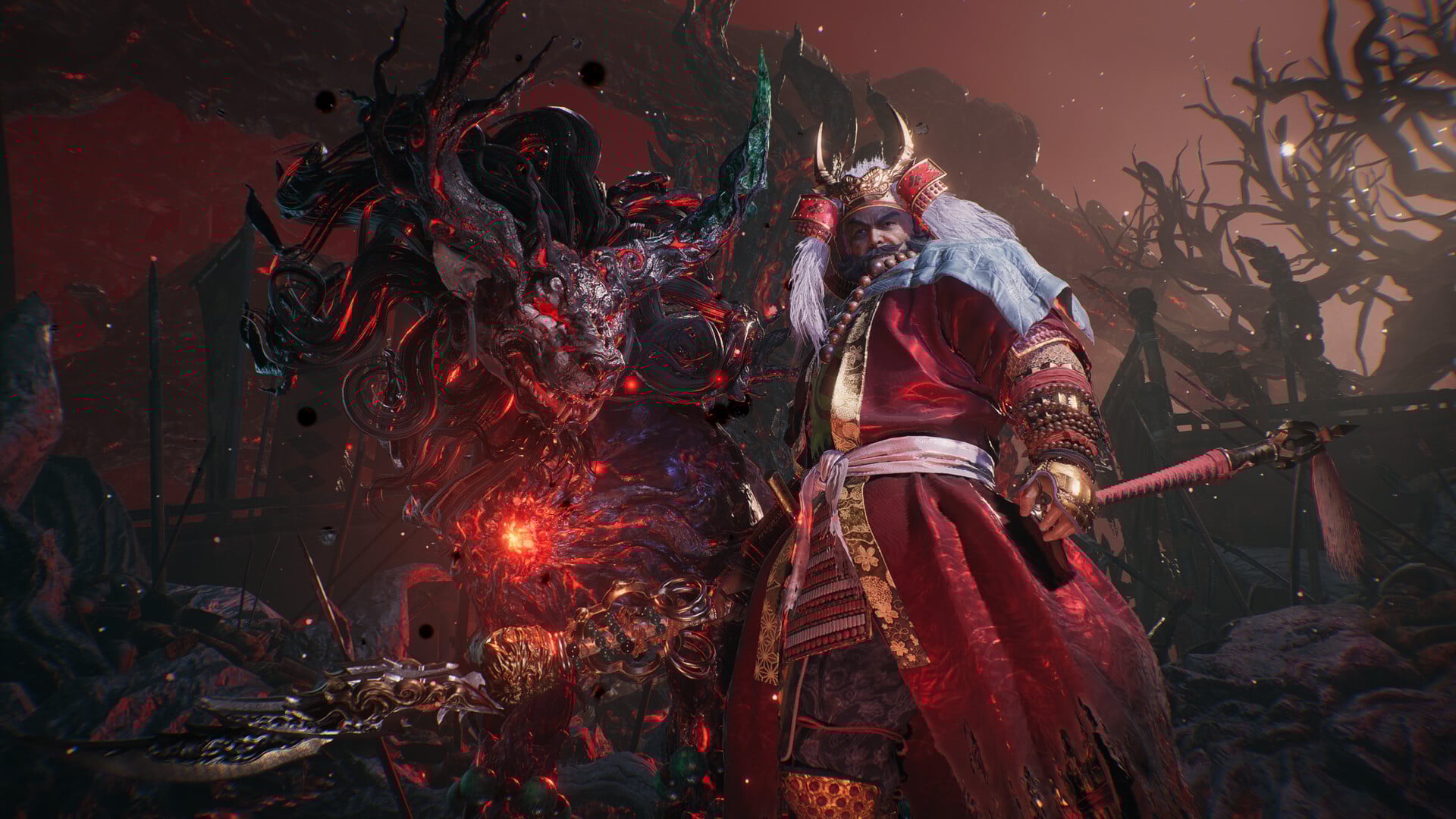
Right out of the gate, Patch v1.02.02 makes it clear that Nioh’s team is watching how players break the demo—and responding fast. This update isn’t just housekeeping. It reshapes how some of the most explosive systems function, particularly Living Artifact loops and magic-based burst damage, while nudging underused weapons back into relevance. If you’ve been testing builds already, you’ll feel these changes immediately.
Nioh 3 – Patch v1.02.02 highlights
| Area | Overall impact | Why it matters |
|---|---|---|
| Living Artifact | Nerfed | Prevents infinite Martial Arts spam and runaway elemental scaling |
| Onmyo magic | Rebalanced | Soul Purge loses burst but gains consistency |
| Dual Swords | Buffed | Water Sword II regains “blender” potential |
| Splitstaff | Mixed | Power shifts but key damage and Ki pressure reduced |
| Hatchets & Kusarigama | Buffed | Better damage makes Ninja builds more competitive |
| Bug fixes & QoL | Major | Exploits, crashes, and UI issues addressed |
Living Artifact changes reshape high-end play
The most controversial adjustments land squarely on Living Artifact, previously the backbone of some of the most dominant demo builds. Elemental damage from Martial Arts while Living Artifact is active has been reduced, directly targeting setups that stacked elemental procs for absurd boss damage. On top of that, a hard cap on consecutive Martial Art usage has been introduced, closing the door on infinite APG-style loops.
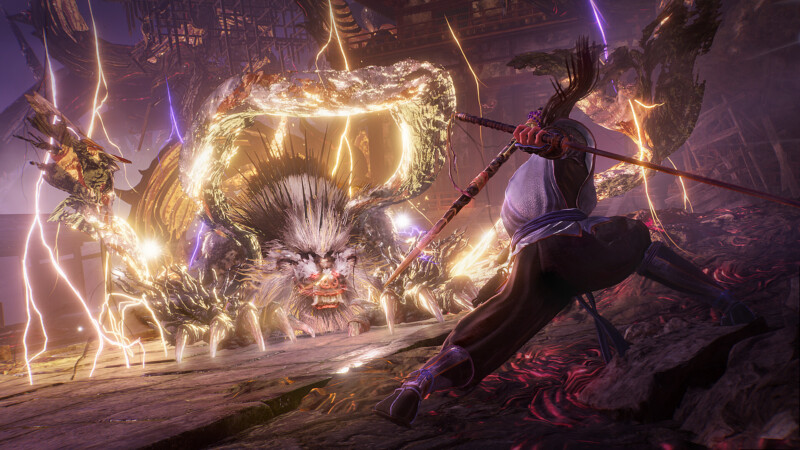
In practice, Living Artifact is still powerful, but it now demands timing and intent. You’re encouraged to weave Martial Arts into smart windows rather than holding the accelerator down indefinitely. This alone dramatically slows the pace of top-end clears and brings encounter design back into focus.
Soul Purge Talisman loses its “boss killer” crown
Before this patch, Soul Purge Talisman stood out as a near-universal answer to difficult fights, thanks to a massive damage boost that trivialized bosses. Patch v1.02.02 cuts that edge back. Its damage bonus has been reduced, but the duration has been increased, reframing it as a sustained pressure tool instead of a short burst nuke.
The result is a talisman that still fits into many builds, just not as an automatic pick. You’ll get more value over longer engagements, but you can no longer rely on it to erase health bars on its own.
Dual Swords quietly surge back into the spotlight
Among the buffs, Dual Swords stand out. Water Sword II has received a power increase, and it’s a meaningful one. Early testing suggests the move once again excels at shredding enemies caught in extended openings, especially when paired with Ki pressure setups. For Samurai-focused players, this buff hints at the return of classic “blender” builds that reward positioning and aggression rather than gimmicks.
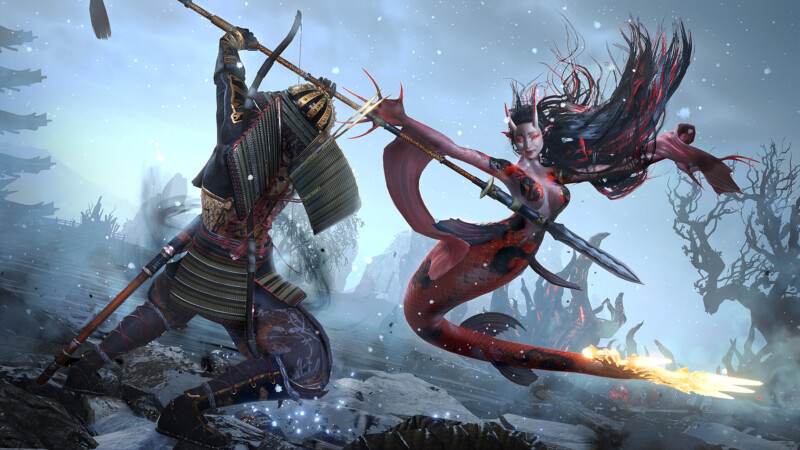
Other Samurai Martial Arts also see improvements, reinforcing the sense that Team Ninja wants weapon skill mastery—not system abuse—to define high damage play.
Splitstaff takes a hit despite mixed adjustments
Splitstaff players may feel conflicted. While some Martial Arts like Radiant Moon and Roar Power see power increases, key attacks such as Shin Crusher II and certain strong attacks have reduced damage and Ki impact. This is notable because many players already viewed Splitstaff as balanced rather than dominant.
The net effect is a weapon that still functions, but with less oppressive Ki damage and fewer standout burst moments. It’s usable, but no longer quietly outperforming others in specific niches.
Ninja weapons gain ground with targeted buffs
Ninja-style weapons receive several welcome nudges. Hatchets, in particular, benefit from multiple Martial Arts power increases, improving their viability across both mobbing and boss encounters. Kusarigama also sees buffs to core skills, reinforcing its role as a flexible, control-oriented option.
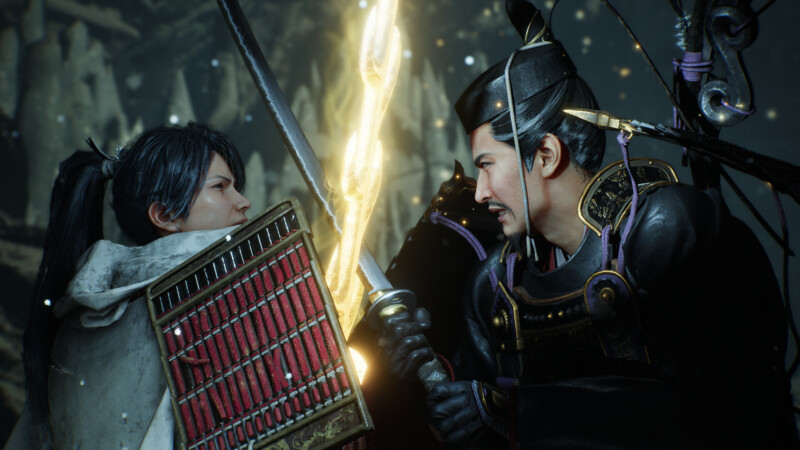
These changes don’t instantly redefine the meta, but they do close the gap between Samurai and Ninja paths, especially for players who prefer speed and spacing over raw impact.
Balance changes at a glance
| Category | Change | Net effect |
|---|---|---|
| Elemental Martial Arts | Damage reduced in Living Artifact | Lower burst, higher balance |
| Martial Arts usage | Limits added during Living Artifact | No infinite loops |
| Blindness (Onmyo) | Duration reduced | Less crowd control abuse |
| Soul Purge Talisman | Damage down, duration up | Sustained DPS over burst |
Bug fixes signal serious polish already
Beyond balance, Patch v1.02.02 delivers an unusually long list of fixes for such an early build. Map exploits allowing unintended traversal have been closed, persistent spawn bugs like Kappa appearing incorrectly have been resolved, and multiple Martial Art input and animation issues have been cleaned up. Stability improvements also address crashes tied to multiplayer sessions and visitor mechanics.
Individually, these fixes might seem minor. Collectively, they suggest a development team intent on tightening every layer of the experience well before full release.
Do these early nerfs actually matter
What stands out most isn’t any single nerf or buff—it’s the timing. Implementing sweeping balance changes this early shows a willingness to course-correct fast, even if it risks frustrating players who already found powerful setups. For you, that means the version of Nioh 3 you’re learning now is far closer to the intended endgame experience than most demos ever are.
Rather than letting broken builds define first impressions, Team Ninja appears to be drawing firm boundaries early. Power fantasy remains, but it’s now tied more closely to execution, build synergy, and decision-making than to a handful of overtuned mechanics.