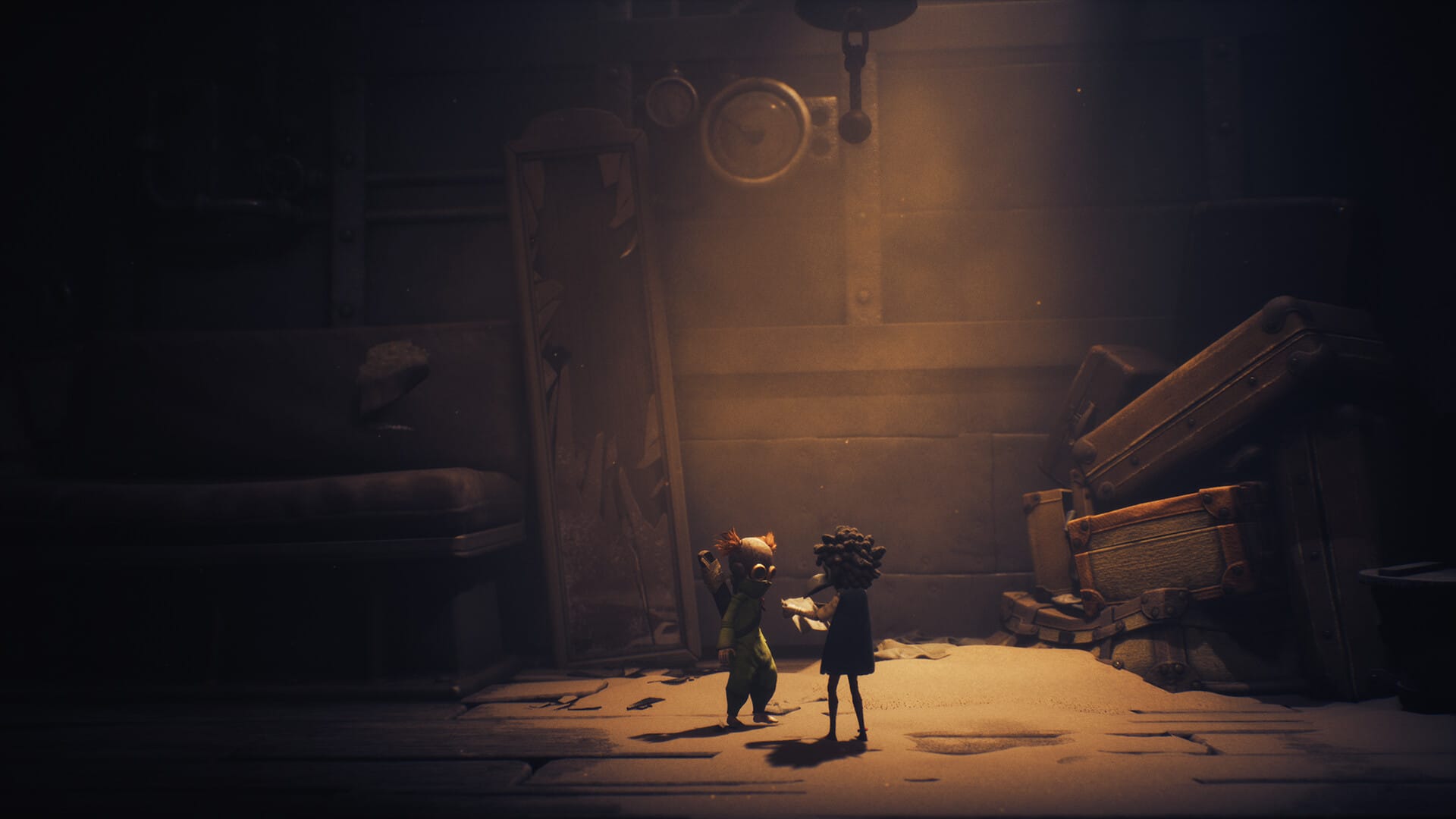
Little Nightmares III embarks on its darkest chapter yet under new stewardship, blending familiar dread with cooperative thrills.
Why Little Nightmares 3 changed developers
The Little Nightmares series began under Tarsier Studios, a Swedish developer known for its eerie and imaginative design style. After the release of Little Nightmares II in 2021, Tarsier announced it would no longer develop games in the series. This decision came after the studio was acquired by Embracer Group, a change that redirected its focus toward creating new original IPs rather than continuing licensed projects.
However, the Little Nightmares intellectual property (IP) belongs to Bandai Namco Entertainment, not Tarsier. Because Bandai Namco owns the rights, it can decide which studio continues the series. Rather than letting the franchise end, Bandai Namco sought another developer capable of preserving its distinctive horror charm while evolving the gameplay.

Why Bandai Namco selected Supermassive Games
Bandai Namco ultimately chose Supermassive Games — a British studio best known for Until Dawn and The Dark Pictures Anthology — to handle Little Nightmares 3. Several reasons led to that decision:
Proven expertise in narrative horror
Supermassive has a strong reputation for crafting story-driven horror experiences with emotional depth and cinematic presentation. Their ability to blend tension, character storytelling, and environmental fear aligned naturally with the Little Nightmares tone.
Familiarity with the franchise

Supermassive had previously collaborated with Bandai Namco on various horror-related projects and had technical familiarity with Little Nightmares 2’s upgraded console versions. That background made them a reliable choice to maintain the same eerie atmosphere fans expect.
Experience with cooperative storytelling
Little Nightmares 3 introduces online co-op for the first time, allowing two players to explore together as Low and Alone. Supermassive’s past work with branching co-op storytelling (especially in The Dark Pictures) made them uniquely equipped to handle this addition without sacrificing tension.
How the developer change impacts the series

Switching studios can affect a franchise’s identity, but Bandai Namco has emphasized that Supermassive aims to preserve the heart of Little Nightmares. The goal is to keep the unsettling tone, imaginative world-building, and subtle narrative style that made the series successful — while also introducing technical and gameplay enhancements.
| Aspect | What Might Change | What Stays the Same |
|---|---|---|
| Gameplay style | Introduction of online co-op, more dynamic puzzles | Platforming and environmental storytelling |
| Visual design | Enhanced lighting and engine improvements | The distinctive “toy-like horror” art direction |
| Narrative tone | Potentially more dialogue-driven moments | Themes of childhood fear and surreal worlds |
| Development tools | Use of updated engine and technology | Side-scrolling, cinematic perspective |
Supermassive’s involvement also means a shift toward slightly more cinematic presentation, but early previews suggest the studio has stayed close to the franchise’s roots. The atmospheric tension, minimalist storytelling, and grotesque yet childlike world remain central to the experience.
What this means for the future of Little Nightmares
The change in developers doesn’t mean the series is losing its identity. Instead, it signals Bandai Namco’s commitment to evolving Little Nightmares beyond its original form. Supermassive brings the experience and resources needed to expand the world while respecting the series’ emotional storytelling and visual style.
If Little Nightmares 3 succeeds, it could open the door for more entries that balance Tarsier’s original vision with new creative interpretations from Supermassive.