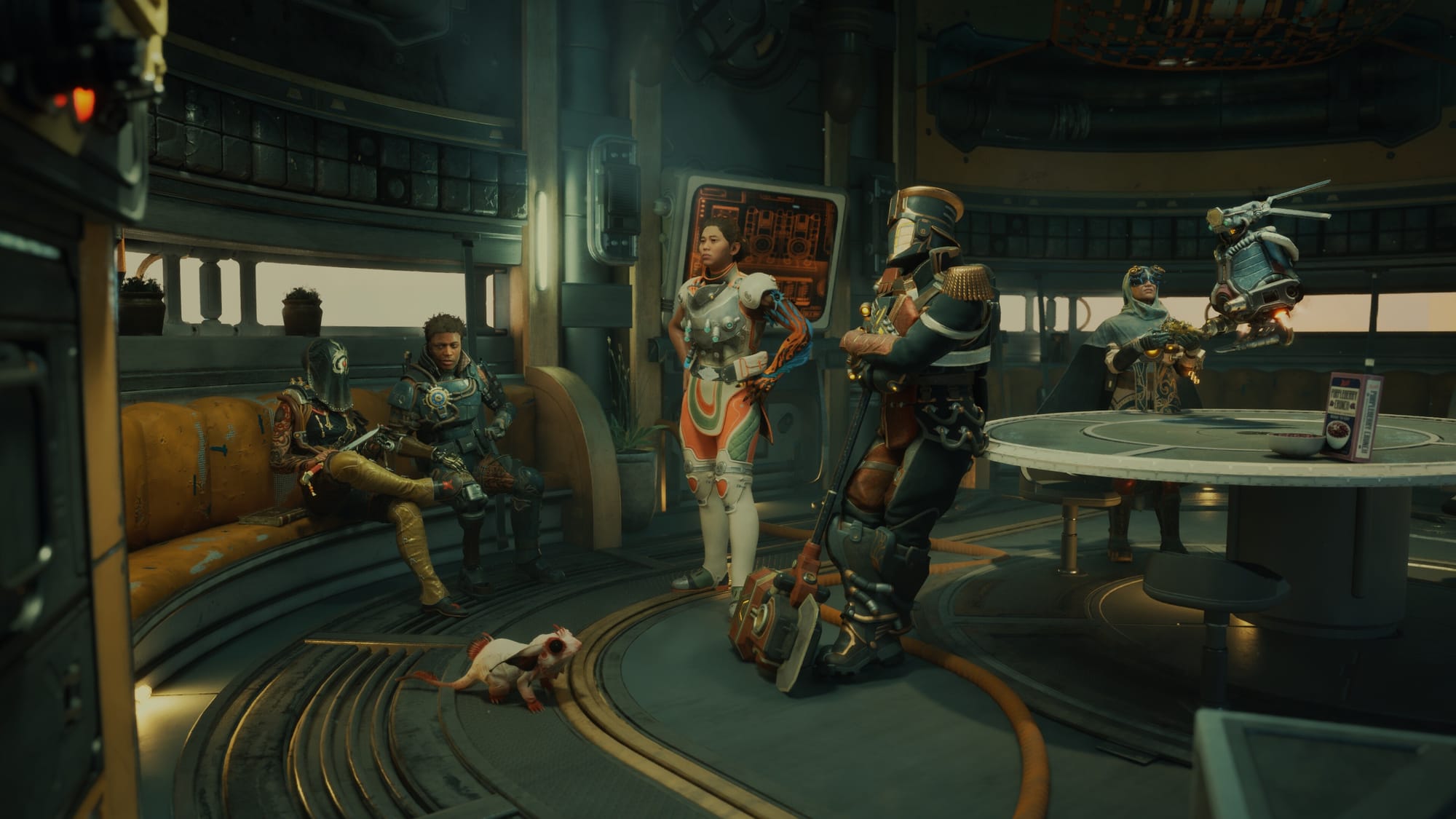
Outer Worlds 2 does not include romance options with companions or NPCs; relationships remain platonic and focused on story and character interactions.
What to know
- The Outer Worlds 2 companion characters are strictly platonic, with no romance options.
- Players can engage in conversations and gifts with companions but cannot start romantic relationships.
- The game’s developers chose to prioritize other story and companion interactions over romance.
- While no player romance exists, the story might include romantic subplots involving NPCs outside the player character.
Outer Worlds 2 follows the first game’s lead by not featuring companion or player romance. Though there are six companions – each with distinct backgrounds, skills, and faction loyalties – none are romanceable. Alas! The developers at Obsidian Entertainment have confirmed that the relationships with companions focus on deep, organic connections without romance as a mandatory feature or focus.
Why romance isn’t in Outer Worlds 2
In an interview with GamesRadar, the Obsidian team stated that romance was not a goal from the start and would detract from developing other complex companion interactions. Writing in romance as a checkbox feature was avoided to preserve meaningful character dynamics like companionship, loyalty, and conflict. Companions react to player choices and have unique story arcs with emotional depth, but these remain platonic throughout.

What companion relationships look like
Each companion in Outer Worlds 2 has their own faction, personal storylines, and skills. Players can influence their attitudes and development, but romance or dating options are not part of the gameplay. You can talk, gift, and build friendships, but affection stops short of romance. This design choice emphasizes buddy-like camaraderie and alliance-building without romantic ties.
Comment
by
u/bboibbjk from discussion
in
theouterworlds
Minor flirtations and outside romances?
While player romance is absent, the game might still include minor flirtations or romantic subplots between NPCs separate from the player’s direct involvement. The first game let players help a companion with their romance for example, showing supportive relationship dynamics without the player being a romantic partner.