What to know
- Expect big, explorable regions on Talos-II, not a single uninterrupted continent.
- Movement between major regions can involve transitions, which is one reason it is labelled as “semi-open world.”
- Exploration is tightly tied to progression and infrastructure systems (you expand across regions and develop them).
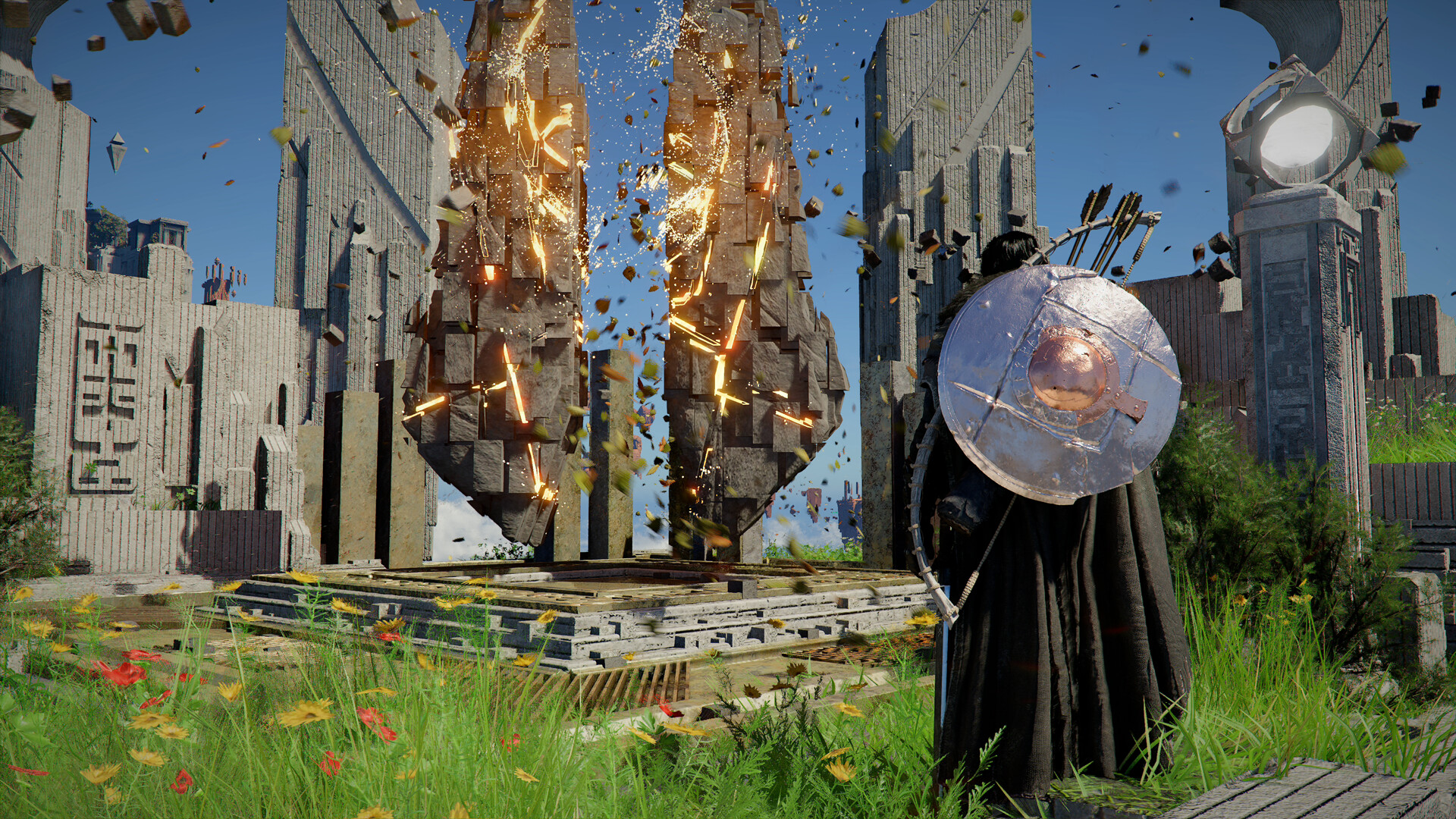
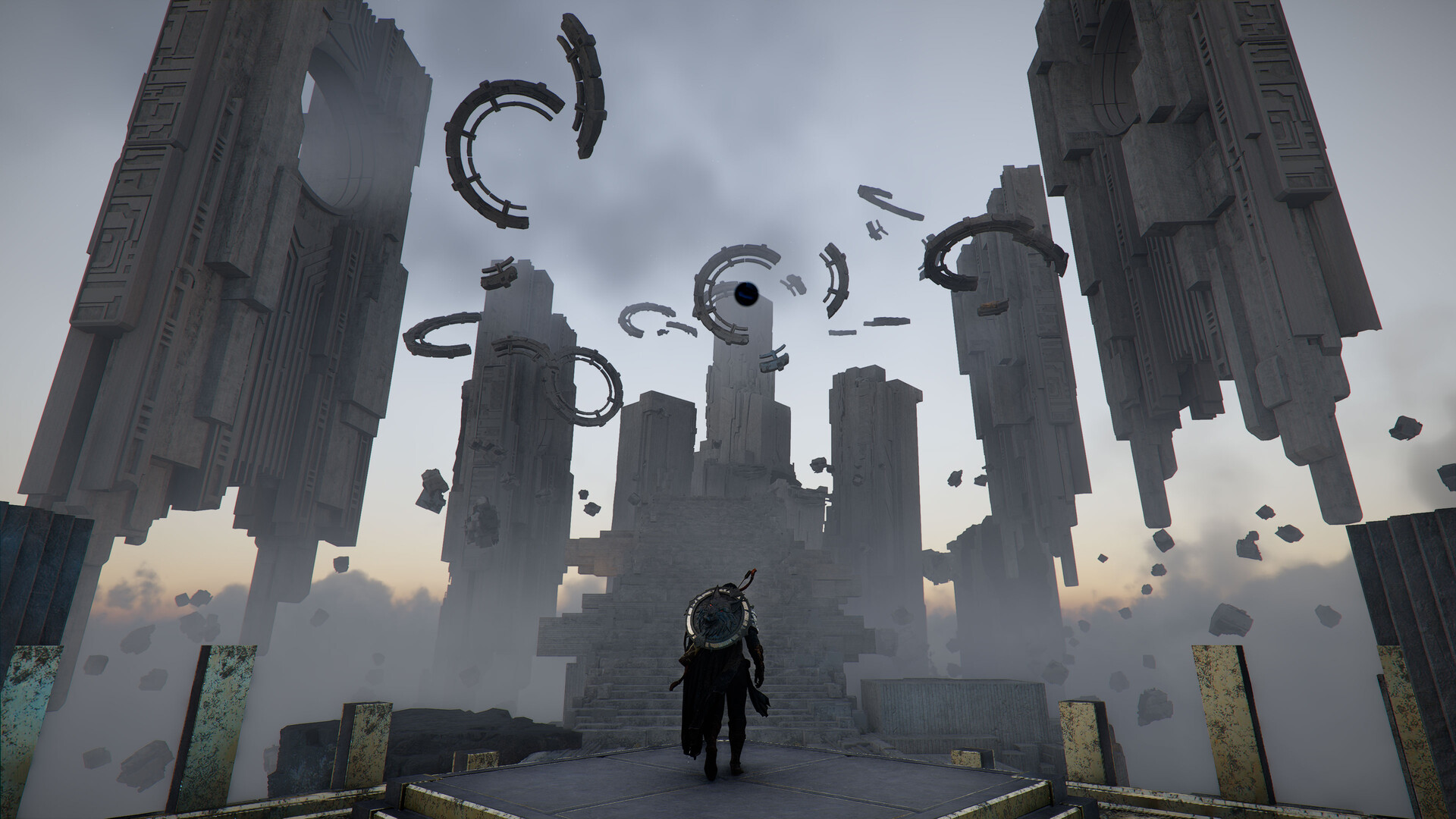
Right away, it helps to separate Arknight: Endfield‘s marketing language from how the game actually feels moment-to-moment. Arknight: Endfield has wide outdoor spaces, exploration, and roaming combat, but the world structure is typically presented as large connected regions rather than one fully seamless open world.
| Topic | What you can expect | What it means for you |
|---|---|---|
| World structure | Large regions/zones on Talos-II | You explore deeply within a region, then move to another region via transitions. |
| “Open world” label | Often described as semi-open world / sandbox-like regions | You’ll see “open world” used loosely, but it’s not pure seamless traversal everywhere. |
| Core gameplay mix | Real-time 3D action RPG + base/factory building | Exploration and combat feed directly into building/expansion systems. |
| Progression shape | Guided unlocking alongside freedom inside regions | You can roam, but access is still controlled by story/systems in places. |
What “open world” usually means (and why Endfield is debated)
In most modern usage, “open world” implies you can travel long distances across the map with minimal barriers—often no hard partitions, few invisible walls, and little to no loading between major areas. A lot of Endfield discussion centers on the fact that it presents huge landscapes, but still uses region boundaries, restrictions, and transitions that make it feel closer to “semi-open world” or “zone-based open world.”
You’ll also run into conflicting descriptions because some community resources use “open world” as a broad genre label (meaning exploration-focused action RPG). But the phrase is defined more strictly (meaning seamless, single-map traversal).
How Talos-II is structured in practice
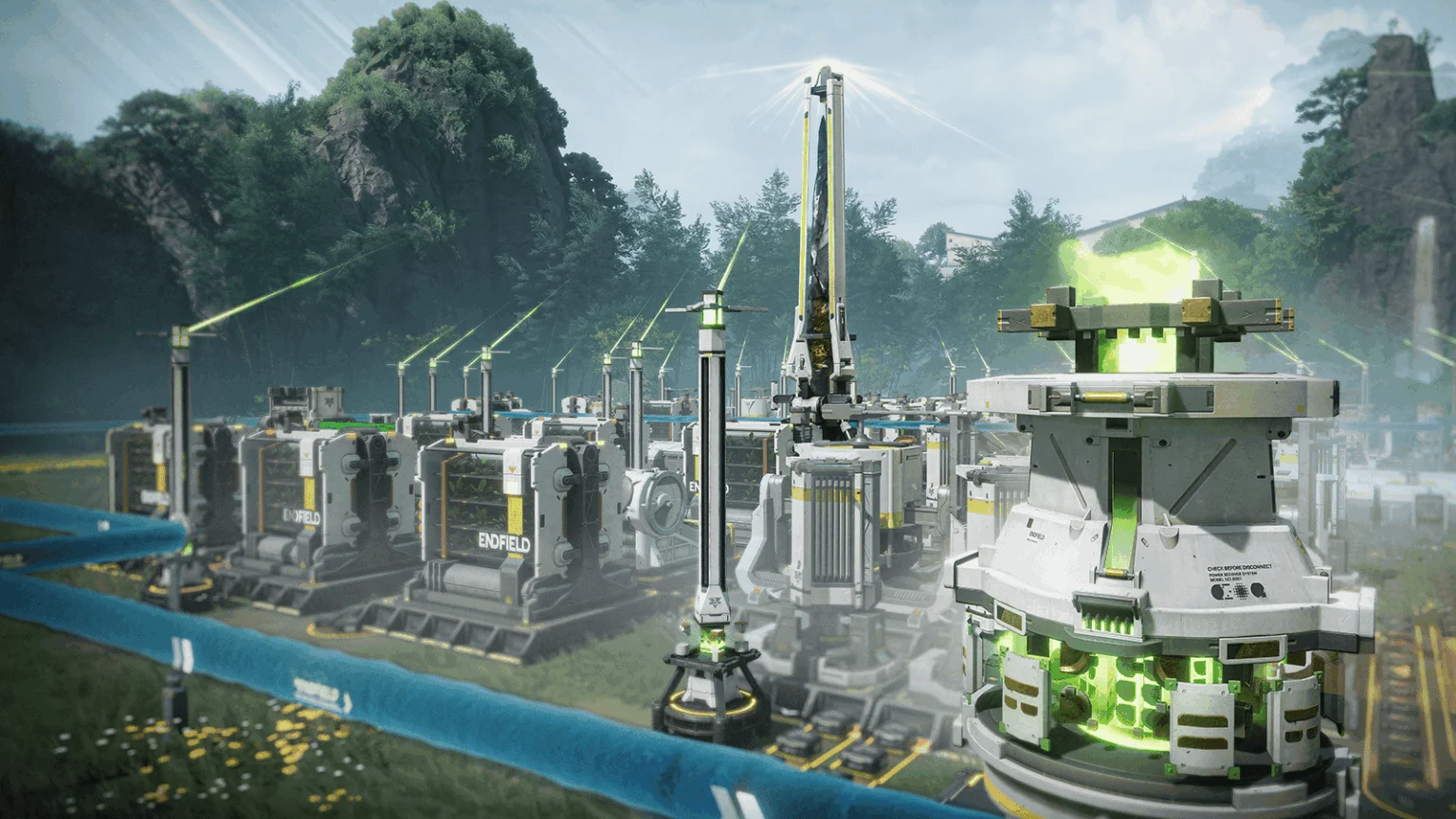
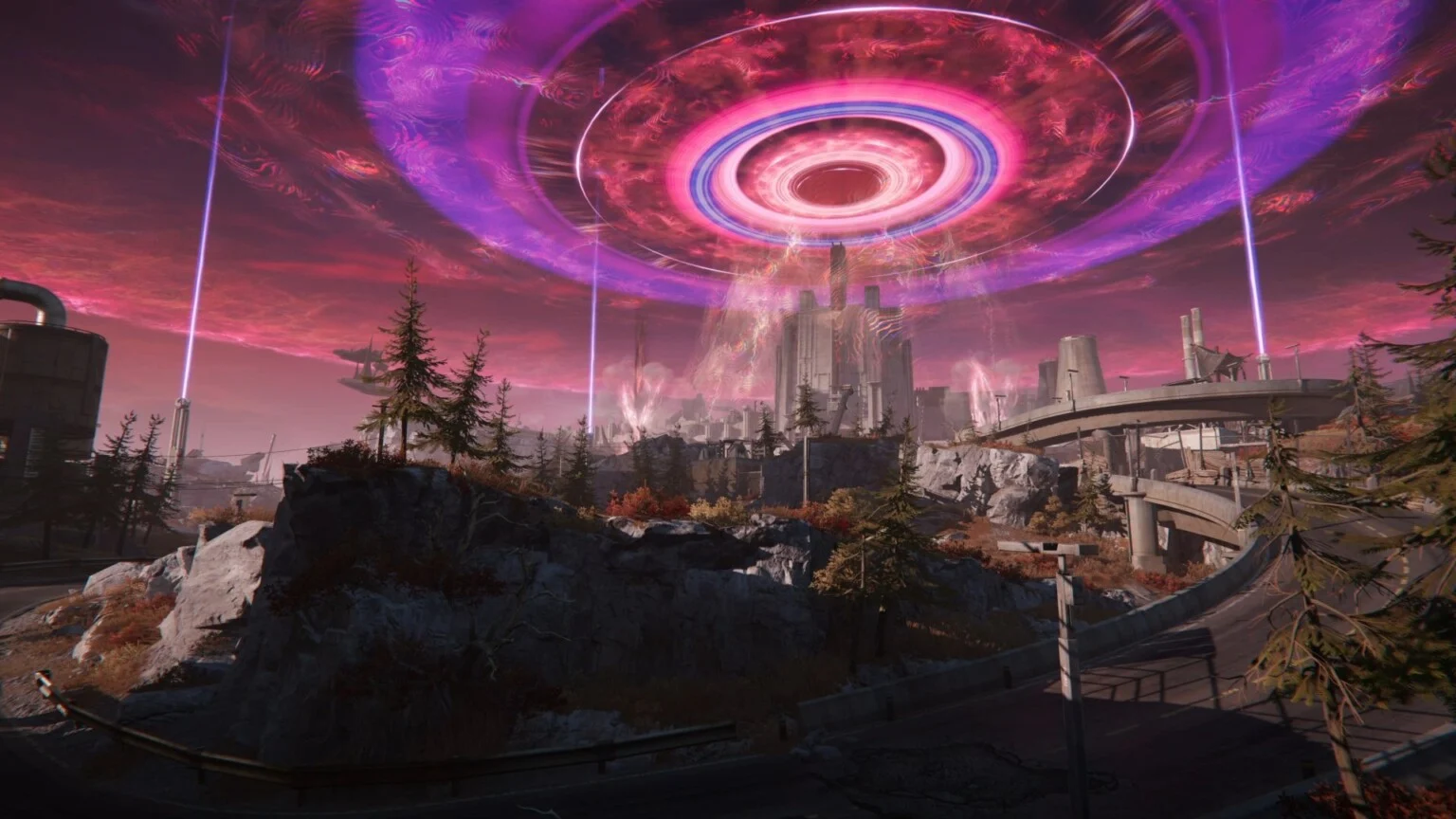
Endfield takes place on Talos-II, a hostile world with large wilderness areas and threats that push you to explore, secure territory, and expand operations. The game is “semi-open world,” and one practical reason is that traveling between distinct regions can require a loading screen rather than being fully seamless.
If you’re coming from fully seamless open-world games, the key adjustment is mental: think “big regions you can thoroughly roam” instead of “one uninterrupted world you can cross end-to-end without transitions.”
How exploration connects to combat and building
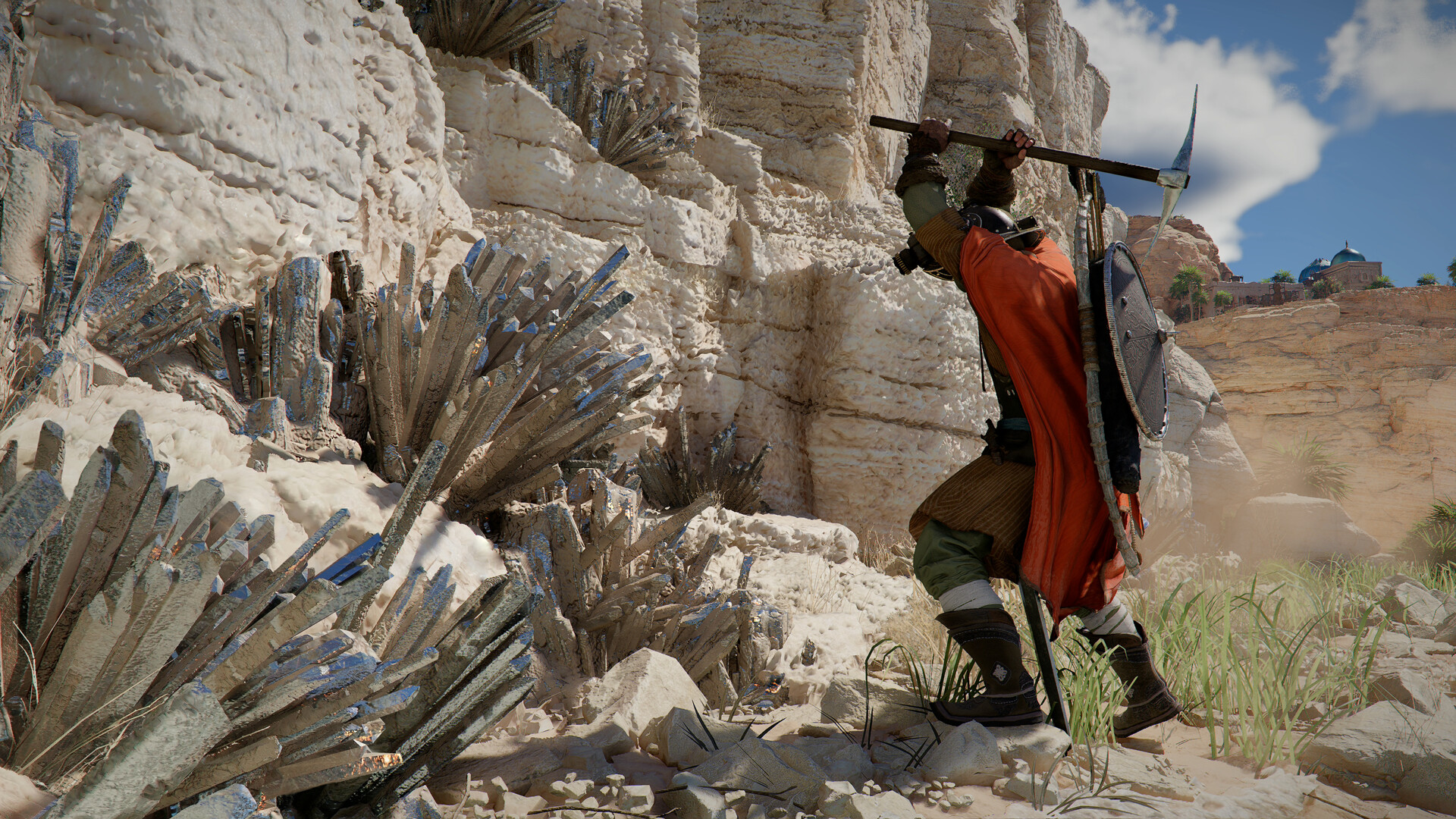
Endfield is a real-time 3D RPG with a four-member squad system where you can switch characters and coordinate skills, leaning into tactical party combat rather than tower defense. At the same time, it’s built around expanding operations across regions and developing them—so exploration isn’t just sightseeing, it’s a resource-and-progression loop that supports your industrial (base) systems.
This is also why some people experience it as “open world enough”: you’re not simply following corridors—you’re scouting, fighting, gathering, and then shaping how you operate in a region through your systems and builds.
Locations involved (Talos-II and its regions)
The game is set on Talos-II, where much of the land is portrayed as dangerous wilderness shaped by recurring disasters and hostile forces, and the broader setup emphasizes pushing into new territory and developing regions as you go. Because Talos-II is divided into large regions, your “world travel” experience tends to be about mastering one region’s routes and resources before shifting to another.
Endfield’s world design
Endfield sits in the middle: more open and explorable than linear RPGs, but not the pure, seamless open-world structure some players expect when they hear the term. If you want the feel of wide-area exploration paired with a strong “build and expand” backbone, the semi-open, region-based approach is basically the point—not a drawback.