What to know
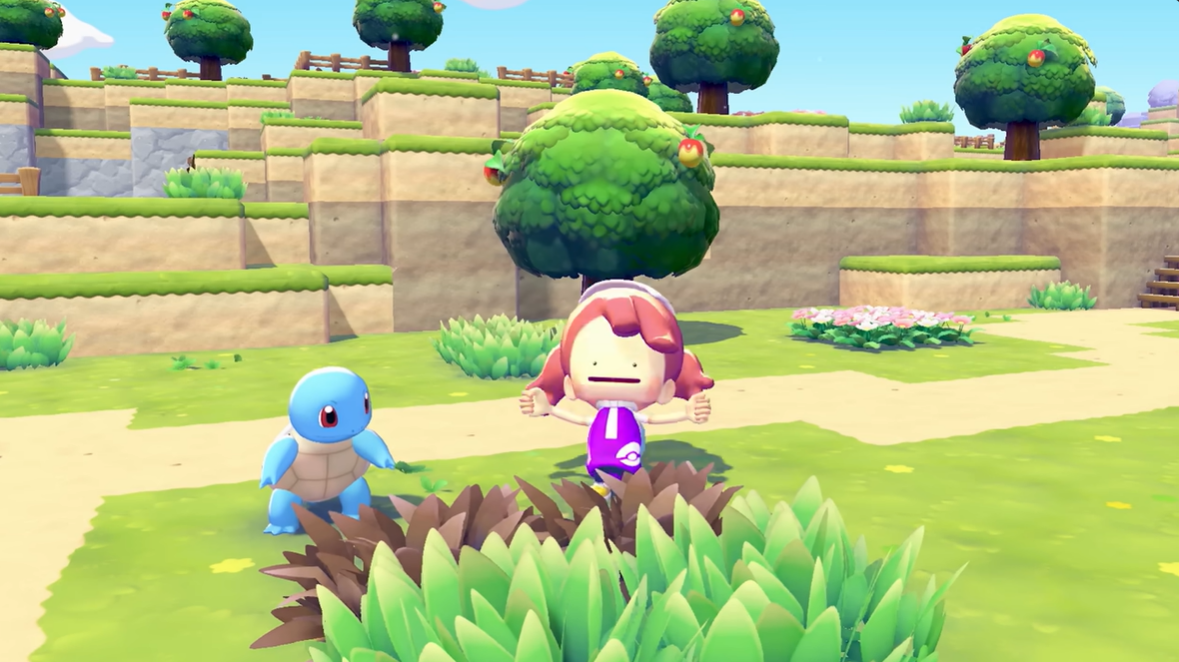
- Bonsly appears in the tree-shaded red tall grass habitat in Pokopia.
- The habitat requires a tree with grass placed directly beside it.
- Four pieces of grass near the tree trigger the correct spawn conditions.
- Building multiple setups increases the chance of Bonsly spawning among other Pokémon.
Getting Bonsly in Pokopia revolves around creating the correct environmental setup rather than completing a quest or battling a specific trainer. Bonsly is tied to a habitat mechanic, meaning you must construct the right biome elements for it to spawn naturally. Once you understand how the habitat system works, the process becomes simple and repeatable.
Quick overview of Bonsly in Pokopia
| Feature | Details |
|---|---|
| Pokémon | Bonsly |
| Pokédex Number | 165 |
| Habitat Requirement | Tree-shaded red tall grass |
| Key Structure | Tree with surrounding grass |
| Grass Required | 4 pieces near the tree |
| Spawn Method | Habitat spawn |
| Spawn Time | Day and Night |
| Weather | Clear, cloudy, or rain |
Tree-shaded red tall grass habitat requirements explained
In Pokopia, each Pokémon appears only when the environment matches its preferred habitat. Bonsly belongs to the tree-shaded red tall grass category, which means the game looks for two main elements before spawning it: a tree and nearby grass tiles.
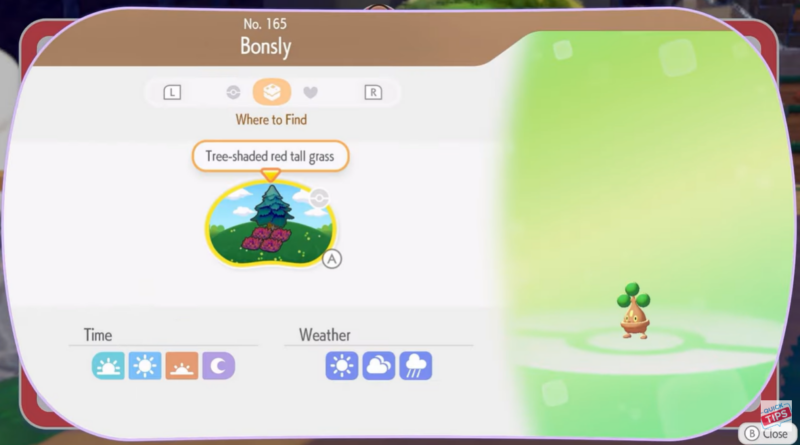
The tree acts as the anchor for the habitat. Once a tree is placed or found in the correct biome, the surrounding terrain determines which Pokémon can spawn there. Bonsly specifically requires tall red grass positioned around the tree. The grass pieces do not need to be arranged perfectly, but they must be close enough to register as part of the habitat zone.
You may notice other Pokémon appearing in the same location. This is normal because several species share the same habitat type, which means Bonsly will compete with other spawns.
How to build the Bonsly habitat in Pokopia
Step 1
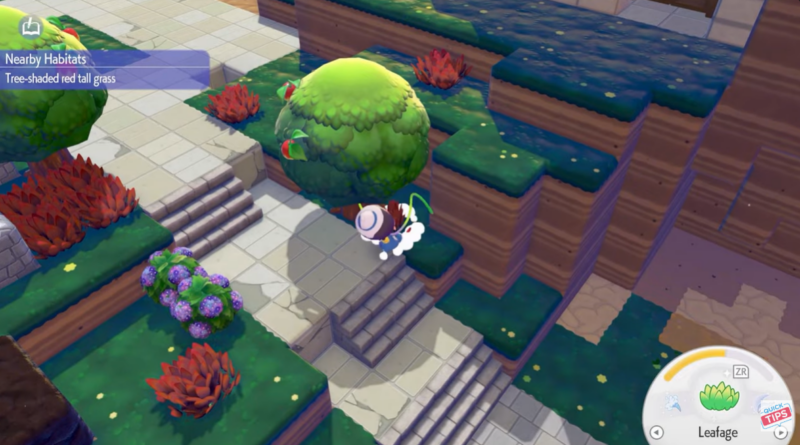
Locate a tree inside a tree-shaded red tall grass area. This type of terrain is essential because Bonsly only appears when both shade and tall grass are present together.
Step 2
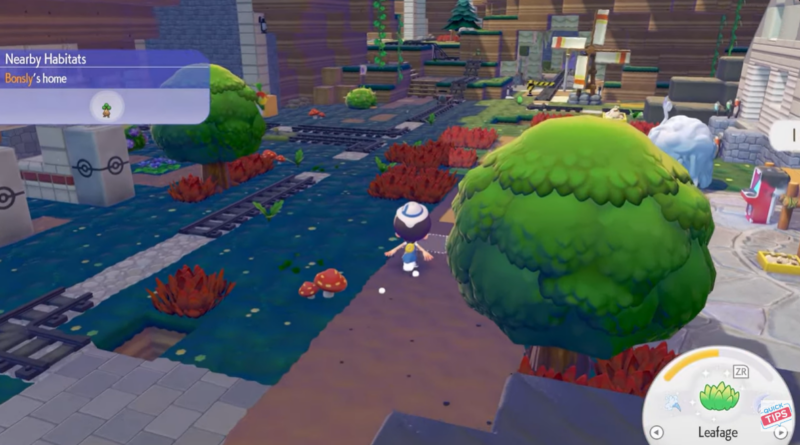
Place four pieces of grass directly beside the tree. The grass pieces should touch the tree’s surrounding tiles so the game recognizes them as part of the same habitat.
Step 3
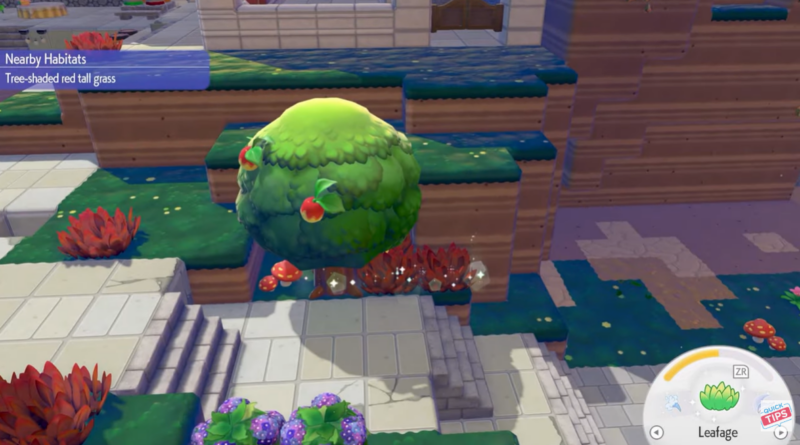
Do not worry about perfect placement. The four grass tiles do not need to form a square or exact pattern, as long as they remain close to the tree.
Step 4
Wait for Pokémon to begin spawning in the habitat. Bonsly will eventually appear once the correct conditions are detected by the game’s spawning system.
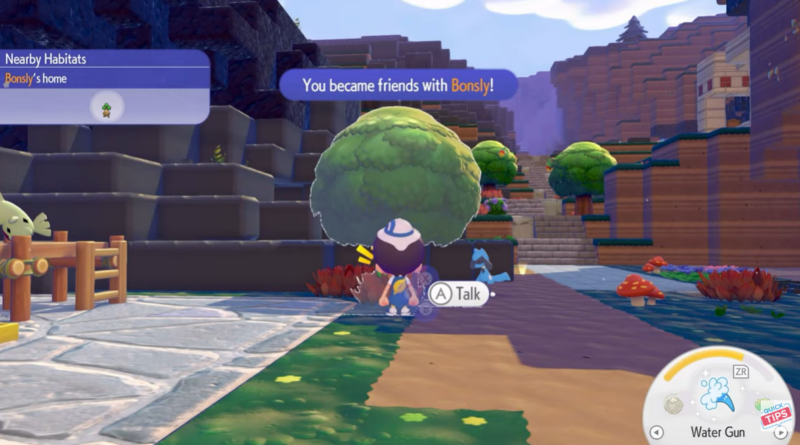
Repeat the setup in several areas if possible. Building multiple tree-and-grass habitats significantly increases the chances of Bonsly appearing.
Why building multiple habitats improves spawn chances
Pokopia uses a shared spawn system where several Pokémon compete for the same habitat slot. Because of this, Bonsly will not appear every time the habitat activates. Other Pokémon adapted to the same environment may spawn first.
Creating several identical habitats helps solve this problem. Each habitat acts as an additional spawn location, meaning the game rolls multiple chances to generate Bonsly instead of relying on a single area.
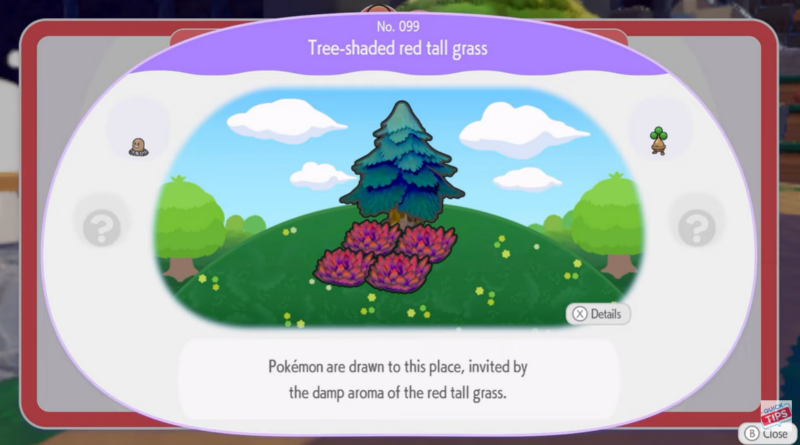
Over time, this dramatically increases your success rate.
Time and weather conditions for Bonsly
Bonsly is relatively flexible compared to many Pokémon in Pokopia. It can spawn during daytime, sunset, or nighttime, making it easier to obtain without waiting for a specific cycle.
Weather conditions are also forgiving. Clear skies, cloudy weather, and rain all allow Bonsly to appear, so you rarely need to manipulate the weather system.
This flexibility means the main focus should remain on building the correct habitat rather than controlling environmental conditions.
Common mistakes when trying to spawn Bonsly
Many players struggle to find Bonsly because of habitat placement errors. The most common issue is placing grass too far from the tree, which prevents the game from registering the correct biome.
Another frequent mistake is building only one habitat. Because multiple Pokémon share the same environment, relying on a single spawn location slows the process significantly.
Players sometimes believe a specific tree must be used. Any tree located within the proper habitat area will work, so there is no need to replicate an exact tree shown in videos or guides.