- What to know
- ARC Raiders Stash saving tips
- Why maxing your stash early changes everything
- How the merge button quietly saves dozens of slots
- Why crafting augments before raids is more efficient
- Shields and ammo are stash traps
- How attaching weapon mods frees space instantly
- Long-term stash habits that prevent future bottlenecks
What to know
- Stash space caps at 280 slots, and reaching that limit should be a priority early on.
- The merge button quietly frees space by consolidating partial stacks you might overlook.
- Crafting just before raids beats hoarding, especially for augments, ammo, and shields.
- Weapon mods don’t need to live in your stash if they’re already attached to a gun.
If you’re playing ARC Raiders and constantly bumping into a full stash warning, you’re not alone. The game encourages scavenging, but without smart storage habits, your inventory fills up faster than your progression curve. The following guide expands on proven stash-saving strategies shared by experienced players, breaking down not just what to do, but why it works long-term.
ARC Raiders Stash saving tips
| Area | Best practice | Why it matters |
|---|---|---|
| Stash capacity | Upgrade to 280 slots | Delays hard inventory limits |
| Item stacking | Use merge regularly | Removes wasted partial stacks |
| Crafting timing | Craft right before raids | Prevents dead weight storage |
| Defensive gear | Avoid storing shields | High space and weight cost |
| Ammo management | Never hoard ammo | Cheap and fast to craft |
| Weapon mods | Attach instead of storing | Converts loose items into active gear |
Why maxing your stash early changes everything
The stash upgrade path in ARC Raiders is not just a convenience upgrade, it’s a progression stabilizer. At lower capacities, every successful raid ironically creates pressure, forcing you to dismantle or sell items you might need later. Once you push your stash to the maximum 280-slot limit, that pressure eases significantly, giving you room to experiment with loadouts, save quest items, and hold onto crafting materials without constant cleanup.
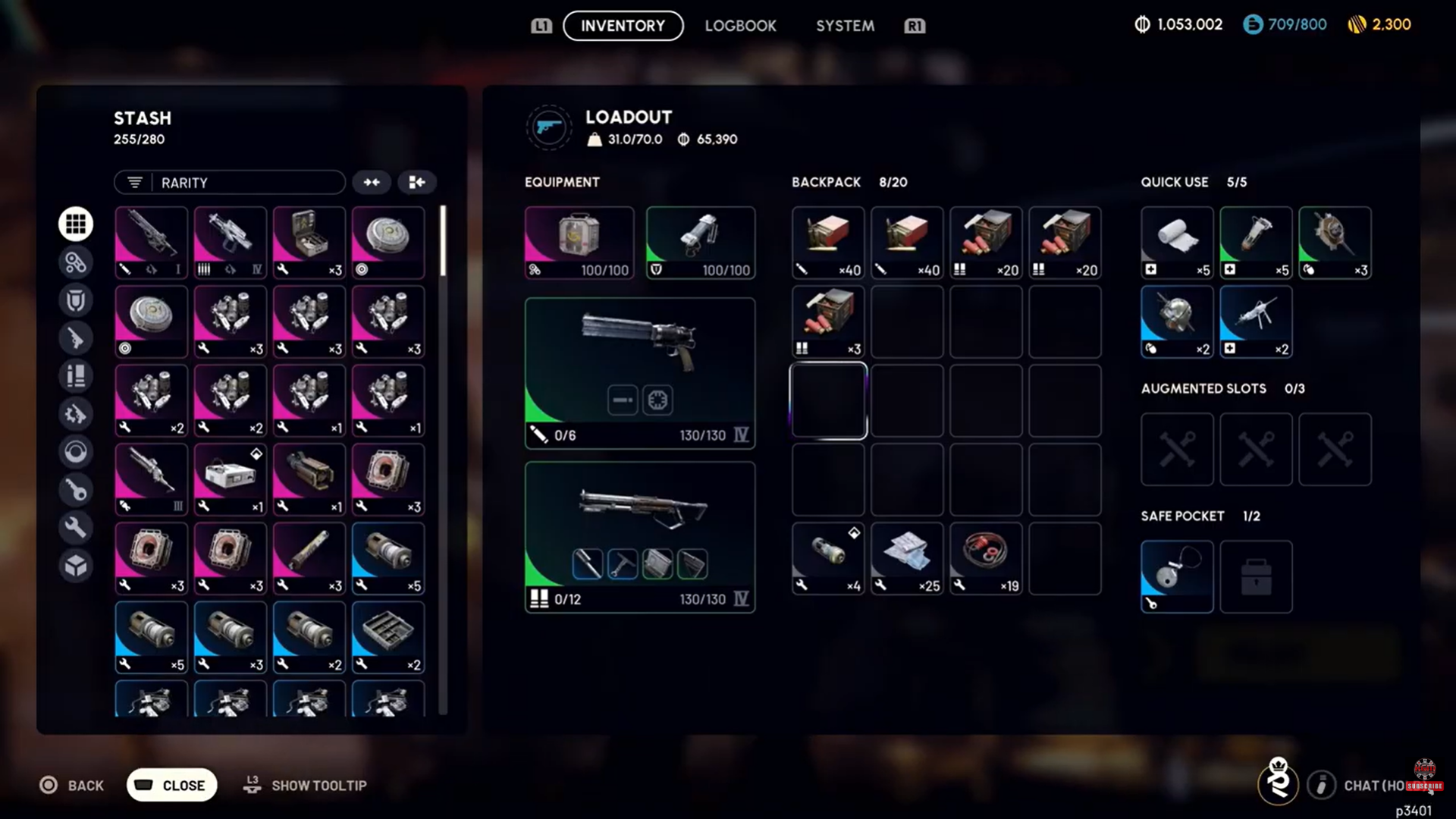
This upgrade also synergizes with later systems. As enemies become tougher and crafting trees widen, you’ll naturally collect more unique components. Having the space upfront prevents progression stalls caused purely by inventory limits.
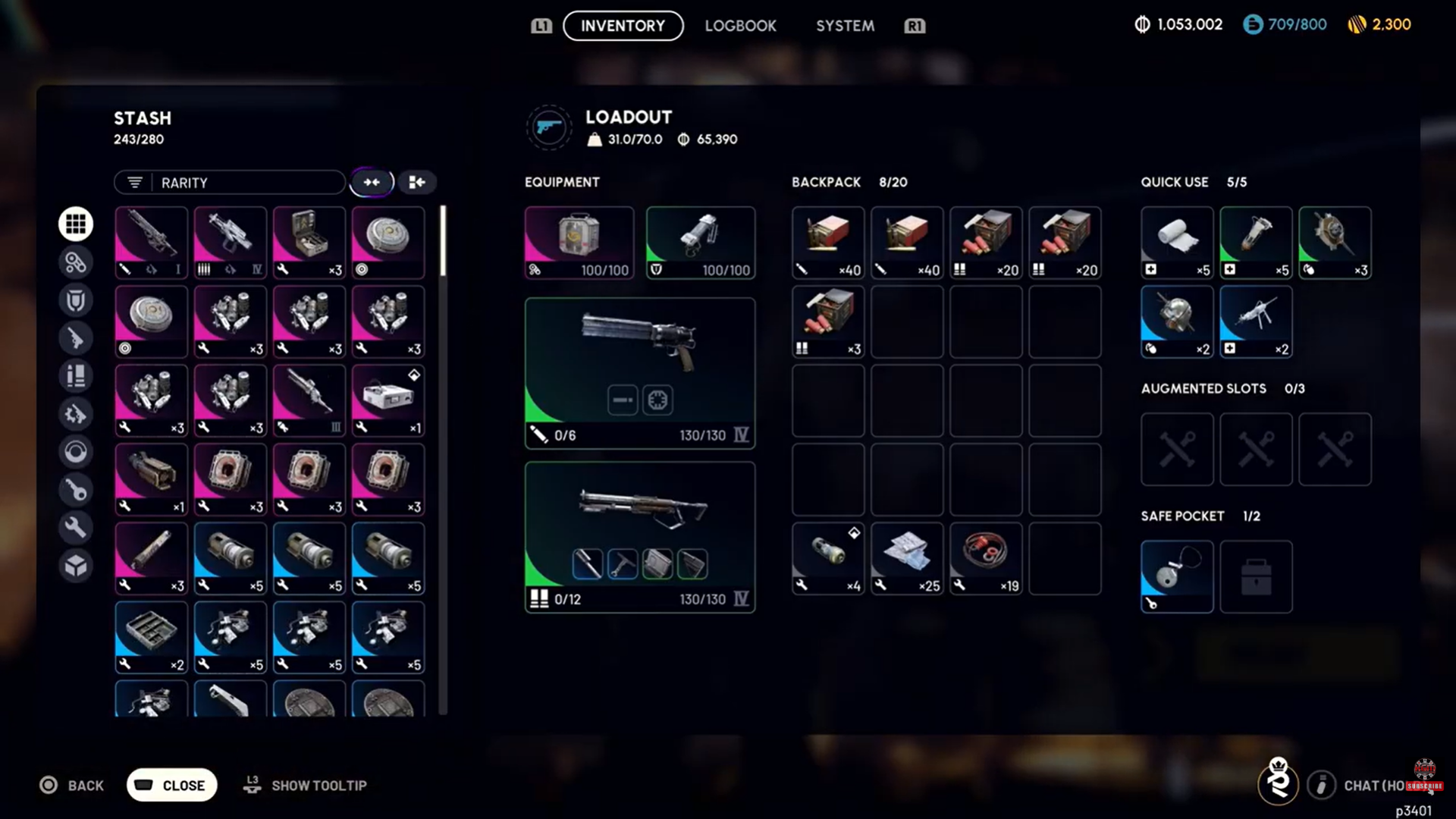
One of the most overlooked tools in the stash interface is the merge button. Over time, your stash fills with partially used stacks of crafting materials, ammo components, and consumables. Individually, they don’t look wasteful. Collectively, they can cost you 10 to 20 slots without you realizing it.
Using merge regularly compresses these fragments into full stacks, often instantly freeing space. In practical terms, players have seen stashes drop from the mid-250s to the low-240s in seconds simply by merging. This should be treated as routine maintenance, especially after long farming sessions.
Why crafting augments before raids is more efficient
Augments feel valuable, so it’s tempting to stockpile them. The problem is that most augments take up stash space while doing absolutely nothing until you deploy. The smarter approach is to craft common augments only when you’re about to raid, keeping your stash reserved for materials instead.
Rare augments are the exception. Those are worth holding onto because they’re harder to replace and may be needed for specific builds or challenges. Everything else is better crafted on demand, keeping your stash lean while maintaining full flexibility.
Shields and ammo are stash traps
Shields and ammunition are among the worst offenders when it comes to wasted stash space. Ammo is cheap, quick to craft, and almost always available. Storing it long-term offers no advantage, especially when you can produce exactly what you need moments before deploying.
Shields are even trickier. Heavy shields, in particular, look appealing on paper but often fail to justify their weight and space cost in real combat scenarios. Crafting shields right before a raid ensures you only carry what you actually plan to use, rather than letting defensive gear slowly clog your stash.
How attaching weapon mods frees space instantly
Weapon mods are small individually, but they add up fast. A stash filled with loose scopes, grips, and barrels becomes inefficient surprisingly quickly. The clever workaround is to attach mods to weapons that don’t already have them, even if those weapons are sitting unused.
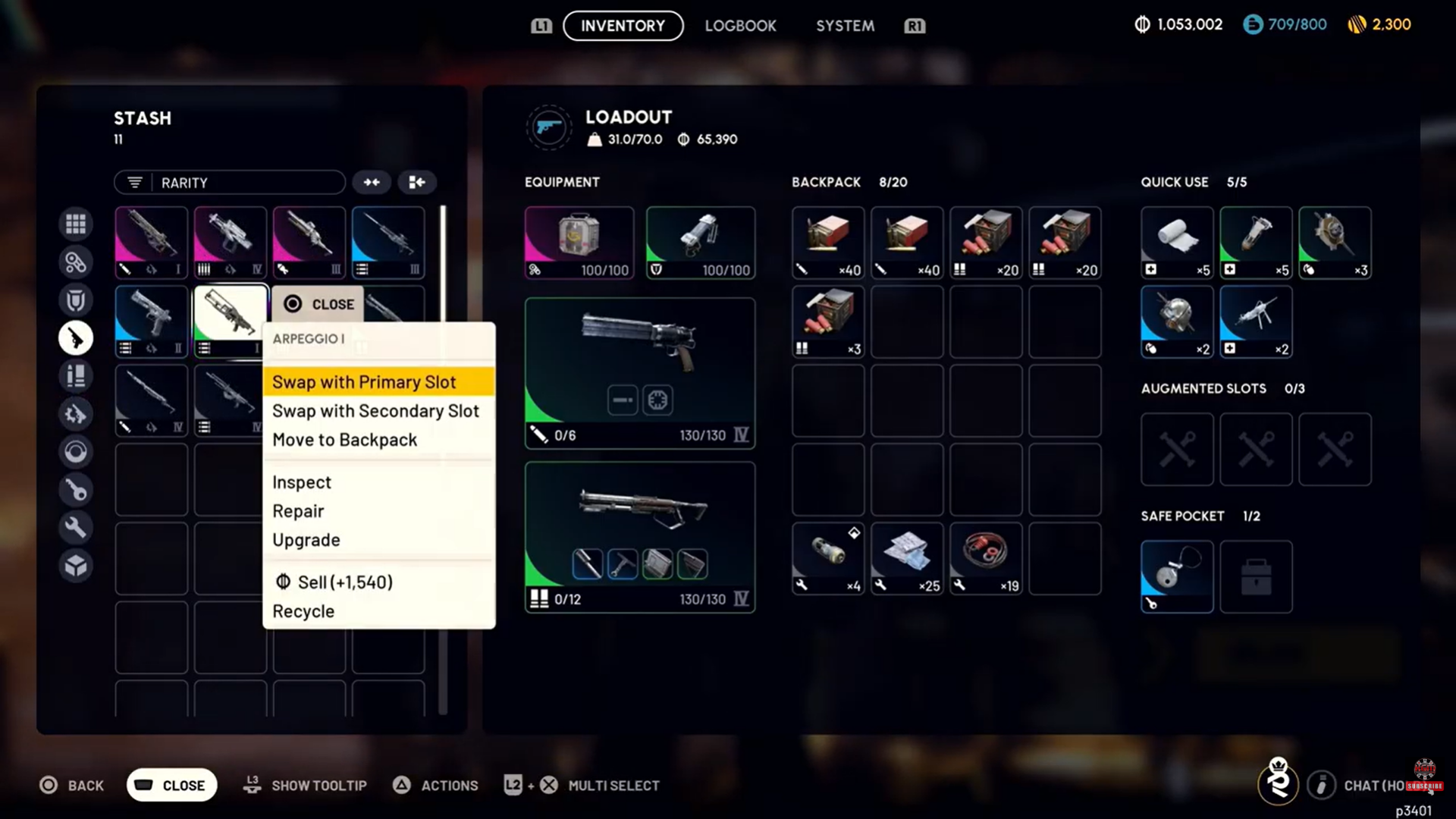
Once attached, mods no longer consume separate stash slots. They effectively become part of the weapon’s footprint, which you’re likely storing anyway. This single habit can recover a surprising amount of space while keeping your mods accessible if you decide to strip them later.
Long-term stash habits that prevent future bottlenecks
Stash management doesn’t win gunfights, but it enables everything that does. By maximizing capacity early, merging often, crafting only when needed, and embedding mods into weapons, you eliminate one of the biggest sources of friction in ARC Raiders. The result is more time raiding, less time sorting, and far fewer moments where progress stalls simply because you ran out of space.
Stash-saving checklist for ARC Raiders
Before you wrap up a session or head into your next raid in ARC Raiders, run through this quick mental checklist to keep your stash under control and future-proof your progress.
- Have you upgraded your stash as far as possible? If you’re not at 280 slots, that should stay high on your priority list because it smooths out every other system in the game.
- Did you press the merge button after your last raid? This one step can silently recover multiple slots by collapsing partial stacks you didn’t notice.
- Are you storing augments you could craft later? Keep only rare or hard-to-replace augments and craft the rest right before deploying.
- Is there ammo or shields sitting unused in your stash? If yes, clear them out—craft both just before raids and avoid heavy shields unless you have a specific plan.
- Are weapon mods sitting loose in inventory? Attach them to unused weapons to convert dead stash slots into active gear.
- Does every stored item have a clear purpose? If you can’t explain when or why you’ll use it, it’s probably better as materials or credits.
The most effective stash management isn’t a one-time cleanup, it’s a mindset. Treat your stash as temporary storage, not a museum. Materials are meant to be converted, ammo is meant to be fired, and gear is meant to be risked in raids. Regular merging, just-in-time crafting, and avoiding emotional attachment to easily replaceable items keeps your inventory healthy as the game evolves.