- What to know
- How electricity flows through structures in StarRupture
- Building your first power generator
- How to connect and expand your power network
- How to power machines and production buildings
- How to troubleshoot common power issues
- Key power rules to remember
- Powering buildings efficiently in StarRupture
What to know
- Power travels through connected structures, not wires
- Solar generators are the main early-game power source
- Rails and pathways both transfer electricity
- All powered buildings must share a continuous connection
In StarRupture, powering buildings works very differently from most survival and factory games. Instead of wires or cables, electricity flows through your base’s physical structures, meaning how you build directly determines what gets power and what doesn’t. Early on, mastering this system—especially using the level-one solar generator, rails, and pathways—makes the difference between a smoothly running base and machines that refuse to turn on.
How electricity flows through structures in StarRupture
Unlike traditional base builders, StarRupture doesn’t use cables or wiring. Electricity moves through physically connected build pieces such as foundations, platforms, rails, and walkways. Think of your base layout itself as the power grid.
If two structures are connected, power can flow between them. If there’s even a small gap, electricity stops completely.
Building your first power generator
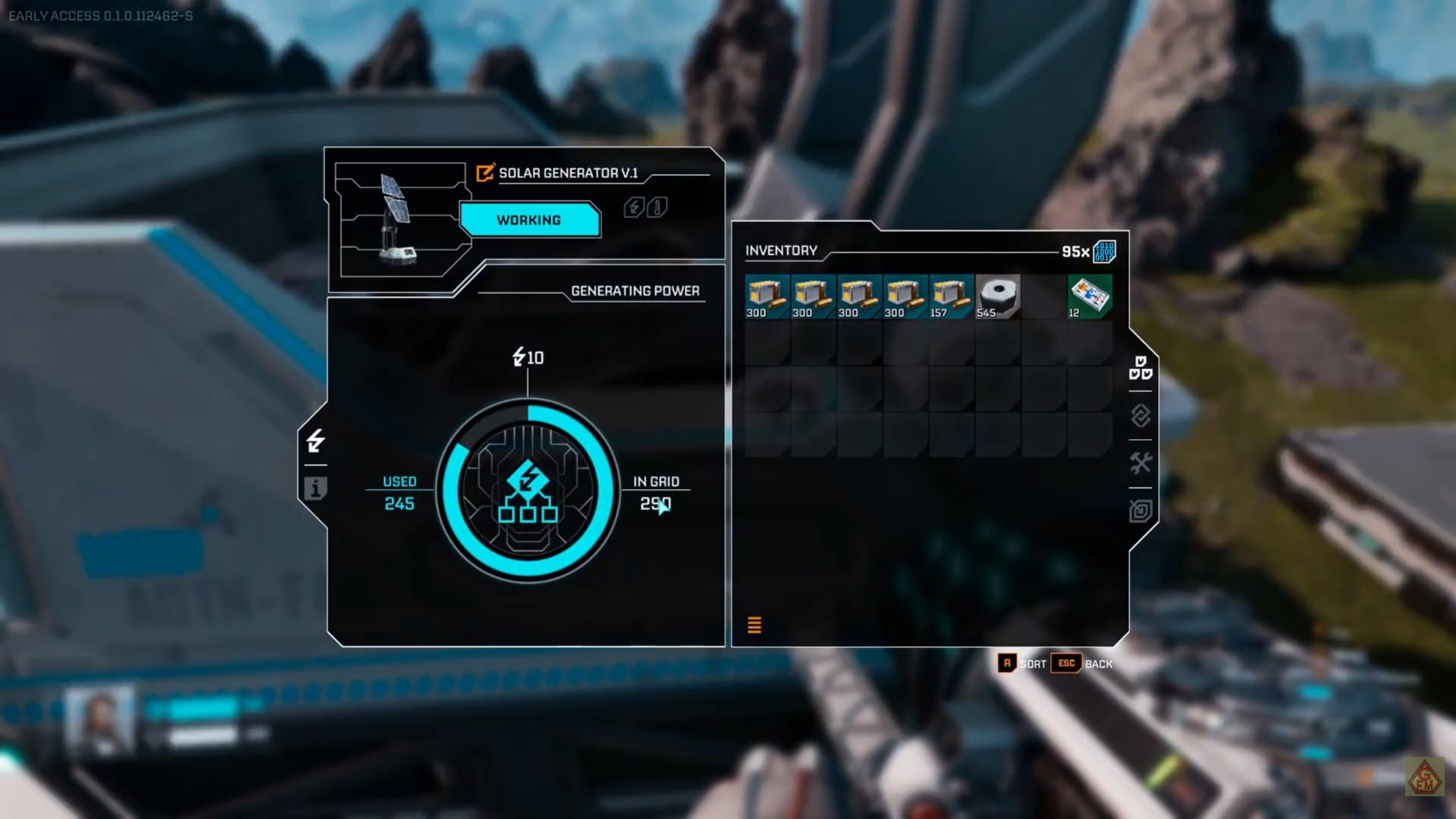
Early progression revolves around the Solar Generator (Level 1). This is your primary electricity source until more advanced generators unlock.
To make it work properly:
- Place the generator directly on a platform, foundation, or rail
- Ensure that structure is part of your wider base
- Avoid placing generators on isolated ground pieces
If the generator isn’t part of the connected grid, it won’t power anything.
How to connect and expand your power network
There are two reliable ways to move power across your base:
Using rails to transfer power
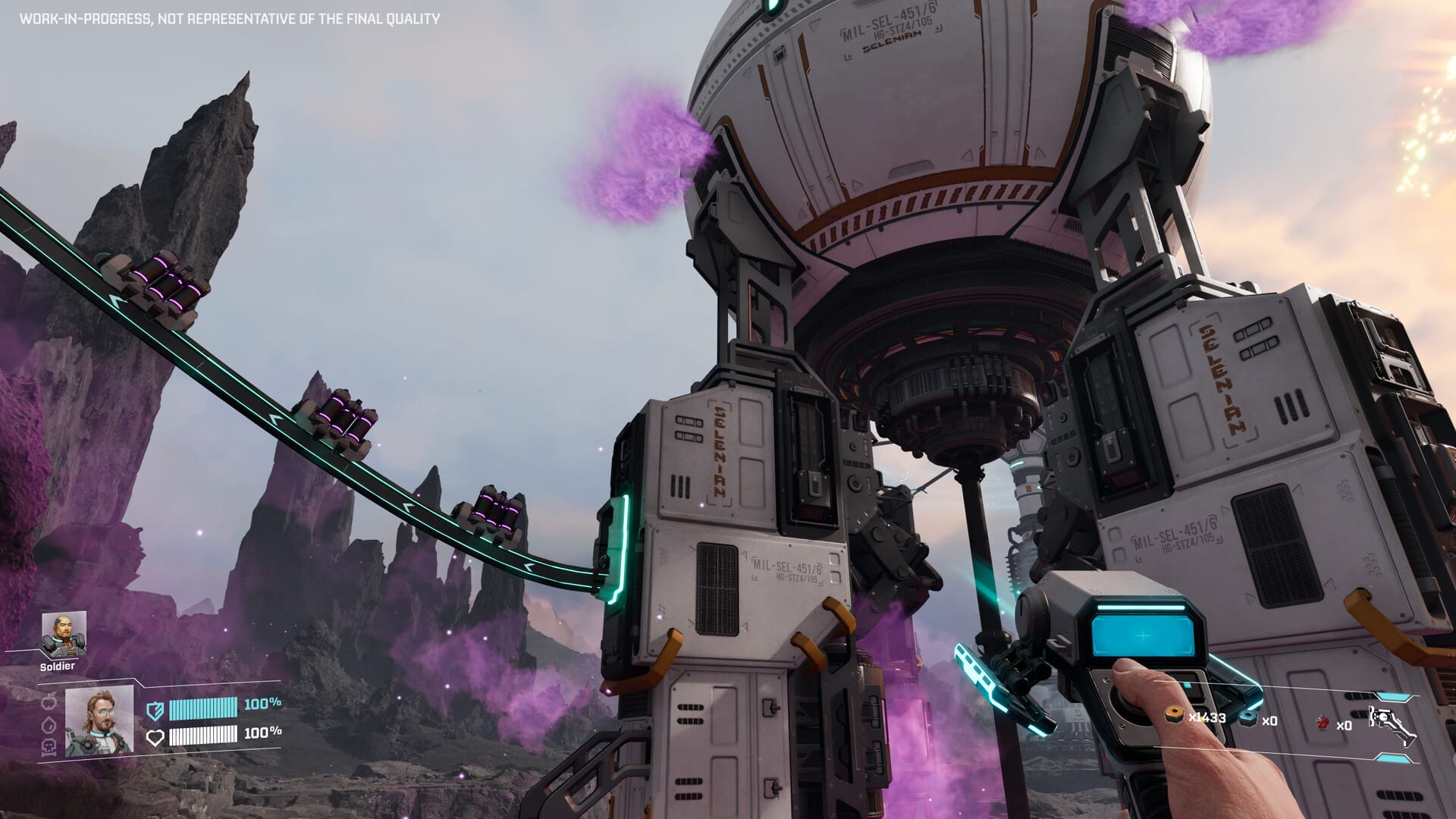
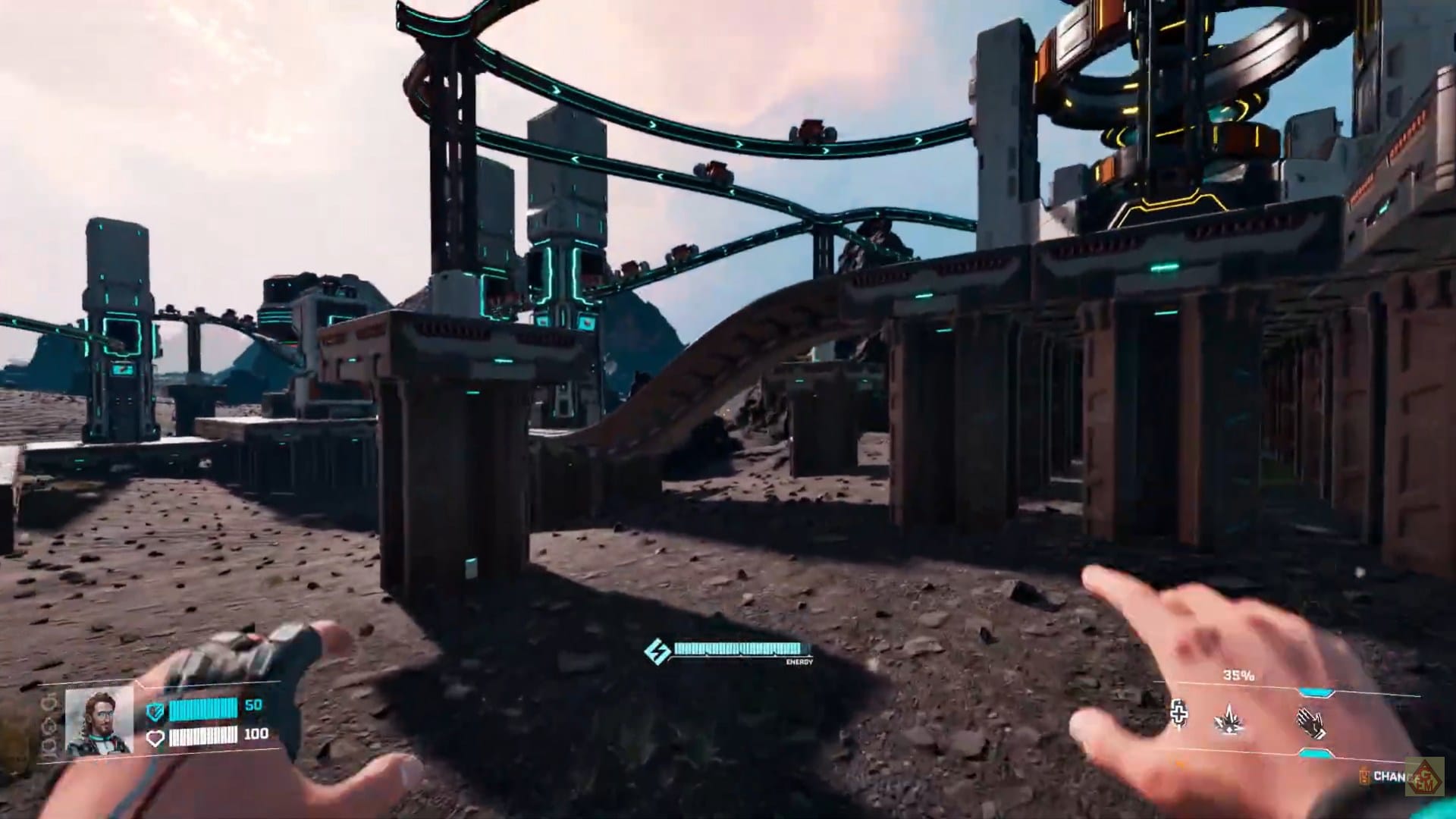
Rails act as conductive links. Any building connected through rails becomes part of the same electrical network. This method is ideal for longer distances or vertical layouts.
Using platforms and pathways
Platforms and walkways also carry electricity. If buildings are close together, a simple connecting path is enough to transfer power between otherwise separate grids.
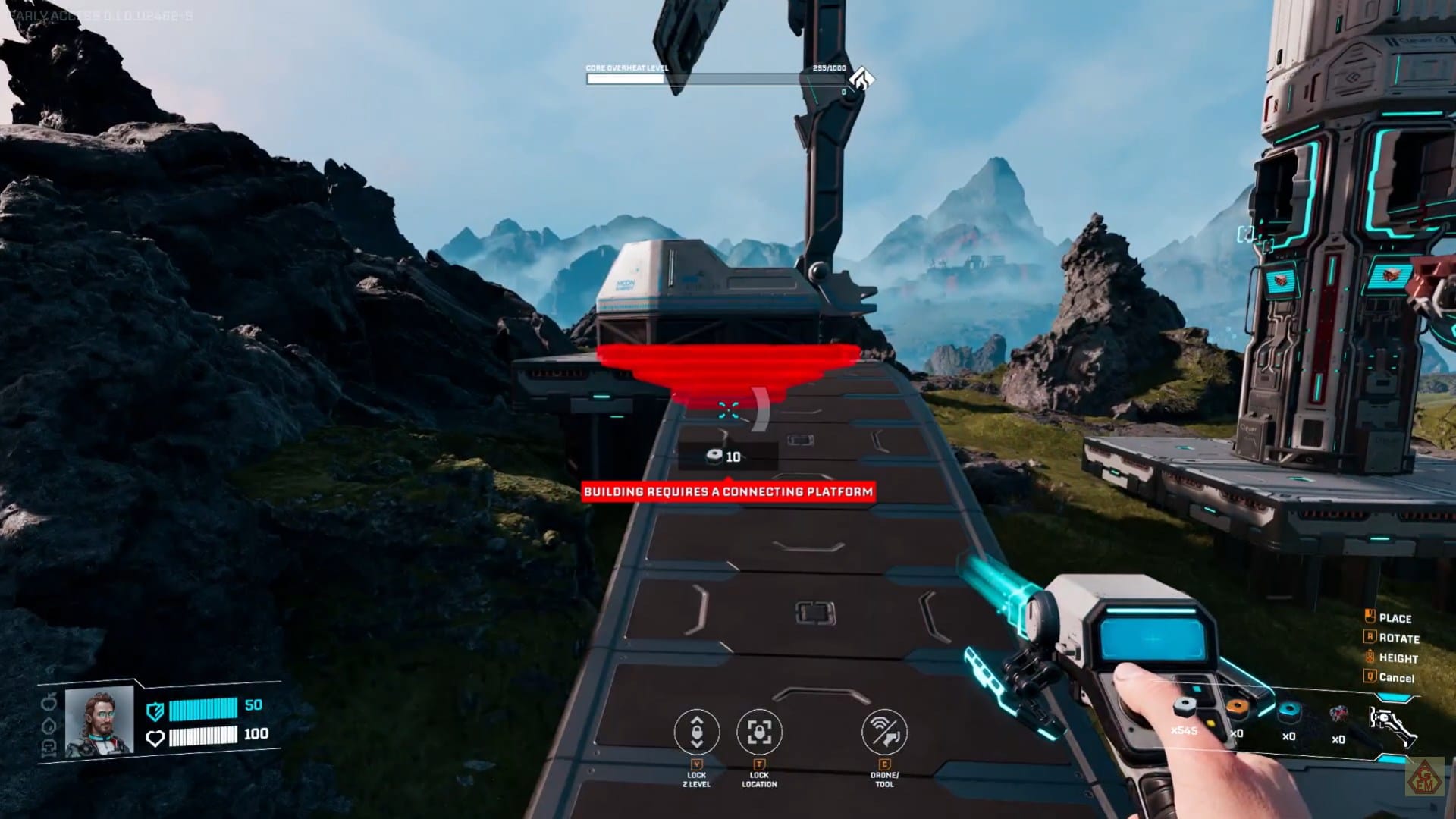
You can even build a secondary power platform and link it back to your main base using a single walkway to share electricity.
How to power machines and production buildings
Once connected:
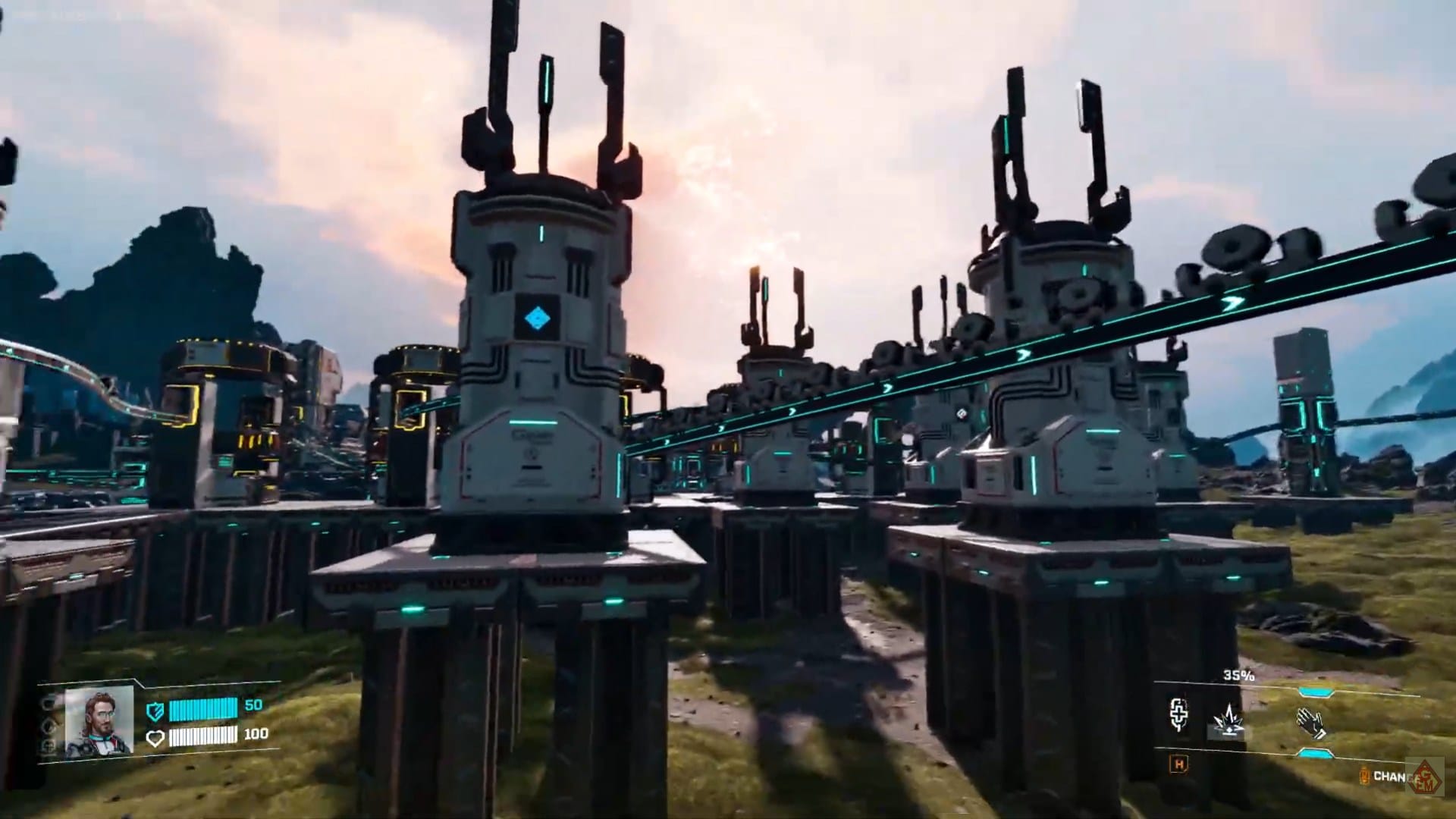
- Smelters, fabricators, launchers, and similar machines automatically draw power
- Some structures, like ore excavators, rely on indirect power through connected machinery
If something isn’t working, it usually means:
- The structure isn’t connected
- There isn’t enough total power generation
How to troubleshoot common power issues
Check physical connections
Walk your grid and confirm there are no missing platforms, rails, or broken links.
Verify generator placement
Generators must sit directly on connected structures, not nearby terrain.
Increase power output
Add more generators if machines flicker or refuse to activate.
Test with a simple machine
Connect one machine close to the generator to confirm the grid is functioning.
Key power rules to remember
- Electricity never jumps gaps
- Distance doesn’t matter, connection does
- Rails, platforms, and pathways all conduct power
- Expanding bases requires planned grid extensions
Powering buildings efficiently in StarRupture
Mastering the structural power system early makes base expansion far smoother. Once you treat your floors and rails as the electrical network itself, powering even large facilities becomes simple and reliable.