- What to know
- Quick overview of Eldergrain at a glance
- How to get Eldergrain in Starsand Island
- Growth and farming details
- Uses of Eldergrain explained
- Efficient ways to use Eldergrain on your farm
- Reward potential from gifting and quests
- How to build friendship efficiently using Eldergrain
- Why Eldergrain matters more than it seems
What to know
- Eldergrain is a farmable crop grown from seeds on prepared farmland.
- It is mainly used as a gift item for specific villagers.
- It does not go into advanced crafting machines or backpack upgrades.
- Its value lies in relationship building and steady farm income.
In Starsand Island, Eldergrain is one of those crops that may look ordinary at first but becomes useful once you understand its purpose. While it doesn’t unlock machines or high-tier crafting systems, it plays a steady role in farming progression and NPC relationship growth. If you are building your farm efficiently and trying to improve friendships, knowing how to get and use Eldergrain properly can make your routine smoother.
Quick overview of Eldergrain at a glance
| Category | Details |
|---|---|
| Item Type | Crop |
| How to Obtain | Plant Eldergrain Seeds on farmland |
| Growth Requirement | Tilled soil + watering |
| Main Uses | Farming harvest, gifting to villagers |
| Crafting Use | Not used in advanced crafting |
| Machine Use | Not compatible with machines |
| Relationship Boost | Liked by specific NPCs such as Francis |
How to get Eldergrain in Starsand Island
Eldergrain starts with obtaining Eldergrain Seeds. These are typically acquired through the in-game shop, farming-related vendors, seasonal seed rotations, or early farming unlock progression depending on your island development stage. Once unlocked, the seeds behave like other standard seasonal crops in the farming system.
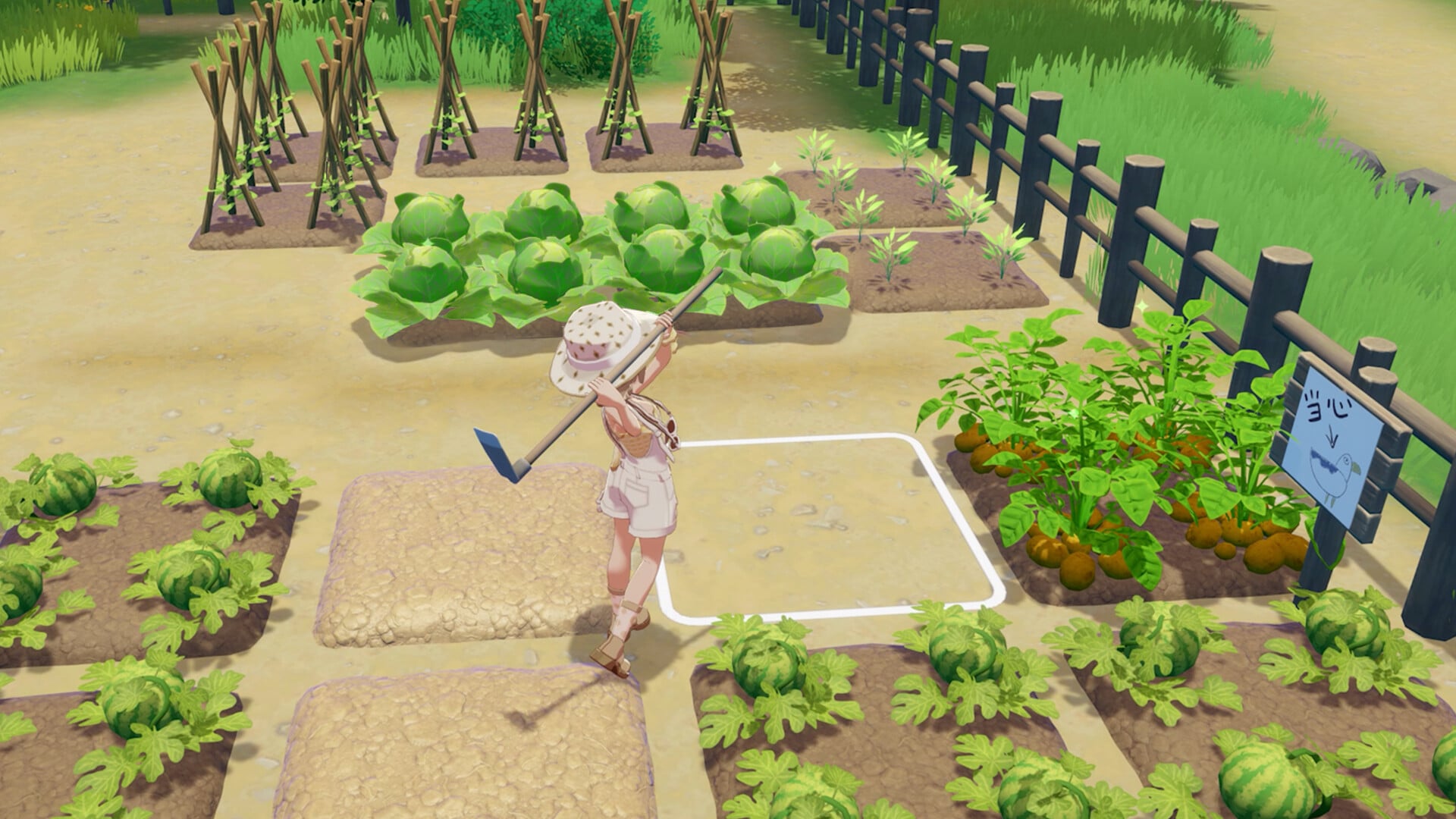
To grow Eldergrain, you must prepare your farmland by tilling soil using the appropriate farming tool. The soil must be cleared of debris and properly hoed before planting. After planting the seeds, consistent watering is required to ensure proper growth. Growth time follows the standard crop cycle system in the game, meaning it advances daily as long as hydration requirements are met.
Unlike specialty crops that require greenhouse structures or advanced fertilizers, Eldergrain grows under normal farm conditions, making it accessible even in early to mid-game progression. This makes it a dependable crop when you are stabilizing your farm economy.
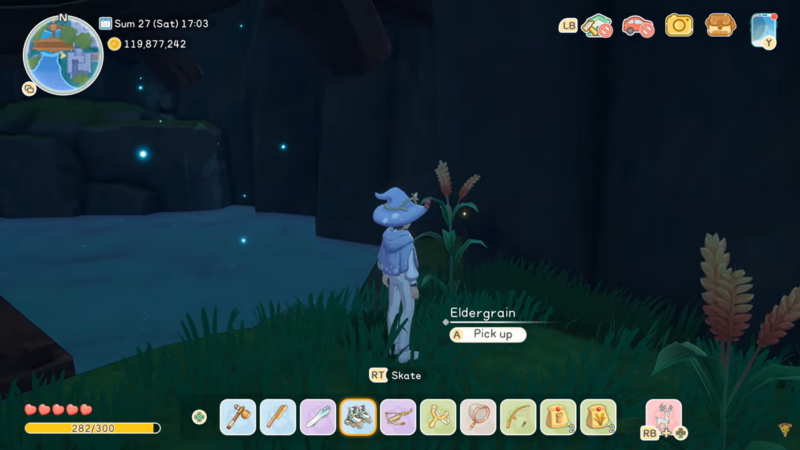
Environmental conditions such as seasonal compatibility may influence growth availability. If Eldergrain is seasonal, it will only grow during its assigned season unless you have unlocked protected farming structures. Always check the crop description in your seed inventory to confirm current seasonal viability.
Growth and farming details
| Farming Factor | Eldergrain Behavior |
|---|---|
| Soil Requirement | Standard tilled farmland |
| Watering | Required daily |
| Fertilizer | Optional but improves yield |
| Multi-Harvest | Typically single harvest crop |
| Regrowth | Requires replanting after harvest |
| Yield | Standard crop output per tile |
Eldergrain generally functions as a single-harvest crop, meaning once you collect it, the plant disappears and the soil must be tilled again for replanting. This makes crop rotation planning important if you want consistent output.
Using fertilizer can improve yield or quality depending on your current farming upgrade level. While not mandatory, fertilizer can slightly increase profitability if you are selling part of your harvest.
Uses of Eldergrain explained
The primary value of Eldergrain lies in two areas: farming income and gifting.
Farming crop usage
As a farmable crop, Eldergrain contributes to your overall agricultural output. You can sell harvested Eldergrain for currency if you need quick funds. While it may not be the highest-profit crop per tile compared to late-game produce, it provides steady and reliable returns.
It is especially useful during mid-game stages when you are balancing relationship building with financial growth. Since it does not require advanced processing, you can directly ship or store it without additional crafting steps.

Gift item for villagers
One of the most important uses of Eldergrain is as a gift item for specific NPCs, including Francis. Giving preferred gifts increases friendship levels faster than neutral items.
| NPC | Gift Preference | Benefit |
|---|---|---|
| Francis | Likes Eldergrain | Friendship increase |
| Other Villagers | Varies | May provide neutral response |
When you give Eldergrain to a villager who likes it, you gain relationship points. Increasing friendship levels can unlock new dialogue, story progression elements, special rewards, or trade benefits depending on the character.
Building relationships is a core progression system in Starsand Island, so having a reliable liked gift simplifies your weekly gifting routine.
Quest and interaction context
Eldergrain may occasionally appear in side quests or dialogue-based tasks tied to farming themes. While it is not a core quest-exclusive item, it can appear in request boards or NPC errands. These requests usually involve delivering harvested crops rather than processed goods.
Importantly, Eldergrain does not feed into advanced crafting machines, upgrade stations, or bag expansion systems. If you are looking to expand storage or unlock mechanical tools, you will need different materials entirely.
Efficient ways to use Eldergrain on your farm
To maximize its value, you should align Eldergrain production with your weekly gifting cycle. Grow enough to maintain a steady supply for NPC gifting while selling surplus for income. Since it requires replanting after harvest, planning staggered planting days helps maintain consistent stock.
If Francis is a priority relationship for you, keeping a dedicated small plot of Eldergrain ensures you never miss gifting opportunities. Because it does not compete with machine recipes, storing some in a chest carries no opportunity cost.
Rotating Eldergrain with higher-profit crops also prevents overreliance on a single harvest cycle, helping balance relationship progress and financial efficiency.
Reward potential from gifting and quests
| Activity | Reward Type | Impact |
|---|---|---|
| Gifting to Francis | Friendship Points | Unlock dialogue, progression |
| Completing Crop Requests | Currency | Moderate financial gain |
| General Selling | Gold | Standard profit |
While Eldergrain does not unlock exclusive gear directly, relationship milestones can indirectly unlock valuable progression paths, making it strategically worthwhile.
How to build friendship efficiently using Eldergrain
- Grow a steady batch of Eldergrain each cycle so you always have surplus beyond what you plan to sell.
- Track NPC schedules and gifting limits to ensure you give Eldergrain on optimal days.
- Combine Eldergrain gifts with other liked items to accelerate relationship progress.
- Monitor friendship level thresholds and adjust farming focus once key unlocks are achieved.
By integrating Eldergrain into your social progression strategy, you transform a simple crop into a long-term advancement tool.

Why Eldergrain matters more than it seems
Eldergrain is a straightforward, reliable farming crop that shines through consistency rather than complexity. It helps you maintain steady income and build key friendships, particularly with villagers like Francis. While it does not contribute to crafting machines or inventory upgrades, it remains an essential part of early and mid-game farm strategy.
At first glance, Eldergrain may appear basic compared to flashy rare crops or machine-based materials. However, in a farming simulator like Starsand Island, steady relationship growth and reliable income are foundational systems. Eldergrain supports both without demanding complex processing chains.
If you are focusing on balanced gameplay rather than rushing late-game mechanics, Eldergrain fits naturally into your farm layout.
If you plan your planting cycles well, you will always have enough Eldergrain to strengthen relationships while maintaining solid farm productivity.