- What to know
- Quick prerequisites and recommended setup
- How to build the Packed Origocrust line (Originium chain)
- How to build the Cryston Fiber line (Sandleaf + Amethyst chain)
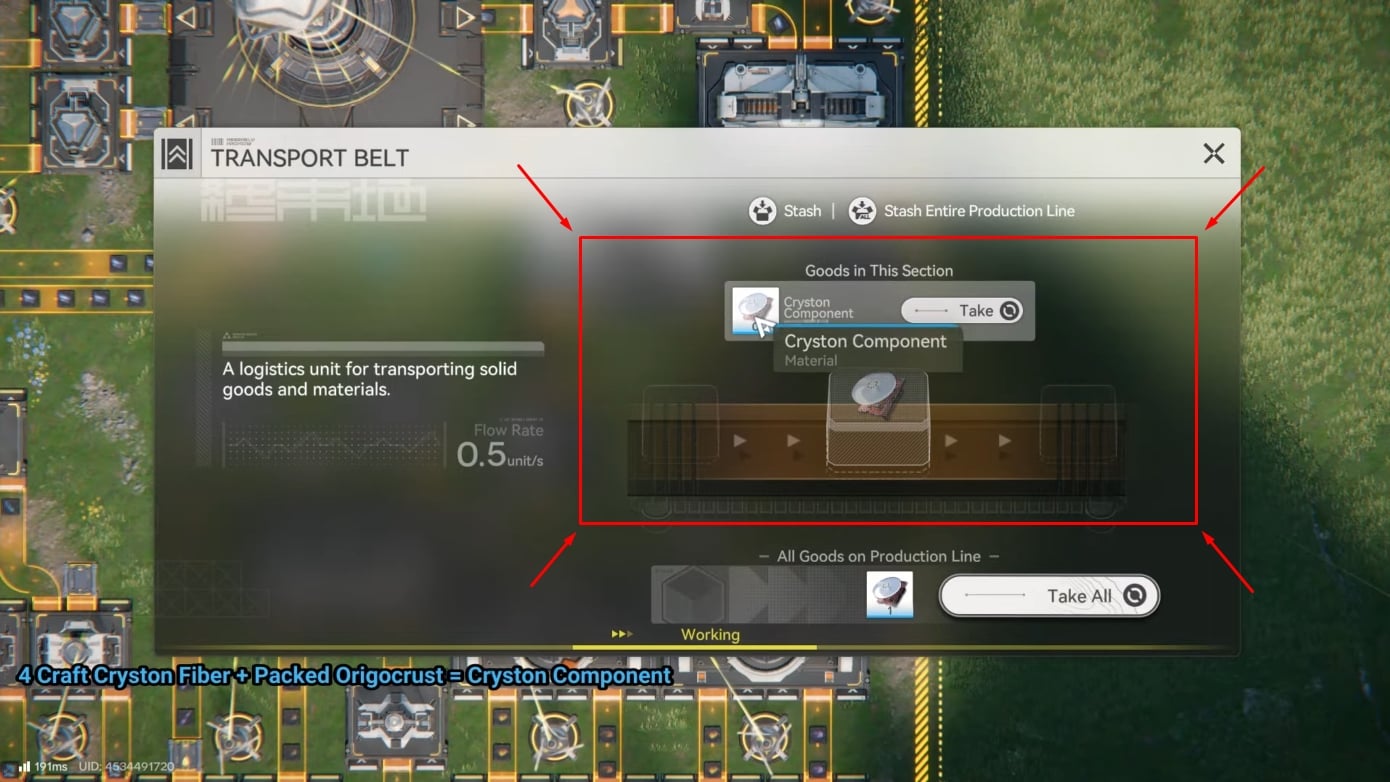
- How to craft Cryston Component (final assembly in Gearing Unit)
- Practical “rewards” of automating Cryston Component
- Keeping Cryston Components flowing consistently
What to know
- Cryston Component is crafted in a Gearing Unit using Cryston Fiber + Packed Origocrust.
- Cryston Fiber is made by processing Sandleaf and Amethyst into powders, then refining into fiber.
- Packed Origocrust is made by processing Originium materials through powder and dense-powder stages, then refining into the packed form.
- A smooth setup usually needs Shredding, Grinding, Refining, and Gearing-related unlocks in the Basic AIC Factory Plan.
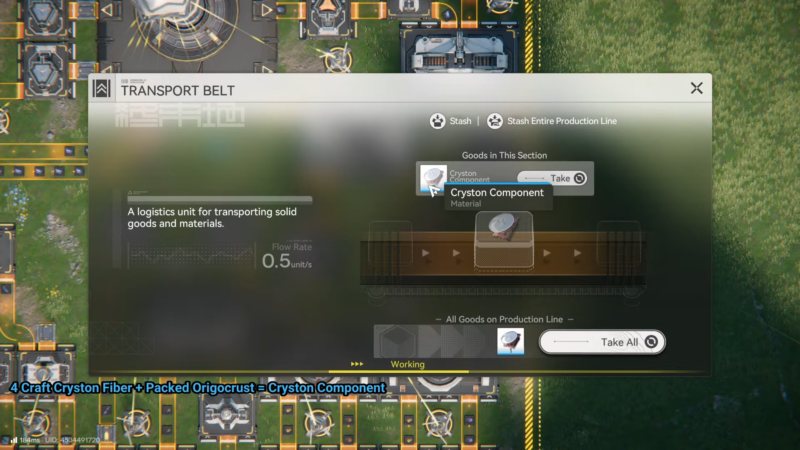
In Arknights: Endfield, once the inputs are automated, Cryston Component becomes a “merge-and-produce” material. The most reliable approach is to treat Cryston Fiber and Packed Origocrust like two separate mini-factories that only meet at the final Gearing Unit.
Quick prerequisites and recommended setup
Before building the full chain, it helps to verify the production line can support continuous crafting rather than short bursts.
| Category | Recommended minimum | Why it matters |
|---|---|---|
| Tech progress | Shredding + Grinding + Refining + Gearing unlocks | These cover nearly every step from raw materials to final assembly |
| Layout | Two separate lines (Fiber line, Origocrust line) | Prevents one chain from blocking the other |
| Storage buffers | Small buffer storage before the Gearing Unit | Reduces stop-start behavior when inputs fluctuate |
| Power margin | Extra power capacity | Processing chains tend to spike usage as more units run simultaneously |
How to unlock what is needed in the Basic AIC plan
The recipes can appear “simple,” but the game expects multiple facility unlocks first.
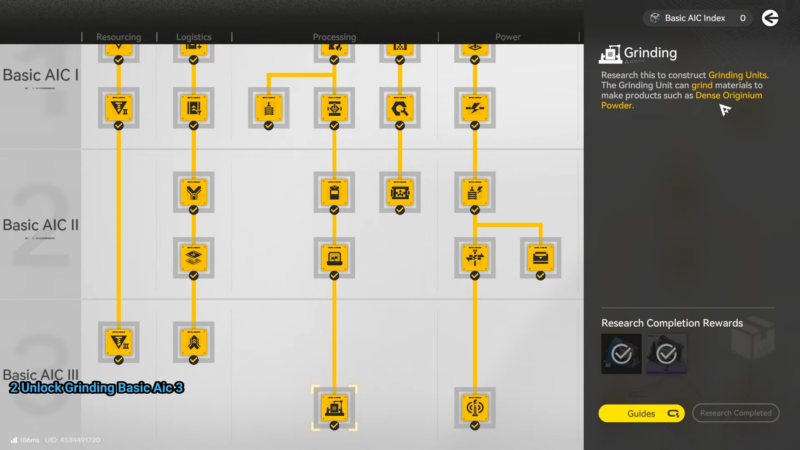
- Unlock Grinding to access Grinding Units for powder-based intermediates.
- Unlock Refine to access Refining Units for upgrading intermediates into advanced outputs.
- Unlock Gearing Tech to access the Gearing Unit for final assembly.
- Unlock Planting (if farming Sandleaf or similar plant inputs is preferred over field collection) to access the Planting Unit and Seed-Picking Unit.
How to build the Packed Origocrust line (Originium chain)
Packed Origocrust is typically the more “industrial” of the two inputs, and it benefits from a straight, uncluttered belt route.
Step 1
Secure a steady input of Originium Ore (or the required Originium raw input for the chain) and route it into a Shredding Unit to create Originium Powder.
Step 2
Continue processing through the required dense-powder stages, keeping each conversion step supplied and preventing backups (a backed-up belt here will halt the entire chain).
Step 3
Use a Refining Unit to convert the dense powder into Packed Origocrust, then send it into a small buffer storage near the final assembly area.
Step 4
If demand is high, duplicate the slowest stage first (often a single processing unit that stays busy constantly), rather than expanding every stage at once.
How to build the Cryston Fiber line (Sandleaf + Amethyst chain)
Cryston Fiber production tends to fail when one powder is produced faster than the other, leaving the grinder idle.
Step 1
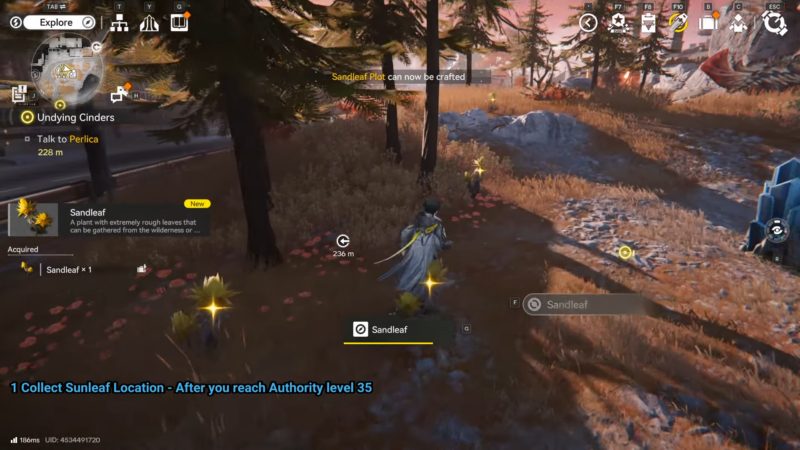
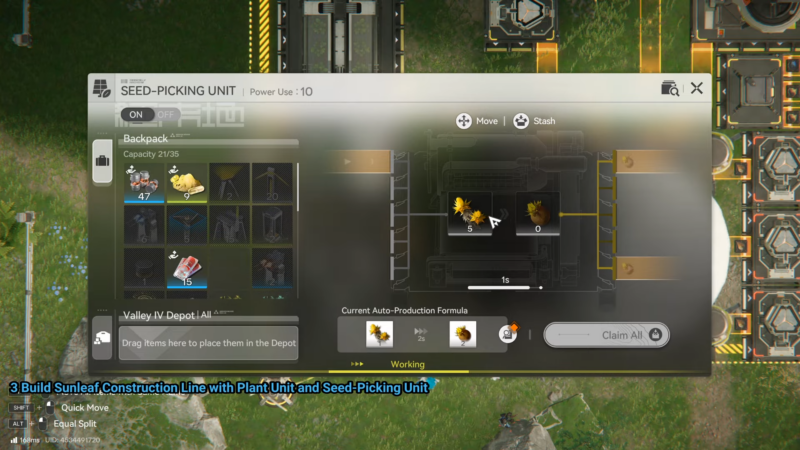
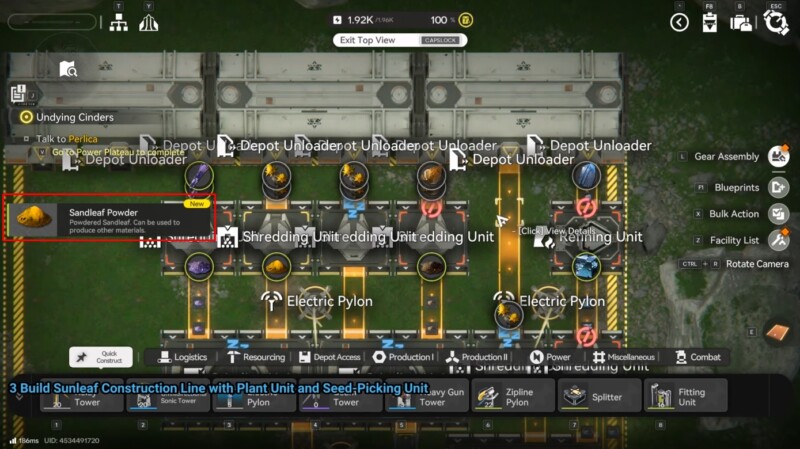
Produce Sandleaf Powder by routing Sandleaf into a Shredding Unit. If Sandleaf supply is inconsistent, switch to farming: set up a Planting Unit with a Seed-Picking Unit and route the harvest directly to shredding.
Step 2
Produce Amethyst Powder in parallel using its own upstream source and conversion step(s), then route it toward the grinder on a dedicated belt.
Step 3
Feed Sandleaf Powder and Amethyst Powder into a Grinding Unit to produce Cryston Powder. If the Grinding Unit pauses, one of the two powders is short—trace the short input backward to find the bottleneck.
Step 4
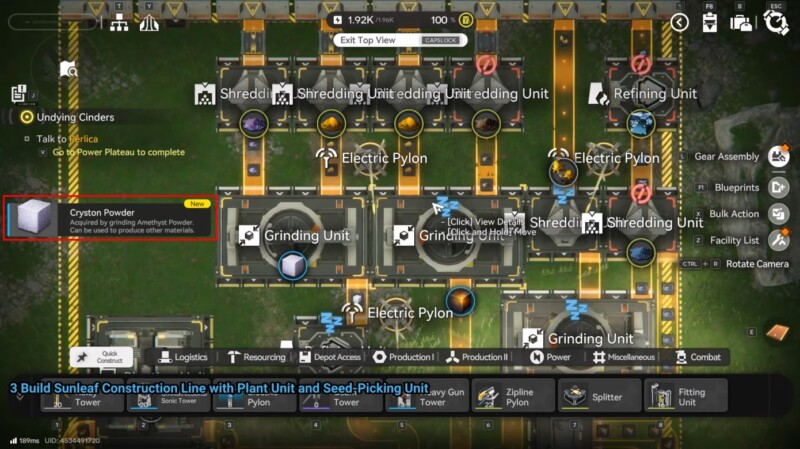
Send Cryston Powder into a Refining Unit to produce Cryston Fiber, then place a small buffer storage near the Gearing Unit so short interruptions don’t stop final assembly.
How to craft Cryston Component (final assembly in Gearing Unit)
This is the easiest step mechanically, but it’s where every upstream mistake becomes visible.
Step 1
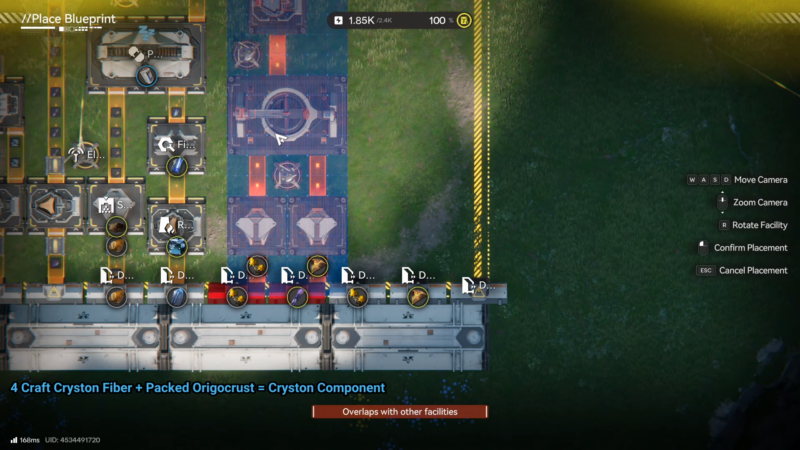
Place the Gearing Unit in a “clean” area with room to expand, ideally between the two buffer storages (one for Cryston Fiber, one for Packed Origocrust).
Step 2
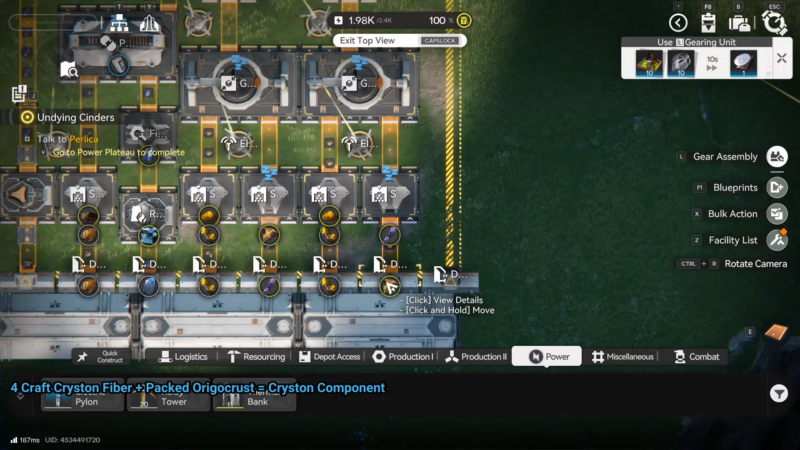
Route Cryston Fiber and Packed Origocrust into the Gearing Unit on separate inputs. Avoid merging them onto a shared belt prior to the unit, as it makes diagnosing shortages harder.
Step 3
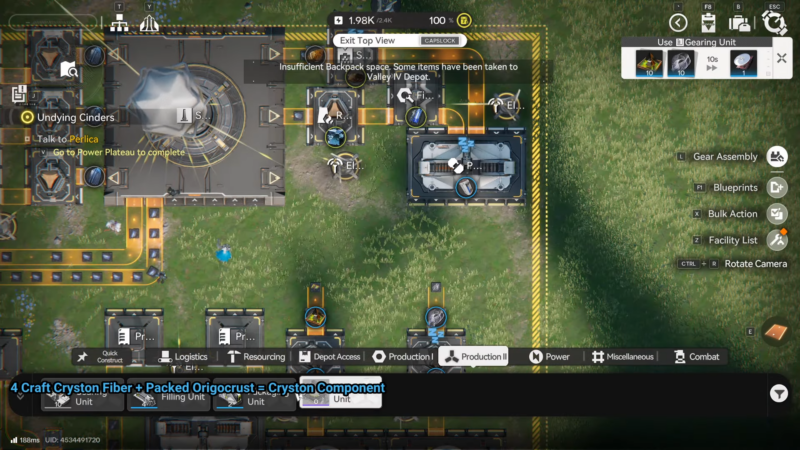
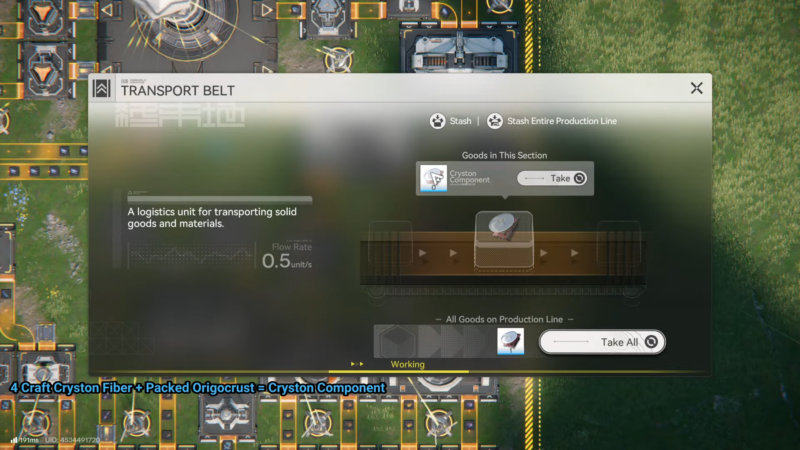
Route the output Cryston Components into storage first, then onward to whichever recipe needs them. This prevents downstream demand spikes from destabilizing the line.
Step 4
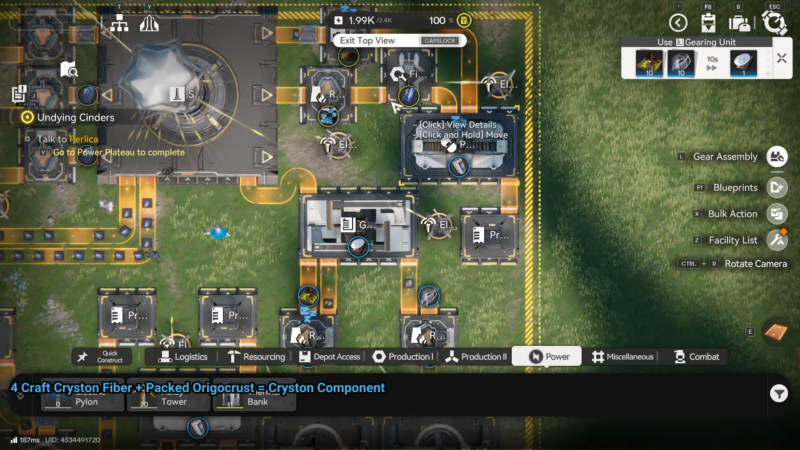
Scale production by duplicating the Gearing Unit only after both input buffers remain healthy over time; if buffers drain, scale upstream first.
Common bottlenecks and fixes
Most issues are not “wrong recipes” but throughput and balance problems.
| Symptom | Likely cause | Fix |
|---|---|---|
| Gearing Unit frequently idle | One input is short | Check which buffer is empty; increase that upstream chain’s throughput |
| Grinding Unit pauses often | One powder input is missing | Balance Sandleaf Powder vs Amethyst Powder production; add another shredder/refiner where needed |
| Refining Unit output is slow | Refining is the bottleneck | Add a second Refining Unit for the constrained output |
| Belts jam / items stop moving | No buffer or wrong routing | Add storage buffers and split lines so each chain has its own route |
| Power dips cause repeated stops | Power generation too low | Add power capacity and avoid running at the limit |
Practical “rewards” of automating Cryston Component
While Cryston Component itself is “just a material,” the real payoff is the factory stability gained from building two robust advanced-material lines.
| Reward angle | What improves in practice |
|---|---|
| Faster crafting for dependent recipes | Components stockpile instead of being crafted on-demand |
| Less manual gathering | Farming and automated processing replace repeated runs |
| Easier scaling later | The same design pattern works for other multi-input components |
Keeping Cryston Components flowing consistently
A dependable Cryston Component setup comes down to two stable input lines—Cryston Fiber and Packed Origocrust—feeding a single Gearing Unit with buffers on both sides. Once the Grinding, Refining, Shredding, and Gearing unlocks are in place, most progress comes from balancing throughput and preventing belt jams rather than changing the recipe.