- What to know
- How the automatic iron ingot farm works in Pokopia
- Habitat design required to spawn Glimmet
- Preventing Pokémon from escaping the automation area
- How the litter skill creates passive resource farms
- Turning vine ropes into a high-profit resource
- Additional Pokémon used for automated resource production
- Why happiness and comfort dramatically increase resource output
- Building a scalable automation network in Pokopia
What to know
- Automatic iron farms rely on Glimmet and Glimmora producing iron ore, which is then processed automatically into ingots.
- The system works through Gather and Processing skills linked with a community box and furnace.
- The Litter skill generates passive resources that appear on the ground for automatic collection.
- Increasing Pokémon happiness and comfort boosts resource output significantly.
In Pokémon Pokopia, automation is one of the most powerful ways to scale your base and generate resources without constant manual farming. By combining Pokémon skills, efficient habitats, and smart workstation placement, you can create a system that produces iron ingots and other valuable materials automatically. Once set up correctly, the farm continuously generates ore, processes it into ingots, and stores the finished items while you focus on building, exploring, or expanding your island.
Quick overview of the automatic iron farm system
| System Element | Role in the Farm | Pokémon Involved | Output |
|---|---|---|---|
| Ore Production | Generates raw iron ore | Glimmet / Glimmora | Iron Ore |
| Gathering | Moves items to storage | Pokémon with Gather skill | Collected resources |
| Storage Hub | Central item routing | Community Box | Resource transfer |
| Processing | Converts ore into ingots | Pokémon with Processing skill | Iron Ingots |
| Furnace | Crafting station | Automated workstation | Refined metal |
| Passive Resource Generation | Drops materials periodically | Pokémon with Litter skill | Vines, clay, ore |
How the automatic iron ingot farm works in Pokopia
The automated iron farm functions through a chain of tasks performed by different Pokémon roles. Glimmet and Glimmora serve as the resource producers, periodically dropping iron ore around their habitat. These raw materials do not require manual harvesting if the automation system is configured properly.

Once ore appears on the ground, a Pokémon with the Gather skill automatically collects the dropped items and transports them to a community box. The community box acts as a central storage node where other Pokémon can access the materials for further tasks.
The next step is processing. A Pokémon with the Processing skill retrieves iron ore from the community box and delivers it to a furnace. Inside the furnace, the ore is converted into iron ingots automatically. These finished ingots are then returned to storage, completing the automation loop.
When the system runs continuously, you effectively have a self-sustaining iron production line that requires very little player interaction after the initial setup.
Habitat design required to spawn Glimmet
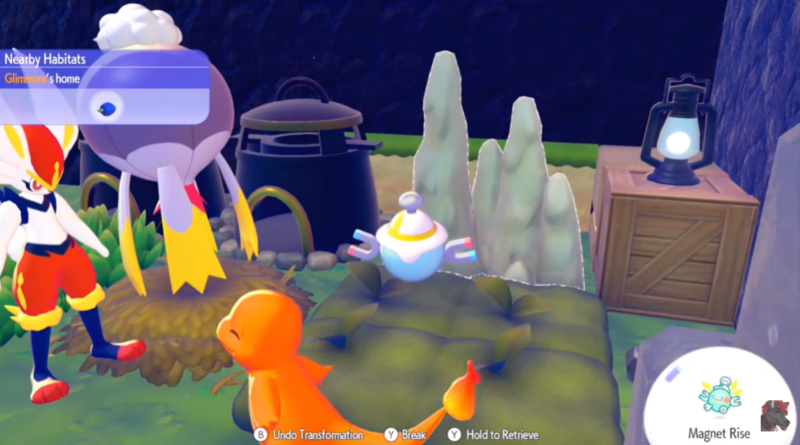
To run the farm, you first need access to the Pokémon that generate iron ore. Glimmet is the primary Pokémon used for automated iron farming, and it requires a specific habitat setup to spawn and remain active.
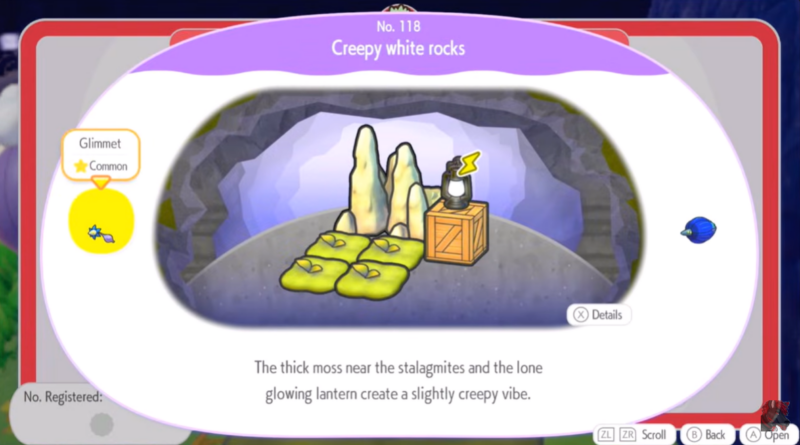
The habitat must include environmental features that match Glimmet’s natural preferences. The necessary components include stalagmites to simulate a cave-like structure, moss to provide the proper terrain atmosphere, a wooden crate as an interactable object, and a powered lantern that keeps the environment functional.
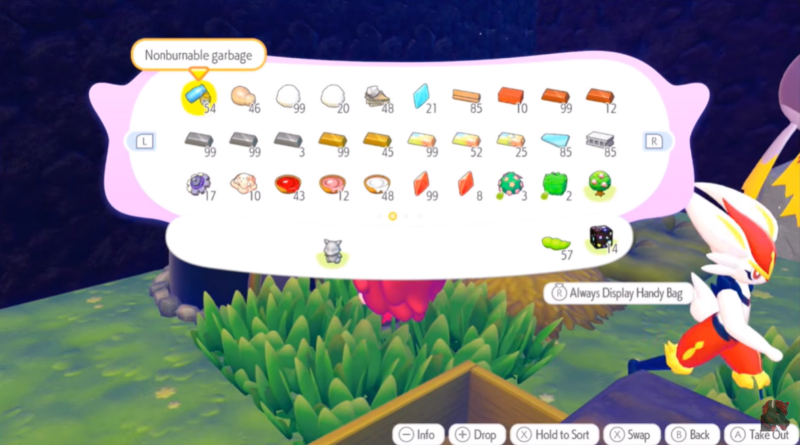
This configuration effectively creates a mineral-rich environment that encourages Glimmet to appear and remain in the habitat. Once the Pokémon is present, it will begin producing iron ore as part of its natural behavior.
Preventing Pokémon from escaping the automation area
Automation only works when Pokémon remain inside their designated work zones. Flying Pokémon or those with wide movement patterns can leave the habitat area, which disrupts the farming system.
To prevent this issue, the habitat must be enclosed carefully. Walls, fences, or natural terrain barriers can be used to contain the Pokémon. Another effective technique involves placing stairs or ramps that guide the Pokémon’s movement toward workstations such as community boxes and furnaces.
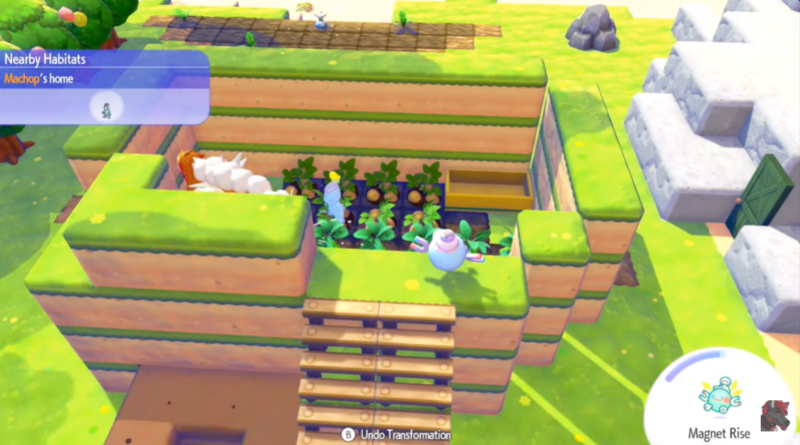
These pathing adjustments help ensure that resource-producing Pokémon stay near the automation chain, allowing the gather and processing systems to function without interruption.
How the litter skill creates passive resource farms
Beyond iron production, another powerful automation mechanic in Pokopia comes from the litter skill. Pokémon with this ability periodically drop items on the ground without requiring interaction from the player.
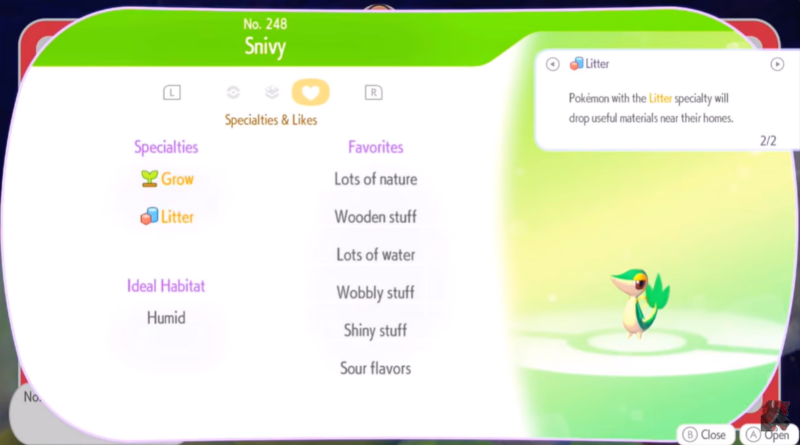
These items can include useful crafting materials, building components, and valuable resources. When the litter skill is combined with a Pokémon that has the Gather skill, the system becomes fully automated. The dropped items are immediately collected and transported into storage, creating a passive farming loop.
Because the litter mechanic operates on a timer rather than an action trigger, it effectively acts as a background resource generator for your base.
Turning vine ropes into a high-profit resource
Among the many items produced through litter farming, vine ropes are particularly valuable. Pokémon such as Bellsprout can generate vines, which can then be crafted into vine ropes. These ropes can be used in several recipes, but one of the most profitable uses is crafting Vine Wall Decorations.
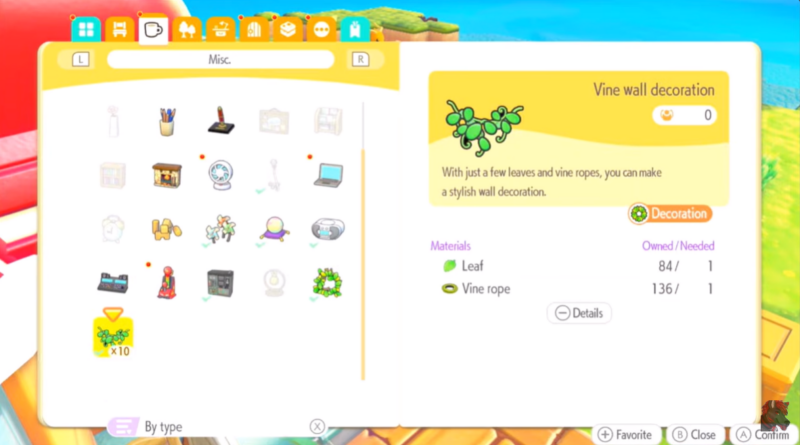
When converted into decorations, vine ropes become a highly efficient method of generating in-game currency. The production loop becomes even more effective when multiple litter Pokémon are placed in the same automated collection network.
As long as gatherers are actively collecting materials and depositing them into storage, the system continuously supplies crafting resources.
Additional Pokémon used for automated resource production
The automation network in Pokopia can extend beyond iron farming by adding other Pokémon that produce different materials. This creates a multi-resource farm that operates simultaneously.
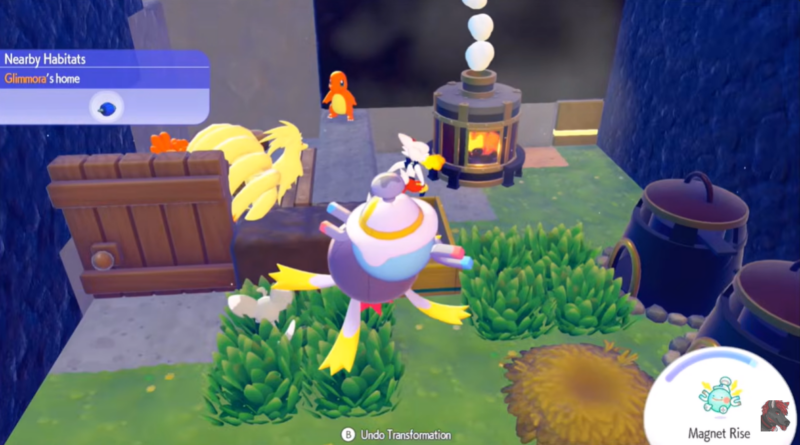
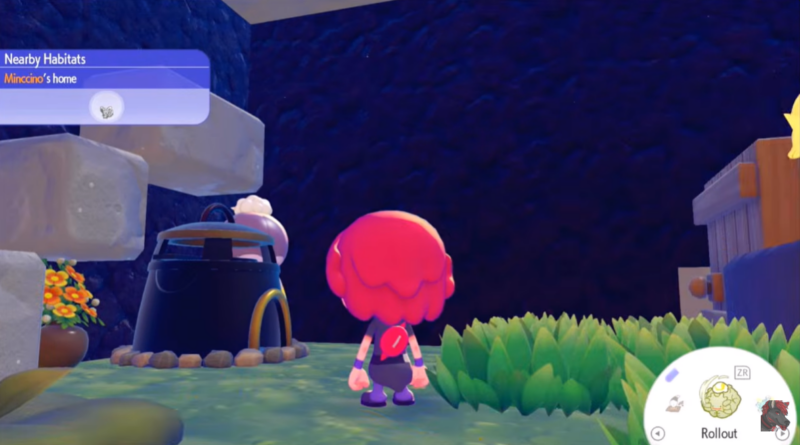
Glimmet focuses on iron production, while Grimer can assist with processing tasks in certain setups. Bellsprout produces vines that feed decoration crafting systems, and Trapinch contributes clay resources that are useful for building materials.
By placing these Pokémon in separate but connected habitats, you can create a fully automated resource ecosystem where multiple materials are generated and processed at the same time.
Why happiness and comfort dramatically increase resource output
Automation efficiency depends heavily on Pokémon happiness levels. In Pokopia, Pokémon that are comfortable in their habitats generate more resources and perform their assigned tasks more frequently.
Comfort levels can be increased through environmental improvements such as decorative objects, appropriate terrain features, and habitat-specific structures. These additions make Pokémon feel more at home, which boosts productivity.
Because of this mechanic, improving Pokémon happiness is one of the most effective ways to scale automated farms. A well-designed habitat does not just look better—it directly increases resource generation.
Building a scalable automation network in Pokopia
Once the basic iron farm is operational, the next step is scaling the automation network across your base. Expanding the system usually involves adding more resource-producing Pokémon, additional gatherers, and multiple processing stations.
With enough gather Pokémon, resources from different habitats can all flow into the same community box system. From there, processors can distribute items to the correct crafting stations automatically.
Over time, the result is a large-scale automated production facility capable of generating iron, vines, clay, and other crafting materials without manual farming.