Explore Silksong’s sprawling world map, from Bellhart to Brightdusk. Every known region, shortcut, and secret so far—discover what makes this sequel’s geography richer and more ambitious.
What to know
- Silksong’s full Map (as uploaded by a Redditor) reveals 20+ distinct regions across Pharloom, many larger and more vertical than Hallownest.
- Bellways serve as Silksong’s fast travel, replacing Stagways from Hollow Knight.
- Environmental variety is wider—lush forests, arid wastes, towering halls, and flooded biomes.
- Secrets, benches, bosses, and NPC hubs are already marked in detailed fan-maps.
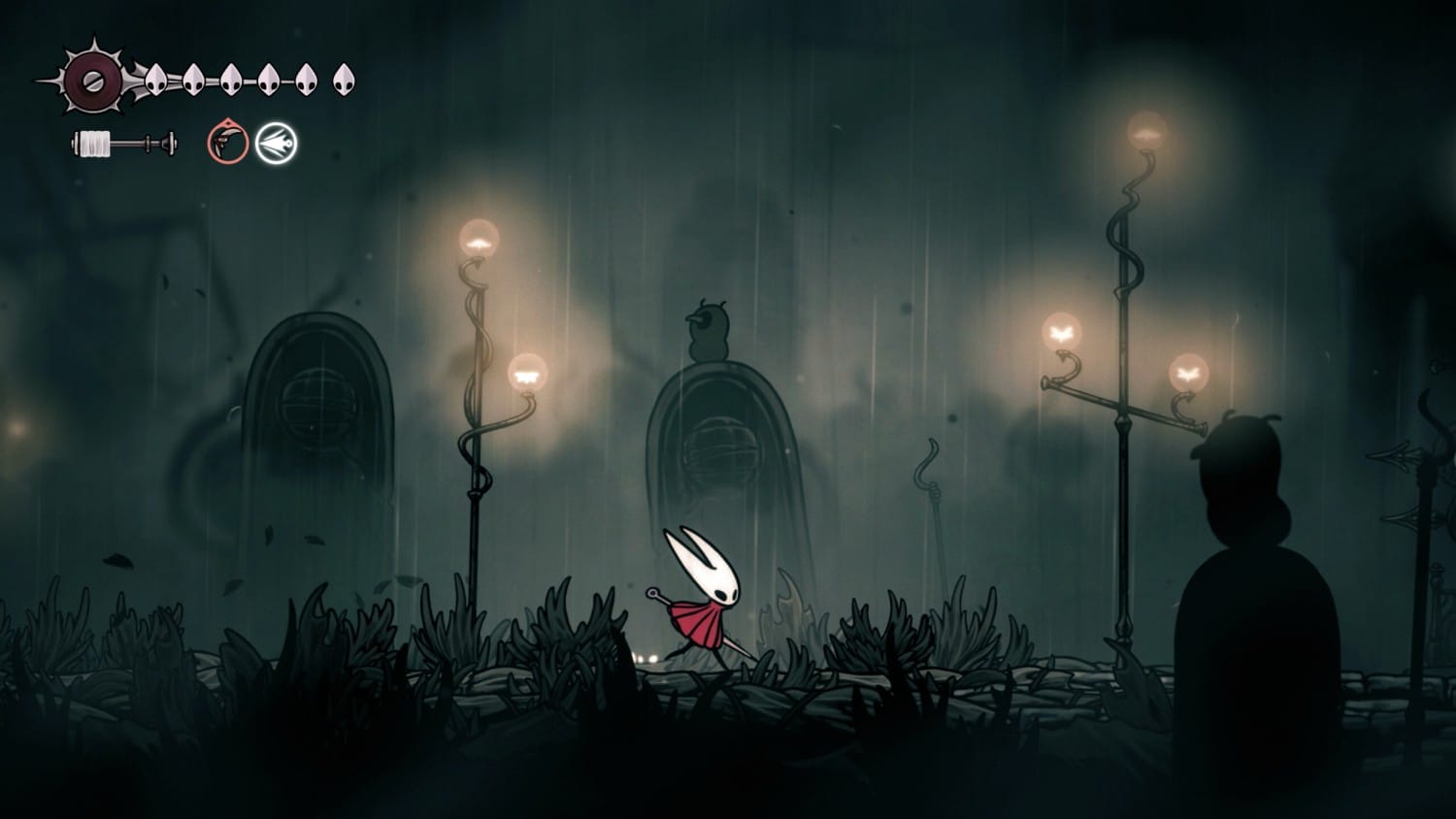
Maps in Hollow Knight weren’t just navigation tools—they were storytelling devices. Silksong doubles down on this design, making Pharloom’s map feel grander, stranger, and more alive. Exploring these zones isn’t just about progress; it’s about atmosphere, lore, and finding the hidden characters that make this sequel thrive.
Regions and highlights across Pharloom
Even as players slowly discover the full extent of Silksong’s map, a Redditor has uploaded the (seemingly) full map. Zoom in for spoilers.

Here’s a breakdown of the named regions currently visible on the complete Silksong map:
| Region | Environment style | Notable details |
|---|---|---|
| Brightdusk & Mount Fay | Windy mountain cliffs | Entry zone with exposure to vertical traversal |
| Coral Tower | Coral-lined spires | Oceanic theme, possible late-game entry |
| Sands of Karak & Blasted Sites | Arid wastes | Harsh traversal, reminiscent of Crystal Peak in challenge |
| Stillwood & Weaveways | Twisting woods | Dense platforming and hidden NPC hubs |
| Bonebottom & Moss Grotto | Overgrown caverns | Early-game exploration, benches, healing items |
| The Marrow | Underground hub | Central connections to other regions |
| Bellhart | Bell Beast encounter | Unlocks Bellway fast travel after battle |
| Hunter’s March | Arena-like, orange-tinted | Likely hunter NPCs or boss gauntlets |
| Choral Chambers | Musical ruins | Lore-heavy zone with sound-based puzzles |
| Whiteward & Underworks | Fortress interiors | Tight corridors, mechanical enemies |
| High Halls & The Cradle | Regal towers | Vertical progression, possible late-game story zones |
| Memorium & Putrefied Ducts | Sewers/labs | Mix of mechanical and organic decay |
| Verdantia & Crawlake | Vast wetlands | Expansive navigation challenges |
| Far Fields & Pilgrim’s Rest | Outermost edge | Pilgrim NPCs and rest points |
| Deep Docks | Flooded port | Industrial biome with water traversal |
| The Abyss | Lowest depth | Dark endgame zone, echoes of Hallownest’s Abyss |
New travel system: Bellways
Where Hollow Knight had Stagways, Silksong introduces Bellways—fast travel points unlocked through the Bell Beast encounter in Bellhart. Once active, these bell icons let Hornet travel across Pharloom’s far-flung regions, turning exploration into a smoother experience.
Regional maps sold by song-singing Shakra: Get ’em all!
Cartographer Shakra first appears in The Marrow—the second game area—selling maps in sections, just like in Hollow Knight’s world—but now with stylish flair. Each region’s map is purchased individually, so full awareness of Pharloom builds gradually. Equipping the Quill tool fills in areas, while the Compass reveals Hornet’s position on those maps.
Scale compared to Hollow Knight
The Pharloom map dwarfs Hallownest in several ways:
- More verticality: Long ascents like Mount Fay and The Cradle contrast sharply with Hallownest’s flatter layout.
- Increased biome variety: Instead of the insect-hive focus, Pharloom includes coral towers, flooded docks, desert wastes, and high towers.
- More connection hubs: Regions like The Marrow and Whiteward act as junctions, suggesting greater non-linear exploration.
The full Silksong map feels less like a sequel copy and more like a reinvention. Every zone has a strong thematic identity, more benches and shortcuts improve quality of life, and secrets—like petting the Bell Beast in Bellhart—add warmth alongside danger. The geography alone sets the stage for a bigger, bolder, and more character-driven adventure.
Pharloom awaits
The map of Pharloom already tells a story—one of vastness, danger, and surprise. Whether climbing Mount Fay, ringing the Bellways, or delving into The Abyss, Hornet’s journey feels set to eclipse Hallownest in both size and spirit.