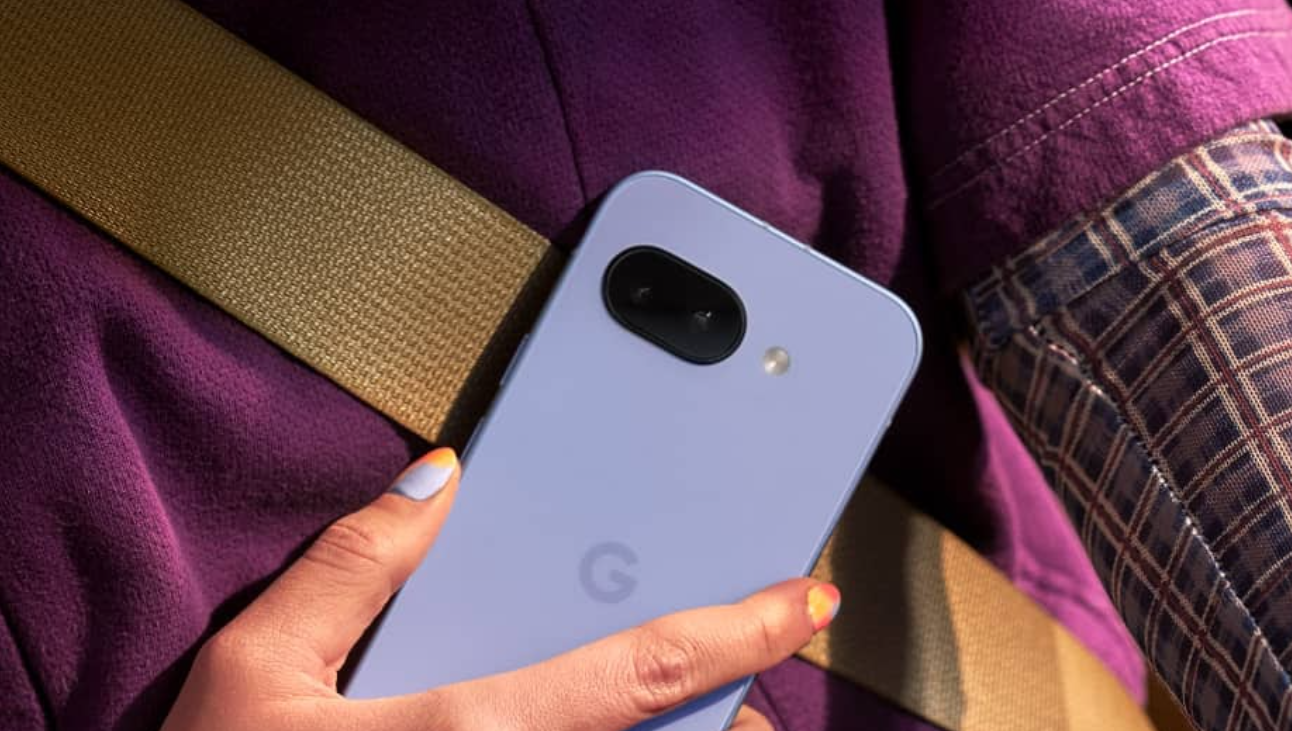
The Google Pixel 9a is now available in mainland Europe, featuring a 6.3-inch OLED display, IP68 water resistance, and an upgraded 48MP main camera.
What to know
- The Google Pixel 9a is now officially available in mainland Europe.
- It features a 6.3-inch OLED display, IP68 water and dust resistance, and a new 48MP main camera.
- The device runs on Android 15 and uses the Google Tensor G4 chipset.
- The Pixel 9a brings design and durability improvements over its predecessor.
The Google Pixel 9a has launched in mainland Europe, expanding its availability to a wider audience. This new model brings several notable upgrades over the previous generation. You get a 6.3-inch OLED display, which is slightly larger than the Pixel 8a’s 6.1-inch screen. The display is also brighter, reaching a peak brightness of 2,700 nits, and supports a 60-120Hz adaptive refresh rate for smoother scrolling and better responsiveness.
Durability has improved as well. The Pixel 9a now carries an IP68 rating for water and dust resistance, which is an upgrade from the Pixel 8a’s IP67 rating. This means the device can withstand more challenging environments and accidental spills.

In terms of design, the Pixel 9a adopts flat edges and rounded corners, aligning with the current Pixel 9 lineup. The camera housing has also been redesigned, offering a more subtle look compared to previous models.
The camera system sees a significant change. The main sensor is now a 48MP unit with a wider f/1.7 aperture, replacing the 64MP sensor from the Pixel 8a. This new sensor is designed to capture sharper and more detailed photos, especially in low-light conditions. The main camera is paired with a 13MP ultrawide lens, providing more flexibility for photography.
Under the hood, the Pixel 9a runs on Android 15 and is powered by the Google Tensor G4 chipset. This ensures a smooth user experience and access to the latest software features.
The Pixel 9a is now available for purchase in mainland Europe, following its earlier release in other regions. With its combination of upgraded hardware, improved durability, and refined design, the Pixel 9a aims to appeal to users seeking a reliable and capable Android smartphone.