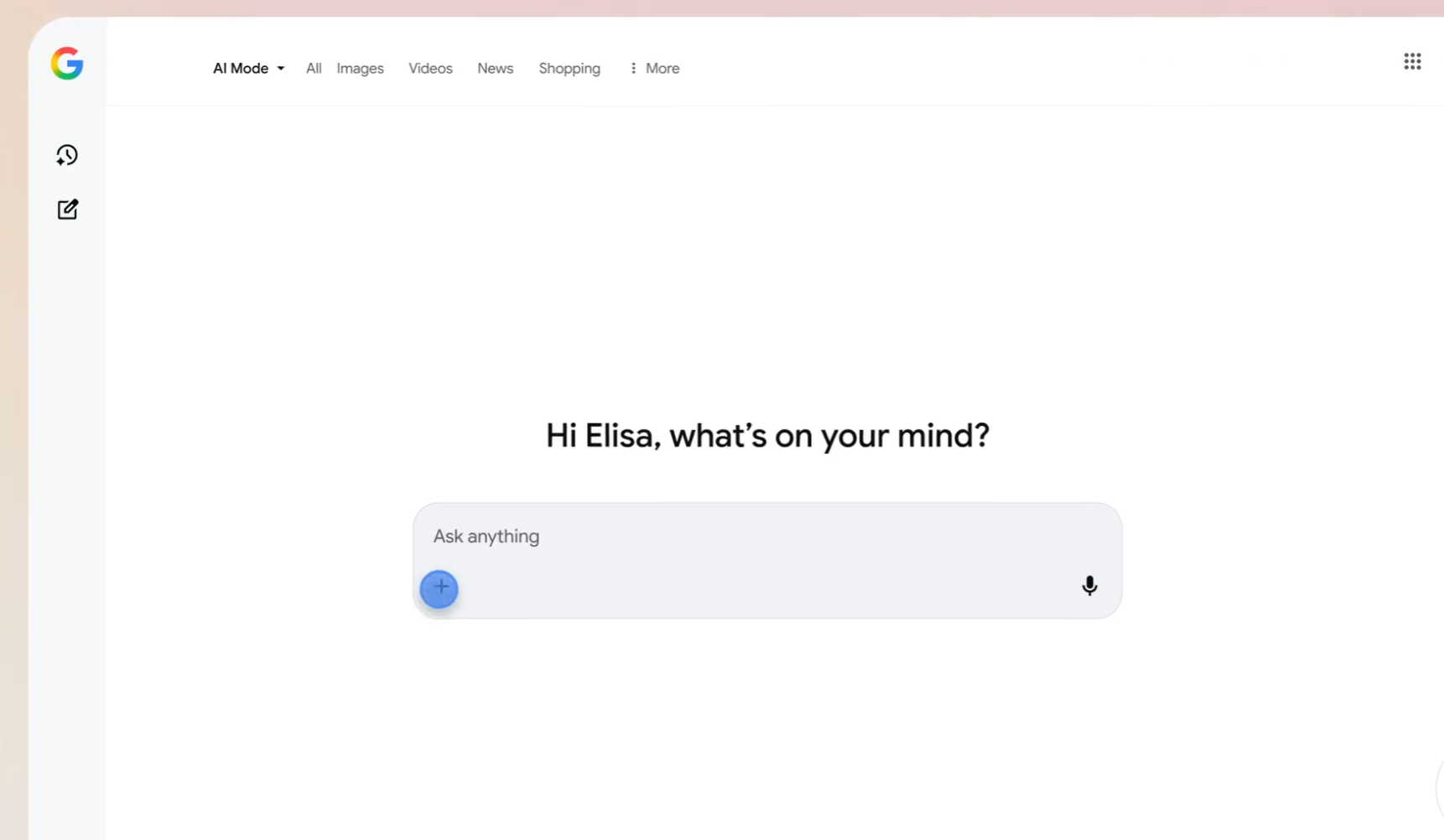
Google faces a formal EU antitrust complaint over its AI Overviews feature, raising concerns about competition and the impact on European digital markets.
What to know
- Google is facing a formal antitrust complaint in the European Union over its AI Overviews feature.
- The complaint alleges that AI Overviews could harm competition and limit opportunities for other digital services in Europe.
- Regulators are scrutinizing how Google integrates AI-generated answers into search results.
- This case could have significant implications for how AI is used in search engines across the EU.
Google is once again under the spotlight in Europe, this time for its AI Overviews feature, according to Reuters. The tech giant is facing a formal antitrust complaint from European regulators, who are concerned that the way Google integrates AI-generated answers into its search results could stifle competition and limit opportunities for other digital services.
The complaint centers on Google’s AI Overviews, a feature that uses artificial intelligence to generate concise answers to search queries, often appearing at the very top of the results page. Critics argue that this placement gives Google’s own content an unfair advantage, potentially reducing traffic to competing websites and services that rely on search visibility to reach users.
European regulators are taking these concerns seriously. They are investigating whether Google’s approach violates EU competition rules, which are designed to ensure a level playing field in digital markets. The complaint suggests that by prioritizing its own AI-generated content, Google could be undermining the diversity and competitiveness of the European internet ecosystem.
This case is particularly significant because it touches on the broader issue of how artificial intelligence is being integrated into core internet services. As AI becomes more central to how information is delivered online, regulators are keen to ensure that dominant platforms like Google do not use their position to crowd out rivals or control the flow of information in ways that could harm consumers and businesses alike.
The outcome of this antitrust complaint could have far-reaching implications, not just for Google, but for the future of AI in search engines and digital services across the EU. For now, all eyes are on the European Commission as it weighs the evidence and considers what steps to take next in this high-stakes regulatory battle.
Via: techcrunch.com