What to know
- Hurricane caches currently drop rare blueprints, high-tier meds, and multiple weapons at roughly double normal cache value.
- They spawn only during the Hurricane map condition, a permanent rotating event.
- You can detect them via a unique audio cue within ~20 meters and optimize routes using wind direction.
- Community chatter suggests a balance pass could be imminent if loot rates remain this high.
You are seeing a sharp spike in farming efficiency if you play during the Hurricane map condition in ARC Raiders. Over the past 48 hours, players have focused on a specific set of storm-exclusive caches that appear to be overtuned. The volume and quality of items per container significantly exceed standard cache drops, reshaping short-session economy routes and PvE pacing.
During Hurricane rotations, caches share the same spawn points as regular containers but roll from a distinct loot table. What stands out immediately is the frequency of event-specific blueprints. Players are consistently pulling rare weapon and gear blueprints such as Vulcano, Bobcat, and Tempest, alongside medical schematics like Vita Spray. Explosive blueprints also appear at a noticeably elevated rate. In practical terms, this means you can accelerate long-term progression simply by prioritizing storm runs over normal weather deployments.
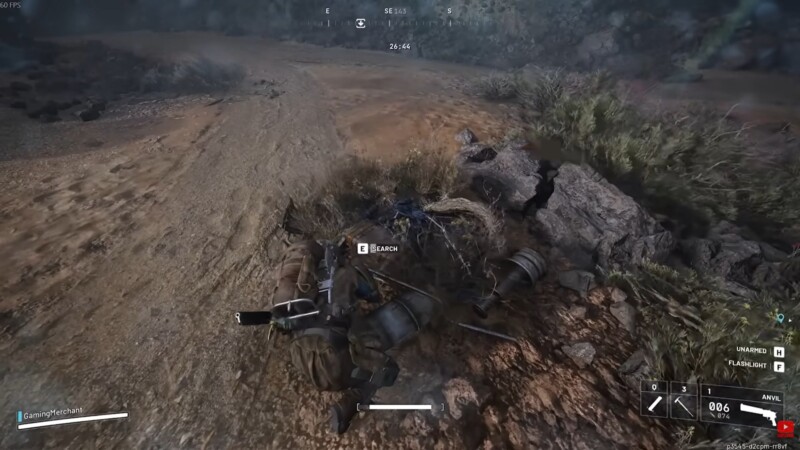
The medical supply yield is equally aggressive. You frequently recover high-tier meds in bulk, often enough to sustain multiple engagements without crafting between raids. Weapon drops range from level one through level four, with blue-tier guns appearing often enough to flatten early progression curves. When you factor in the steady flow of grenades and mod components, the economic value per cache feels close to twice that of standard containers. The result is a loop where a short Hurricane run can outperform multiple standard expeditions.
The reason this matters is simple. In an extraction shooter economy, progression pacing hinges on controlled scarcity. When a single rotating condition dramatically increases blueprint density and top-end consumables, it compresses crafting timelines and reduces risk tension. You feel stronger faster. Your stash grows more quickly. That usually invites a tuning adjustment.
Finding these caches is straightforward once you understand the rules. They spawn only when the Hurricane condition is active, which currently rotates as a permanent event modifier rather than a limited-time weekend mode. You do not need a special contract. You simply queue into the storm map and follow standard cache spawn routes.
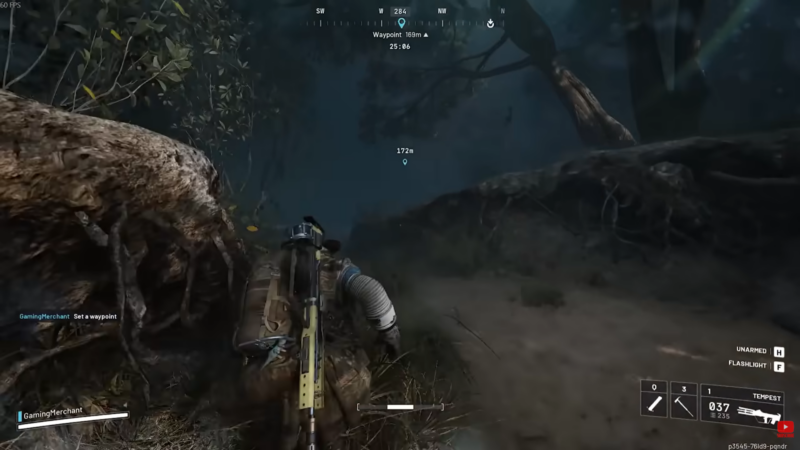
Detection is easier than many players realize. When you move within roughly twenty meters of a Hurricane cache, a distinct audio cue plays over the storm ambience. In low-visibility conditions, this sound becomes your primary locator tool. Instead of relying purely on line of sight, you sweep areas methodically and listen for the signal through the wind.
Movement strategy inside the storm also affects farming speed. Wind direction directly influences traversal efficiency. When you run with the wind at your back, you gain noticeable ground speed compared to moving against it. If you plan routes that follow wind vectors across known cache spawn clusters, you cover more territory per minute and increase your odds of hitting multiple containers before extraction. In practice, efficient wind routing is the difference between two caches and five in a single deployment.
Combat preparation during Hurricane runs differs slightly from standard raids. ARC density remains dangerous, but the storm environment changes engagement pacing. Many experienced players favor pairing a Renegade with an Anvil for reliable ARC clearing and burst control. Bringing stems and standard bandages is usually sufficient given the abundance of med drops from caches themselves. Shields are often deprioritized because storm conditions and movement patterns reduce prolonged standoffs. A hatch key remains essential for quick exits once your inventory fills.

Matchmaking dynamics also influence how efficiently you farm. In more competitive PvE lobbies, cache routes become contested quickly. Some players report subtly increasing their aggression rating through limited engagements to influence matchmaking into less contested lobbies. The goal is not extended PvP but enough interaction to alter lobby composition. While not officially documented as a farming mechanic, the approach is circulating widely among experienced raiders looking to maximize uncontested storm routes.
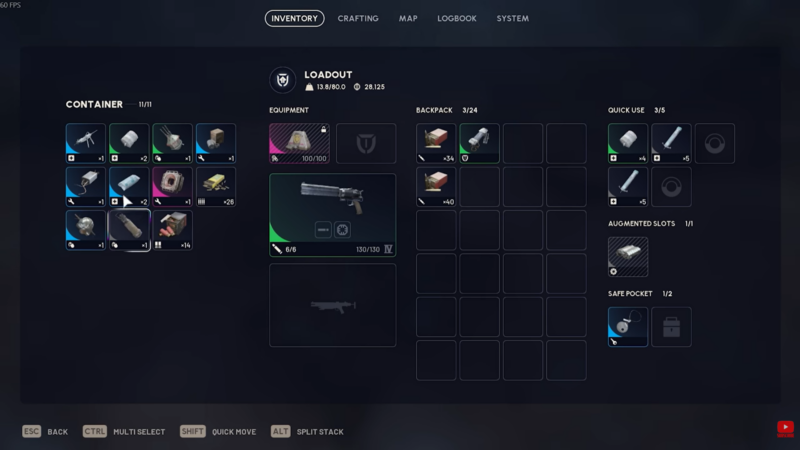
The broader question now is balance. When you compare normal cache yields to Hurricane cache returns, the delta is large enough to distort progression metrics. If blueprint acquisition and high-tier medical stockpiles rise too quickly across the player base, you can expect a tuning pass. Developers typically adjust drop frequency or reduce item stack sizes rather than removing a feature outright. A reduction in blueprint probability or a normalization of item count per container would bring Hurricane runs closer to baseline without eliminating the storm’s unique identity.
For now, the window remains open. If you prioritize Hurricane rotations, optimize wind-assisted routes, and rely on audio detection cues, you can dramatically accelerate your stash growth. Whether this is an intended seasonal reward curve or an oversight awaiting a nerf depends on how long current drop rates persist. If you plan to capitalize, you should do so while the loot table remains this generous.