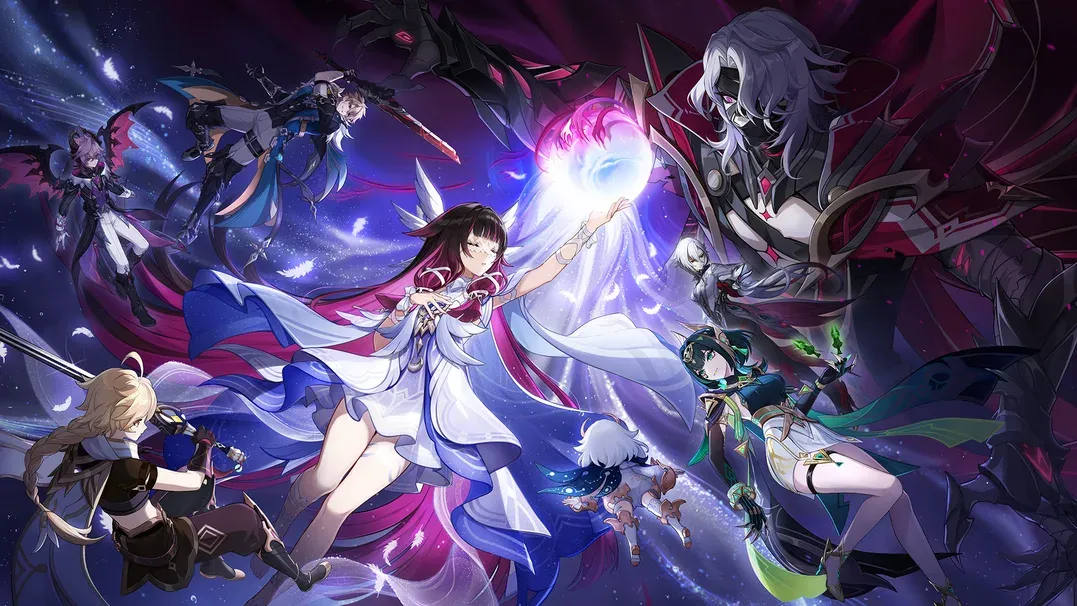
A new UGC mode in Genshin Impact, Miliastra Wonderland lets players build, share, and experience custom mini-worlds—and it launches alongside Version Luna II on October 22, 2025.
Genshin Impact is about to evolve into more than an action RPG—with Miliastra Wonderland, HoYoverse is bringing a full user-generated content system into Teyvat. This mode empowers players to create custom stages, social hubs, and novel game modes, while contributing to a growing shared world. Below is a refined and up-to-date guide to everything known so far.
What is Miliastra Wonderland

Miliastra Wonderland is a sandbox UGC (user-generated content) mode integrated into Genshin Impact. Players can design, publish, and explore custom stages—mini-games, social layouts, challenge maps—and invite others to play. While tied into Genshin’s universe in lore terms, it operates as a parallel creative platform.
Miliastra Wonderland debuts with Version Luna II, launching October 22, 2025.
How to access Miliastra Wonderland & basics
- The mode becomes available once you finish Genshin’s prologue Acts; from that point, it can be accessed via the Paimon menu or a UI shortcut.
- In lore, Miliastra Wonderland is said to be the work of “Octavia,” a figure connected to the Witch or mystical forces.
- When first entering, players create a Manekin/Manekina, a customizable avatar specifically for the Wonderland mode.
- Everything from facial features, hairstyles, outfits, accessories can be customized.
- Importantly, your Manekin is not just confined to Wonderland—the same avatar can appear in the main Teyvat world, letting you show off your custom look.
How creation, sharing, and gameplay work
Stage creation via Miliastra Sandbox
Creators use a tool called Miliastra Sandbox, which is designed to be approachable—no need for deep coding knowledge. Instead, it relies on modular logic chains and building blocks to assemble game mechanics.
HoYoverse offers a library of assets drawn from the core game, which creators can freely use in their designs. Over time, more assets will be added.

Creators can define custom logic, triggers, scoring systems, and even UI/leaderboards for their stages.
Discovering & playing others’ stages
Once stages are published:
- A Lobby area acts as a hub where Manekins meet, chat, browse, and join stages.
- “Popular Wonderlands” highlights trending stages; “All Wonderlands” gives full access to browse public creations.
- Game types may include social mini-games, party modes, PvP or co-op challenges, puzzle/obstacle stages, and more, depending on creator imagination.
Monetization, economy & rewards
Miliastra Wonderland comes with its own economy, distinct from Genshin’s main systems.
Here’s what’s known:
| Feature | Description |
|---|---|
| Battle Pass (Miliastra Pass) | A dual-tier battle pass (free + premium) offers outfits, catalog blueprints, and rewards tied to Wonderland activity. |
| Odes (cosmetic banners) | Periodic outfit banners called “Odes,” including 4★ and 5★ thematic cosmetics (e.g. Candlelit Revelry). |
| Outfit crafting or store | Some outfits will be craftable using components or available via an in-game store. |
| Gifting cosmetics | Players will be able to gift outfits to friends once certain conditions are met. |
| Creator earnings | A monetization system for creators is planned in future versions (e.g. Luna IV) based on stage popularity / usage. |

What to expect at launch vs later updates
At launch (Luna II), key features include stage creation, exploration, customization, and the foundational economy.
More advanced systems are expected across future updates:
- A component sharing platform where creators can share modules, logic scripts, and building blocks.
- More assets and templates to accelerate stage design.
- The full rollout of creator monetization and revenue sharing.
Tips for creators & participants
- Start small: simple puzzles, obstacle courses, or social rooms help you get used to the tools.
- Think for the audience: games should be readable, replayable, and engaging, especially for casual drop-in visitors.
- Use community feedback: early testers can help you refine balance, pacing, and usability.
- Watch for template and module updates: these will accelerate your workflow.
- Stay within performance bounds: too much complexity may strain devices or cause lag.
Implications for Genshin Impact’s future

Miliastra Wonderland marks a shift for Genshin Impact—from a developer-driven live game to a hybrid experience where players help create the fabric of the game world. If successful:
- The volume of content may scale far beyond what HoYoverse alone can deliver.
- Talent in the community (creative, game-design, event ideas) gets spotlight.
- The game becomes more of a platform than a fixed narrative experience.
- However, maintaining quality, moderating content, and balancing monetization will be ongoing challenges.
Miliastra Wonderland arrives October 22, 2025 with Version Luna II, bringing a deeply customizable, player-driven creative space to Genshin Impact. It empowers players to design, share, and explore user-made stages with their own avatars and systems. Over time, creator rewards, shared modules, and richer game logic will expand its potential. With thoughtful community engagement and development, this UGC environment could reshape how content evolves in Genshin’s world.