- What to know
- All secrets, easter eggs, and glitches in Escape Tsunami for Brainrots
- Movement glitches that are no longer usable
- How the radioactive parkour duplication exploit works
- The immortal glitch using connection interruption
- The hidden wall crack and secret tunnel
- UFO graffiti, gravity badge, and environmental lore
- Galaxy Bat and RNG-based strength scaling
- Divine Brainrot duplication through spawn machines
- How mutation swapping creates massive multipliers
- Secrets and stability
What to know
- Several early movement glitches are fully patched, including boot and ladder jump boosts
- A few high-impact exploits still work, but require precise timing and risk disconnects
- Some “glitches” are actually intentional mechanics, especially around mutations and duplication
- Most secrets were documented in a community video, but behavior may change with updates
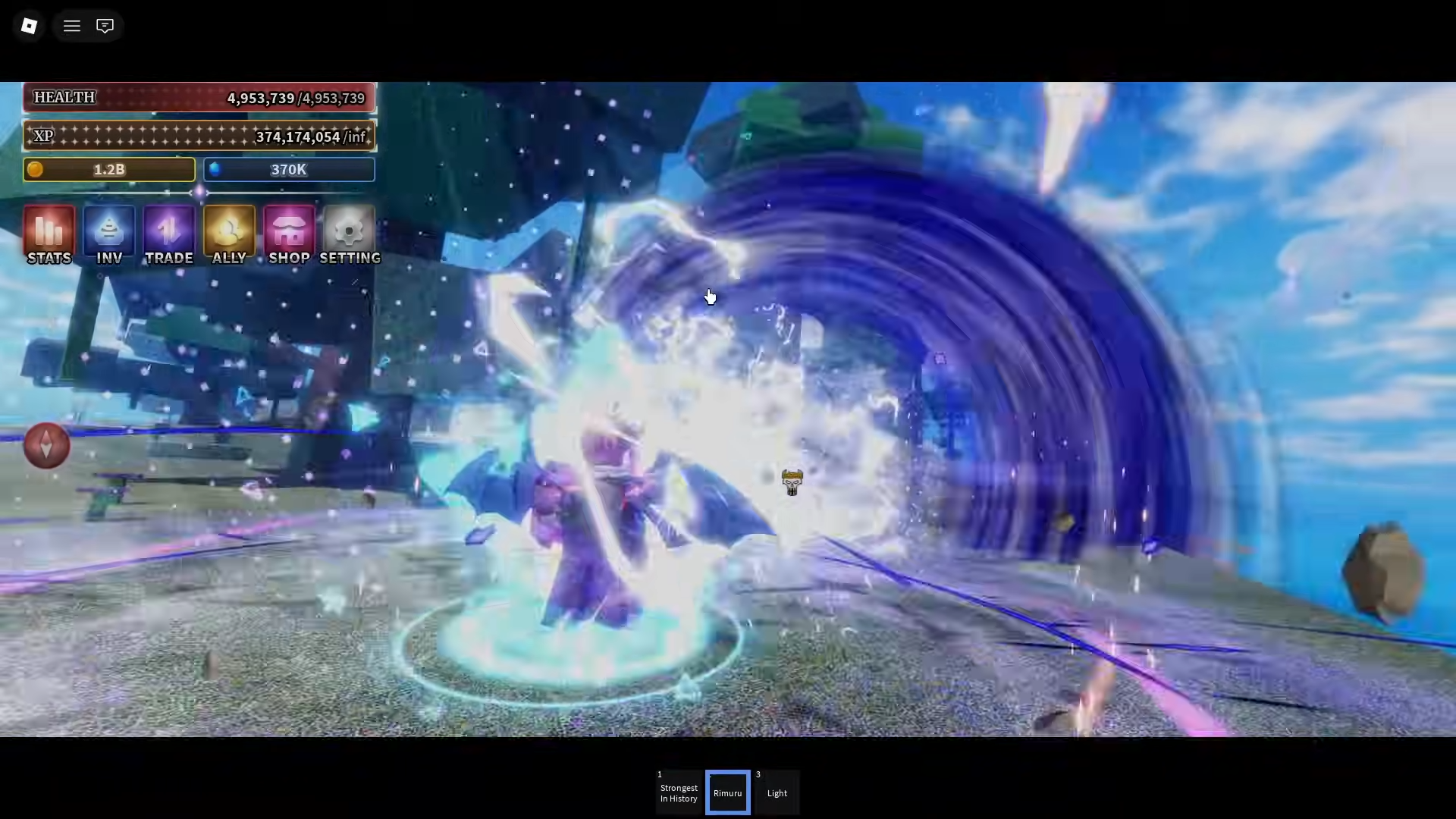
Escape Tsunami for Brainrots on Escape Tsunami for Brainrots has quietly become one of Roblox’s most exploit-heavy survival games. While it looks simple on the surface, its underlying systems—especially weather events, spawn machines, and mutations—leave room for both intentional secrets and accidental glitches. Many of the most notable discoveries were documented by YamashiP, whose video breaks down what still works, what’s been patched, and what’s risky but powerful.
This guide consolidates every confirmed secret, glitch, and Easter egg, explains how they function in practice, and clarifies which mechanics are safe gameplay features versus unintended exploits. All details reflect the game’s current behavior as observed in recent community testing.
All secrets, easter eggs, and glitches in Escape Tsunami for Brainrots
| Category | Status | Risk level | Main benefit |
|---|---|---|---|
| Boot jump boost | Patched | None | Previously high mobility |
| Ladder jump boost | Patched | None | Base traversal exploit |
| Radioactive parkour duplication | Active | Low | Infinite rewards |
| Immortal Wi-Fi glitch | Active | High | Temporary invulnerability |
| Secret wall tunnel | Semi-active | Medium | Hidden obby rewards |
| UFO graffiti & gravity badge | Active | None | Badge + lore |
| Galaxy Bat | Active | None | RNG-based weapon |
| Divine Brainrot duplication | Active (intended) | Low | Rare duplication |
| Mutation swapping | Active (intended) | None | Massive stat boosts |
Movement glitches that are no longer usable
Early versions of the game allowed players to chain movement boosts in unintended ways. These no longer function, but understanding them helps explain why certain objects now behave oddly.
The Boot Jump Boost was one of the first exploits discovered. Players could jump directly onto decorative boots in their base, using them as solid objects to gain abnormal vertical height. This allowed skipping entire obby sections. As of current builds, boots are fully non-collidable, meaning you pass straight through them. This glitch is completely patched and cannot be replicated.

The Ladder Jump Boost worked by sprinting into a ladder at a precise angle, triggering a physics launch upward. This was commonly used inside player bases for rapid elevation. Developers countered this by adding invisible collision barriers around ladders. Attempting the same input now results in a hard stop instead of a boost. No workaround has been found.
How the radioactive parkour duplication exploit works
During radioactive weather events, a special parkour course becomes available. Completing it rewards either radioactive lucky blocks or coins. Normally, this is intended as a one-time reward per event.

However, players discovered that leaving the server immediately after completing the parkour, then rejoining, resets the reward state. As long as the radioactive weather persists, you can repeat the parkour and claim rewards again.
This works because completion flags are server-based, not account-based. Rejoining assigns you to a fresh server instance where the game treats the parkour as uncompleted.

Important: This exploit is considered low risk, as it doesn’t manipulate files or external tools. Still, it may be patched without notice.
Radioactive duplication at a glance
| Requirement | Details |
|---|---|
| Weather | Radioactive only |
| Method | Complete parkour → leave → rejoin |
| Limit | Unlimited during event |
| Risk | Low |
The immortal glitch using connection interruption
One of the riskiest exploits involves temporarily disabling your internet connection mid-game. When done correctly, your character desyncs from the server while remaining locally active. During this window, tsunami waves fail to register damage, allowing you to walk through them unharmed.

The critical constraint is timing. You must restore your connection within roughly five seconds, or Roblox will kick you for connection loss. If done successfully, you regain sync while retaining the invulnerability effect for a short duration.
This glitch is extremely unstable. Latency, device performance, or delayed reconnection can result in lost progress or kicks. Use cautiously.
One of the most intriguing secrets is a cracked wall that reacts when clicked. Behind it lies a hidden tunnel leading to an obby. Entering this tunnel normally causes instant death, suggesting it was never meant to be accessed directly.

Players found that by triggering specific movement glitches or desync states, they could survive entry and reach the end of the tunnel. While rewards are minimal, the area confirms unused or future content exists beyond normal boundaries.

This tunnel remains partially accessible but is considered semi-patched, as most safe entry methods no longer work consistently.
UFO graffiti, gravity badge, and environmental lore
A newer addition is interactive UFO-themed graffiti found on a wall in the main area. Interacting with it triggers a short animation and unlocks a gravity-related badge.

This is not a glitch. It’s an intentional Easter egg tied to a limited-time UFO event and hints at future mechanics involving gravity changes or space-themed updates.
Galaxy Bat and RNG-based strength scaling
The Galaxy Bat is a rare weapon featured in the creator’s intro and obtainable only through the UFO spinning wheel. Each spin has a 1-in-20 chance to grant the bat.
What makes it unique is that its strength isn’t fixed. Instead, it rolls a random multiplier between 1.2x and 1.5x on acquisition. This makes some Galaxy Bats objectively stronger than others, despite identical appearances.

Divine Brainrot duplication through spawn machines
Unlike most exploits, Divine Brainrot duplication is a confirmed game mechanic. By placing a Divine Brainrot into the spawn machine alongside common brainrots at maximum level, there is a small chance the Divine one duplicates instead of being consumed.

The system includes a hidden “luck bar” that fills over time—roughly 45 minutes of continuous play. Once filled, the chance of duplication increases noticeably, though it is never guaranteed.

Brainrot duplication basics
| Factor | Effect |
|---|---|
| Brainrot level | Must be max |
| Rarity mix | Divine + common |
| Luck bar | Increases success rate |
| Outcome | Rare but intended |
How mutation swapping creates massive multipliers
Mutation swapping is one of the most powerful mechanics in the game. When multiple brainrots are placed into the spawn machine, the system extracts the best mutation and applies it to the highest rarity brainrot in the batch.
Some mutations are vastly stronger than others. Lucky and Hacker are the top-tier options, each providing a 10x multiplier. Through careful setup, you can effectively transfer these mutations onto Divine brainrots, creating extreme stat scaling.
This system is fully intended, not a glitch, and forms the backbone of late-game optimization.
Secrets and stability
Escape Tsunami for Brainrots walks a thin line between emergent mechanics and outright exploits. Some tricks, like mutation swapping and Divine duplication, are intentional depth systems. Others, like the Wi-Fi immortality glitch, rely on technical loopholes that could disappear at any time.
If you’re optimizing progression, focus on low-risk, intended systems first, and treat active glitches as temporary advantages rather than core strategies.