Discover the mysterious second protagonist who walks alongside Phoxhunter in the dual narrative of Duet Night Abyss.
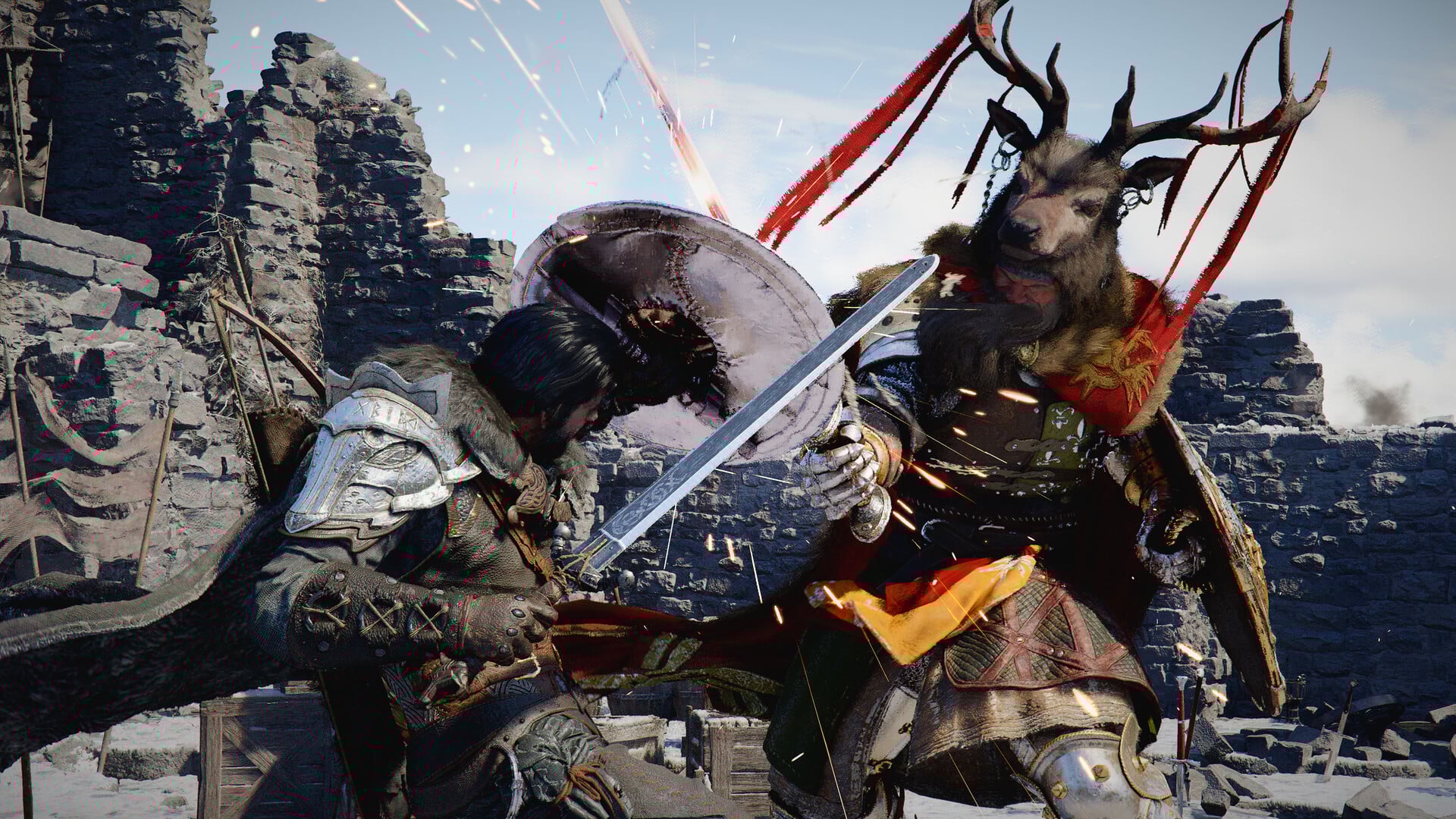
Duet Night Abyss builds its entire narrative around two distinct leads whose stories run in parallel before inevitably intersecting. While Phoxhunter anchors one half of this duet, the Boy/Girl in the Dream completes the harmony with a voice that challenges, complements, and ultimately collides with the first protagonist’s path. At the outset, the game asks you to select the gender for each protagonist independently. The campaign regularly shifts perspective between Phoxhunter and the Dream protagonist at set moments.
Who the Boy/Girl in the Dream represents
While Phoxhunter embodies the survivor living beyond the safety of city walls and driven by loss and vengeance, the Dream protagonist operates from an entirely different position. This character anchors the perspective of someone embedded within the institutions of power – specifically the Hyperborean Empire that Phoxhunter views as the enemy.

The second protagonist’s personality skews reflective and burdened by duty, grappling with internal conflict about their role within the system. Their motivation centers on reconciling ideals with harsh truths, serving as the insider questioning the machinery they’re part of. This creates a fundamental tension: where Phoxhunter represents the outsider looking in and skeptical of both faith and technology, the Dream protagonist sees the empire’s inner workings and must navigate the moral complexity of institutional authority.

The characterization deliberately mirrors and contrasts Phoxhunter’s journey. One begins at the margins with personal stakes, while the other starts at the center dealing with systemic pressures. The duality creates what the developers describe as a “duet” – two melodies beginning in harmony that slowly drift toward confrontation.
The mysterious connection between protagonists
Perhaps the most intriguing element of the second main character involves their connection to Phoxhunter. During key story moments, the protagonists refer to each other in ways that hint at a profound bond. One memorable line describes the connection as “my other half, my reflection and my echo”. This phrasing raises questions about whether the two protagonists represent different aspects of the same entity or share a connection that transcends their opposing positions in the conflict.
How gameplay handles the second protagonist
The first character selected becomes the protagonist for Chapter Noctoyager, while the other character takes the lead role in Chapter Twilight.

From a mechanical standpoint, both protagonists function identically in combat. They share the same basic move set, dialogue options, and weapon proficiencies, eliminating any gameplay advantage to choosing one over the other. Both use sword and assault rifle as their primary weapon types and fill a Support role with Lumino element affinity.
Phoxhunter is the only protagonist available as a playable character from the start, unlocked through completing the main story. The Dream protagonist’s playable status becomes relevant as the narrative progresses and the two storylines begin to merge.
How the Dream protagonist affects player choices
Duet Night Abyss incorporates a dialogue choice system where player selections actively shape NPCs’ impressions and affect character relationships. The game tracks stats including morality, wisdom, empathy, and chaos based on conversational decisions, unlocking new items in shops and determining success in skill checks later in the story.

Choices made as Phoxhunter reflect one set of values and circumstances, while decisions made as the Dream protagonist emerge from an entirely different context. A dialogue option that seems morally clear-cut from one perspective may carry different implications when viewed from the other side.
The narrative structure builds toward the moment when both protagonists’ paths finally cross.
Through their position within the Hyperborean Empire, their mysterious connection to Phoxhunter, and their role as the insider questioning the system, the second main character provides essential context and depth to the game’s exploration of conflict, perspective, and the cycles of suffering that trap individuals and societies alike.