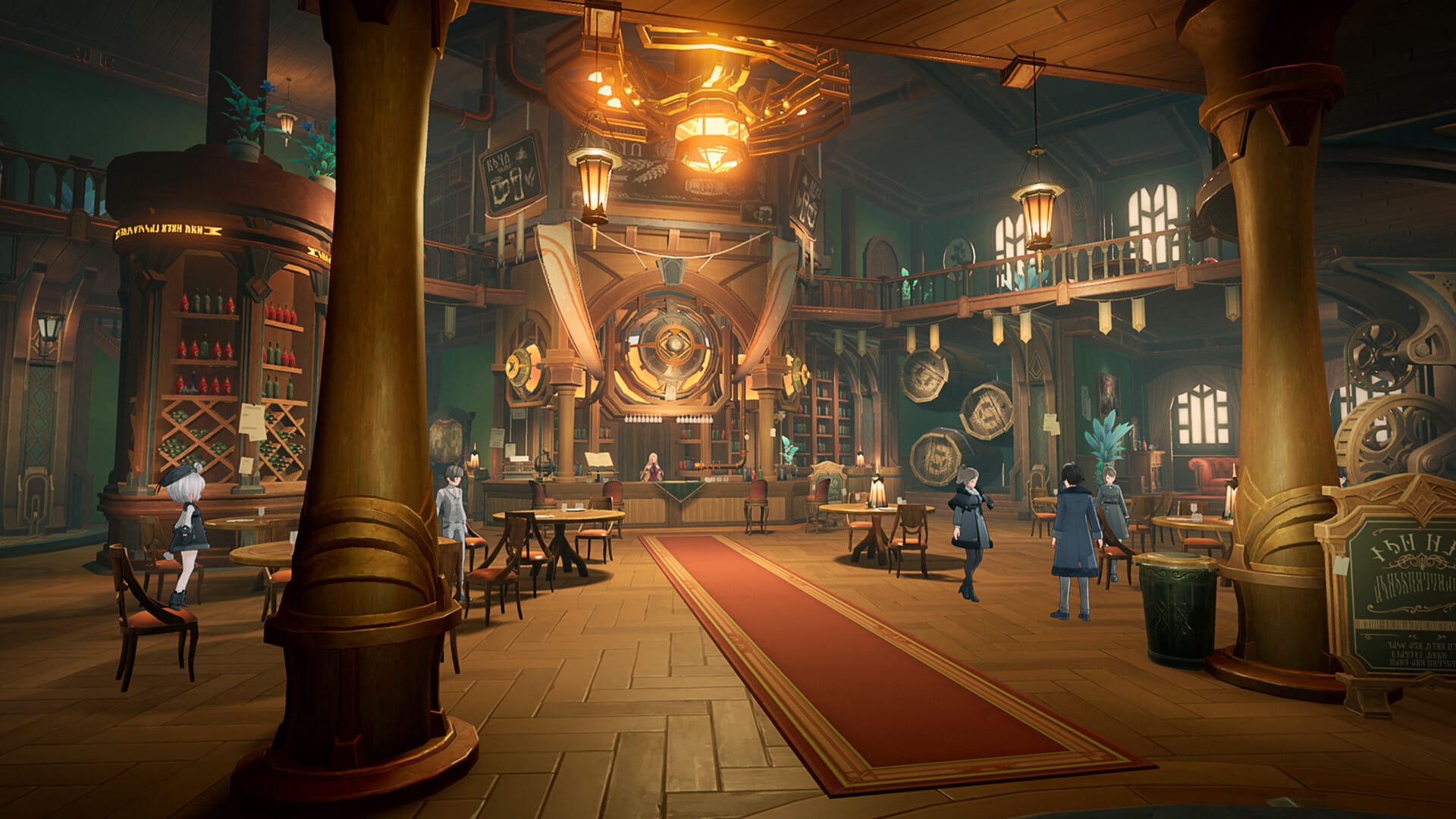
Duet Night Abyss does feature co-op, primarily focused on dungeon content, allowing players to team up with friends for missions and farming without stamina restrictions.
What to know
- Co-op is available for most dungeon content, enabling team play for clearing encounters and farming drops.
- The game supports at least two-player co-op, with party sizes of up to four players confirmed in beta tests.
- Story progression and world exploration remain primarily solo experiences, with co-op not fully integrated into the main campaign.
- Players can invite friends directly or use matchmaking to form parties, with a social hub, Icefire City, unlocking after Chapter 1.
Yes! – Duet Night Abyss incorporates co-op multiplayer. While the core campaign and story missions are designed for solo play, the co-op functionality is robust within specific contexts, particularly in dungeons where players can team up to tackle challenges together. This design emphasizes a “light social” experience, allowing collaboration without overhauling the game’s fundamental progression systems.

Availability of co-op in missions and dungeons
Co-op play is extensively available in dungeon content, where players can reliably team up to clear encounters, chase rare drops, and share the pace of their runs. Developer statements and livestream announcements indicate that most, if not all, missions will support co-op, although early player feedback suggests a more focused implementation centered on dungeons rather than the entire campaign. The October 2025 global release confirmed that dungeons are fully co-op enabled, allowing seamless team-ups for exploration and boss battles.
How to play co-op with friends
Playing co-op in Duet Night Abyss involves either direct friend invitations or using the in-game matchmaking system.

After unlocking the multiplayer plaza, Icefire City, following Chapter Noctoyager·Chapter 1, players gain access to social features including group chats and party formation tools. From this hub, you can invite friends to join specific missions or dungeons. The system supports private groups, ensuring that players can coordinate runs with their preferred teammates without relying solely on random matchmaking.
Party size and matchmaking options
The game supports co-op parties of at least two players, with beta tests confirming functionality for up to four players in a single session.
While official documentation does not specify a universal cap for all activities, the practical limit for dungeon runs appears to be four players. Matchmaking options include both public queues and private invites, giving players flexibility in how they form teams. The developers have emphasized that co-op is entirely voluntary, with settings allowing players to disable visibility of others if they prefer a solo experience.
Progression and rewards in co-op
Co-op runs do not consume stamina or energy, enabling players to chain dungeon clears indefinitely with friends, making the mode ideal for farming resources and character materials.
Rewards are distributed among party members, with loot including character fragments, weapon parts, and mods. The absence of a stamina system removes barriers to extended co-op sessions, supporting long-term progression through collaborative play.
Secret letters, used to unlock characters like Psyche, can be obtained through immersive theater events and shared activities, further integrating co-op into the game’s reward structure.

Icefire City serves as the primary social hub, unlocking after completing the first chapter. This space allows players to engage in light social activities such as showing off cosmetics, barbecuing with friends, taking photos, or even “sleeping” together in designated areas. Group chats and friend invites are integrated into this space, streamlining the transition from socializing to co-op gameplay.
Comment
by
u/Spiritual-Honeydew83 from discussion
in
DuetNightAbyssDNA
Co-op combat and team dynamics
Combat in co-op mode allows players to combine their abilities, stacking crowd control effects and synchronizing damage windows for greater efficiency. While the game does not feature complex team synergies or role-specific mechanics, the core 3D combat system supports coordinated attacks and strategic positioning.

Each character brings unique skills and weapon loadouts, enabling diverse team compositions. For example, Psyche’s butterfly-themed ultimate allows flight and homing attacks, while Fina’s field-based ultimate adapts her skills to different elemental effects, offering tactical flexibility in group settings.