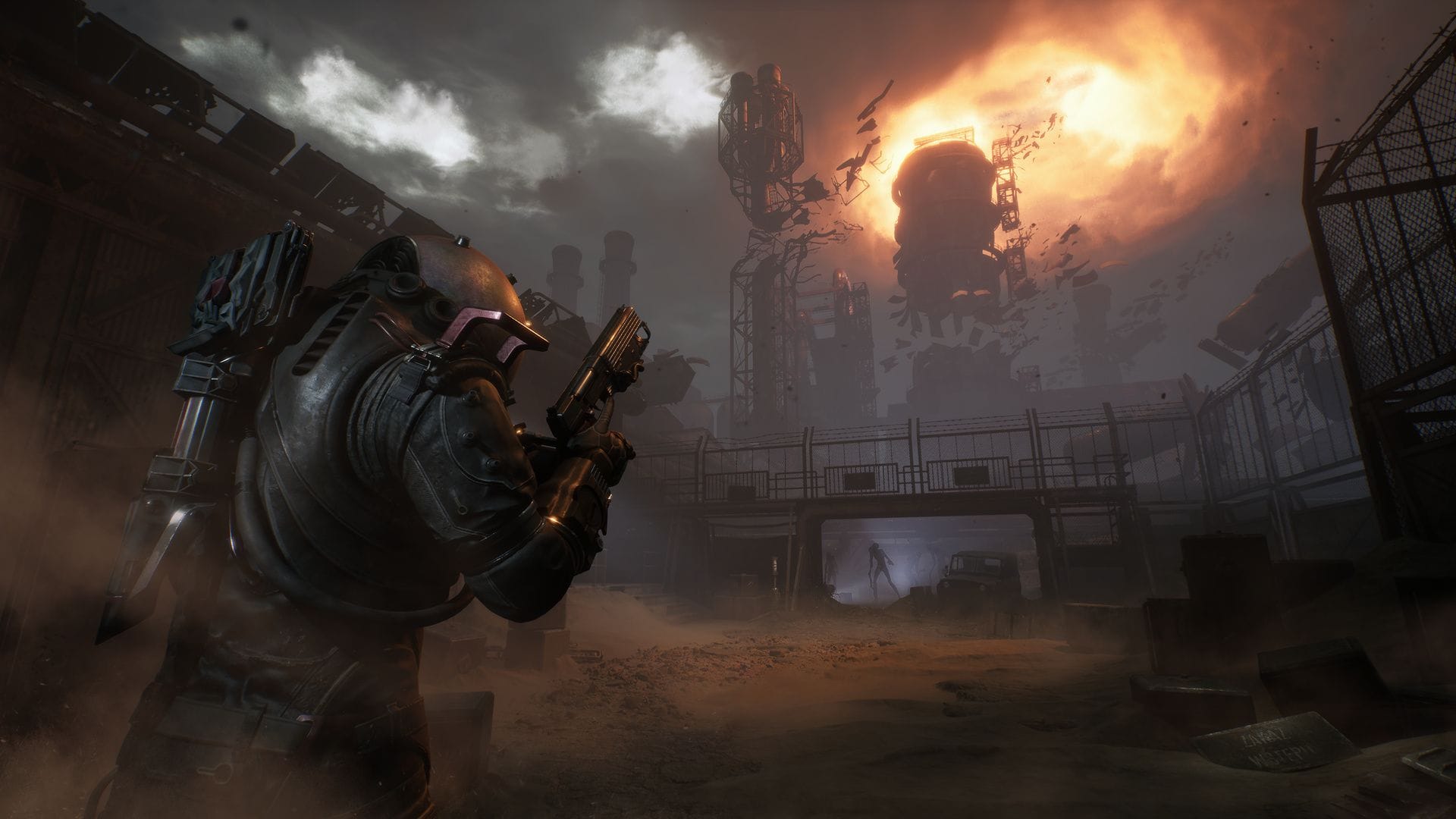
The Traveler crosses time to harvest lost souls in 1980s Poland, confronting body-horror monstrosities born from a plague that fuses humans into grotesque forms.
- What to know
- The Traveler’s mission for the Collective
- A plague that turns people into Orphans
- Time travel and Essence extraction explained
- The people who change everything
- The showdown with the Warden (and branching endings)
- Themes inspired by Poland’s haunted past and body horror symbolism
- Cronos’ mechanics redefine survival horror
What to know
- The Traveler extracts human Essences from the past to sustain the Collective.
- A plague called The Change fuses humans into horrifying Orphans unless burned.
- Combat and survival rely on fire management and preventing enemy fusion.
- Multiple endings depend on moral choices during the final confrontation.
Cronos: The New Dawn has already made waves for its mix of survival horror and sci-fi storytelling. At its heart is a grim tale about time travel, identity, and a plague that literally fuses people together. If the story left you scratching your head, here’s a full plot breakdown, explained step by step.
The Traveler’s mission for the Collective
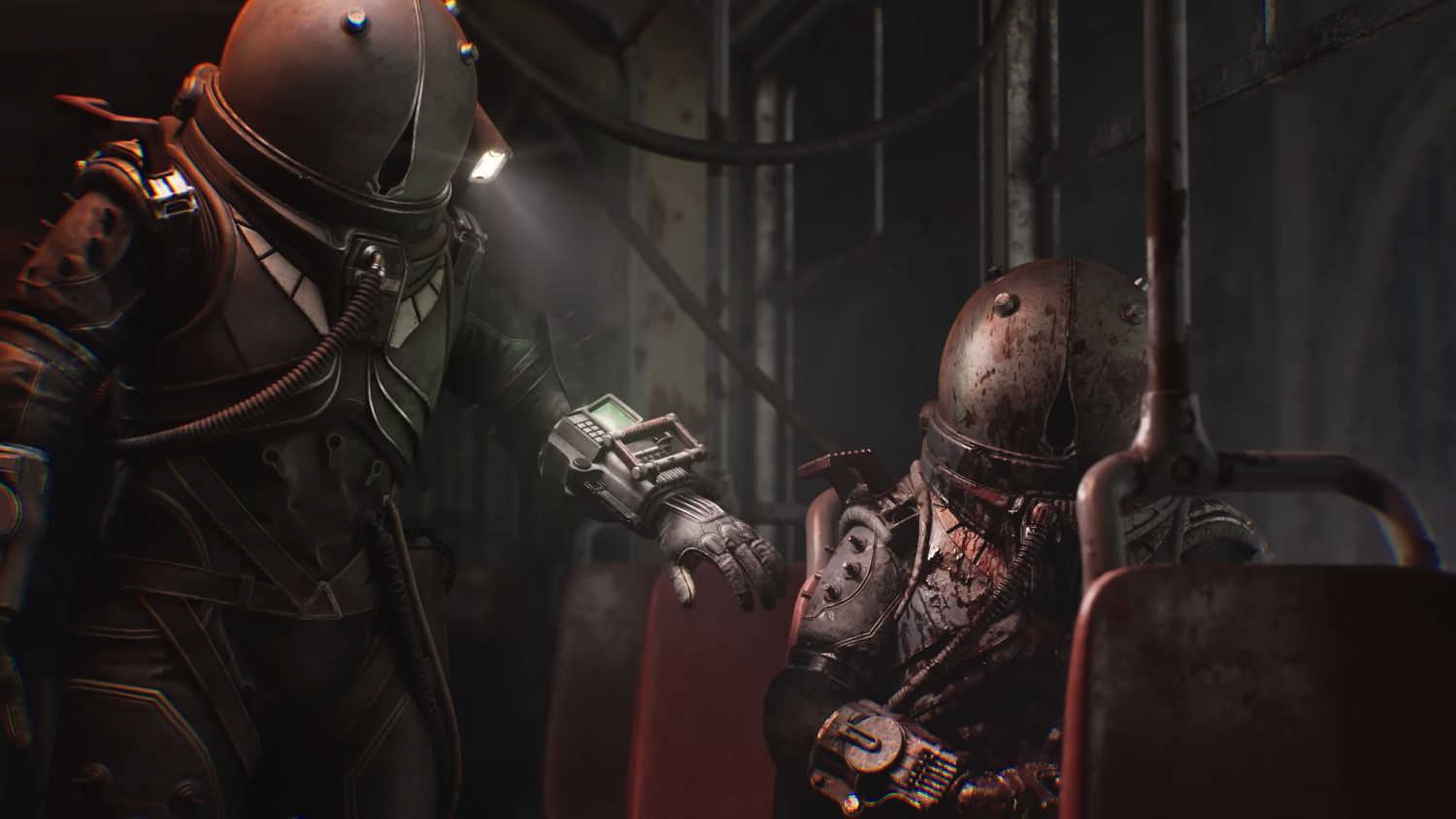
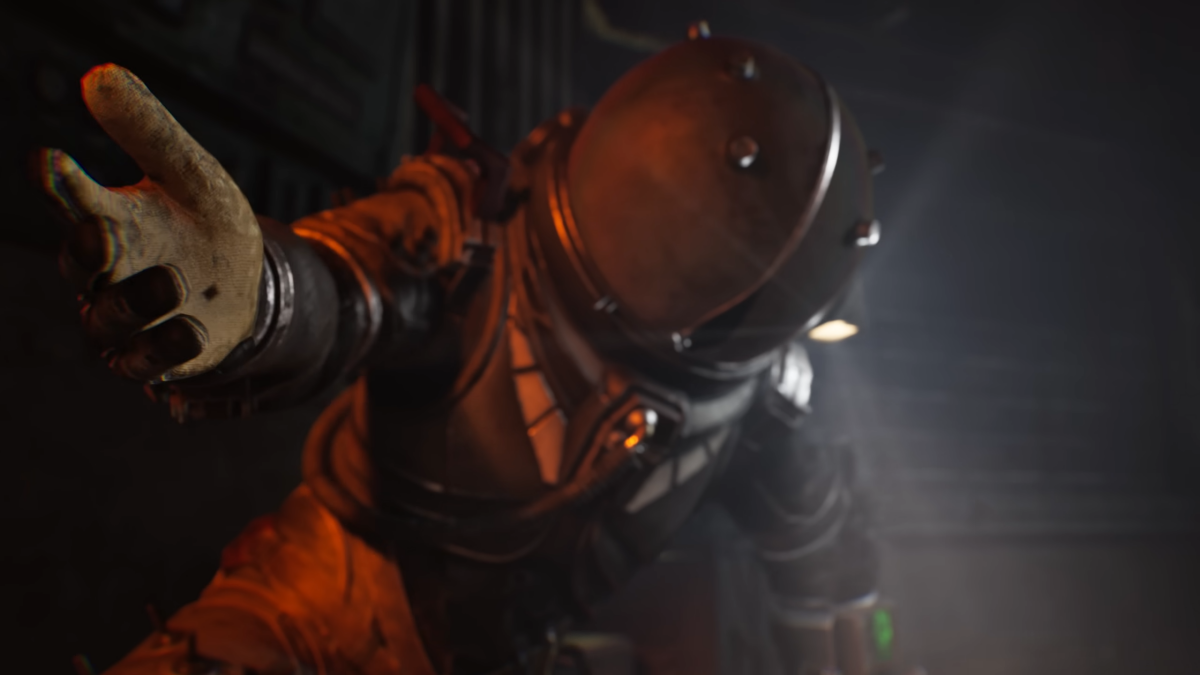
The game opens with the Traveler, an agent of the Collective, waking to complete a failed mission. The job: jump through rifts into 1980s Poland, recover people’s “Essences” before they die, and send them to the Collective. Those Essences act like fuel, keeping the future alive while delaying a catastrophic event known as The Change.

A plague that turns people into Orphans
The Change isn’t just another virus. It’s a body-horror nightmare that fuses people together into creatures called Orphans—grotesque, writhing masses of limbs and faces. Kill one, and if it isn’t burned quickly, it will merge with corpses nearby and come back stronger. That single mechanic makes fire not just a weapon, but a survival tool you can’t ignore.

Time travel and Essence extraction explained
Time travel drives the story forward. Using special gear like the Anchor, the Traveler enters rifts to extract Essences just before someone’s death. Each Essence reveals more about the outbreak and the Collective’s motives. But every extraction takes a toll, creating cracks in the Traveler’s own sense of self. By the midway point, it’s clear the mission is about more than just collecting souls—it’s about uncovering a buried truth.

The people who change everything
Several key characters drive the story’s twists:
- ND-3500, the predecessor, tried and failed to extract Edward Wiśniewski’s Essence.
- Artur Baryka’s Essence exposes secret government experiments linked to The Change.
- Dr. Dawid Zybert, now an Orphan, spills crucial details about Travelers and the Collective.
- Eliza Zybert hides the Pathfinder, a Traveler who abandoned his mission.
- The Warden is revealed as the Pathfinder himself. Even more shocking is the fact that the Traveler is actually Weronika’s Essence in a new form.

These revelations flip the story upside down, questioning not just who the Traveler is, but what Essences really mean.
The showdown with the Warden (and branching endings)
Everything builds to a confrontation with the Warden, who is also the Pathfinder. Two outcomes are possible:
- Spare him: Both he and Weronika reach the future, but Weronika becomes infected, sparking the same cycle again.
- Kill him: The Warden’s Relic opens a rift for Weronika, who arrives in Edward’s apartment—already carrying The Change.
Neither path offers a perfect solution, underlining the story’s tragic, cyclical nature.
Themes inspired by Poland’s haunted past and body horror symbolism
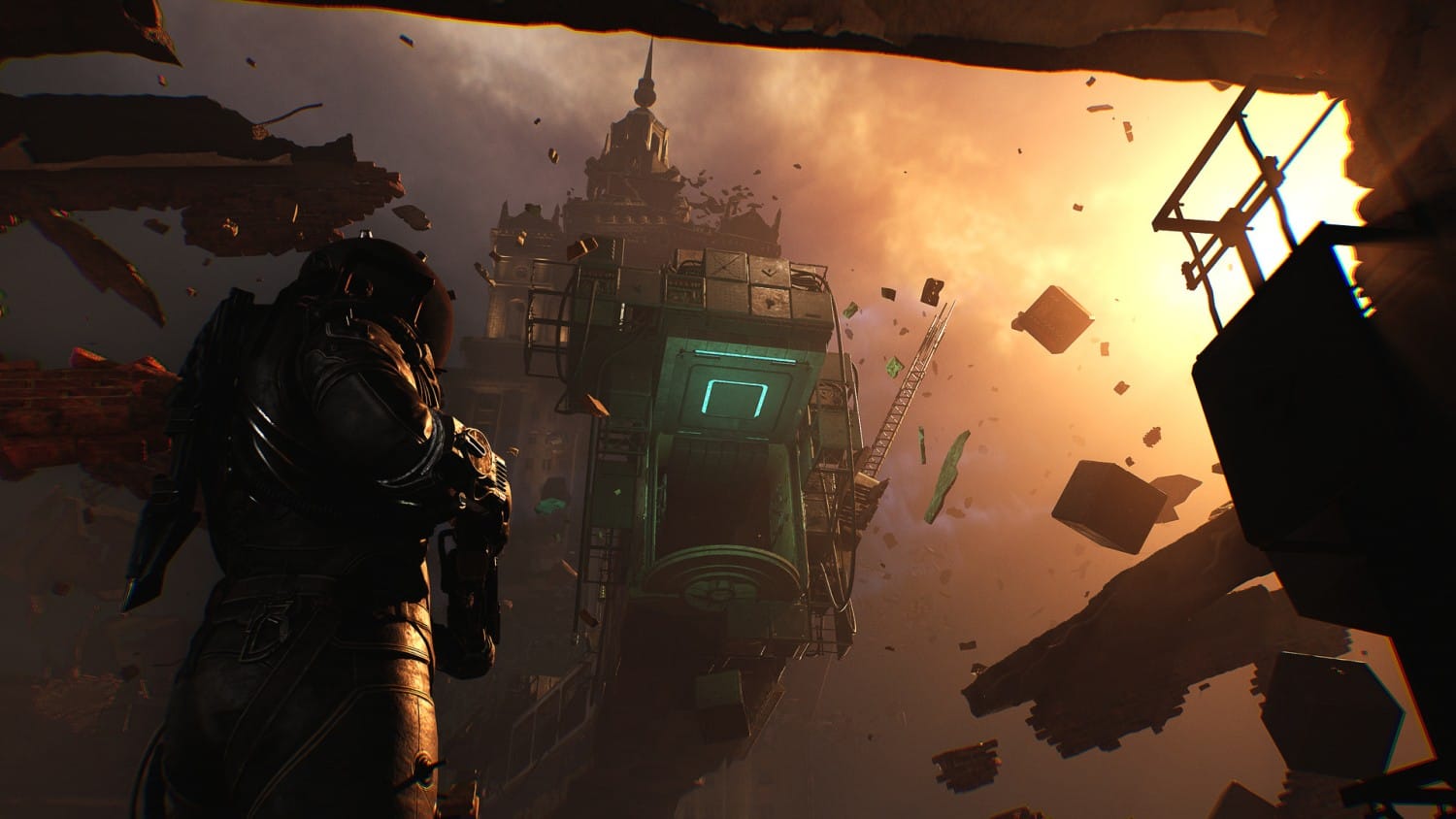
Bloober Team grounds the game in Poland’s communist-era setting, mixing brutalist buildings, retro-futurist tech, and folklore-like dread. Inspirations range from The Thing to Neon Genesis Evangelion, but the themes feel deeply Polish: collectivism, survival under authoritarian rule, and the trauma of repeating cycles. That cultural layer makes Cronos stand out among survival horror games.

Cronos’ mechanics redefine survival horror
Cronos: The New Dawn isn’t just another survival horror title. A few things set it apart:
- Enemy fusion adds a tactical twist—you’re forced to think before leaving bodies unburned.
- Branching endings make moral choices matter in ways that stick with you.
- The setting blends history, sci-fi, and body horror into something rarely seen in the genre.
Cronos: The New Dawn presents a dense, emotional survival horror tale where history, philosophy, and science fiction intersect. Each Essence recovered, each fire lit, and each choice made reshapes the timeline while deepening the question of what survival—and humanity—truly mean.