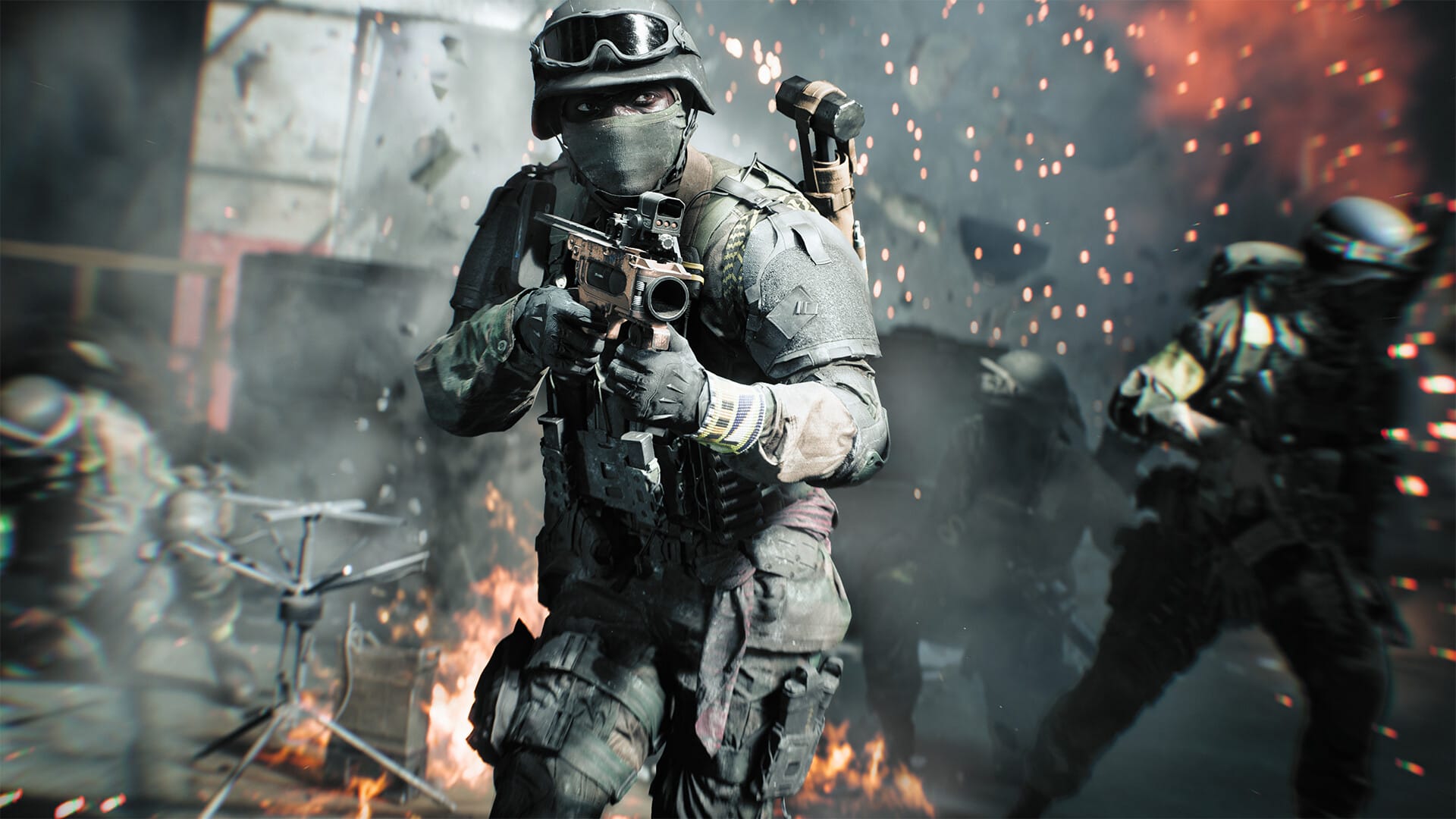
Finding the best sensitivity in Battlefield 6 is about achieving balance—fast enough to react quickly, but steady enough to maintain precise aim.
Every shooter rewards muscle memory, but in Battlefield 6, where engagements range from close-quarters to long-distance fights, sensitivity plays a bigger role than ever. A setup that feels too fast can make your aim shaky, while one that’s too slow can make you lose fights you could’ve won. The right sensitivity allows smooth target tracking, quick reactions, and precision under pressure.
This guide breaks down the best Battlefield 6 sensitivity settings for both controller and mouse players, along with step-by-step tuning instructions.
Best controller sensitivity settings for Battlefield 6
These settings are not absolute, but they provide a strong starting point to customize from.
| Setting | Recommended Value | Why it Works |
|---|---|---|
| Infantry Aim Sensitivity | 30–40 | Balanced tracking and control without oversteering. |
| Field of View (FOV) | 105–110 | Increases peripheral awareness without distorting edges. |
| Zoom Sensitivity Coefficient | 177.8 | Keeps zoomed sensitivity consistent with hipfire speed. |
| Aim Assist | 100 | Full assist helps stabilize aim during movement. |
| Aim Assist Slowdown | 100 | Smooths out aim when near targets. |
| Aim Assist Zoom Snap | 50 | Prevents aim from snapping too aggressively. |
| Stick Input Acceleration | Standard | Keeps movement predictable for small adjustments. |
| Left/Right Acceleration | 60 | Balanced turning speed for infantry play. |
| Vertical Aim Ratio | 75% of horizontal | Adds smoother vertical control. |
Recommended deadzone setup
| Control | Suggested Value | Notes |
|---|---|---|
| Left Stick Center Deadzone | 5 | Helps avoid controller drift. |
| Right Stick Center Deadzone | 5 | Keeps small movements responsive. |
| Axial Deadzones (L/R) | 10 | Reduces unwanted diagonal drift. |
| Max Input Threshold (Sticks) | 100 | Ensures full range of motion. |
| Trigger Deadzones (LT/RT) | 0–100 | Set to 0 for instant trigger response. |
| Vibration | Off | Reduces distraction and improves consistency. |
Best mouse and keyboard settings for Battlefield 6
PC players have more freedom to adjust fine details. Mouse settings depend heavily on DPI, so treat these as guidelines:
| Setting | Recommended Value | Why it Works |
|---|---|---|
| Mouse Sensitivity | 25 | A balanced speed for 800–1600 DPI setups. |
| Uniform Soldier Aiming | Off | Allows scopes to slow down aim proportionally. |
| Zoom Aim Sensitivity | 80–90% | Keeps ADS consistent with hipfire aim. |
| 1.25x Zoom Multiplier | 95 | Slight boost for mid-range combat. |
| Mouse Acceleration | Off | Prevents inconsistent aim speed. |
| Aim Down Sight (ADS) | Hold | Maintains precision and flexibility during fights. |
How to fine-tune your sensitivity in Battlefield 6
Step 1: Start with a baseline
Pick a middle-range sensitivity (35 for controller or 25 for mouse) and test how it feels in normal combat situations.
Step 2: Test in a controlled environment
Enter the shooting range or a quiet map. Track moving targets and check whether you’re under- or over-aiming.
Step 3: Adjust in small increments
- If tracking feels sluggish, increase sensitivity by 2–5 points.
- If you’re overshooting, lower it slightly until aim feels smooth.
Step 4: Tune your ADS settings
Ensure your zoom sensitivity matches your playstyle. Scoped weapons should feel steady, not twitchy.
Step 5: Revisit deadzones and acceleration
If slight stick movements don’t register, lower your deadzones. If your crosshair feels erratic, reduce acceleration.
Step 6: Test across multiple classes
Vehicles, aircraft, and infantry each feel different. Adjust sensitivity per mode for consistent control.
Step 7: Lock in and build muscle memory
Once the setup feels right, keep it consistent. Frequent changes reset your muscle memory and slow progress.
Advanced tips for Battlefield 6
- Check for patch updates: Sensitivity behavior might change with updates or new input tweaks.
- Disable motion blur: It doesn’t affect sensitivity, but it helps visibility during fast movements.
- Match FOV and sensitivity: Increasing FOV makes aim feel faster; lower your sensitivity slightly if it becomes too twitchy.
- Use a low input latency display mode: Reduces lag between your movement and the screen response.
Finding the best Battlefield 6 sensitivity isn’t about copying numbers—it’s about comfort, control, and adaptability. Start from recommended ranges, make small adjustments, and let muscle memory take over. A setup that feels natural will always outperform one that just follows trends.