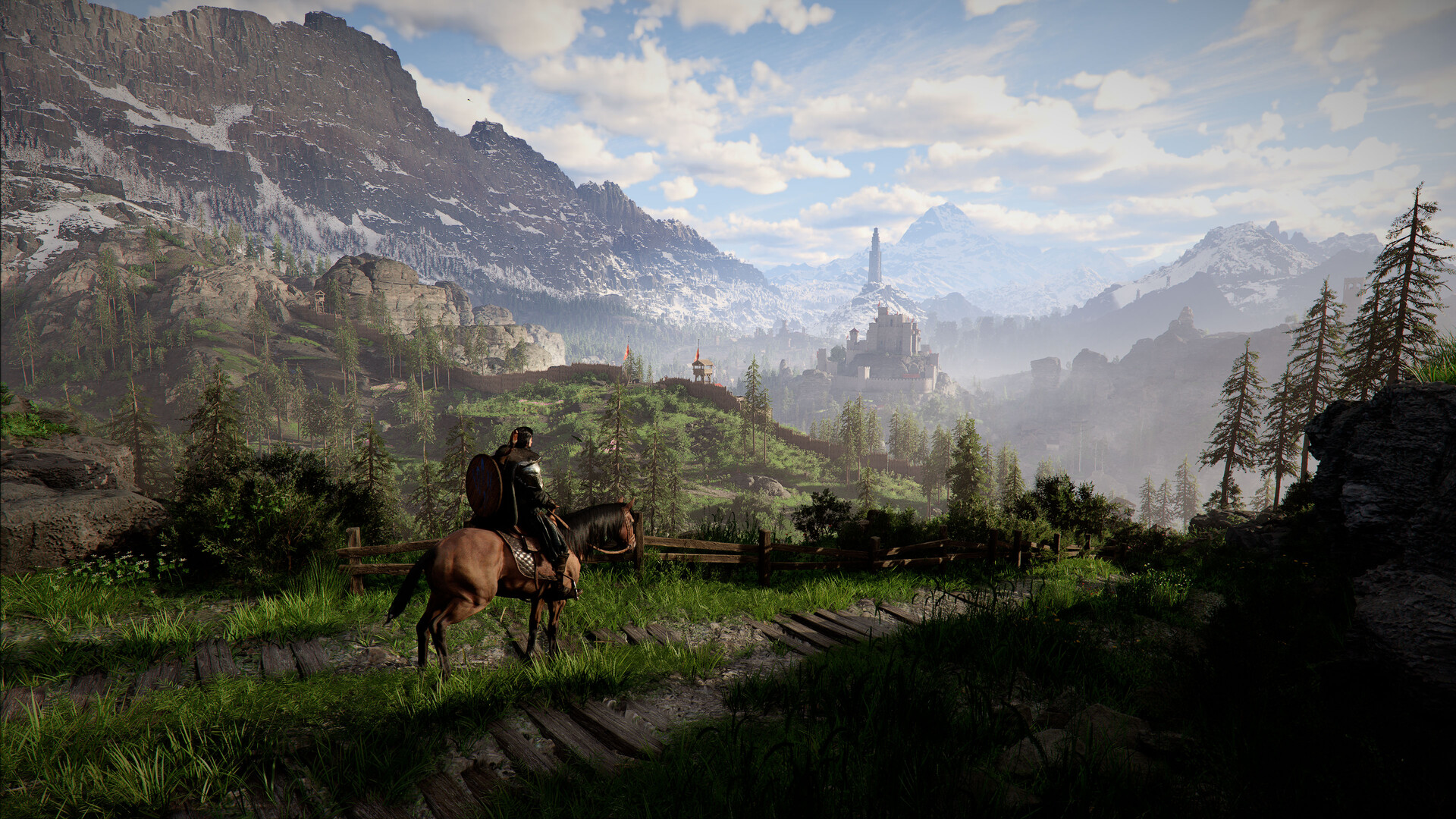
Baby Steps ends with a quietly profound lesson: true progress arrives when you finally accept help, not when you reach the mountain’s summit.
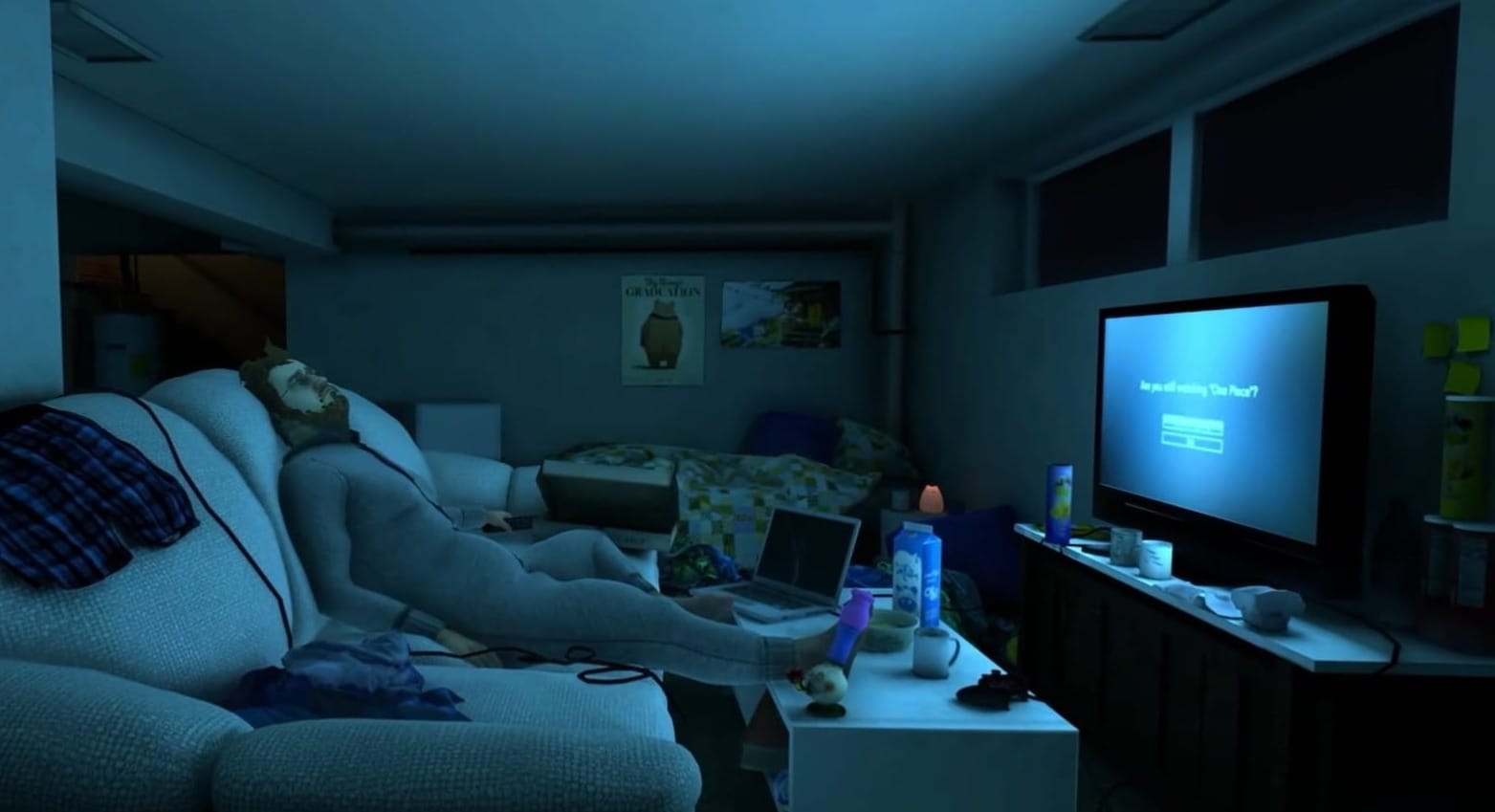
Baby Steps delivers an unexpectedly moving conclusion, rooting its story in self-reflection rather than victory. The narrative follows Nate, a thirty-something who has been listless and isolated in his parents’ basement. Instead of a triumphant finale, the ending forces you to ask what success really means.
How the ending unfolds emotionally
Throughout the game, Nate avoids help, brushes off support, and seems determined to struggle alone. These choices reflect recurring patterns of depression and mental health issues, as Nate resists anyone trying to aid him. The refusal of help becomes central, with most obstacles showing how pride and isolation weigh him down.

When the player reaches Moose’s cabin at the end, Nate awkwardly stands outside. It’s only after Nate slowly asks to come inside—admitting he needs help—that Moose warmly welcomes him. The credits roll at this simple acceptance, driving home the point that real resolution happens when you let yourself be cared for.
Exploring the “true ending” and what’s at the summit
Although you can continue past Moose’s cabin and climb to the summit, Moose warns there’s nothing waiting for you. Climbing is difficult, lonely, and upon reaching the top, you’re met with a brief, anticlimactic scene. No prizes await—making the point that life’s hardest struggles may offer no external reward. The act of seeking help, not solitary achievement, is what matters most.

Interpretation: what the ending suggests
Existential weight > closure
The wish to be dead is not a melodramatic flourish; it’s raw, unfiltered, and unresolved. The game doesn’t say “that’s good” or “that’s bad” — it leaves you with it.
Critique of pride and self-pricing
Nate repeatedly rejects help, refuses easier paths, insists on proving something to himself (and perhaps to others). His final choice suggests that this burden becomes unbearable.
You as the mirror
Because you controlled Nate, the weight of every fall, every correction, and every moment of frustration becomes yours too. The ending forces a confrontation — with Nate, and with yourself, if you pushed him this far.
No tidy resolution
The game doesn’t wrap up with a heroic “overcome your demons” or an uplifting return. It ends in ambiguity and reflection.

Possible alternate readings
- Some interpret the final wish as symbolic — not a literal desire for death, but an expression of feeling trapped, exhausted, or without recourse.
- Others see the donkey bros as external pressures — toxic masculinity, social judgment, expectations of strength — and the wish is a refusal to continue under that weight.
Why Baby Steps offers no external reward
Unlike most games, Baby Steps intentionally withholds conventional payoffs—even after difficult climbs or persistent effort. Winning means accepting help. The experience, not the outcome, is what matters. This design mirrors the frustration and futility faced by those who struggle alone, but also highlights the potential for empathy and grace if you’re willing to reach out.
Wrapping up Nate’s journey
Baby Steps chooses a quiet, emotionally resonant ending where asking for help is the real victory. The journey is uncomfortable but meaningful for anyone who has ever struggled with isolation or mental health. Its message: connection is often more powerful than accomplishment.