- What to know
- How to unlock Umbral Monument
- Location of the Umbral Monument in Valley IV
- Structure and rules of Umbral Monument
- Rewards in Umbral Monument
- How to prepare your account for Umbral Monument
- How to approach current Umbral Monument stages
- How to decide if Umbral Monument is worth your time right now
- Closing thoughts on Umbral Monument in Arknights: Endfield
What to know
-
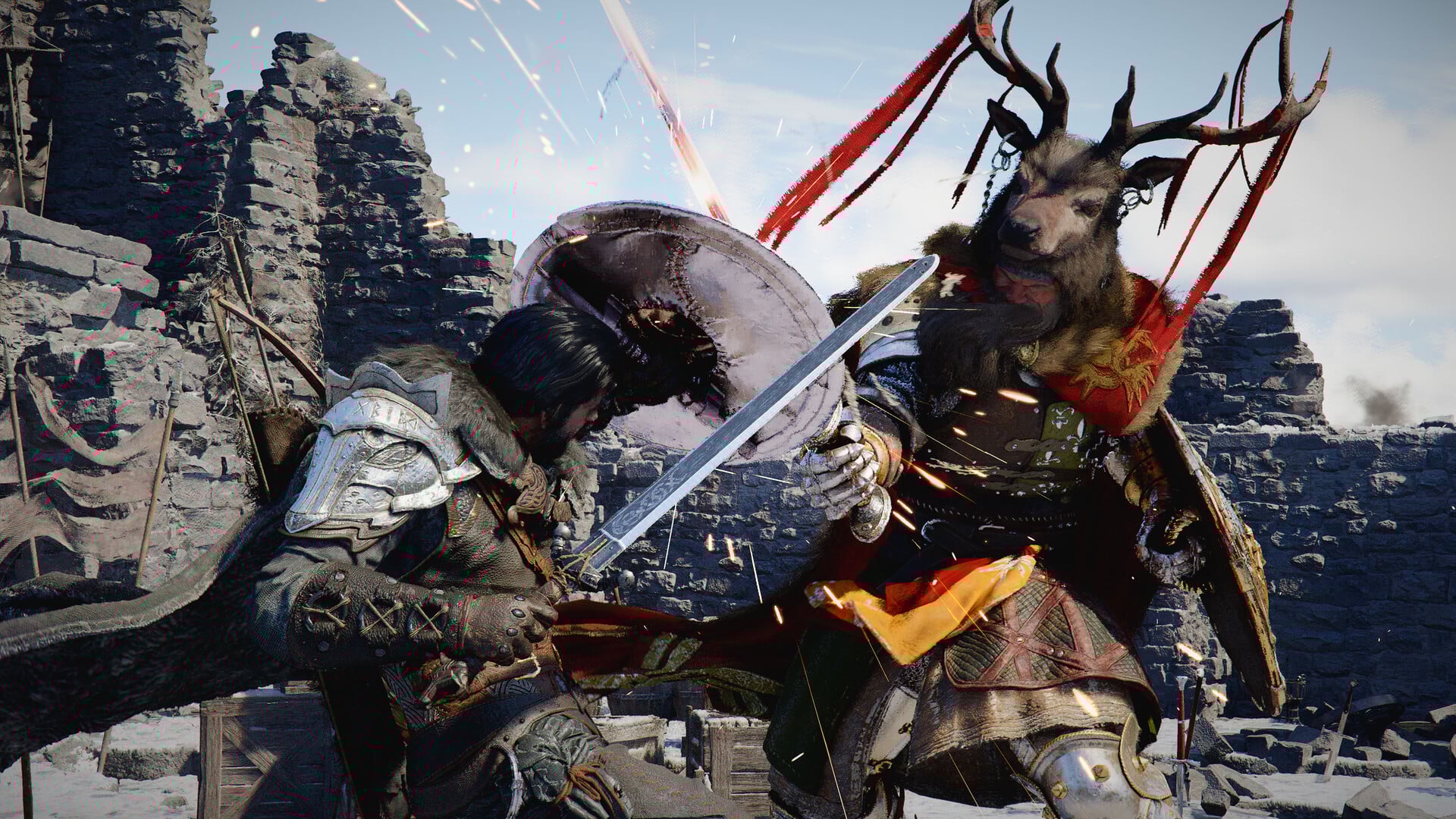
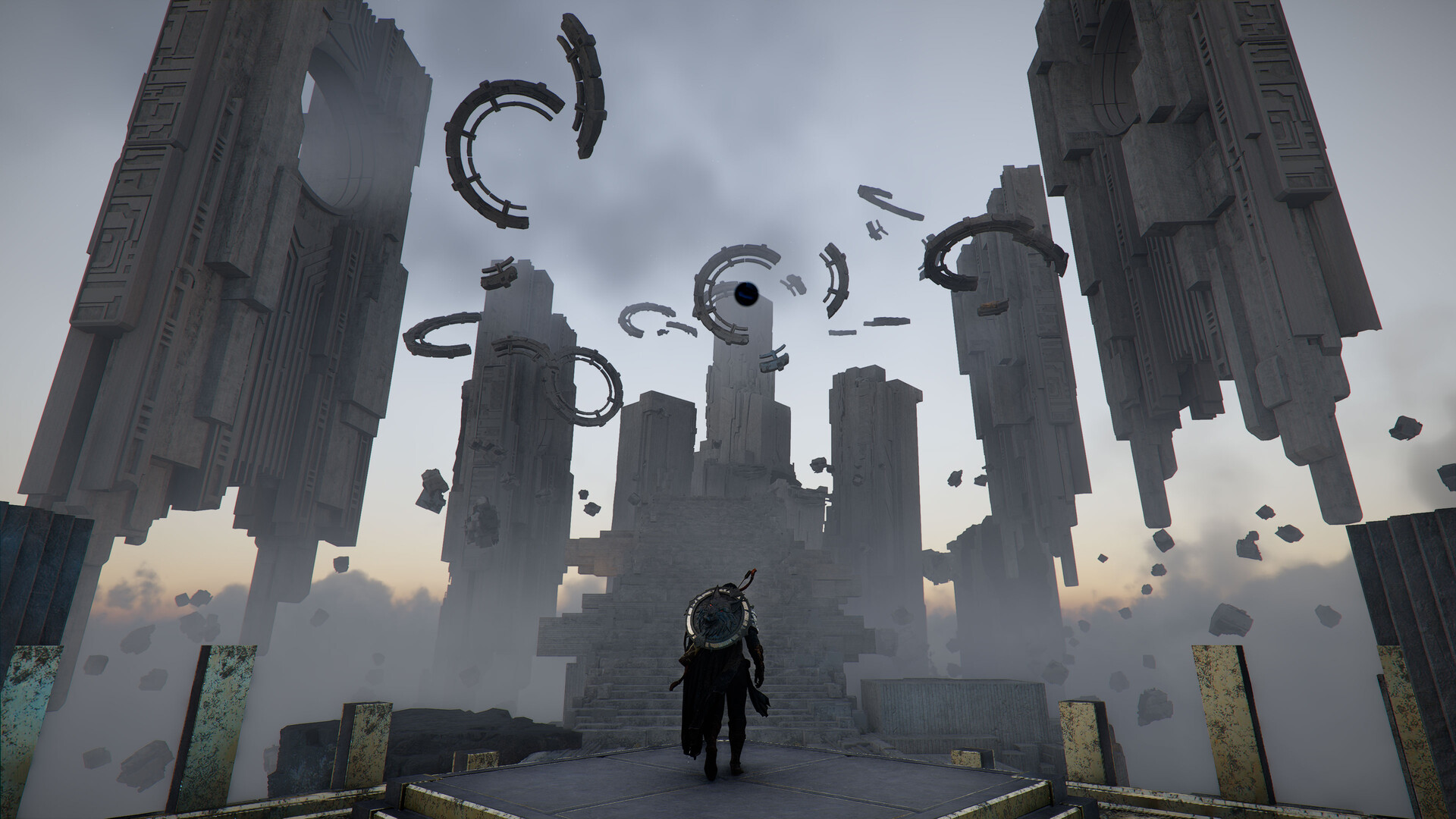
Umbral Monument is a permanent, high-difficulty combat mode with periodically added “Series” of stages, designed as a long-term challenge playground.
-
You unlock it by clearing the main mission “Paving the Way” (Chapter 1, Process II) and reaching at least Authority Level 30, then completing a short mission at Valley IV Hub Base.
-
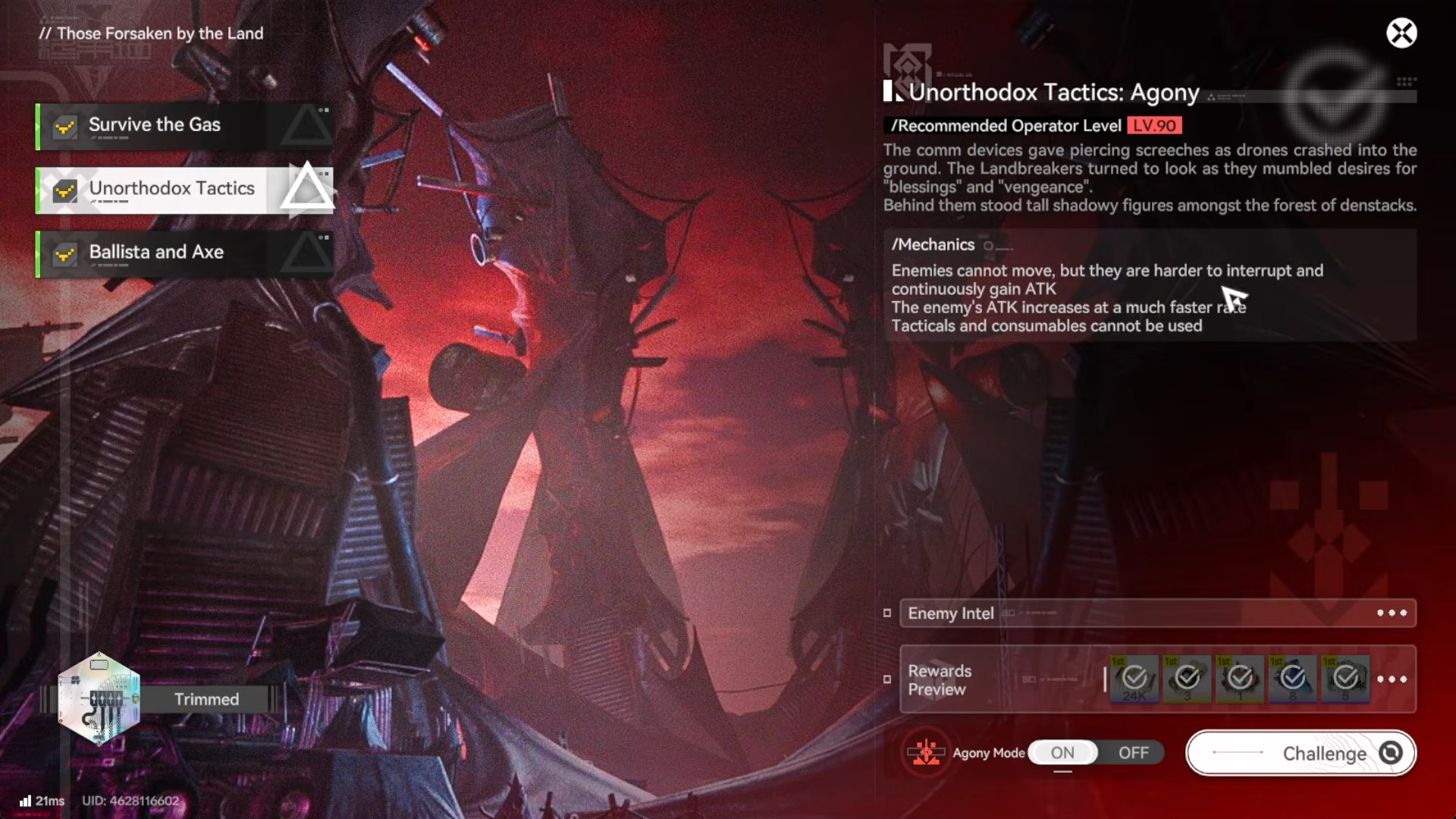
Each stage has Normal and Agony modes; Normal unlocks Agony, which removes healing items/food and significantly increases enemy pressure and mechanics.
-
Rewards are mostly one-time: Series medals, upgraded (trimmed) medals for Agony clears, a shared first-clear resource bundle, and limited-time Oroberyl via the Monumental Etching: Old Wounds event.
Arknights: Endfield’s Umbral Monument offers compact, repeatable challenges with strict rules, two difficulty tiers, and a mix of permanent and time-limited rewards—without turning into an endlessly farmable grind.
| Aspect | Details |
|---|---|
| Mode type | Permanent high-difficulty combat mode with periodic content updates (new Series of stages). |
| Unlock requirements | Clear Main Mission “Paving the Way” (Chapter 1, Process II) and reach Authority Lv. 30 or higher. |
| Access location | Valley IV Hub Base, second floor; talk to Sergio Leon to complete the unlock mission and enter the Monument. |
| Structure | Multiple “Series,” each with a set of stages. Every stage has Normal and Agony difficulty. |
| Normal mode | Standard challenge difficulty; allows healing items/food; clearing stages here unlocks Agony stages and awards first-clear rewards. |
| Agony mode | Harder version with extra mechanics and no consumable healing; required for trimmed medals and extra prestige. |
| Permanent rewards | Engraved Series Medals (Normal full clear), trimmed medals (Agony full clear), and a shared first-clear material bundle across all stages. |
| Time-limited rewards | Monumental Etching: Old Wounds event; complete listed Umbral Monument tasks to earn Oroberyl and extras before the version update ends. |
How to unlock Umbral Monument
Umbral Monument is not available from the start, so you need to progress your account a bit before you see it. The good news is that once you unlock it, the mode is permanent.
Unlock requirements and conditions
From current in-game and community information, the unlock checks look like this:
| Requirement | Description |
|---|---|
| Story progress | Clear Main Mission “Paving the Way” (Chapter 1, Process II). |
| Authority level | Reach at least Authority Level 30. The actual unlock mission may appear later as you continue playing in the low–mid 40s. |
| Unlock mission | When conditions are met, a mission called “Umbral Monument” becomes available from the quest list. |
Push the main story until you finish Chapter 1, Process II, “Paving the Way.” This is the baseline requirement; if it is not cleared, Umbral Monument will remain locked regardless of your level.
Step 2 – Reach Authority Level 30 or higher
Continue exploring, doing missions, and progressing your account until you reach at least Authority Lv. 30. In current documentation, this is listed as the minimum Authority threshold tied to the mode.
Step 3 – Pick up the “Umbral Monument” mission
Once both conditions are met, a mission named “Umbral Monument” appears. Track it from your mission list so you do not miss the next steps.
Step 4 – Go to Valley IV Hub Base
Travel to Valley IV Hub Base. The mission objective sends you there and points you toward the Monument’s physical location within the hub.
Step 5 – Talk to Sergio Leon on the second floor
Head up the stairs to the second floor of the Valley IV hub and speak with Sergio Leon. A short dialogue and interaction wrap up the unlock sequence and grant you access to the Umbral Monument menu afterward.
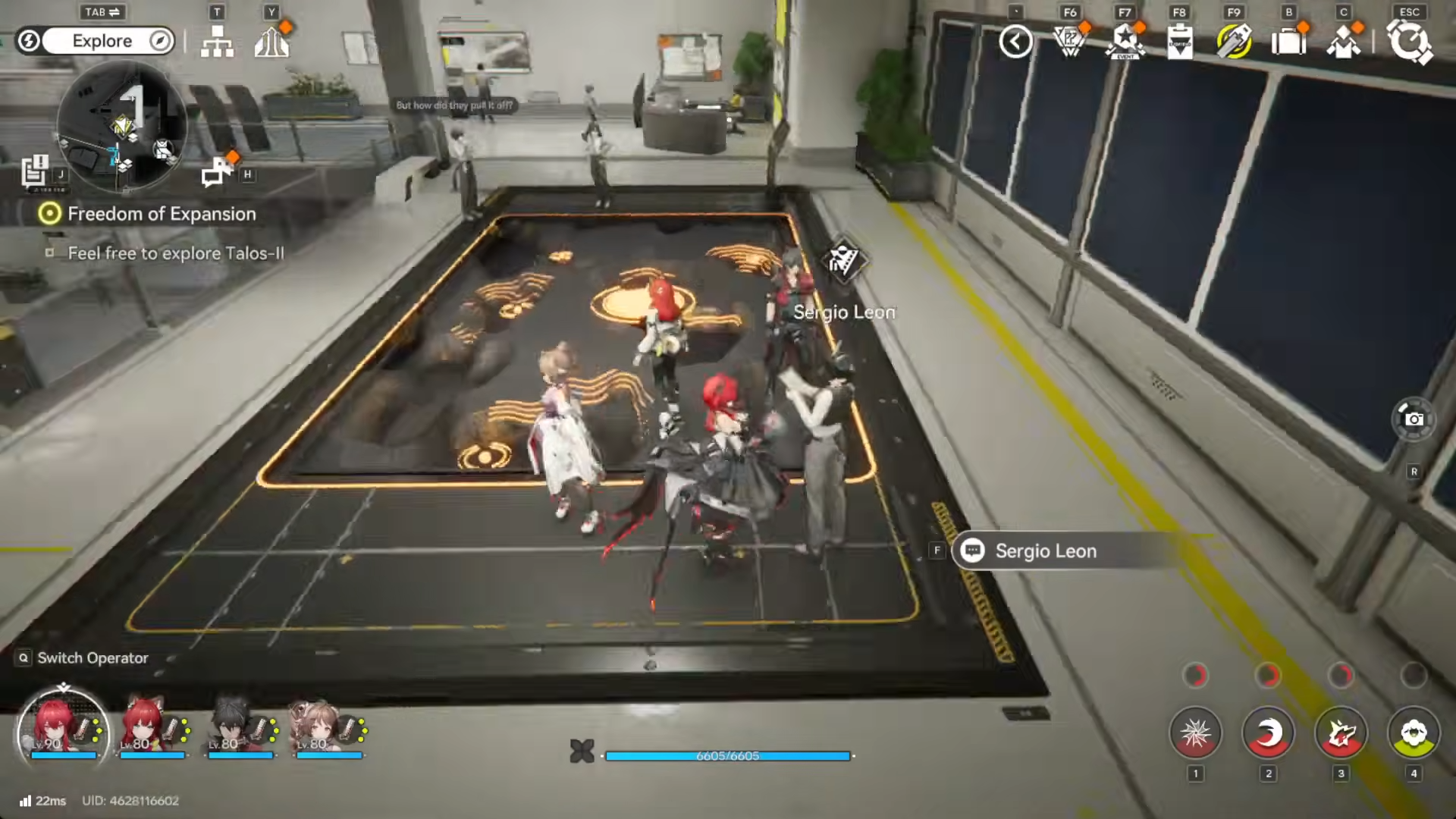
Once this is done, Umbral Monument becomes a permanent option on your interface; you can re-enter it anytime without revisiting the NPC.
Location of the Umbral Monument in Valley IV
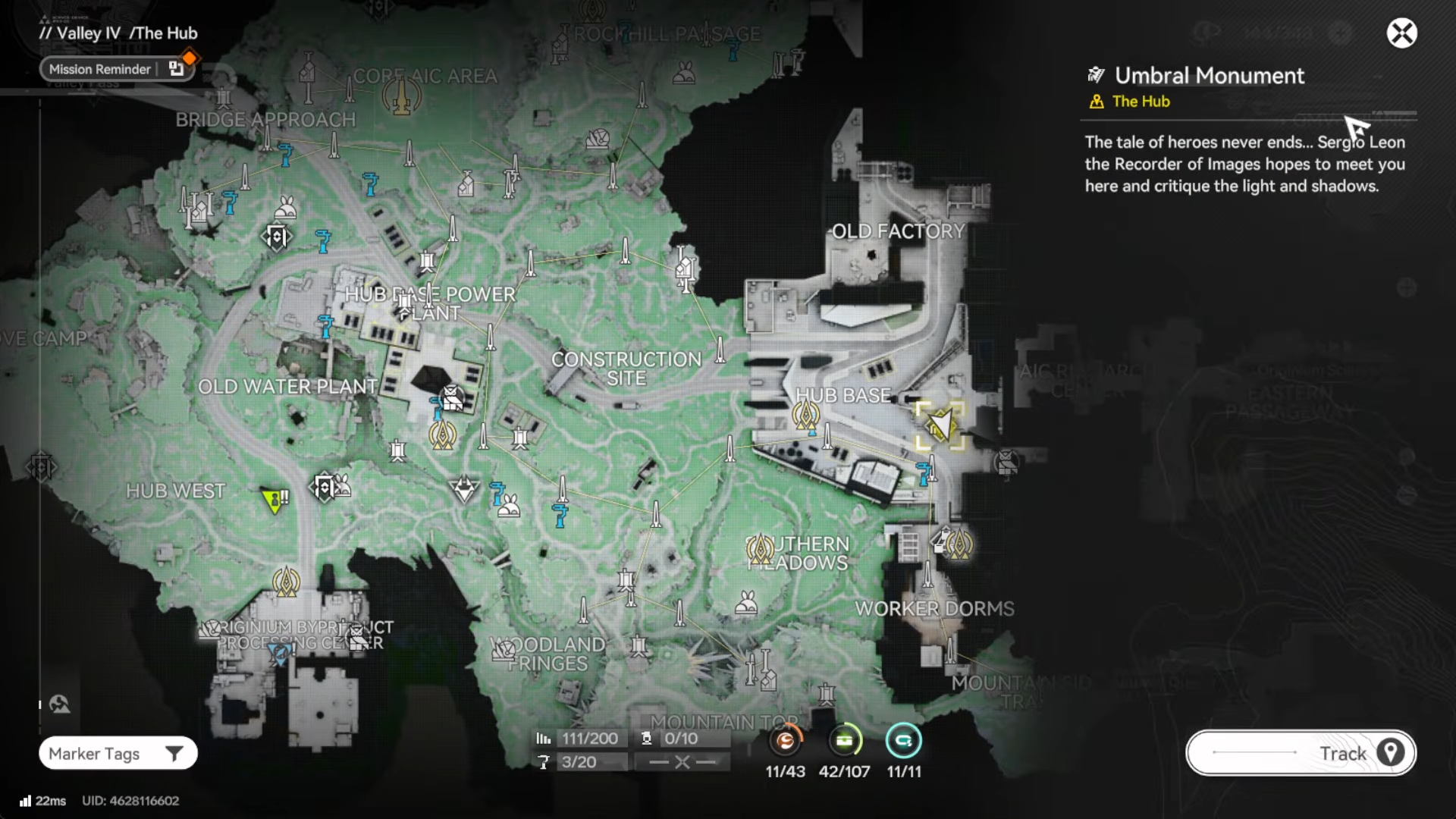
After you have the mode unlocked, you access Umbral Monument through the upper floor of the Valley IV Hub Base. From the main plaza, head to the building that hosts the Monument, take the stairs up to the second level, and you will find the Monument area and Sergio Leon there; the game also conveniently adds a dedicated menu entry so you can jump into it without walking back every time.
Structure and rules of Umbral Monument
Understanding how Umbral Monument is organized helps you plan how much time and effort you want to invest.
Series and stage layout
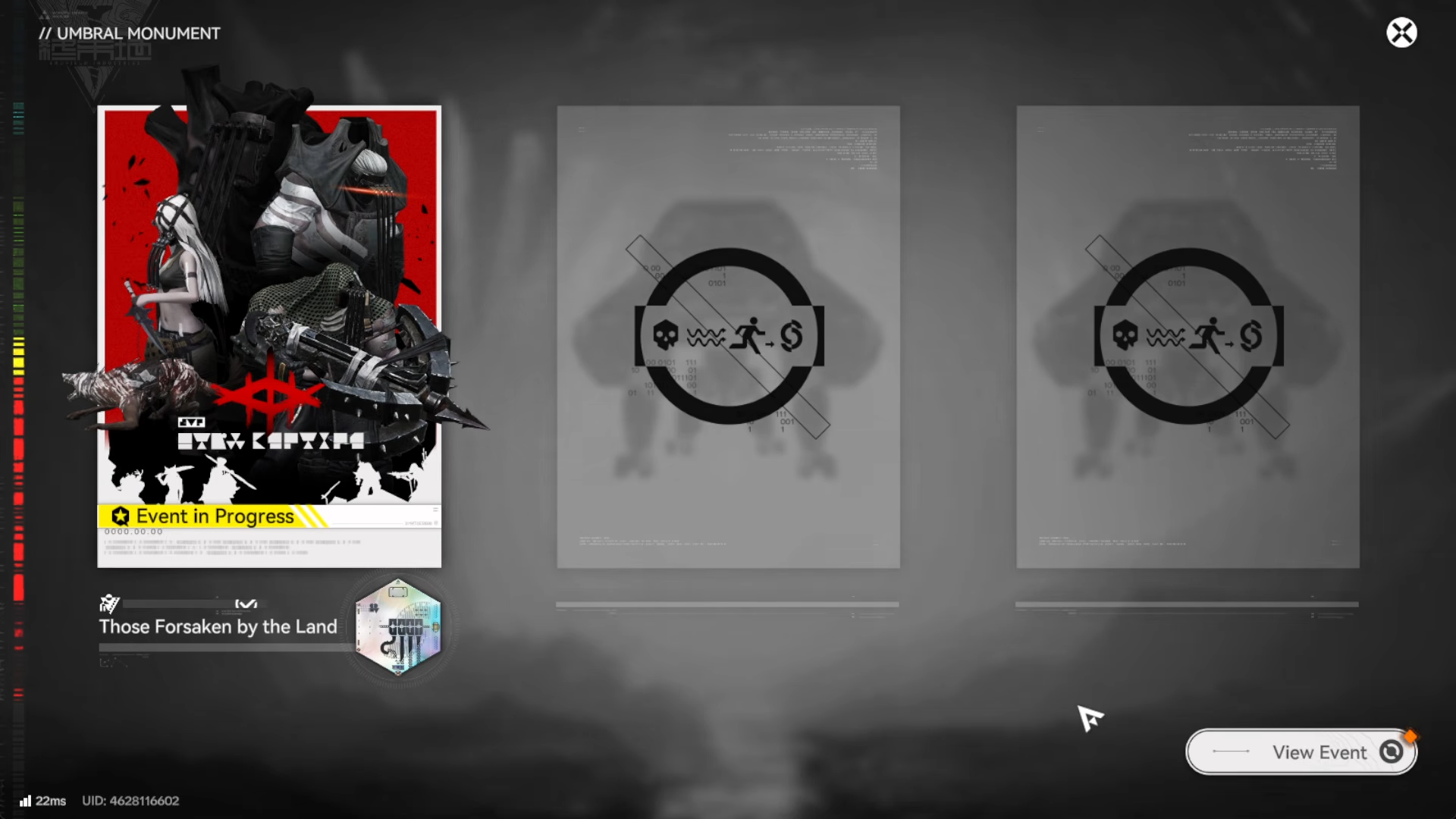
Umbral Monument is divided into “Series.” Each Series is a batch of stages built around a specific theme or enemy set.
-
Current examples include Series like “Those Forsaken by the Land” and “Inorganic Construct,” each with multiple stages tied to that theme.
-
Each stage in a Series is a compact combat encounter with bespoke rules: things like continuous HP drain, stationary enemies that stack attack, or dual-boss fights with off-field threats.
-
You can replay stages as many times as you like, but rewards tied to first clears and medals are one-time only, so there is no reason to “farm” them for drops.
Stages are short but punishing, so you are encouraged to experiment with different squads and gear once your main clear is done.
Normal vs Agony difficulty
Every Umbral Monument stage has two difficulty modes:
-
Normal Mode
-
Unlocked by default when a stage first appears.
-
Allows healing items and food, and is tuned for well-built midgame accounts.
-
Clearing a stage in Normal unlocks its Agony counterpart.
-
-
Agony Mode
-
Significantly higher enemy stats and more oppressive mechanics.
-
Healing items and food are disabled; you must rely on natural sustain (healers, shields, mitigation).
-
Some stages gain extra twists, such as bosses sharing damage between them, forcing you to group enemies for efficiency.
-
On top of raw difficulty, Agony is where most prestige comes from, since it is required to “trim” your medals.
Run rules and general constraints
A few shared rules cut across all Umbral Monument stages:
-
Limited roster slots: you bring a small, focused combat team rather than a large rotation, so role coverage and synergy matter.
-
Fixed clear conditions: each stage has specific objectives (defeat all enemies, survive waves, beat dual bosses) and sometimes a soft time expectation, especially for trimmed medals.
-
Restricted recovery: consumable healing is available in Normal but disabled in Agony, turning mistakes into much bigger risks.
-
One-time first-clear rewards: every stage feeds into a shared first-clear reward pool; clearing the same stage again does not give more permanent resources.
This design makes Umbral Monument a mode you visit periodically for new Series and event tracks, not something you grind daily.
Rewards in Umbral Monument
Even if you mostly care about power progression, it helps to know what you are getting for your time. The mode’s permanent rewards are intentionally frontloaded into first clears and Series completion:
| Reward type | How to obtain | Notes |
|---|---|---|
| Engraved Series Medal | Clear all stages of a Series in Normal Mode. | Cosmetic profile medal showcasing completion of that Series. |
| Trimmed Series Medal | Clear all stages of the same Series in Agony Mode (often within a specified time per stage or overall). | Visually upgraded version of the medal; pure prestige, no extra materials. |
| First-time clear bundle | Complete all Umbral Monument stages at least once (Normal or Agony). | Shared pool of T-Creds, growth and upgrade materials; rewards are identical across stages and difficulties. |
| Extra Agony-only resources | Clear Agony stages. | Higher-tier materials and items related to gearing and engraving, but no additional Oroberyl beyond the event track. |
First-clear bundle details
Current data shows the permanent first-clear reward pool as:
| Item | Amount (total across Umbral Monument) |
|---|---|
| T-Creds | 24,000 |
| Advanced Cognitive Carrier | 3 |
| Mark of Perseverance | 1 |
| Protohedron | 8 |
| Arms INSP Set | 5 |
These rewards are fixed and do not reset. Once you have cleared every stage once, there is no further permanent material income from re-clearing them.
Monumental Etching: Old Wounds (time-limited rewards)
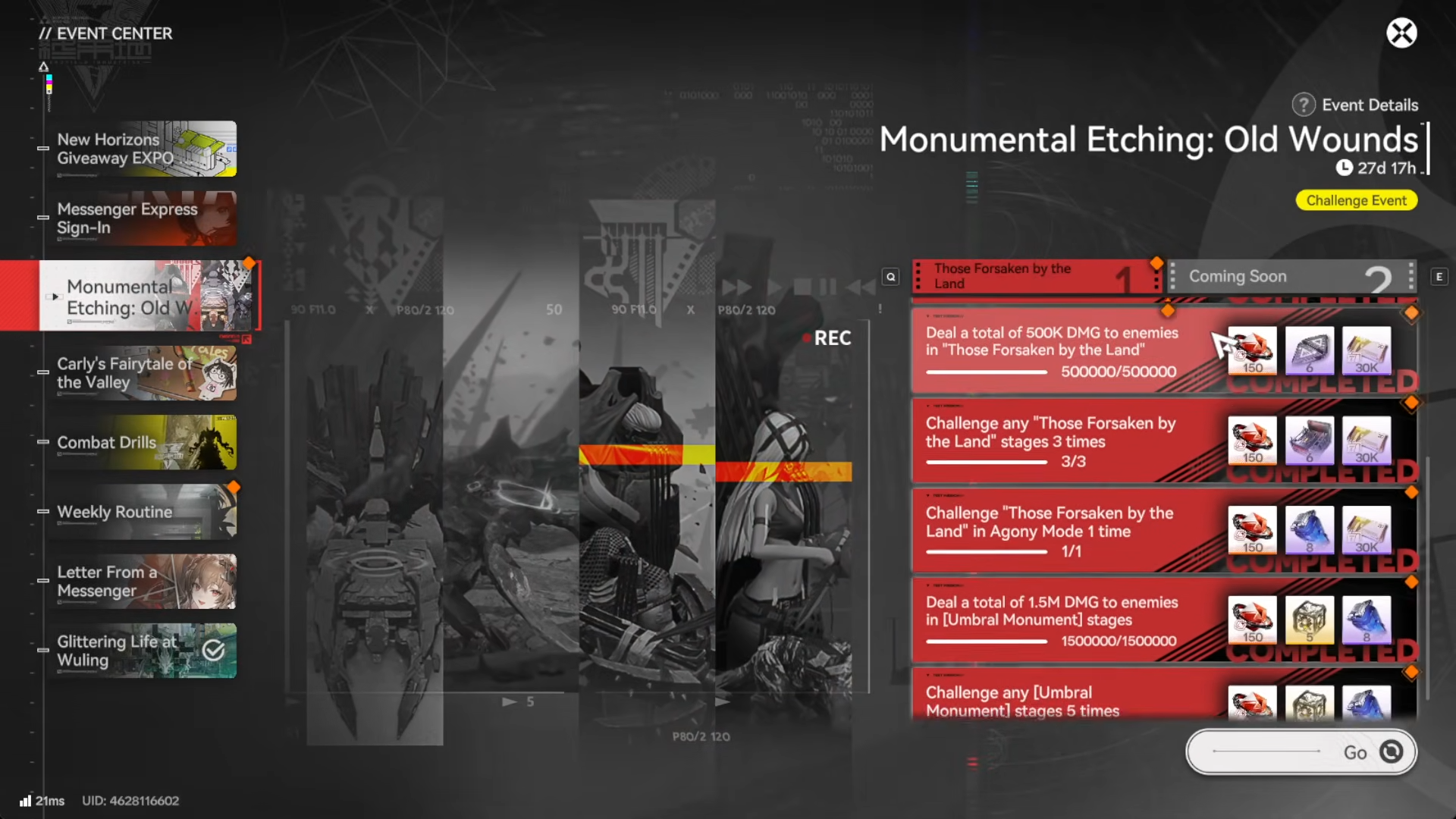
Monumental Etching: Old Wounds is a limited-time reward layer tied directly to Umbral Monument and aligned with the current version.
-
It appears as a separate event page that tracks your progress in listed Umbral Monument tasks.
-
Tasks usually ask you to clear specific Series or stages, often in Normal mode, and sometimes to meet simple conditions (such as entering or clearing certain stages).
-
The main attraction is Oroberyl (premium gacha currency), with a total payout of roughly two–three pulls’ worth in the current iteration; players describe this as around 2,400 Oroberyl across all pages.
-
The event ends with the version update; once the version changes, any unclaimed Monumental Etching rewards from that iteration are lost.
In short, clearing Umbral Monument stages once is enough to collect both the permanent first-clear resources and all time-limited Oroberyl from Monumental Etching for this version.
Reward summary table
| Category | Reward | Source within Umbral Monument |
|---|---|---|
| Progression (permanent) | T-Creds, Mark of Perseverance, Advanced Cognitive Carrier, Protohedron, Arms INSP Set | Distributed as first-clear rewards across all stages and Series. |
| Prestige (permanent) | Engraved Medals | Clear all stages in a Series on Normal. |
| Prestige (upgraded) | Trimmed Medals | Clear all stages in a Series on Agony (with time expectations). |
| Time-limited premium | Oroberyl | Complete Monumental Etching: Old Wounds tasks tied to Umbral Monument stages. |
| Extra high-end mats | Gear/engraving-related items | Primarily from Agony clears and higher-end event task completions. |
How to prepare your account for Umbral Monument
You do not need a perfectly min-maxed roster to start, but going in too early can make the mode more frustrating than fun.
Step 1 – Focus on one or two main DPS operators
Most Umbral Monument stages reward having at least one very strong main damage dealer. Community clears show that:
-
A single well-built DPS with a leveled weapon and 4–5★ gear can handle Normal mode comfortably.
-
Agony mode is more manageable if that DPS is running a full 5★ set (even if not fully enhanced).
Building one ranged and one melee DPS gives flexibility across stages.
Step 2 – Level a dedicated sustain option
Since Agony disables food and potions, you rely entirely on kit-based sustain:
-
Raise at least one healer or sustain-focused operator (strong single-target healer, AoE healer, or hybrid support).
-
Consider characters that also bring shields, damage reduction, or lifesteal; these mitigate mistakes in long fights or boss encounters.
For Normal mode, you can lean more on healing items, but a solid sustain character still makes life easier.
Step 3 – Add crowd control and AoE
Umbral Monument stages often cluster enemies or spawn waves with built-in downtime, which rewards:
-
AoE damage dealers that can hit multiple enemies when they stack.
-
Control skills that pull, stun, or group enemies into one area so your AoE DPS can churn through them efficiently.
This becomes especially important on second and third stages where enemies are stationary or spawn in tight formations.
Step 4 – Bring flexible loadouts for Normal and Agony
Plan two mental “loadouts” for each stage:
-
For Normal:
-
Include at least one decent healing item and consider a defensive consumable.
-
Use this difficulty to learn mechanics, enemy patterns, and positioning.
-
-
For Agony:
-
Replace consumables with more defensive or sustain-heavy character choices.
-
Prioritize survivability, stagger tools, and precise movement, as you cannot fix mistakes with items.
-
Treat Normal as your study run and Agony as the exam.
How to approach current Umbral Monument stages
The exact enemy lineups differ between Series, but the first wave of content follows a clear pattern: a sustained-damage challenge, a stationary-enemy stage, and a dual-boss finale.
How to handle the continuous damage stage (Stage 1 pattern)
In the opening stage of the first Series, your team takes constant damage over time, and healing has a special redistribution rule.
Step 1 – Understand the healing redistribution rule
In this stage, a large portion of the healing received by your controlled operator is shared with the rest of the team (around 70% of their healing spills over).
-
This makes single-target healing and healing items disproportionately effective.
-
It also means burst heals timed correctly can stabilize the entire squad at once.
Step 2 – Prioritize sustain-heavy builds
You want at least one of the following:
-
A true sustain specialist (healer or defensive support) who can pump out frequent healing.
-
High self-heal or lifesteal on your frontline DPS, so their natural play keeps the party healthy.
In Normal, a potent healing item plus one sustain character can be enough; in Agony, your operators must carry all healing on their own.
Step 3 – Clear the waves quickly
Because the damage is continuous, every extra second costs HP:
-
Focus on DPS uptime and good positioning to avoid wasted movement.
-
Use AoE skills to erase clustered enemies and shorten wave duration.
Well-built teams can even brute-force this stage with minimal healing if they kill fast enough.
How to break stationary, scaling enemies (Stage 2 pattern)
The second stage generally features enemies that cannot move but continuously gain attack power and become harder to interrupt.
Step 1 – Treat immobile enemies as damage race targets
Stationary enemies that keep ramping their attack output turn the fight into a DPS check:
-
Focus on burst-damage skills to delete high-threat targets before their attack scaling becomes overwhelming.
-
Use the stage’s spacing to line up shots that hit multiple enemies at once.
Step 2 – Take advantage of AoE and cleave
Because the enemies sit in fixed positions, you can often:
-
Position yourself where line or circular AoE skills overlap multiple targets.
-
Save big AoE bursts for when several dangerous enemies are at critical HP to finish them together.
This is especially valuable in Agony, where enemies hit hard enough that leaving more than one active for too long is risky.
Step 3 – Control incoming damage
While the enemies do not move, their attacks can be difficult to dodge or interrupt as the stage goes on:
-
Use stagger, knockbacks, or interrupts on dangerous casts when possible.
-
Practice the timing for their telegraphed attacks so you can dodge without losing too much DPS time.
One or two well-timed staggers can be enough to keep the situation under control.
How to manage dual-boss encounters and off-field threats (Stage 3 pattern)
The final stage of the first Series typically pits you against bosses backed by off-field attackers and environmental hazards like firefields or rockfalls.
Step 1 – Learn the off-field hazard patterns
You will often see off-field enemies firing at you, leaving hazards on the ground:
-
Firefields that linger and apply continuous damage where you stand.
-
Steam or rock attacks that stagger and chunk your HP if you are caught.
Make it a habit to move away when you see a red AoE indicator or a tell for off-field attacks, even if it costs some DPS time.
Step 2 – Position bosses to control hazards
Many successful clears position the active boss away from your allies to localize hazards:
-
Drag or kite the melee boss to a side or the arena center.
-
When the off-field attack is about to land, move yourself so the hazard spawns in a corner where it will not affect later movement.
This limits how much of the arena becomes unsafe over time.
Step 3 – Exploit shared-damage mechanics in Agony
In some Agony variants, boss enemies share incoming damage when grouped together:
-
Pull both bosses close to each other once they are on the field at the same time.
-
Stay near the ranged boss so the melee one walks into the same area, ensuring your attacks hit both.
Playing around this mechanic dramatically speeds up the fight and offsets Agony’s higher enemy HP.
Step 4 – Reserve stagger tools for key moments
Bosses chain powerful attacks and jumps that can be interrupted:
-
Keep at least one SP bar or strong stagger skill in reserve for dangerous windows (for example, after they jump back in with half HP).
-
Interrupting a key attack often prevents a cascade of hazards that would otherwise overwhelm you.
Playing patiently and waiting for the right time to stagger tends to be safer than blowing everything on cooldown.
How to claim Monumental Etching: Old Wounds rewards efficiently
The Monumental Etching layer is easy to overlook, but it is where you pick up Oroberyl tied to Umbral Monument.
Step 1 – Open the Monumental Etching event page
From the event or activities menu, open “Monumental Etching: Old Wounds.” This page shows a list of tasks, each tied to specific Umbral Monument stages or milestones.
Step 2 – Check which tasks require Normal clears
Most tasks for Oroberyl and key rewards are connected to Normal mode clears:
-
Many simply ask you to clear certain stages or Series on Normal.
-
Some tasks only require you to enter or participate in specific stages once.
If your goal is only resource collection, you can safely prioritize Normal clears.
Step 3 – Plan your clears to hit multiple tasks at once
Because tasks overlap, you can efficiently route your runs:
-
Start with the first Series on Normal and clear every stage once.
-
Check which Etching objectives you completed automatically, then decide if any extra clears are needed for remaining tasks.
This approach usually finishes the majority of Etching challenges without extra grinding.
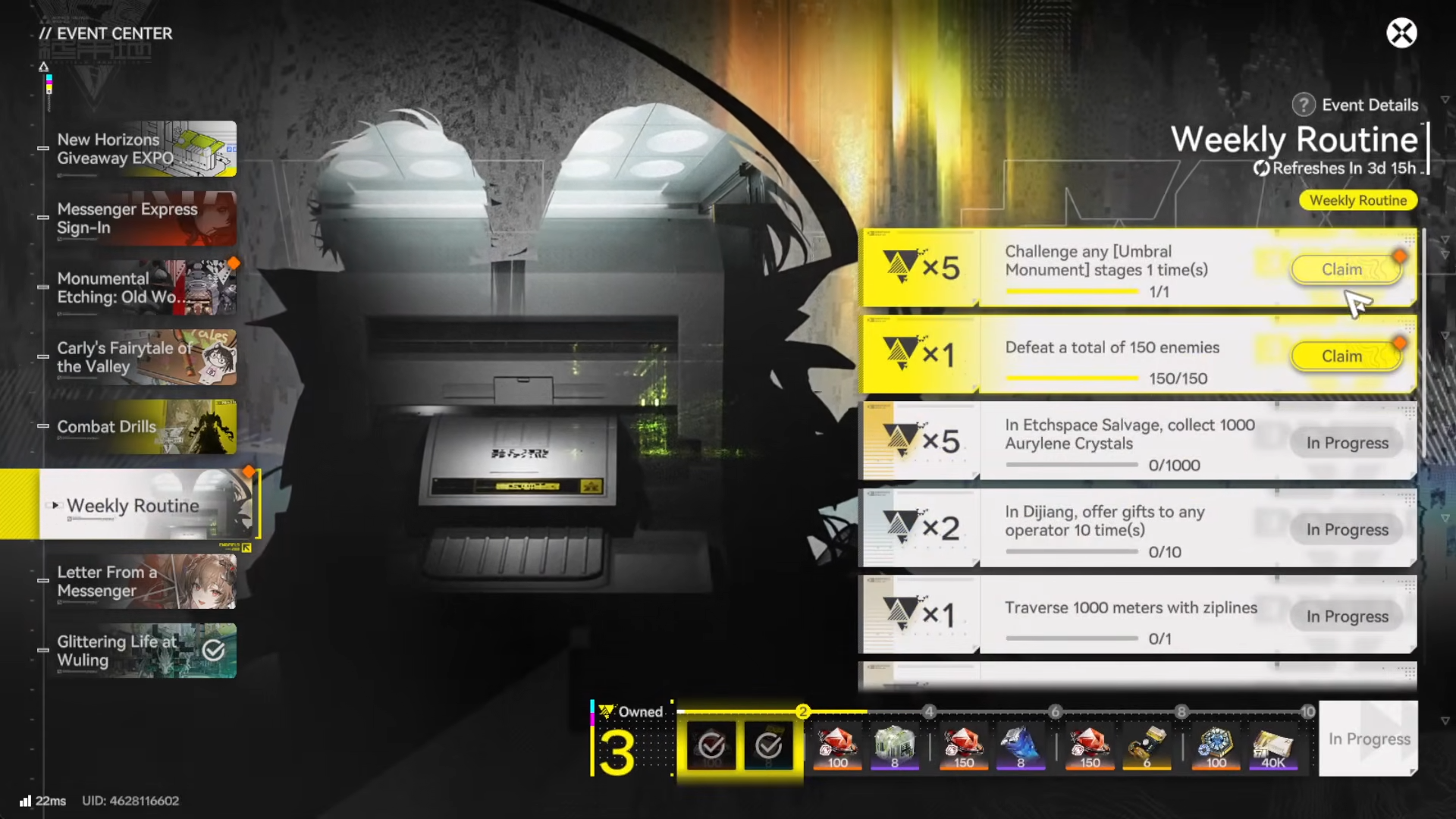
Step 4 – Claim rewards regularly and before the version update
The Monumental Etching track is strictly time-limited:
-
Rewards cannot be claimed after the version update that ends the event.
-
The Oroberyl total for the current iteration is modest (around 2,400), but missing it means losing free banner pulls.
Make a habit of opening the event page after any Umbral Monument session and tapping through every completed task before logging out.
Step 5 – Treat Agony as optional for progression
Agony clears do not currently gate Oroberyl in Monumental Etching:
-
You can obtain all Oroberyl rewards by completing the listed Normal-mode objectives.
-
Agony is primarily about extra high-end materials, personal challenge, and cosmetic prestige via trimmed medals.
If your time is limited, finishing all Normal clears and Etching tasks should be your first priority.
How to decide if Umbral Monument is worth your time right now
You may be wondering where Umbral Monument fits into your routine compared with story, farming, and other events.
Step 1 – Evaluate your current roster strength
If your main DPS and sustain units are still undergeared or underleveled, you may want to:
-
Push story and farm basic resources first.
-
Return to Umbral Monument once you have at least one strong DPS and a healer with 4–5★ gear.
Going in too early can turn the mode into a trial-and-error wall.
Step 2 – Prioritize one-time and time-limited rewards
Because Umbral Monument is permanent but Monumental Etching is not:
-
Clearing every stage in Normal for first-time rewards is an excellent medium-term goal.
-
Completing Monumental Etching tasks before the version update should be a short-term focus if you want the Oroberyl.
You can always come back later for Agony and trimmed medals once your account is stronger.
Step 3 – Use Umbral Monument as a skill check
The mode is designed as a skill and build check more than a raw farm loop:
-
It teaches you to read stage rules, plan loadouts, and adapt to unique enemy mechanics.
-
The compact nature of each stage makes it ideal for practicing boss movement, stagger timing, and group control.
If you enjoy squeezing more depth from combat, Umbral Monument fits naturally into your regular play.
Closing thoughts on Umbral Monument in Arknights: Endfield
Umbral Monument is a focused slice of late-game-style combat that respects your time: there is no endless grind, rewards are mostly one-and-done, and the limited-time Monumental Etching layer gives you a clear reason to clear the current Series during each version. Once you unlock it in Valley IV and understand how Normal and Agony differ, you can treat the mode as a recurring checkpoint for both your builds and your mechanical skill.
Whether you are only after the first-clear bundle and Oroberyl or you plan to push for fully trimmed medals, using Normal as your learning ground and Agony as your mastery test will keep Umbral Monument challenging without feeling unfair.