- What to know
- Understanding how the exploit impacted the economy
- Why enforcement was delayed but deliberate
- How penalties are being applied
- Coin wipes and economic correction
- Long-term safeguards and system improvements
- Community impact and player responsibility
- What this means for ARC Raiders moving forward
- ARC Raiders exploit response and economic recovery outlook
What to know
- A design flaw-based exploit significantly affected ARC Raiders’ economy.
- The developer investigation is complete, and enforcement has begun.
- Penalties include coin removals, warnings, and suspensions.
- New detection and tracking systems are now in place to prevent future abuse.
In ARC Raiders, the recent exploit incident has become one of the most consequential economy disruptions since launch. What began as a flaw in game design evolved into a widespread abuse scenario that altered currency balances, progression pacing, and overall fairness within the player ecosystem. Now that the internal investigation has concluded, enforcement actions are actively rolling out, and the developers have outlined how penalties will be applied based on severity and intent.
Understanding how the exploit impacted the economy
The exploit originated from a design-level vulnerability rather than external cheating software, which made it particularly damaging. Because it did not require advanced manipulation tools, participation spread quickly once players discovered the loophole. The exploit allowed certain players to generate or duplicate in-game coins beyond intended progression limits.
In an extraction-based economy such as ARC Raiders, currency stability directly affects crafting, upgrades, equipment availability, and market dynamics. When coins inflate artificially, legitimate progression becomes devalued. Players who did not participate may feel disadvantaged, while those who exploited gain disproportionate purchasing power.
The table below summarizes how the exploit affected core systems.
| Affected System | Impact Observed | Long-Term Risk |
|---|---|---|
| In-game currency | Artificial inflation of coins | Market destabilization |
| Crafting economy | Faster access to high-tier gear | Reduced gear rarity value |
| Player progression | Skipped intended grind curve | Competitive imbalance |
| Community trust | Perceived unfair advantage | Reduced player retention |
The damage was not limited to balance numbers. In live-service games, perceived fairness strongly influences player engagement. Even small economic distortions can ripple outward into matchmaking quality and seasonal competition integrity.
Why enforcement was delayed but deliberate
Rather than issuing immediate bans, the development team chose a methodical approach. The investigation phase focused on gathering complete telemetry data, identifying exploit patterns, and categorizing player behavior according to frequency and intent.
This deliberate timeline served two purposes. First, it reduced the risk of false positives. Second, it ensured penalties matched actual behavior rather than assumptions. Acting too quickly in situations like this can penalize unaware participants or those who triggered the flaw unintentionally.
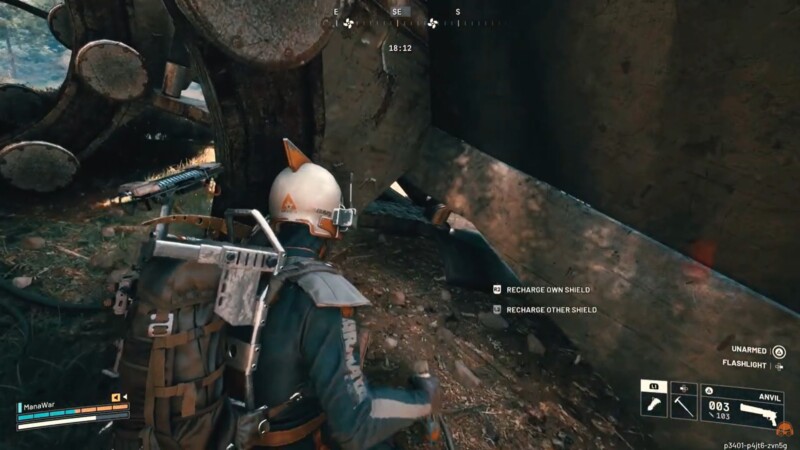
The developers emphasized acting “deliberately and confidently,” reinforcing that enforcement should reflect data-backed conclusions rather than reactive decisions. This approach signals a long-term commitment to maintaining competitive integrity.
How penalties are being applied
Enforcement measures are tiered and tied to measurable impact. Not every participant will receive identical consequences. Instead, severity is determined by frequency of use, total economic gain, and the broader effect on the in-game ecosystem.
The enforcement framework can be summarized in the following structured view.
| Severity Level | Criteria | Action Taken |
|---|---|---|
| Low | Minimal gain, possibly accidental | Warning issued |
| Moderate | Repeated usage with economic gain | Coin removal (wipe of exploit-linked currency) |
| High | Intentional large-scale abuse impacting economy | Account suspension + coin wipe |
The most immediate action is the removal of coins tied directly to exploit activity. This form of rollback is targeted rather than universal. Instead of resetting entire accounts, the system traces exploited currency flows and removes the gains specifically attributed to abuse.
For more severe cases, temporary suspensions are being issued. These suspensions are designed to reinforce accountability without permanently eliminating players unless extreme damage was caused. The structure suggests proportional enforcement rather than blanket bans.
Coin wipes and economic correction
A coin wipe is not simply a punishment. It functions as an economic correction tool. In systems like ARC Raiders, currency inflation distorts market pricing, upgrade pacing, and raid preparedness. Removing exploit-generated coins helps stabilize resource distribution.
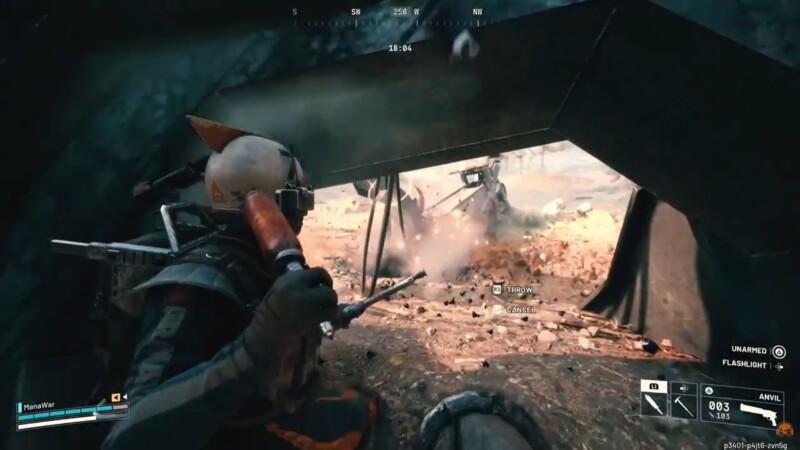
The difference between a targeted wipe and a full account reset is significant. A targeted wipe preserves legitimate progression, earned equipment, and non-exploit resources. This distinction reduces collateral damage to players who mixed legitimate and illegitimate earnings.
The table below clarifies the difference between corrective methods.
| Correction Type | What Is Removed | Player Retention Impact |
|---|---|---|
| Targeted Coin Wipe | Exploit-generated currency only | Moderate |
| Full Reset | All currency and gear | Severe |
| Suspension Only | Temporary account access restriction | Variable |
By focusing on exploit-linked currency rather than wiping full inventories, developers aim to rebalance the system without creating further resentment.
Long-term safeguards and system improvements
Beyond enforcement, the developers confirmed the implementation of improved detection systems, enhanced tracking tools, and stronger internal review protocols. These upgrades are designed to identify anomalies earlier in their lifecycle.
Modern live-service security relies heavily on behavioral analytics. Instead of simply detecting abnormal totals, systems now track progression velocity, transaction patterns, and statistical outliers. This layered approach allows teams to flag suspicious activity faster without disrupting legitimate play.
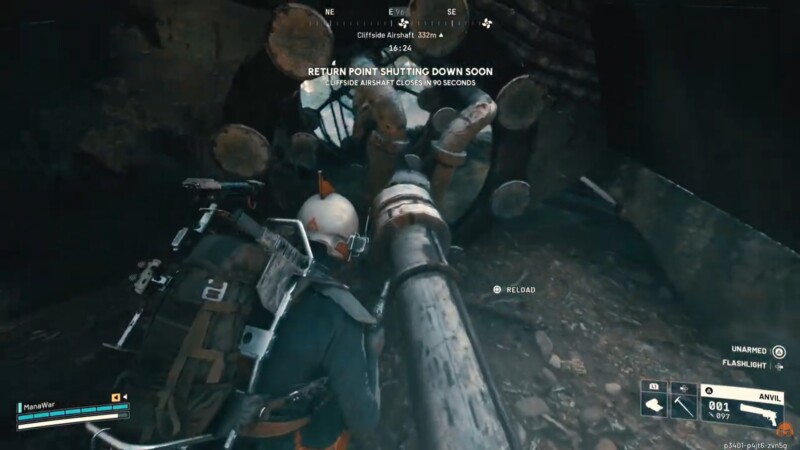
Internal review processes have also reportedly been refined. Design-level vulnerabilities are now undergoing stricter scenario testing to ensure that economic loops cannot be exploited at scale. The focus has shifted from reactive patching to proactive prevention.
Community impact and player responsibility
The exploit situation highlights a recurring tension in live-service games: the boundary between discovery and abuse. When players encounter a flaw, continuing to exploit it after recognizing its unintended nature often crosses into policy violation territory.
From a community standpoint, enforcement clarity is crucial. Transparent communication reassures legitimate players that fairness is being restored. It also discourages future attempts to test economic boundaries in similar ways.
If you are actively playing ARC Raiders, this situation reinforces the importance of avoiding questionable mechanics once their exploitative nature becomes evident. Enforcement now includes robust tracking capable of retroactive analysis.
What this means for ARC Raiders moving forward
The exploit episode represents both a setback and a recalibration moment. While economic disruptions can erode trust, decisive corrective action and transparent enforcement help rebuild stability. By completing the investigation before issuing penalties, the developers signal a structured governance approach rather than reactive punishment.
With coin wipes underway, suspensions being issued, and new detection frameworks implemented, ARC Raiders is entering a stabilization phase. Economic balance should gradually normalize as exploit-linked currency is removed from circulation.
For players, the message is clear. The game’s integrity is being actively protected, and enforcement will scale with impact. While the exploit created short-term turbulence, the structural safeguards now in place suggest a stronger, more resilient in-game economy moving forward.
ARC Raiders exploit response and economic recovery outlook
The recent exploit forced ARC Raiders to confront a fundamental economic vulnerability. Through completed investigations, proportional enforcement, targeted coin wipes, and upgraded detection systems, the development team is actively restoring balance. As corrective measures finalize, the long-term health of the game depends on sustained transparency, consistent monitoring, and community accountability. The incident may have disrupted the economy, but the structured response signals a firm commitment to competitive fairness and systemic resilience.