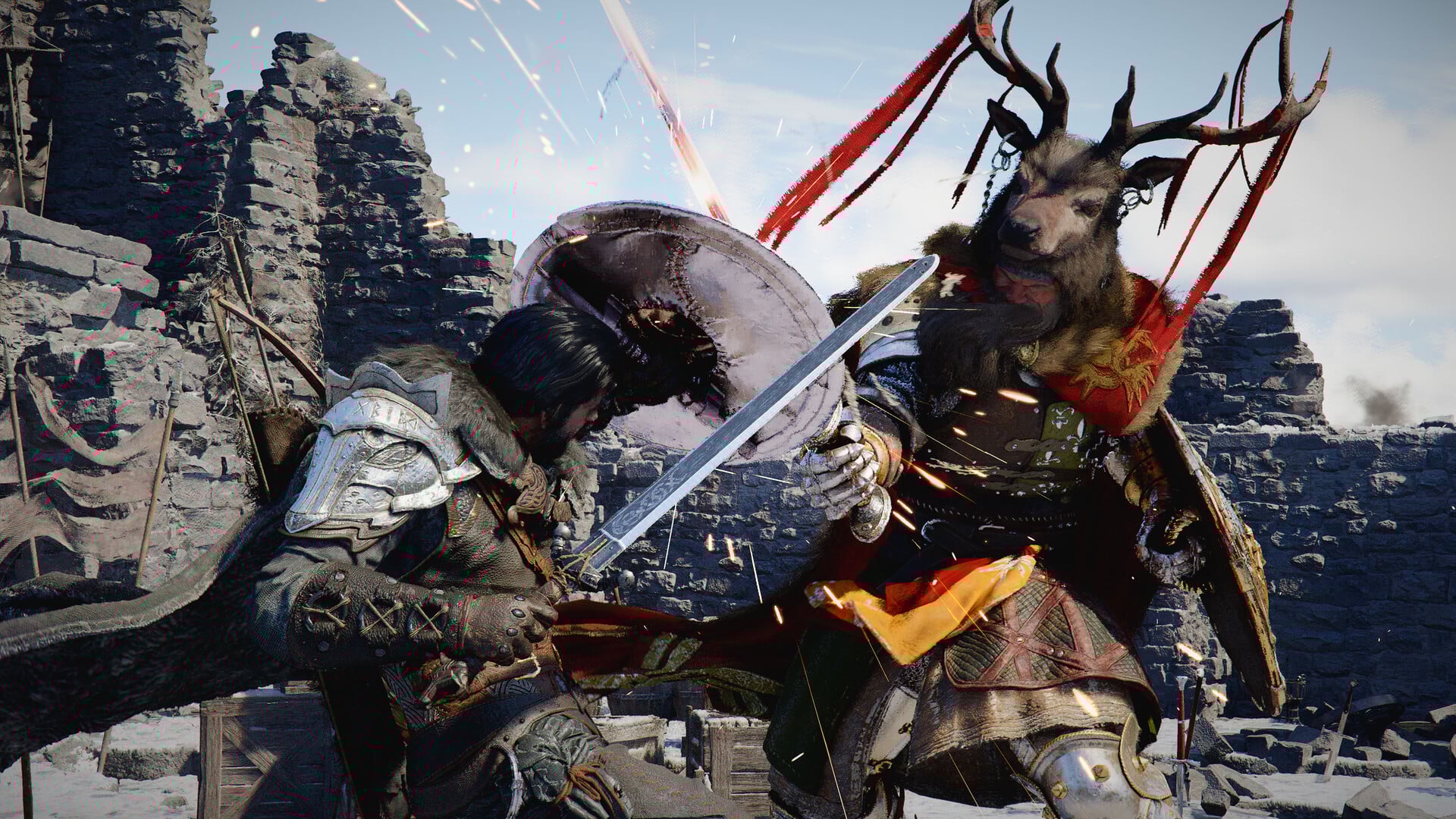
ARC Raiders uses a fixed 100 HP system with no regeneration, forcing players to rely on armor, positioning, and healing items to survive. Survival in ARC Raiders depends on managing armor and healing wisely, as health never regenerates on its own.
What to know
- Player characters have a fixed 100 HP that does not regenerate naturally
- Armor and shields absorb damage before health is reduced
- Healing items are the only way to recover lost HP
- Poor health management can quickly end a run and cost you your loot
ARC Raiders follows a deliberate survival-focused design where every hit matters. Unlike traditional shooters with auto-heal mechanics, you’re required to actively manage your health, armor, and consumables during each raid.
How much health do you have in ARC Raiders
Your Raider always enters a match with 100 base health. This value does not change with progression, perks, or gear. There are no upgrades that increase your maximum HP, keeping combat balanced and skill-driven.
Once your health reaches zero, your character is downed. If you’re playing solo, that usually ends the raid. In squad play, teammates can revive you if they reach you in time.

How armor and shields affect survivability
Armor is your first line of defense. Incoming damage is applied in this order:
- Shields (if equipped)
- Armor durability
- Player health (HP)
High-tier armor doesn’t increase your HP but significantly reduces how often your health is hit. Damaged armor remains damaged until repaired or replaced, making prolonged engagements risky.
Shields act as a dedicated barrier that absorbs a portion of damage before HP is affected. In the example, light shields provide 40 shield HP and 40% damage reduction, medium shields 70 shield HP with about 52.5% damage reduction, and heavy shields 80 shield HP with about 52.5% damage reduction and a movement penalty.

This means incoming damage is split: part is absorbed by the shield’s damage reduction, and the remainder reduces HP after the shield “takes” its own damage.

When a shot hits, the shield reduces the raw damage by its damage reduction multiplier, while HP takes the remaining damage after shield absorption.
For example, a 10-point hit on a light shield (40% damage reduction) would deal 6 HP to the player (10 × (1 − 0.40) = 6) after the shield’s mitigation, while the shield shell itself records the full 10 damage as shield damage.
The number of shots to deplete shields and bring HP down depends on shield type. Heavy shields survive more hits before breaking, but they also impose a movement penalty that can make you easier to hit or slower to maneuver, which influences raid survivability in practice.

Shield Rechargers explained
Shield rechargers in ARC Raiders restore depleted shields during raids using specific consumables and mechanics.

Basic Shield Recharger
Crafted with one arc power cell and five rubber parts, taking 2 seconds to activate and 10 seconds to recharge. Restores 4 shield points per second, totaling 40 shield HP overall.

Surge Shield Recharger
Made with one advanced arc power cell and one electrical component, taking 5 seconds to use. Instantly provides 50 shield HP without over-time charging.

Arc Power Cell Option
Basic item that restores shields over 10 seconds at 2 points per second, totaling 20 shield HP; takes 3 seconds to activate.

Strategic Value
Prioritize looting arc power cells and rechargers, as they enable sustained raids; heavy shields demand more resources like 3 basic rechargers or 6 arc power cells.
Key takeaways for players
- Pick shield type based on the raid scenario: light shields for speed and frequent shield cycling, medium for a balance, heavy for front-line tanking when survivability outweighs mobility.
- Prioritize shield recharges and arc power cells in loot runs to maintain shield uptime, especially before entering longer or multi-stage encounters.
- Remember that shield damage is separate from HP damage; shield health and shield HP management are as important as healing and HP preservation in sustained fights.
ARC Raiders’ health system is intentionally unforgiving. With a fixed 100 HP, no regeneration, and reliance on armor and consumables, survival comes down to decision-making rather than raw stats. If you treat every hit seriously and manage your resources well, you’ll extract more often—and keep your hard-earned loot.